SEL Isn't Working? Here's What High Schools Are Trying Instead
- Most SEL curricula were designed for elementary classrooms and adapted upward, and high schoolers notice the mismatch fast.
- Schools moving away from generic SEL are converging on three alternatives: dedicated stand-alone courses, character-first frameworks, and workforce-readiness-anchored programs.
- The programs that stick share one trait: they were built for teenagers from the start, not adapted from a younger-grade curriculum.
- A growing number of districts are quietly rebranding SEL as "character education" or "life skills" to reduce political friction, even when the underlying content is similar.
- The clearest signal a program is working isn't the label on the door. It's whether students are practicing skills, not just discussing them.

Why Schools Are Quietly Walking Away From SEL
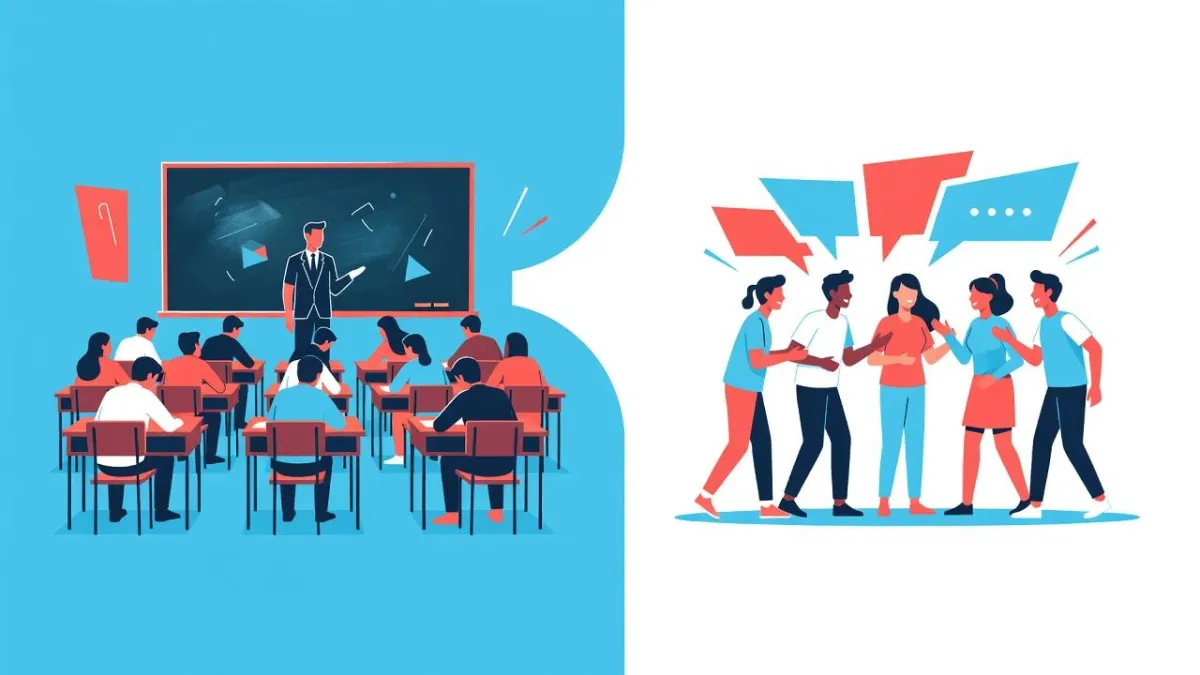
Ask any high school teacher who's delivered a standard SEL curriculum for a few years and you'll hear some version of the same complaint: the material feels built for a different kid. Roughly 80% of SEL curricula were designed for elementary or early-middle grades, and only a small fraction of evidence-based programs reach secondary school at all [Internal: Boost Brand Bible]. Puppets, feelings check-ins, and simplified language work for eight-year-olds. They land flat with a sixteen-year-old who's job hunting or navigating a real conflict with a friend.
The mismatch shows up as disengagement, not defiance. Students don't rebel against SEL, they just quietly stop taking it seriously, and teachers end up delivering a curriculum they privately suspect isn't working. That quiet erosion is why a growing number of high schools are looking for something else, not because SEL as a concept failed, but because most of what's on the market wasn't built for this age group in the first place.

Alternative One: The Dedicated Stand-Alone Course
The first and most durable alternative treats soft skills the way schools treat any other subject: a real class, on the schedule, with its own time and instructor, rather than something every teacher is supposed to weave into every other subject. That distinction matters more than it sounds. Embedded SEL depends on every teacher remembering to fold it in consistently, which in practice means it happens inconsistently or not at all. A dedicated course removes that dependency. Students come to one class built specifically to teach these skills, the same way they'd come to a math or English class.

Alternative Two: Character-First Frameworks
A second group of schools is reframing the conversation around character rather than social-emotional learning, partly because "SEL" has become politically loaded in some districts over the past two years. EdWeek has documented this rebranding trend directly, noting that schools now market similar content under labels like "character education," "life skills," or "well-being instruction" to reduce controversy. The substance underneath is often comparable. What tends to differ is the framing: character-first programs lean on honesty, responsibility, and respect, values most parents across the political spectrum recognize and support, rather than clinical or therapeutic language.

Alternative Three: Workforce-Readiness-Anchored Programs
The third alternative sells itself through outcomes rather than philosophy: communication, teamwork, and self-management framed explicitly as career preparation. This angle tends to land well with school boards and administrators focused on measurable, defensible goals. 84% of hiring managers say most high school graduates aren't prepared to enter the workforce, according to the U.S. Chamber of Commerce's New Hire Readiness Report, which gives workforce-anchored programs a concrete, employer-backed case that pure SEL language often lacks.

What Separates a Program That Sticks From One That Gets Shelved
Across all three alternatives, the programs still standing after year one share a pattern: they were designed for this age group from the start, not stretched upward from an elementary framework. They also build in real practice, not just discussion. A student can talk about teamwork for a full class period and still not know how to work on a team, the same way reading about push-ups doesn't build arm strength. That's the same principle behind Boost's own four-step Boost Formula: instruction, practice, feedback, and honest self-assessment, because a lesson that never gets practiced rarely survives past the first semester.
Frequently Asked Questions
What Is Replacing SEL in Schools?
Schools are moving toward dedicated stand-alone courses built specifically for teenagers, character-first frameworks that reframe skills around values rather than clinical language, and workforce-readiness programs anchored in employer expectations.
Is SEL Being Phased Out?
Not entirely, but many schools are rebranding or replacing generic SEL with more targeted alternatives, partly due to age-mismatch problems and partly due to political pushback against the SEL label itself.
What Is the Difference Between SEL and Character Education?
SEL typically covers broader socio-emotional competencies and skews toward younger grades. Character education tends to be narrower, values-focused, and less politically contested, even when it covers similar underlying skills.