What the 2026 Cellphone-Ban Research Does and Doesn't Tell Administrators
- A national study of lockable pouches found phone use fell substantially, but average test score effects were close to zero and discipline incidents rose in year one before fading.
- A Florida district study found phone visits fell more than 80%, with test scores up about 4 percentiles by year two and a 25% jump in suspensions in year one.
- Teens are not sold on the rules: 41% support classroom bans and only 17% support all-day bans, while a USC survey found phone use creeping back up as the year went on.
- The studies agree that policy changes behavior in the building. They do not yet tell you what students do with a phone once the rule is gone.
The school cellphone ban research 2026 has produced is easy to misread, because three headlines can leave you with three different conclusions. One says bans work, one says they do nothing for grades, and one says the benefits fade by spring. They are not contradicting each other as much as they appear to. They are measuring different things, in different places, over different time spans. This analysis walks through what the major studies found, where the evidence is thin, and how to use imperfect evidence to make a sound call in your own building.
Why Do the Headlines on Cellphone Ban Research Disagree?
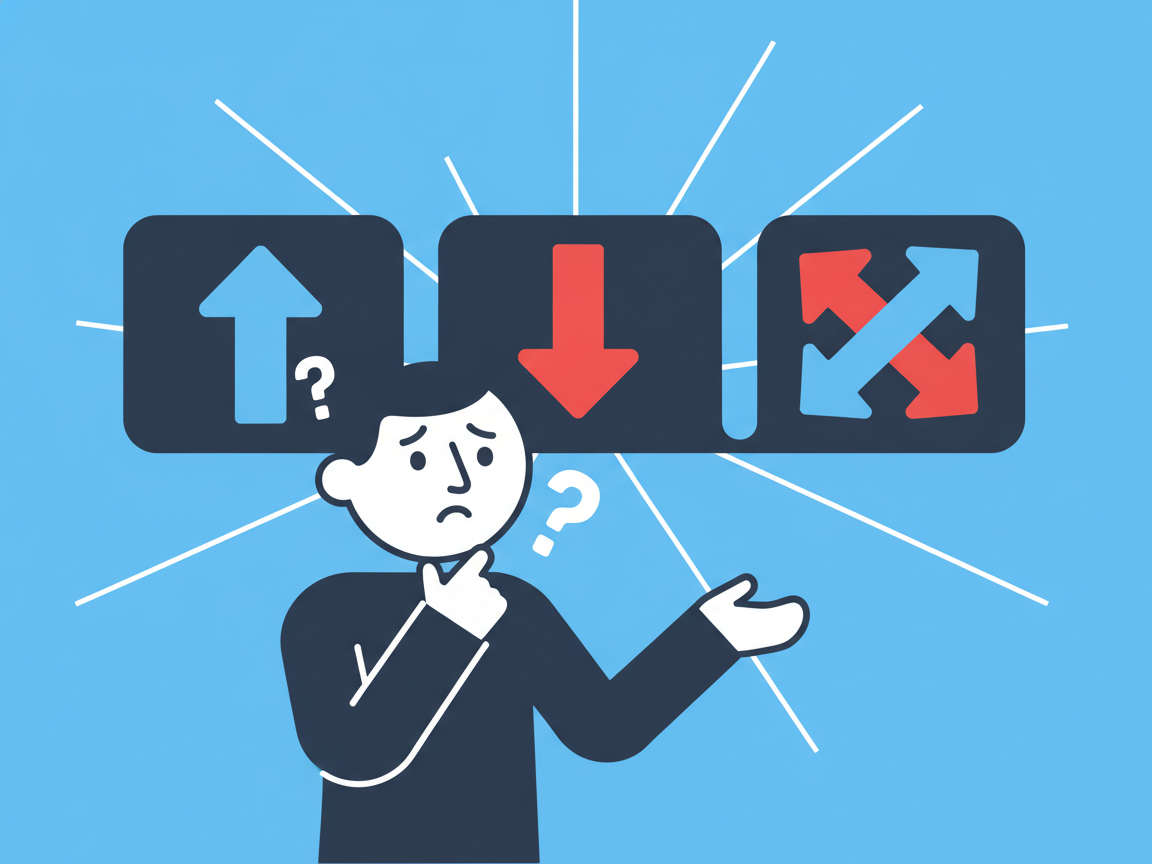
The headlines disagree because the studies ask different questions about different outcomes. One tracks phone use with GPS data, another tracks test scores in a single Florida district, and a third surveys students about their wellbeing at one moment in time. A policy can succeed at the first, show a delayed effect on the second, and look flat on the third without any of the researchers being wrong.
Implementation also varies a great deal. Lockable pouches, locked cabinets, and honor-system rules are all called "bans," and enforcement differs from room to room. When you read a headline, the most useful habit is to ask three things: what was measured, how long it was followed, and what exactly the school did.
What the Larger Cellphone Ban Studies Found
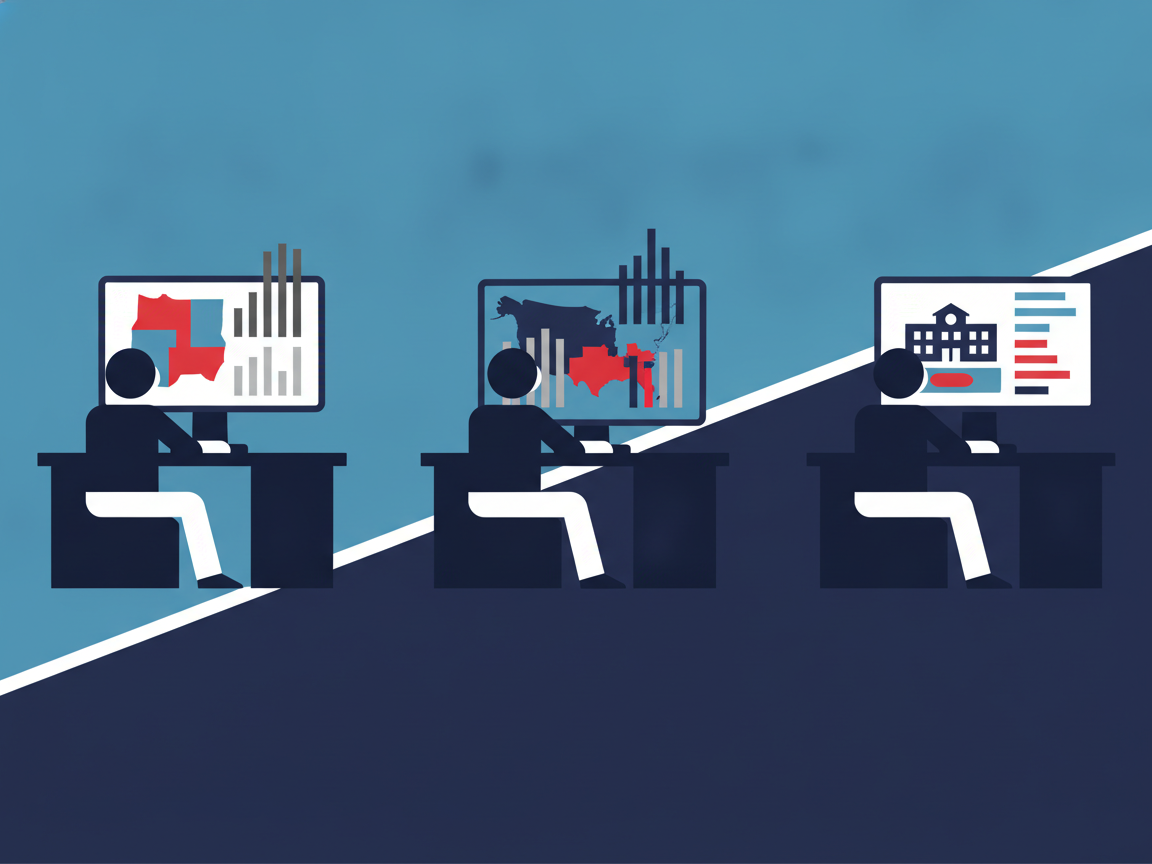
The largest studies agree on one point: restrictions cut phone use in the building. They split on what follows.
In a nationwide analysis of lockable pouches, Allcott, Baron, Dee, Duckworth, Gentzkow, and Jacob found that adoption "substantially reduces phone use as measured by GPS pings and teacher reports." Disciplinary incidents rose in the first year, and the authors found "suggestive evidence" that student well-being fell in the short term, though both effects faded and the estimated well-being effects recovered and became positive in later years. Average test score effects were "consistently close to zero," with modest gains in high school math and small negative effects in middle schools (Allcott et al., Stanford).
A Florida district study by Figlio and Özek found a sharper academic signal. High school phone use dropped "by more than 80 percent, from 46 daily visits per 100 students to 10," and by year two "scores are up by about 4 percentiles." Suspensions rose, too: "the suspension rate jumps by 25 percent" in year one, with larger increases for Black students that resolved in year two (Education Next).
A UK study of 1,127 students aged 12 to 15 found no significant difference in mental wellbeing between restrictive and permissive schools, though students in restrictive schools used phones less during the day (National Elf Service summary of Goodyear et al.).
What Educators and Teens Report
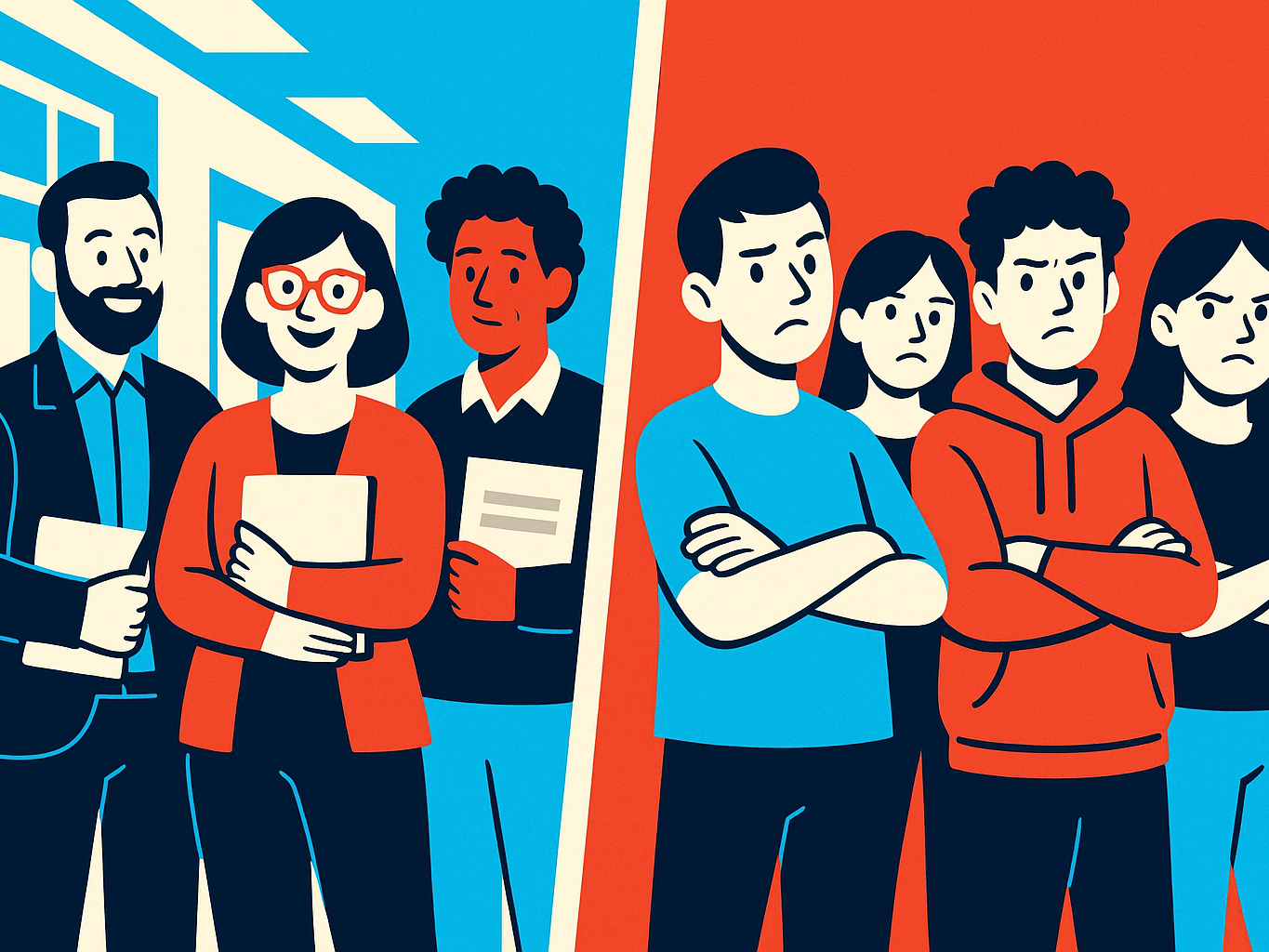
Educators mostly report calmer, more social buildings, and teens mostly report mixed feelings about the rules. A University of Michigan Ford School survey of more than 68,000 educators found bell-to-bell policies expanding from 60% to 74% of schools between 2024-25 and 2025-26, with about 9 in 10 elementary and middle schools covered but only about 5 in 10 high schools. One teacher described "fewer discipline problems related to phones, and students are more engaged in class." Teachers also estimated that about one-third of students use laptops for non-academic purposes regardless of phone policy (Ford School).
Teens are warier. Pew's survey of 1,458 teens found 41% support banning phones during class and 17% support an all-day ban, compared with 74% and 44% of adults (Pew Research Center). Student buy-in is a variable, not a given. We wrote about this tension in phone bans are only half the answer.

What the Research Cannot Tell You Yet
The research cannot yet tell you about long-run effects, about other implementation designs, or about what students do outside school. Allcott and colleagues note that "we observe outcomes for at most three years beyond adoption, so longer-run effects remain an open question." The Florida study covers one large urban district. The RAND American Youth Panel is based on self-reports and identifies association, not causation.
Enforcement is another open question. A USC survey found teen-reported phone use during the school day rose from 28% to 42% across the 2025-26 school year, with smaller increases under strict bell-to-bell policies than under flexible ones (K-12 Dive). RAND also found that even where phones were banned outright, half of students reported checking them in class at least once a day (RAND).
There is a fair counterpoint. Coffey, writing for the Fordham Institute, argues that "if you heard about an intervention that decreased students' time on their phones, measurably improved their well-being, didn't cause any apparent harm, and only cost $30 per student, wouldn't that be appealing?" and calls these "early days of implementation" (Fordham Institute). Both readings can be true at once.

A Practical Read for Your Building
Treat the research as support for acting, with clear eyes about what to expect. A phone policy is a reasonable way to cut in-building phone use, and the evidence suggests plan for a rocky first year, not a quick grade bump. Here is how we would read it.
- Expect short-term friction. Two studies saw discipline incidents rise in year one and fade. Plan staff time and a fair-process review of who is being disciplined.
- Invest in enforcement consistency. The drift in phone use over the year is a staffing and routine issue, not just a policy issue.
- Measure what you care about. Track use, attendance, discipline, and student feedback so you are not guessing.
- Check the rules that apply to you. State laws and district policies vary, so confirm requirements with your district's counsel.
This is a practical read, not legal or financial advice.
Where Does Skill-Building Fit Alongside Policy?
Skill-building fits as the second half of the answer: the policy controls the hours you control, and the skill covers everything else. The UK authors themselves point to phone use "beyond school hours" as the place to focus, and students who can manage a phone on their own are less dependent on the next enforcement push.
At Boost, our "You vs. Your Phone" week teaches students how apps are designed to hold attention, has them measure their own screen time, and walks them through a personal phone-control plan [Internal: Boost Brand Bible v2]. It sits inside an 8-week curriculum that teaches 26 Boost Skills to high school and young adult students, delivered by certified Boost coaches or trained staff. We explain the approach in how Boost teaches phone control without banning a single device. If you would like to talk through how that could sit beside your policy, you can schedule a discovery call.
Frequently Asked Questions
Do Cell Phone Bans Improve Grades?
The evidence is mixed. A national pouch study found average test score effects close to zero, while a Florida district study found scores up about 4 percentiles by year two. Both note limits on how far the results generalize.
What Does Research Say About Phone Bans in Schools?
Restrictions reliably reduce phone use during the school day. Effects on grades, attendance, discipline, and wellbeing vary by study and often change from year one to year two.
Do Students Support School Phone Bans?
Not strongly. Pew found 41% of teens support classroom bans and 17% support all-day bans, compared with 74% and 44% of adults.
References
- Allcott et al., The Effects of School Phone Bans: National Evidence from Lockable Pouches
- Figlio and Özek, Can Banning Cellphones Save Student Learning? Education Next
- National Elf Service, Smartphone bans in schools are not associated with better mental wellbeing
- University of Michigan Ford School, National educator survey on school cell phone policies
- Pew Research Center, How US teens view school cellphone bans
- K-12 Dive, Cellphone ban enforcement may be waning over school year
- RAND, Stricter Cell Phone Policies Associated with Reductions in Student Phone Use
- Fordham Institute, Findings from the new phone ban study may not be so bleak after all
- Phone Bans Are Spreading Across America, But They're Only Half the Answer
- How Boost Teaches Phone Control Without Banning a Single Device
Ready to bring Boost to your school?
Schedule a discovery call to see how the Boost curriculum fits your students.
Schedule a Discovery Call