26 Skills Every High School Student Needs Before Graduation
26 Skills Every High School Student Needs Before Graduation
84% of hiring managers say most high school students are not prepared to enter the workforce — not because of academics, but because of missing interpersonal and self-management skills. These are the 26 skills, across People Skills, Character, and Healthy Mindset, that actually determine outcomes in college, work, and life. None are personality traits. All are teachable.
Ask a high school senior what they learned in school, and you'll get an answer about coursework: calculus, American history, AP Biology. Ask their first employer what they needed to know, and you'll get a very different list.
84% of hiring managers say most high school students are not prepared to enter the workforce. Not because they can't do the work. Because they don't know how to navigate the people, the pressure, or themselves.
That gap has a name. Boost calls it the Boost Success Gap (BSG) — the distance between the foundational life skills young people actually possess and the skills adults know are essential for thriving. This gap has widened with the rise of digital devices, which have replaced the face-to-face interactions where many of these skills used to develop naturally.
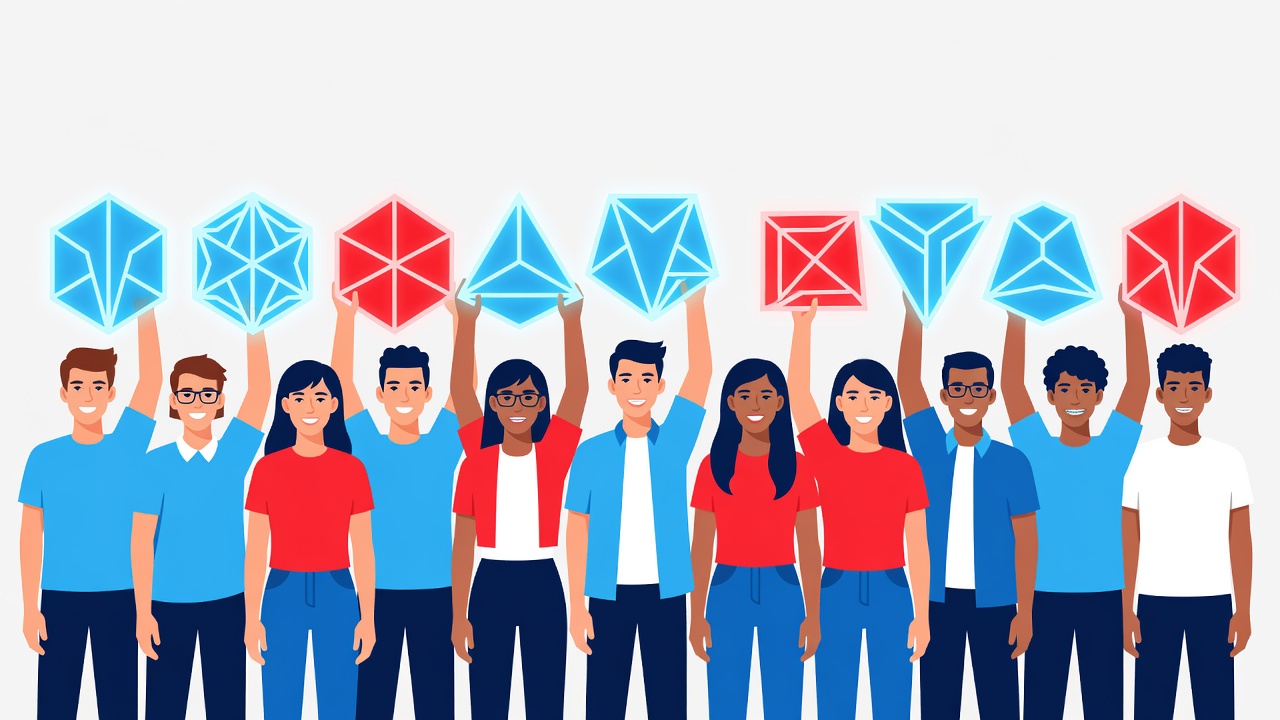
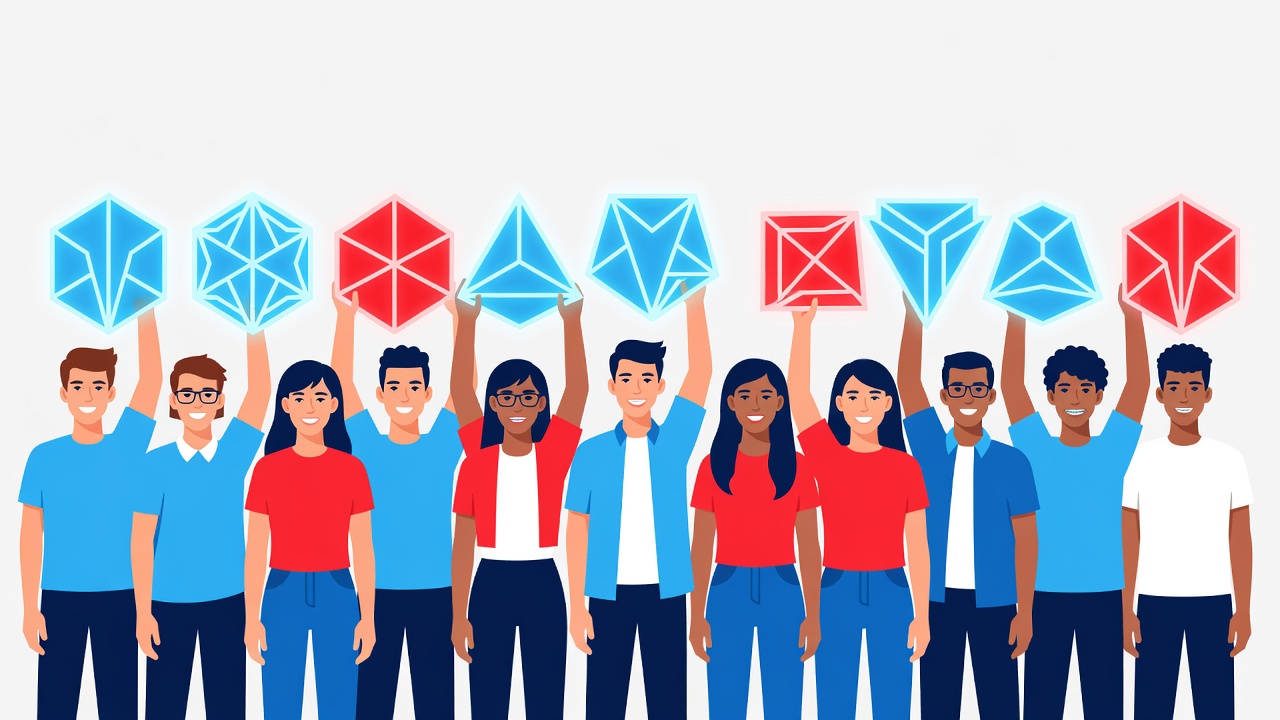
The Boost Program teaches 26 skills to close that gap. They fall across three pillars: People Skills, Character, and Healthy Mindset. Think of it as a three-legged stool — all three legs need to be strong. Great people skills without character won't earn respect. Strong character without people skills makes relationships hard. Both without a healthy mindset makes it nearly impossible to accomplish goals. Boost builds all three.
Here is every skill, and why it matters.
People Skills
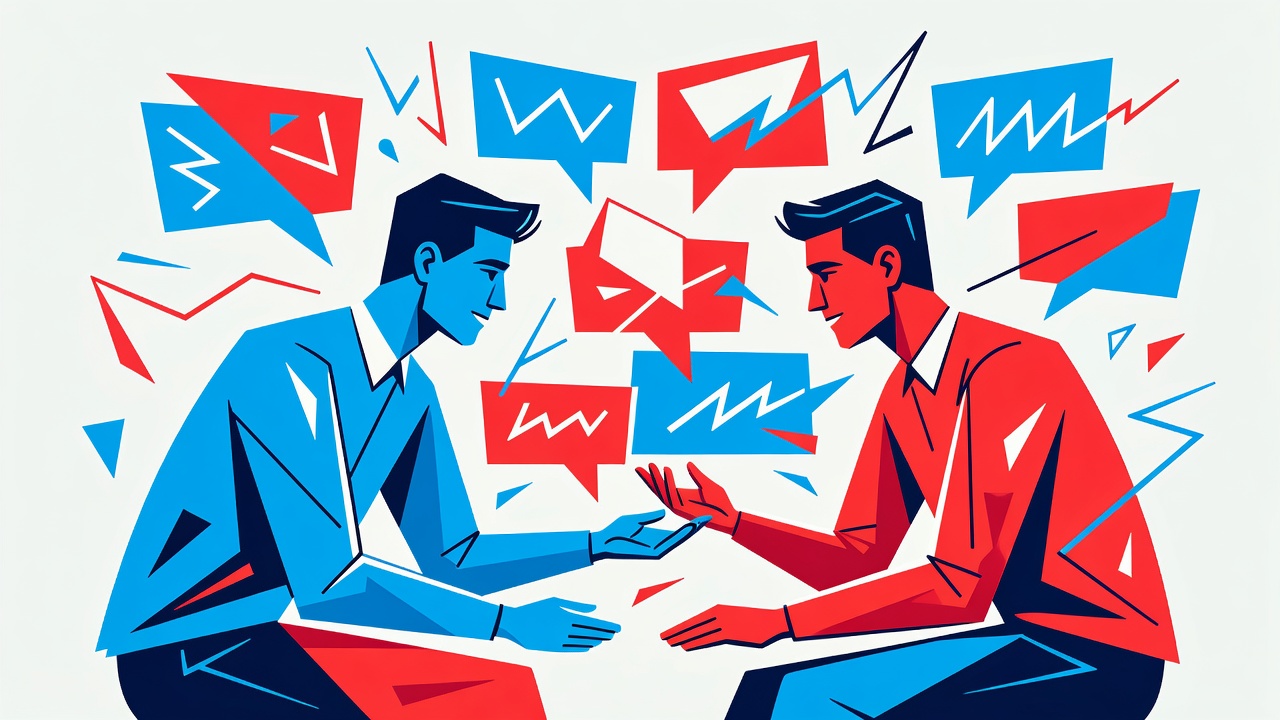
Skills 1 – 8People Skills govern how a student moves through every room they enter — how they communicate, how others feel around them, and whether they create connection or distance. Employers rank communication and interpersonal ability at the top of every hiring readiness survey. Schools rarely teach any of it directly.
1Eye Contact
Making good eye contact shows confidence and respect. It tells people you're tuned in and that what they're saying matters. It sounds simple — and it is. But most students who struggle socially or professionally underuse it without realizing it. Eye contact is one of the first things an interviewer, a teacher, or a new person in a room notices. It's also entirely learnable.
2Smiling
A smile is the easiest way to brighten someone's day — and your own mood too. It instantly builds connection and trust. Students who smile genuinely are perceived as more approachable, more confident, and more competent. Research consistently shows that warm nonverbal behavior shapes first impressions faster than anything a person says.
3Use Their Names
Using someone's name makes interactions personal and shows you care. It's a simple way to make others feel seen and valued. In every professional context — a job interview, a new classroom, a networking event — a student who uses names stands out. It signals attention and intentionality that most people never practice.
4Asking Questions and Listening
Good conversations aren't just about talking — they're about listening. Asking questions shows curiosity; listening shows respect. Of hiring managers surveyed in 2025, 90% said effective communication was essential for new hires — and communication starts with the ability to stop talking and genuinely listen. Students who ask well and listen fully are remembered in every room they enter.
5Don't One Up
When someone shares a story, let it be their moment. You don't need to top it — just connect and appreciate. One-upping is one of the most common social habits teenagers develop, often without knowing they're doing it. Learning to resist it makes a student a better listener, a more trustworthy friend, and someone people actually want to spend time with.
6Giving Compliments
A genuine compliment can make a big impact. Focus on something real and specific, and mean what you say. The skill here is specificity and authenticity — a vague compliment lands flat, while a precise one creates a real moment of connection. Students who learn to give genuine compliments build stronger relationships faster.
7Understanding Non-Verbal Communication
People say a lot without words — through tone, gestures, and posture. Learning to read body language helps you respond better. Most communication is nonverbal. A student who can read a room, notice when someone is uncomfortable, or recognize enthusiasm without being told has a significant advantage in every social and professional situation.
8Feel The Greeting
Your greeting sets the tone. Bring warmth, energy, and authenticity so people feel your positive vibe right away. The first five seconds of any interaction shape everything that follows. Students who learn to bring genuine energy to a greeting — not performance, but real warmth — create positive first impressions that open doors that indifference closes.
Character
Skills 9 – 16Character is what a person does when no one is checking. It is the pillar employers find hardest to screen for and most essential to hire for. You can teach someone a software tool in a week. Character is built through small repeated choices over years — which is exactly why the high school window matters so much.
9Honesty and Integrity
Doing the right thing — even when no one's watching — builds trust. Integrity means your actions match your words. Students who develop integrity before entering the workforce don't need external monitoring to perform. They become the employees who get trusted with more, the teammates others rely on, and the leaders people choose to follow.
10Empathy
Empathy is understanding what others feel, even when you haven't lived it yourself. It's the heart of strong relationships. In a workplace context, empathy is what separates a good manager from a bad one, a strong teammate from a difficult one. It is also deeply teachable — and it compounds over time as students learn to apply it deliberately.
11Being Humble
Confidence is powerful, but humility keeps it real. Recognize your strengths without putting others down. Humility is what allows a student to keep learning past the point where they feel like they already know enough. It is what makes feedback land rather than bounce off. And it is what earns respect from peers and supervisors alike.
12Kindness
Small acts of kindness create big ripples. Being kind doesn't cost anything — but it means everything. Kindness is not weakness. Students who practice it consistently build reputations that precede them, create environments others want to be in, and develop the kind of social capital that opens opportunities no resume can.
13Apologize Quickly and Sincerely
Owning your mistakes shows maturity. A sincere apology can rebuild respect faster than excuses ever could. Most students have never been taught how to apologize well — specifically, directly, and without deflecting. Learning to do it quickly and genuinely is one of the highest-trust behaviors a young person can develop.
14Say Thank You With Enthusiasm
Gratitude is more than good manners — it's energy. When you thank someone with heart, people feel it. A thank-you delivered with genuine warmth is one of the simplest ways to make someone feel valued. Students who practice this consistently build stronger relationships with every teacher, employer, and peer they encounter.
15Don't Try to Change Someone's Opinion About Someone Else
Let people form their own opinions. Spreading negativity about others only lowers your own reputation. This skill addresses one of the most destructive social habits in adolescence: gossip and social triangulation. Students who learn to stay out of it protect their own credibility and create environments where people trust them with real things.
16Be Friendly With A Wide Circle
Being inclusive expands your world. When you're kind to everyone, you build confidence and community. Students who limit their social interactions to a small in-group miss the network effects of broader connection. Those who practice inclusive friendliness develop confidence, perspective, and a wider set of relationships that pay dividends throughout their lives.
Healthy Mindset
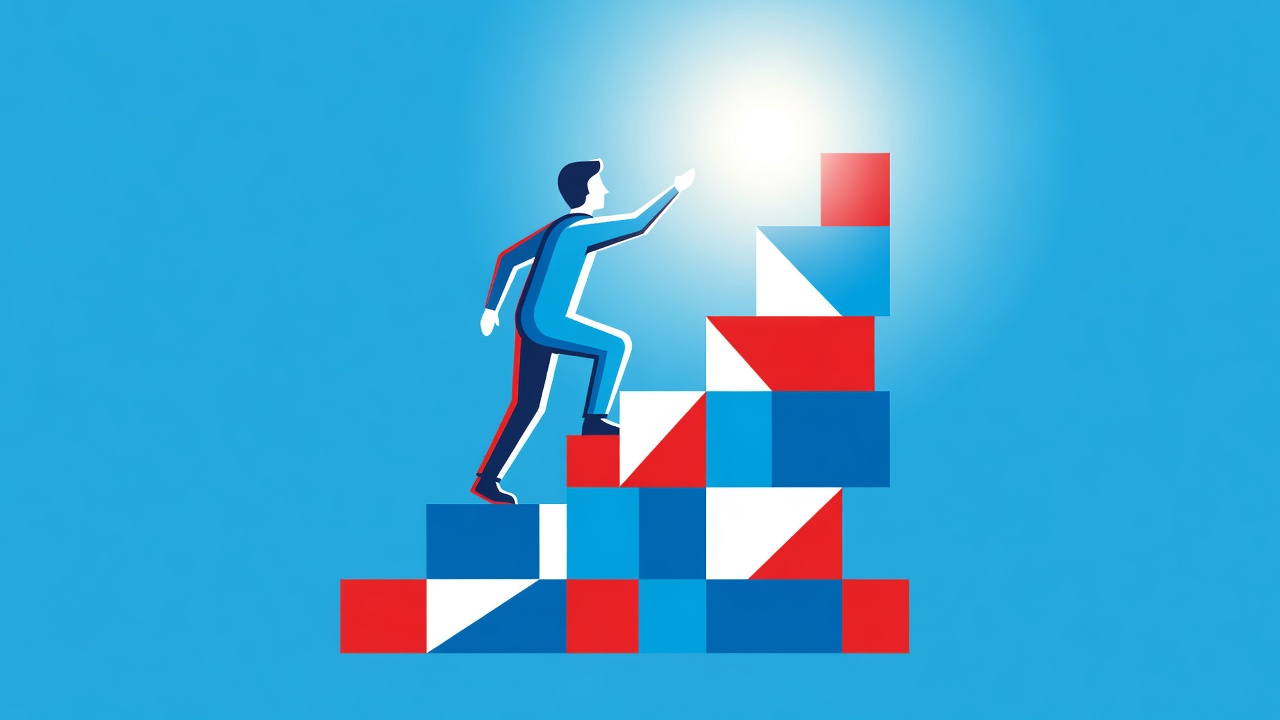
Skills 17 – 26The inner operating system. Healthy Mindset skills govern how a student thinks about themselves, processes difficulty, and sustains performance over time. Without a healthy mindset, every other skill on this list is harder to access. With it, students have the internal infrastructure to keep growing through whatever comes next.
17Growth vs. Fixed Mindset
A growth mindset says "I can learn this." Mistakes aren't failures — they're practice reps for success. Carol Dweck's research established that students who believe ability is developed through effort outperform equally talented peers who believe it is fixed. At Boost, this is the philosophical ground everything else stands on. Before any skill transfer, students need to believe their trajectory is something they can change.
18Need To Struggle To Grow
Struggle isn't a sign of weakness — it's how you get stronger. Every challenge is a chance to level up. Students who understand that discomfort is the mechanism of growth stop avoiding hard things. This reframe changes how they approach school, relationships, and every difficult moment that follows graduation.
19A Little Bit of Stress Is Okay
Some stress is normal — it means you care. The key is learning how to manage it and keep moving forward. Not all stress is bad. Students who learn to distinguish between productive and destructive stress stop catastrophizing normal pressure. They develop the capacity to perform under challenge rather than shutting down or checking out.
20Goals
Clear goals give your energy direction. Knowing your "why" keeps you focused when things get tough. Students who learn to set specific, meaningful goals develop the habit of directing their own trajectory rather than letting circumstances direct it for them. This is not a productivity tool. It is a mindset shift — from reactive to intentional.
21Grit
Grit is sticking with something long after the excitement fades. It's the fuel that turns effort into achievement. Angela Duckworth's research established that grit is a stronger predictor of long-term success than IQ or talent. It is also the skill most students have never been asked to develop deliberately. Naming it, teaching it, and practicing it changes the relationship a student has with difficulty forever.
22Overcoming Distractions
Distractions steal your time and focus. Take back control by setting boundaries and staying intentional. The average teenager now encounters more pull on their attention than any prior generation. The capacity to set intentional limits on distraction — especially digital distraction — is one of the highest-leverage skills a student can develop before they enter a world that will demand sustained focus.
23Hijacks Your Biochemistry
Strong emotions can take over your body and mind. Learning to pause and breathe helps you stay in charge. When stress or fear spikes, the body's physiological response can override rational thinking. Students who understand this — and who have practical tools to interrupt the response — make better decisions under pressure and recover faster from difficult moments.
24Turn Negative Thoughts To Positive
Your thoughts shape your reality. Flip self-doubt into self-encouragement — it changes everything. Students who speak to themselves with relentless criticism perform below their actual capability. Learning to notice negative self-talk and redirect it is not positive thinking — it is cognitive management, and it is directly tied to performance outcomes in school, work, and relationships.
25Gratitude
Gratitude shifts your focus from what's missing to what's meaningful. It turns ordinary moments into good ones. Research consistently shows gratitude correlates with higher wellbeing, stronger relationships, and greater resilience. It is also one of the simplest practices to teach — and one of the last anyone thinks to include in a high school curriculum.
26Techniques To Create Calm
Simple techniques like breathing, mindfulness, or movement can reset your mind. Calm isn't luck — it's a skill you can practice. Students who have concrete tools for returning to a calm, focused state can perform consistently rather than only when conditions are ideal. This is the skill that makes all the others available under pressure.
Why the Why Comes First
At Boost, we've learned something important about teaching these 26 skills: the list is not enough. Students don't engage with skill development because an adult told them they should. They engage when they understand why the skills matter to their actual lives.
In an 8-week Boost pilot, only 20% of students began the program believing that life is skill-based. By the end, 87% held that belief. That shift — before any specific skill transfer — is the most important outcome of the program. Because a student who understands that their trajectory is something they can actively shape is a student who will practice every skill on this list.
Teaching the why first is not a motivational strategy. It is the prerequisite for everything else working.
Want to bring all 26 skills into your school? Boost trains students in an 8-week curriculum designed specifically for high school environments.
Schedule a Discovery CallFrequently Asked Questions
The 26 Boost skills span three pillars: People Skills (Eye Contact, Smiling, Use Their Names, Asking Questions and Listening, Don't One Up, Giving Compliments, Understanding Non-Verbal Communication, Feel The Greeting), Character (Honesty and Integrity, Empathy, Being Humble, Kindness, Apologize Quickly and Sincerely, Say Thank You With Enthusiasm, Don't Try to Change Someone's Opinion About Someone Else, Be Friendly With A Wide Circle), and Healthy Mindset (Growth vs. Fixed Mindset, Need To Struggle To Grow, A Little Bit of Stress Is Okay, Goals, Grit, Overcoming Distractions, Hijacks Your Biochemistry, Turn Negative Thoughts To Positive, Gratitude, Techniques To Create Calm).
The research consistently points to communication, integrity, resilience, and the ability to work effectively with others as the skills employers and colleges find most lacking in recent graduates. These are not personality traits — they are learnable competencies that most high schools have no systematic way to teach.
The same way you teach any skill: name it explicitly, explain why it matters, provide structured practice, and create accountability for using it. Programs that teach the "why" before the "what" — showing students how these skills connect to real outcomes in friendships, respect, and career success — see dramatically better engagement and transfer.
The Boost Success Gap (BSG) is the disparity between the foundational life skills young people currently possess and those adults know are essential for thriving. Boost identifies this gap as the central problem facing today's graduates, and its 26-skill curriculum is designed specifically to close it.
Boost teaches all 26 skills sequentially across an 8-week curriculum, with each skill building on the previous. It is designed specifically for high school students, starts by teaching the "why" so students buy in before being asked to practice, and uses workforce and life-readiness framing rather than therapeutic language. Learn more at boostprogram.com.
References
- U.S. Chamber of Commerce. New Hire Readiness Report 2025. uschamber.com
- U.S. Chamber of Commerce. High School Graduates Lack Workforce Readiness. uschamber.com
- Cengage Group. 2025 Graduate Employability Report. cengagegroup.com
- Dweck, Carol S. Mindset: The New Psychology of Success. Random House, 2006.
- Duckworth, Angela. Grit: The Power of Passion and Perseverance. Scribner, 2016.
- Boost Youth Alliance. The 26 Skills of Boost. boostyouthalliance.org