
A Superintendent's Guide to Funding and Approving a Soft Skills Curriculum
- A soft skills curriculum gets approved the same way any new program does: it moves through a curriculum committee review, a small pilot, and a board vote, and it needs a funding line before any of that matters.
- Federal Title IV-A dollars, general-fund reallocation, and outside sponsors (corporate partners, local foundations, PTA fundraising) are the three places this money usually comes from, not one new pot the district has to invent.
- A board-ready proposal needs a named problem, a defined pilot with a start and end date, a specific cost, and a plan for measuring whether it worked, in that order.
- 4 in 5 hiring managers say recent high school graduates aren't prepared for entry-level work, which is the kind of data point that gets a tabled proposal back on the agenda.
- The programs that get approved fastest ask for a pilot first, not a district-wide rollout, and bring a pre/post measurement plan instead of promising results with nothing to check them against.
A curriculum director we talked to this spring had brought the same proposal to her board twice. Both times it got tabled, not voted down, tabled, which is often worse. The first time, a board member asked where the money was coming from and nobody in the room had a clean answer. The second time, someone asked how they'd know if it worked, and the silence answered that question for them. The proposal itself wasn't the problem. The case around it was.
That's a common pattern. Superintendents and curriculum directors don't usually reject a soft skills program because they disagree that students need it, most have already seen the gap firsthand. They table it because the funding source is undefined and the success metric is vague, and a board can't approve a line item built on two unknowns. If you're trying to get a program like this through your own district, here's the process that actually moves, the places the money tends to come from, and what a board wants to see on the page before they'll say yes.
The Typical Approval Pathway, Step by Step
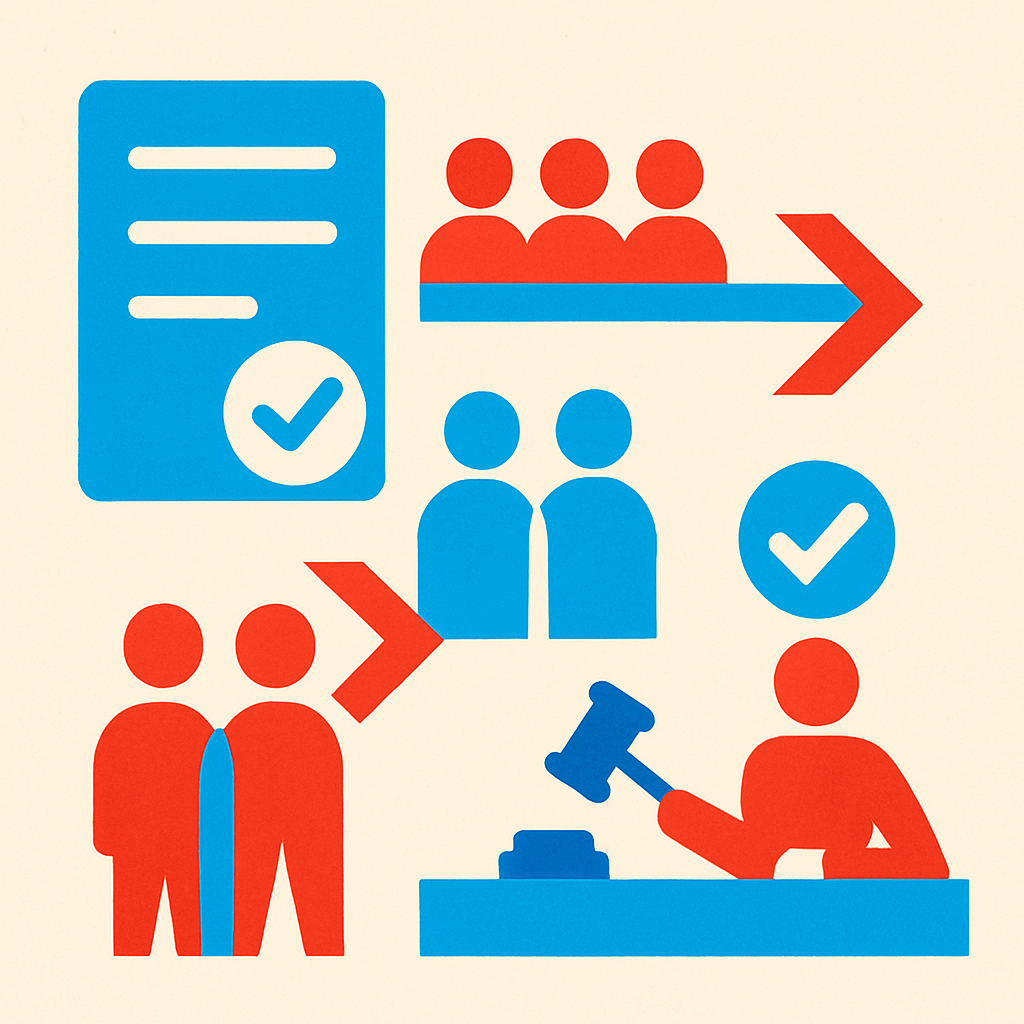
Most districts run new curriculum through a version of the same sequence, whether or not it's written down as formally as a textbook adoption. According to EdReports' curriculum adoption framework, the process generally starts with a needs assessment, moves through a materials or program review by a committee, and ends with a board vote, with a pilot period built in somewhere before the final decision. Soft skills programs follow the same shape, just with a shorter runway because they're supplementing the day rather than replacing a core subject.
In practice, it looks like this. First, someone, often a curriculum director, an assistant superintendent, or a counselor who's watched the same gap show up year after year, brings the idea forward informally, usually after seeing a specific problem: discipline referrals, a rough transition to ninth grade, employer feedback on interns, something concrete rather than a general sense that "kids need this." Second, it goes to a curriculum committee or instructional leadership team for a formal look, comparing options, checking standards alignment, and estimating cost. Third, most districts want a small pilot, one grade level, one cohort, one semester, before committing district-wide, both because it de-risks the decision and because it gives the board something to point to later. Fourth comes the board presentation itself, where the proposal is voted on as a budget item, usually alongside a defined funding source. Fifth, if approved, there's an implementation plan: training, scheduling, and a way to measure whether it's working, laid out before the first session runs, not scrambled together after.
Where districts get stuck is skipping the pilot and going straight from committee to a full-scale ask, or skipping the measurement plan and hoping results speak for themselves later. Boards don't fund hope. They fund a plan with a checkpoint.
Where the Funding Actually Comes From
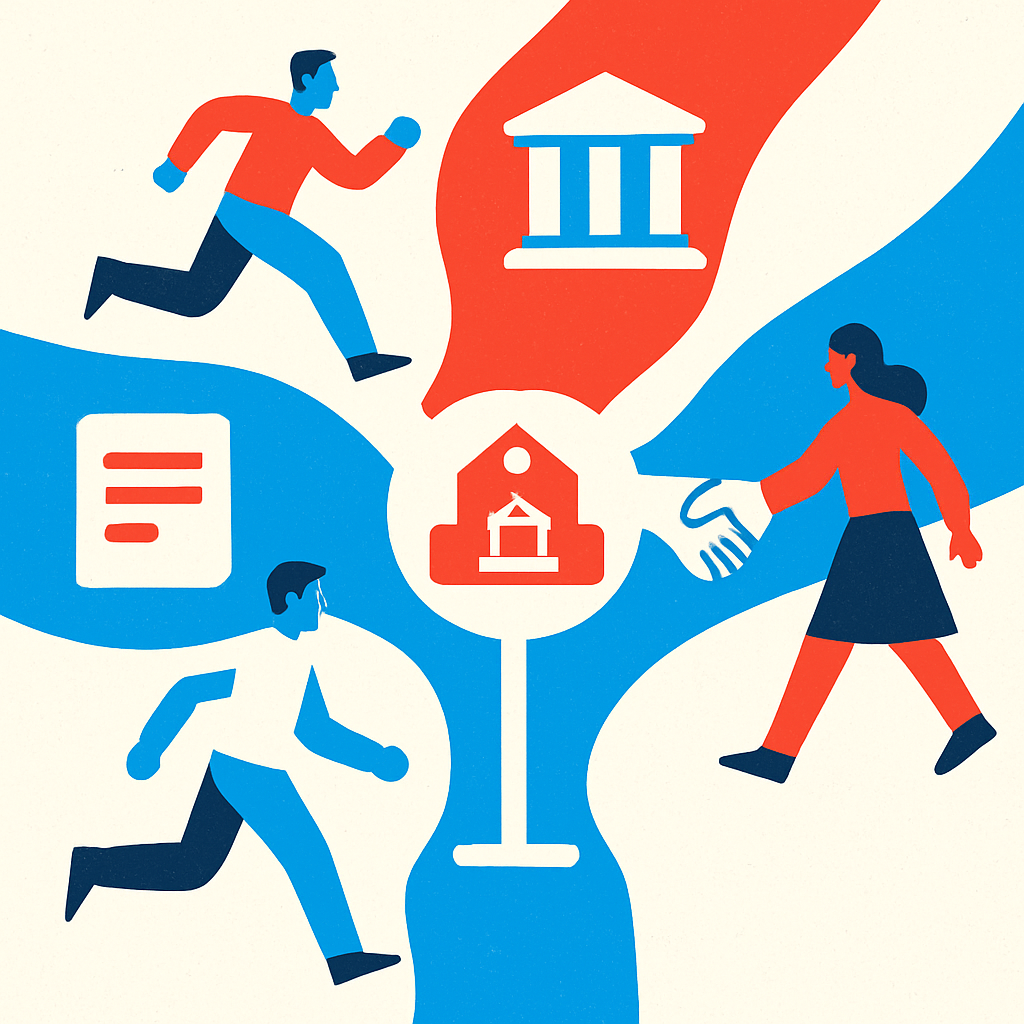
Districts rarely invent a new revenue source for a soft skills program. The money almost always comes from one of three places that already exist in some form.
The first is federal Title IV-A funding, the Student Support and Academic Enrichment grant under the Every Student Succeeds Act. It's a formula grant, authorized at roughly $1.6 billion nationally, distributed to nearly every district in the country, and it's explicitly meant to cover programs supporting well-rounded education and safe, healthy students, categories a structured soft skills curriculum fits cleanly into, according to federal guidance summarized by state education agencies administering the grant. Most districts already receive some Title IV-A allocation every year; the question isn't whether the money exists, it's whether anyone has earmarked it for this instead of something else.
The second is general fund reallocation, treating the program the way you'd treat any other instructional line item, weighed against other budget requests during the normal cycle. This is the least glamorous option and also the most durable one, because it doesn't depend on a grant renewing or a sponsor staying interested. It does mean the proposal has to compete for dollars like everything else, which is exactly why the cost-and-outcome case matters so much.
The third is outside funding: a corporate partner, a local foundation, a PTA or booster fundraising effort, or a sponsor covering the cost on the school's behalf. This is how a meaningful share of soft skills and life-skills programs actually get their first year funded, someone outside the district budget writes the check, which lowers the bar for that first board vote considerably because there's no new general-fund dollar to defend. It's also how programs like Boost typically start in a building: a school pays directly, or a funder pays on the school's behalf, structured as a straightforward vendor relationship rather than a grant application. If a sponsor is willing to underwrite a pilot semester, that's often the fastest path to a first yes, with general fund or Title IV-A picking up the cost once results are in hand.
Note what's largely gone: pandemic-era ESSER funds, which many districts leaned on for exactly this kind of enrichment spending, expired in September 2024. If your last soft skills pitch assumed ESSER dollars were still available, that's very likely why it stalled. Any current proposal needs a funding source that still exists.

What Belongs in the Board Presentation
A board packet that gets a program approved on the first pass, not the third, tends to include the same four things, in the same order.
Start with a named problem, backed by a number your board recognizes. Not "students need soft skills" in the abstract, but the specific symptom your district is seeing: a rise in ninth-grade discipline referrals, employer feedback from your work-based learning partners, a counselor caseload full of the same conversation. Pair it with outside data so it's not just an anecdote. 4 in 5 hiring managers say recent high school graduates aren't prepared for entry-level roles, according to the U.S. Chamber of Commerce's 2025 New Hire Readiness Report. That's the kind of stat a board member can repeat to a parent who asks why the budget includes this.
Next, a defined pilot, with a start date, an end date, and a specific group, not "we'd like to roll this out." One grade level, one semester, a clear number of students. Boards approve pilots far more easily than they approve permanent commitments, and a pilot gives you a natural checkpoint to come back with results before asking for anything bigger.
Third, a real cost figure tied to a named funding source, not a range and not "TBD." If it's Title IV-A, say so and cite the allocation. If it's a sponsor, name them or describe the arrangement. If it's general fund, show what it's competing against. The board member who asked "where's the money coming from" in that tabled proposal wasn't being difficult, that's the actual job.
Fourth, a measurement plan set before the pilot starts, not after. A simple pre/post self-assessment works fine, it doesn't need to be a peer-reviewed study to be credible, as long as it's honest about its limits. In Boost's own 8-week pilot cohort of about 30 students, 87% could clearly articulate that there's a specific, learnable set of skills behind getting what they want in life by the end of the course, up from a small handful at the start, tracked through a simple before-and-after self-assessment called Striving to 100. It's self-reported data from one cohort, not an independent study, and saying so plainly is part of what makes it usable in a board packet, boards trust proposals that are honest about what the evidence does and doesn't show.
Put those four pieces in front of a board in that order, problem, pilot, cost and source, measurement, and you've answered the two questions that tabled the proposal in the first place before anyone has to ask them out loud.

Frequently Asked Questions
What Does the Approval Process for a New Curriculum Typically Involve?
Most districts move a new program through a needs assessment, a curriculum committee review, a small pilot, and a board vote, followed by an implementation plan. Soft skills programs follow the same sequence, usually on a shorter timeline than a full core-subject textbook adoption.
Where Does Funding Usually Come From for Programs Like This?
Three places, most often: federal Title IV-A grant dollars, general fund reallocation weighed against other instructional priorities, and outside funding from a corporate sponsor, local foundation, or a PTA effort. ESSER pandemic relief funds, once a common source, expired in September 2024.
What Do School Boards Look For in Curriculum Proposals?
A named problem backed by data, a defined pilot with a start and end date, a specific cost tied to a named funding source, and a measurement plan set before the pilot begins, in that order.
How Long Does It Typically Take to Get a Soft Skills Program Approved?
A pilot-first proposal with a named funding source often moves in a single budget cycle, one board meeting for committee review and a follow-up meeting for the vote. Proposals without a defined funding source or measurement plan are the ones that get tabled and stretch across multiple cycles.
Should We Pilot the Program Before a District-Wide Rollout?
Yes. A single-grade, single-semester pilot gives the board a lower-risk decision and gives you a results checkpoint to bring back before asking for a bigger commitment. Boards approve pilots far more readily than open-ended, district-wide asks.