Character Education vs. SEL: What's the Difference, and What Should Parents Ask For?
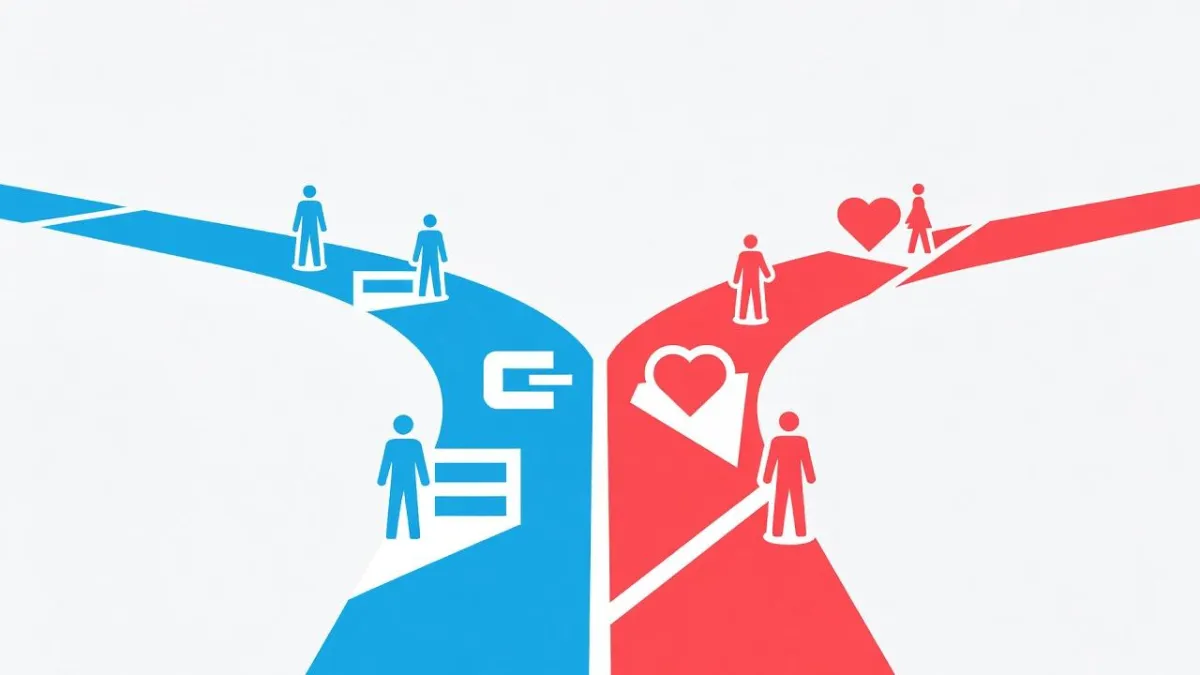
- Character education and SEL are often used interchangeably by schools, but they come from different traditions.
- SEL has become politically contested in some districts over the past two years, which is part of why some schools now use "character education" instead.
- The content overlap between the two is often larger than the labels suggest.
- Parents can ask a handful of direct questions to understand what their school actually teaches, regardless of which label is used.
- The label matters less than whether the program was built for the student's actual age group and includes real practice.

Where Character Education Comes From
Character education has roots going back decades, focused on values like honesty, responsibility, and respect, generally framed as universal rather than politically aligned. It tends to emphasize behaviors that earn trust: honesty, humility, kindness, and accountability, values most parents recognize regardless of political leaning.

Where SEL Comes From
Social-emotional learning developed as a more clinical, competency-based framework covering self-awareness, self-management, social awareness, relationship skills, and responsible decision-making. It's broader in scope than character education and has, in the past two years, become politically contested in a number of districts.

Why the Lines Have Blurred
EdWeek's reporting on this shift documents schools rebranding SEL content as "character education," "life skills," or "well-being instruction" specifically to reduce political friction, even when the underlying material is largely the same. That means the label a school uses may say more about local politics than about what's actually being taught.

Questions to Bring to Your Next Parent-Teacher Conference
Ask directly: what specific skills or behaviors does this program teach? Is it a dedicated class or folded into other subjects? Do students practice these skills or just discuss them? And was this built for my child's age group, or adapted from a younger-grade curriculum? The answers matter more than whichever label is on the door.
Frequently Asked Questions
What's the Actual Difference Between Character Education and SEL?
Character education focuses on values like honesty and responsibility, generally framed as universal. SEL is broader, covering emotional and social competencies, and has become more politically contested in some districts.
Is Character Education the Same as SEL?
Not exactly, though the content often overlaps significantly. Some schools now use "character education" as a rebranded version of similar SEL content to reduce controversy.
Why Is SEL Controversial in Some Districts?
In the past two years, SEL has become politically contested in some communities, prompting a number of schools to rebrand similar content under less politically loaded labels.
Ready to bring Boost to your school?
See how the 8-week Boost Foundation program teaches the 26 Boost Skills your students need. Book a discovery call to walk through it.
Book a Discovery Call