
Getting Parents and Teachers on the Same Page About Soft Skills
- Skills reinforced at home stick better than skills taught only at school.
- Alignment doesn't require more meetings; it requires a shared vocabulary parents and teachers both use.
- A brief, regular update (a single sentence naming the skill of the week) works better than a lengthy newsletter parents don't have time to read.
- What to avoid: overwhelming parents with jargon or asking them to become co-instructors.
- Boost handles parent communication by keeping updates short, specific, and skill-focused.

Why Shared Vocabulary Matters More Than Shared Meetings
A lesson a student learns at school and never hears referenced at home fades faster than one reinforced in both places. But getting parents and teachers aligned doesn't require more meetings on already-full calendars. It requires both sides using the same specific language for the same specific skills.
A Low-Effort Way to Keep Parents in the Loop
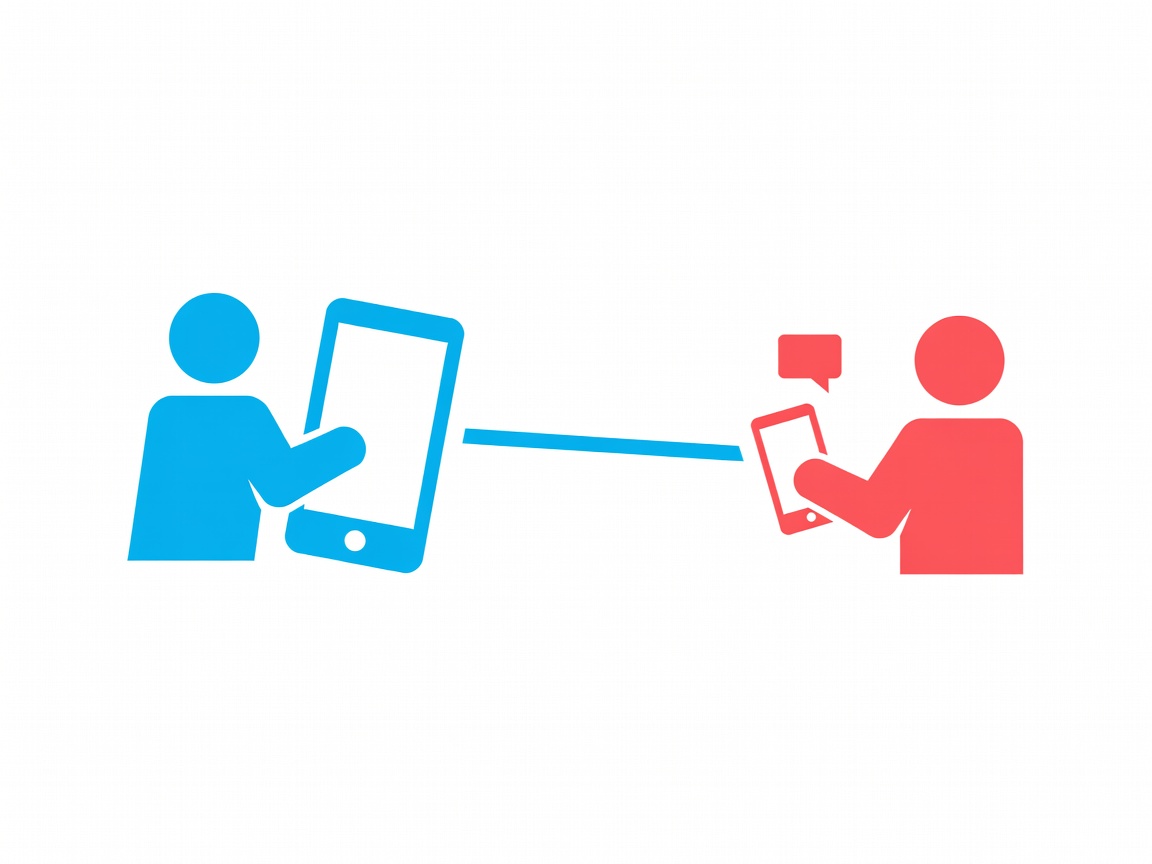
A single-sentence update, "this week's skill is genuine compliments, here's what it looks like in practice", sent through whatever channel a school already uses (app, email, text) does more than a lengthy monthly newsletter parents don't have time to read. Brevity and specificity beat comprehensiveness here.

What to Avoid When Communicating With Families
Avoid clinical jargon that makes parents feel like they need training to participate, and avoid asking parents to become co-instructors delivering formal lessons at home. The goal is awareness and light reinforcement, not homework for parents.

How Boost Handles Parent Communication
Boost's "Striving to 100" assessment explicitly involves a parent or adult sponsor, giving families a natural, structured touchpoint rather than an open-ended request to "reinforce skills at home." That structure does the alignment work without requiring parents to interpret vague guidance on their own.
Frequently Asked Questions
How Can Schools Involve Parents in SEL?
Through brief, specific, regular updates naming the skill being taught, rather than lengthy newsletters, and through structured touchpoints like a shared self-assessment rather than open-ended requests for involvement.
What Is the Best Way to Communicate Curriculum to Parents?
Short, specific updates through a channel families already check, focused on one skill at a time rather than comprehensive curriculum overviews.
How Do You Get Parent Buy-In for a New Program?
Keep communication brief and specific, avoid jargon, and give parents a structured but low-effort way to participate, like a short self-assessment rather than an open-ended ask.