

How to Have the Phone Conversation With Students That Actually Changes Behavior
Key Takeaways
- The standard phone conversation ("put it away, it's a distraction") produces compliance, not behavior change.
- Students respond differently when they understand the mechanism — what the phone is actually doing to their attention and brain chemistry.
- 70% of students rate phone control as their #1 needed skill. They already know they have a problem. They need tools, not lectures.
- The conversation that works starts with information, not rules.
- Boost teaches "You vs. Phone" and "Biochemistry Hijack" as explicit skills — not a lecture, but a framework students can use themselves.
Most teachers have had some version of the same phone conversation dozens of times. Student has phone out. Teacher asks them to put it away. Student sighs, tucks it in their pocket, and retrieves it again in four minutes. If you push harder, you get brief compliance and visible resentment. Nothing actually changes.
That conversation isn't failing because the student doesn't respect the rule. It's failing because the conversation gives the student no new information. "Your phone is a distraction, put it away" tells a student what to do without giving them any understanding of why their phone is so hard to put down, what's happening when they reach for it, or what they're actually giving up when they don't.
There's a different conversation — one that I've seen shift student behavior in ways the standard one never does. It starts with information instead of rules.
What Students Already Know
Before getting into the approach, one thing worth naming: 70% of students in Boost rate phone control as their #1 needed skill. They know they have a problem. They're not oblivious to how much time they're losing. They just don't have tools for managing it — and the conversations they've been having about it have not been useful.
When you start a conversation by acknowledging what students already feel — that the phone feels impossible to put down, that they lose time they didn't intend to lose, that they know something is off — you immediately have a different room than when you start with a rule.
70% of students say phone control is their number-one needed skill. They already know something is wrong. They need tools, not lectures.
The Conversation That Actually Works
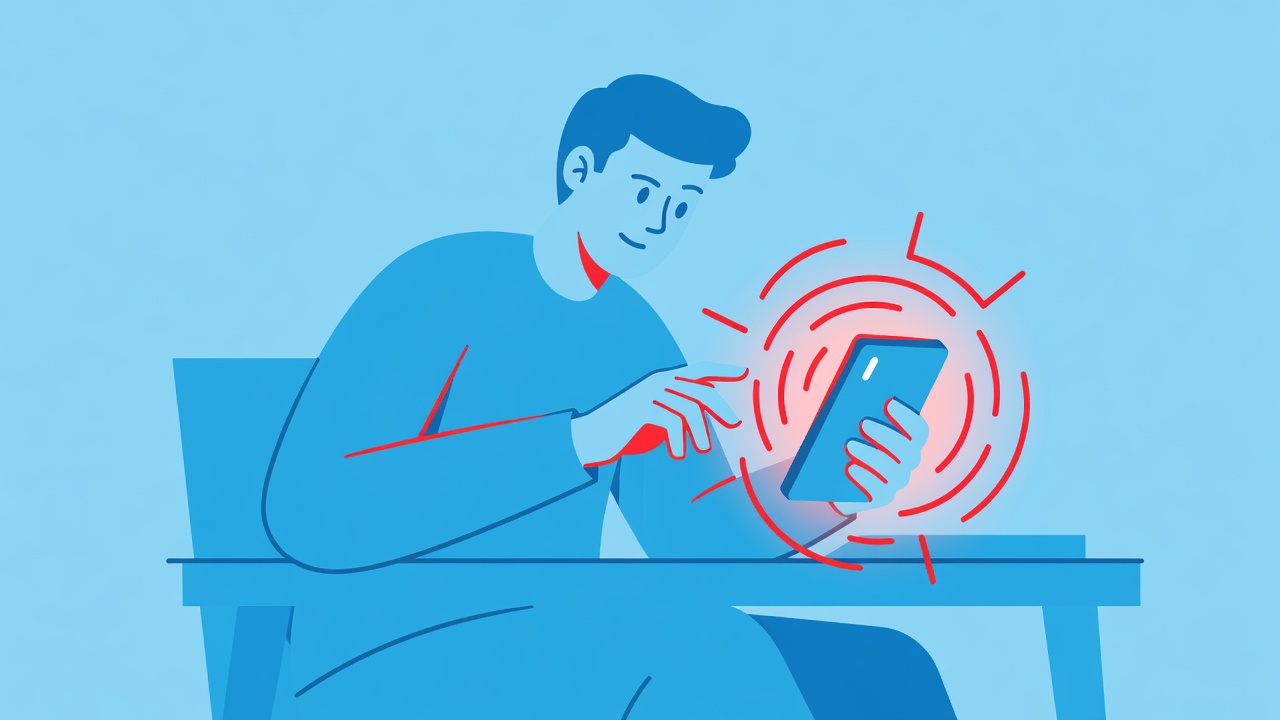
The conversation I'm about to describe isn't one you have in the moment when a phone is out in class. It's a conversation you build into the curriculum — ideally as part of an explicit skills program, but workable in an advisory period, a homeroom, or a health class.
It has three parts:
Part 1: The engineering conversation. Start here — not with rules, but with facts. Your phone was designed by engineers whose entire job is to keep you on it as long as possible. This is not a coincidence. Every notification sound, every infinite scroll, every like counter is the result of deliberate design decisions made by people whose performance metrics are measured in minutes of your time. You are not failing at willpower. You are facing intentional engineering.
That framing changes the room. Students stop feeling like failures and start feeling like people up against a system. That's an accurate frame — and it's one that opens the door to agency rather than shame.
Part 2: The brain chemistry conversation. Tell students what happens neurologically when they get a notification. The brain releases a small amount of dopamine — not a lot, not the flood that comes from something genuinely rewarding, but just enough to create a craving for the next one. Every check creates a cycle: anticipation, check, small reward, anticipation again. Over time, this pattern changes the brain's baseline — the threshold for feeling satisfied with slower, deeper activities goes up because the brain has been trained on rapid micro-rewards.
Then give them the number: every time they check their phone in the middle of a task, they lose an average of 10 to 23 minutes of focused attention — not just the 30 seconds they spent looking at it, but the full time it takes to get back to where they were. Students who know this number look at their phones differently. They start doing the math.
Part 3: The choice conversation. End here — not with a rule, but with a question. What would you do with an extra 90 minutes a day? Because that's roughly what the average high schooler loses to phone-checking in fragmented attention costs. Where do you want that time to go? What are you giving it up for?
That question doesn't tell a student what to do. It helps them make a conscious choice about what they're trading. Students who make that choice themselves are far more likely to honor it than students who were told to comply.
"I want to talk about phones — not to tell you to put yours away, but to show you something about what's actually happening when you're on it. Because I think you deserve to know."
What Comes After the Conversation

The conversation above opens a door. It doesn't close the problem. Students who understand the mechanism are better equipped to manage their phones — but understanding alone isn't enough. They need practice.
The practice that works best is structured phone-free time with explicit reflection afterward. Not just "no phones this period," but: "We're doing 45 minutes of focused work. Afterward, we'll talk about what that felt like — whether it was harder than expected, what your brain did when it wanted to check, what you noticed."
That debrief is where the skill gets built. Students compare what they expected to what actually happened. Many find that the urge to check was strongest in the first five minutes and faded after that. That's useful information — they learn that the craving has a peak, and if they can get past it, it gets easier. That's a tool they can use.
Repeat this enough times that students have data on their own experience. Not second-hand research — their own results. The students who change their relationship with their phones are almost never the ones who were told to. They're the ones who discovered through experience that they felt better, thought more clearly, and got more done without it.
Frequently Asked Questions
Why doesn't the standard "put your phone away" conversation work?
Because it gives students no new information. They already know phones are a distraction. The rule doesn't explain why phones are so hard to put down, what's happening neurologically when they check, or what they're actually giving up when they don't. Without that understanding, compliance is the only available response — and compliance ends when the enforcement ends.
How do you start the phone conversation in a way that students actually engage with?
Start with their experience, not your rule. Acknowledge that the phone feels impossible to put down — because it's designed to be. Frame the problem as an engineering challenge rather than a willpower failure. Students who feel seen rather than scolded engage differently in everything that follows.
What's the "biochemistry hijack" and why does explaining it to students matter?
The biochemistry hijack is the dopamine-driven cycle that notifications create in the brain — a small reward, a craving for another, and a pattern that trains the brain for rapid micro-rewards over deeper, slower satisfactions. When students understand this mechanism, they stop interpreting their phone struggle as weakness and start seeing it as a system they can work with intentionally. Understanding precedes agency.
How do I build phone skills into the school day without a dedicated program?
Start with a single structured phone-free block followed by a debrief. Advisory periods, homeroom, or health class work well. The debrief is the key — asking students what they noticed, what was harder or easier than expected, and what they learned about their own focus builds the self-awareness that makes the skill durable.
How does Boost address phone use as a skill?
Through two dedicated skills in the wellbeing category: "You vs. Phone — Distraction" (teaching students the engineering of attention-capture and how to identify when they're being designed against) and "Biochemistry Hijack" (explaining the neurological mechanism and its real costs to focus and time). Together, these skills give students the framework to make intentional choices — not just follow a rule that disappears when the adult leaves the room.
Ready to Teach Students to Manage Their Own Attention?
Schedule a free discovery call and see how Boost teaches phone management as a skill — the kind that works when no one's watching.
Schedule a Discovery Call