How to Improve Soft Skills in High School Students: A Framework, Not a Lecture
- Lectures and assemblies rarely improve soft skills because telling isn't the same as teaching.
- A three-part framework, instruct, practice, feedback, consistently outperforms discussion-only instruction.
- This framework can be applied within a single class period, not just a full curriculum overhaul.
- Schools don't need to wait for a new program to start using this approach; it can be layered into an existing advisory period or elective.
- The core shift is small: stop ending lessons at discussion, and start ending them at practiced behavior.

Why Telling Doesn't Equal Teaching
An assembly on the importance of teamwork rarely changes how a student actually works on a team, the same way a lecture on public speaking doesn't make anyone a better public speaker. Telling students what a skill is and why it matters is necessary, but it's the easiest 20% of the work and often gets treated as the whole job.

The Three-Part Framework: Instruct, Practice, Feedback
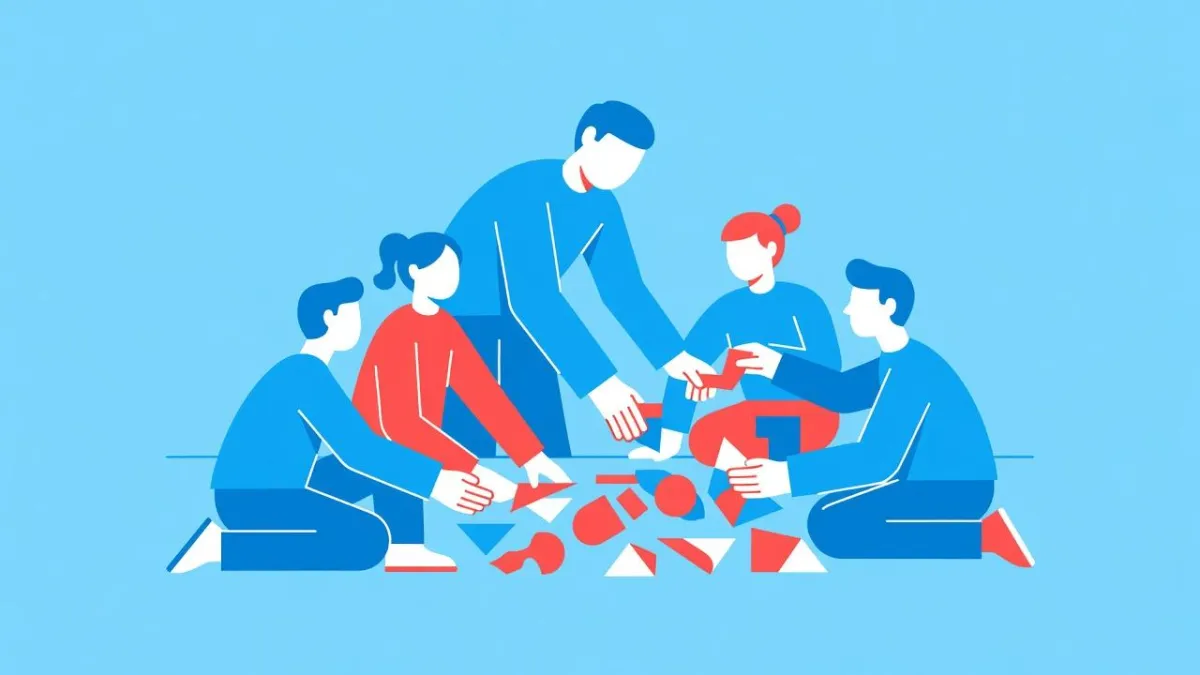
Instruct: a short, specific explanation of the skill and why it matters, kept brief on purpose. Practice: a realistic scenario where students actually attempt the skill, role play, a mock conversation, a structured group task. Feedback: specific, immediate input on what worked and what didn't, ideally with a chance to try again. Research on deliberate practice consistently shows this loop outperforms passive instruction on measurable skill acquisition.

What This Looks Like in a Single Class Period
Take a 40-minute period: five minutes of direct instruction on a specific skill (say, giving a genuine compliment), twenty minutes of paired practice where students actually try it on each other, and ten minutes of structured feedback, what felt genuine, what felt forced. That's a complete instruct-practice-feedback cycle in under an hour, no new curriculum required.

Getting Started Without a Full Curriculum Overhaul
This framework doesn't require replacing an existing advisory period or elective. It can be layered into whatever structure already exists: take one skill per week, run the three-part cycle, and build from there. The shift that matters most isn't adding new content, it's making sure every lesson ends in practiced behavior rather than discussion.
Frequently Asked Questions
How Can High School Students Improve Their Soft Skills?
Through a structured cycle of direct instruction, realistic practice, and specific feedback, rather than lectures or one-off workshops that rely on discussion alone.
What Is the Best Way to Teach Soft Skills?
A three-part framework, instruct, practice, feedback, consistently outperforms passive instruction because it gives students a chance to actually attempt and refine the behavior, not just hear about it.
Why Do Soft Skills Workshops Not Work?
Most one-off workshops stop at instruction and never include real practice or feedback, which means the skill is discussed but never actually rehearsed.
Ready to Bring Boost to Your School?
See how the 8-week Boost curriculum builds real soft skills in your students, with a coach-led, practice-based approach.
Schedule a Discovery Call