You vs. Your Phone: What the Phone-Based World Is Really Doing to Today's Youth
Executive Summary
Four or more hours of daily screen time is linked to a 61% higher risk of depression and 45% higher risk of anxiety in young people.
The phone-based world hasn't given students a character flaw — it's left them with a skill gap. And skill gaps can be closed.
70% of students say phone control is the #1 skill they want to develop — they know something is wrong, they just need a framework.
Schools that treat phone overuse as a mindset issue (not a discipline issue) get fundamentally different results.
Boost's 8-week curriculum fits within an existing class period and teaches the skills students need to win in a phone-based world.
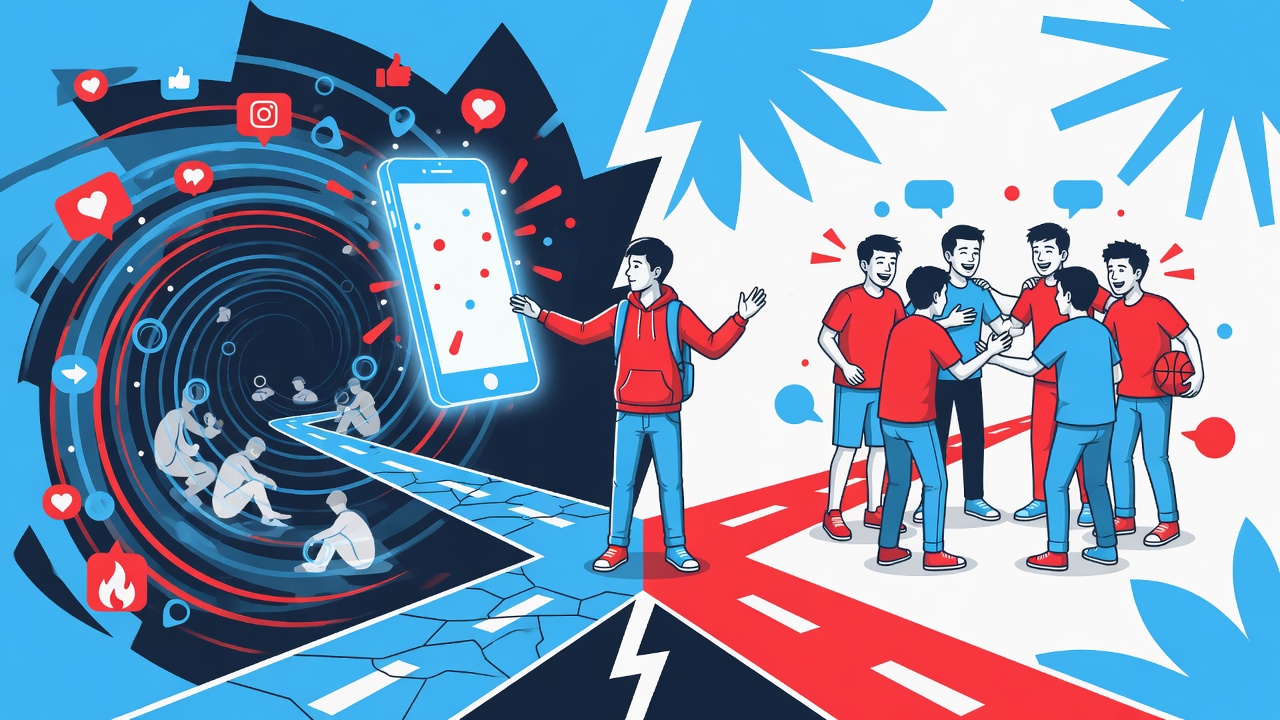
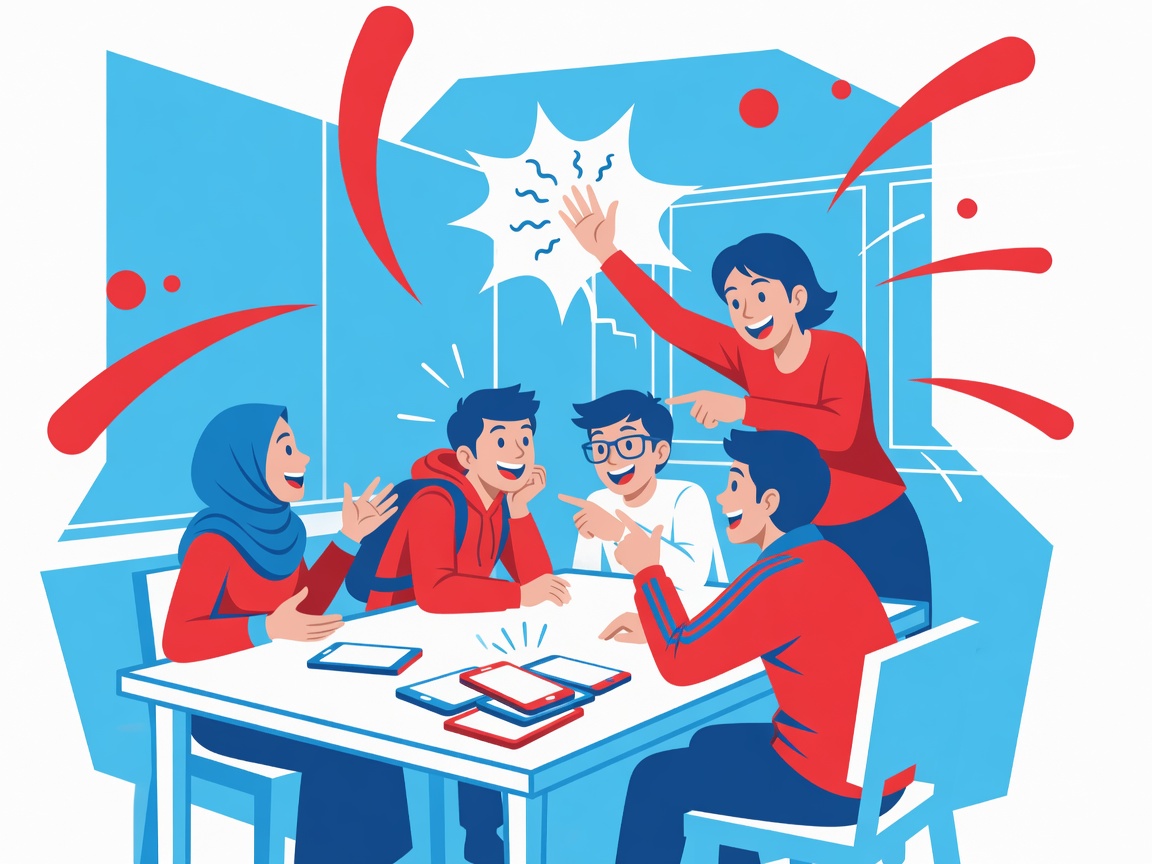
Walk into any school cafeteria in America, and you'll see it: rows of students, heads down, thumbs scrolling, completely alone together. But here's something remarkable happening in the schools that have gone phone-free during lunch. Put the devices away, and the room comes alive. Students talk. They laugh. They make eye contact. Educators who've seen it describe it the same way — like the room "turned back time."
That image tells you everything you need to know about the phone-based world and what it's doing to this generation.
This isn't a lecture about banning phones. It's about something more important: understanding what's actually happening to kids, and what we can do to help them fight back.
The Problem Isn't the Phone. It's the Missing Skills.
Let's be direct. Smartphones aren't going away, and most students already have one. The question isn't whether your students will face the challenges of the phone-based world — they already are. The question is whether you've given them the skills to handle it.
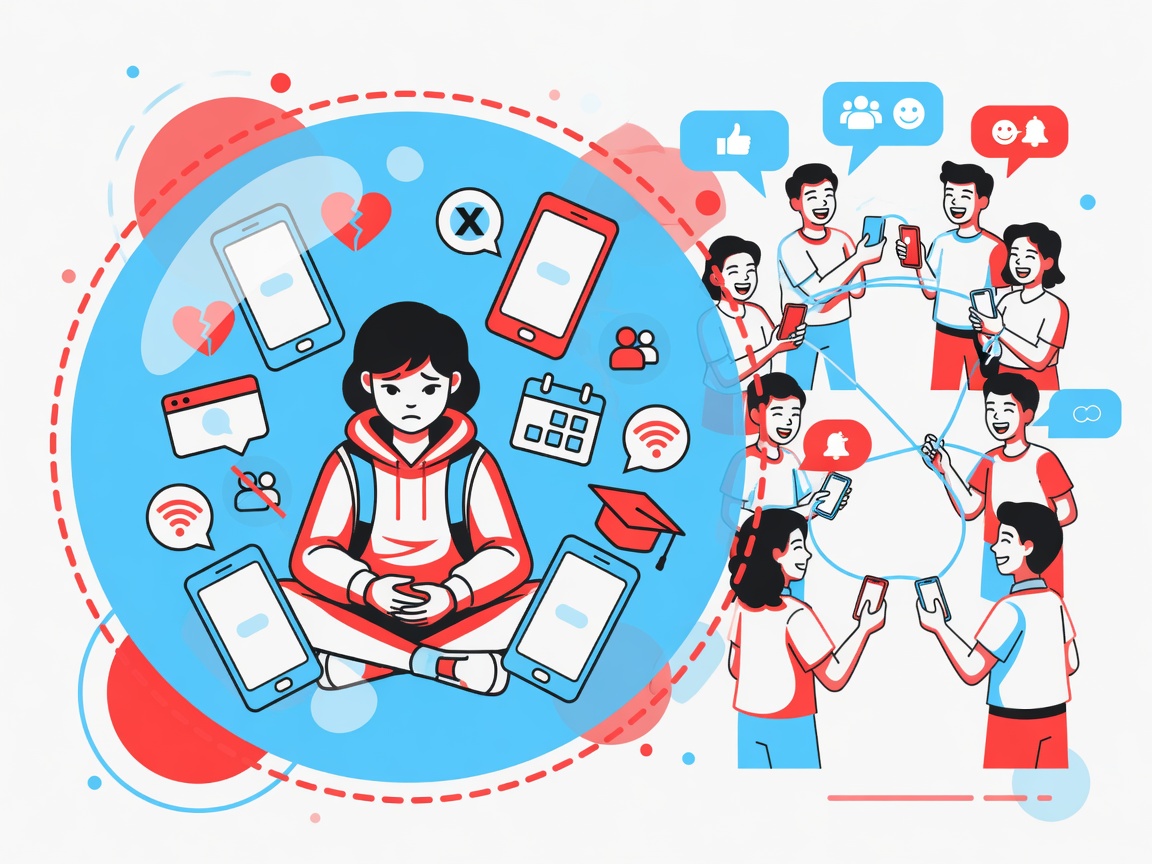
The phone-based world has created four documented roadblocks that directly undermine the skills students need to thrive:
Less face-to-face interaction, which stunts the development of people skills — the ability to connect, communicate, and build real relationships
Constant distraction, making it harder to set goals and actually accomplish them
Disrupted sleep, driven by blue light that suppresses melatonin and tricks the brain into thinking it's still daytime
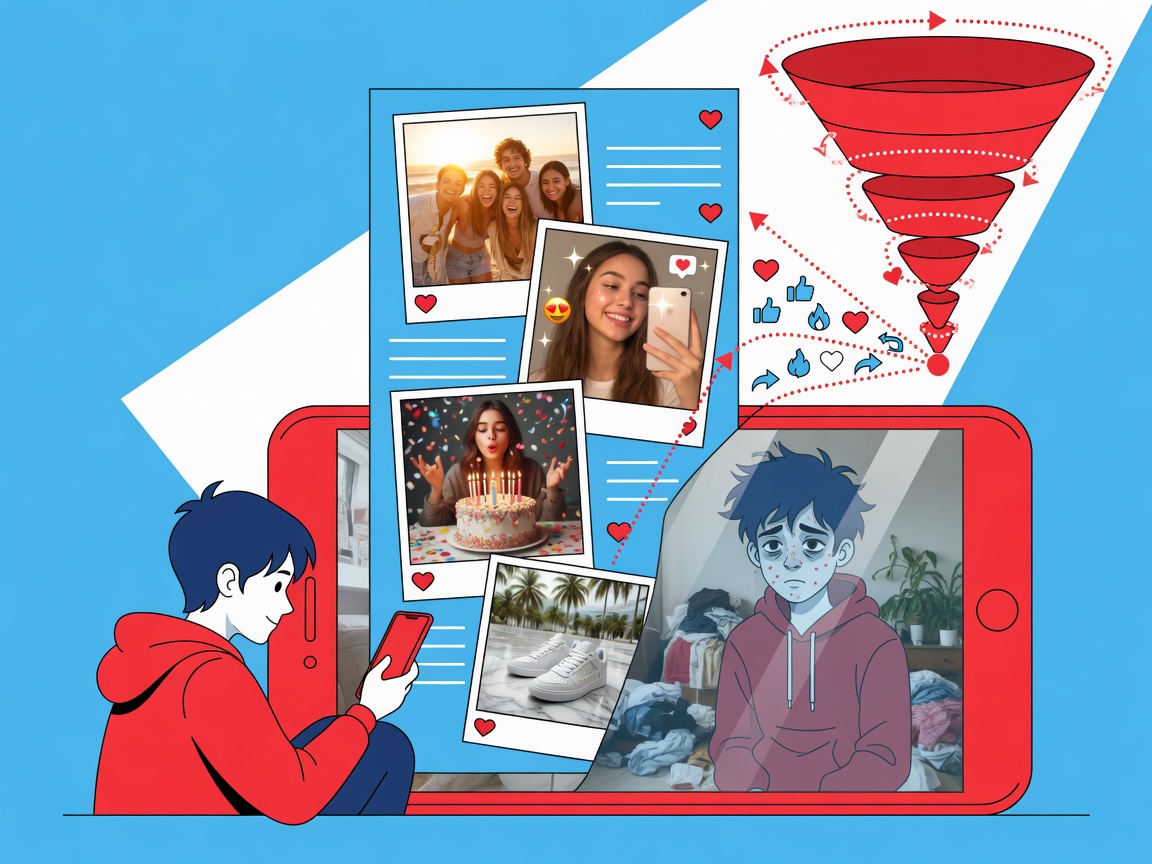
Social comparison and isolation, as students measure their real lives against curated highlight reels of everyone else's
A 2026 study analyzing data from more than 50,000 American children found that four or more hours of daily screen time is associated with a 61% higher risk of depression and a 45% higher risk of anxiety in young people.
That's not a scare tactic. That's the reality your students are navigating every day.
Their Biochemistry Has Been Hacked
Here's something most schools don't talk about — and it's the piece that changes everything once students understand it.
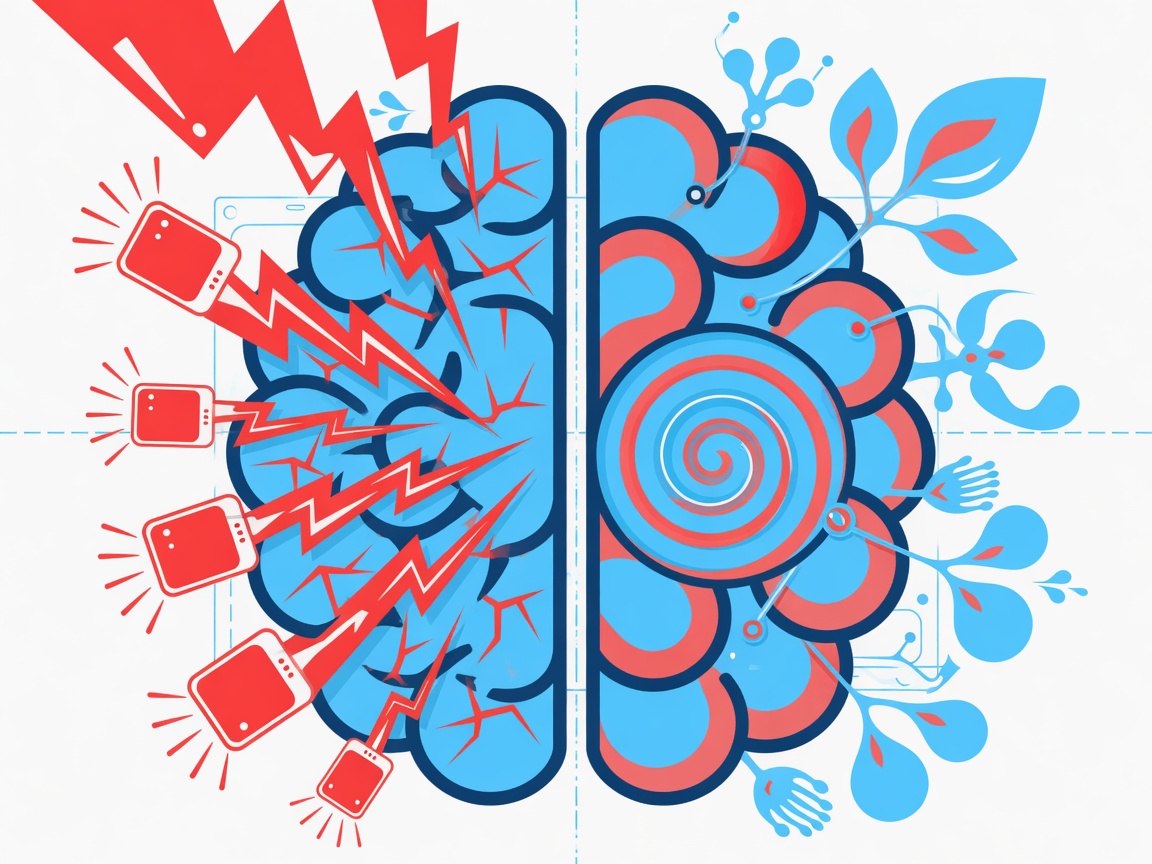
Our bodies are wired for connection, accomplishment, and movement. When we do hard things and succeed, we release dopamine. When we connect with others, we release oxytocin. When we exercise and spend time outdoors, we get serotonin and endorphins. These four chemicals — the D.O.S.E. — are how we're built to feel good.
The phone hijacks this system.
Scrolling social media triggers a dopamine release — but in doses so high that students crash and need more to feel the same effect. Meanwhile, the constant pressure of social media, cyberbullying, and algorithm-driven content leads to excess cortisol: the stress hormone. The result is a generation that feels anxious and exhausted without quite understanding why.
Students are in a battle for their minds and attention. Most of them don't even know the battle is happening.
That's where we have to start.
What's Actually Working Against Them
When we go into schools, we have three specific conversations with students about their phones. Not to frighten them — but to help them see what's actually going on.
Social media shows snippets, not stories. Students spend hours watching what looks like everyone else's perfect life. Vacations. Parties. Success. What they're seeing is a curated highlight reel — and even the people posting it are watching everyone else's highlight reels and feeling the same way. Filters, angles, and editing are part of every platform. The fear of missing out is built into the design.
The algorithm is coming for them. Social media platforms are built by well-funded companies with one goal: keep you on the platform longer. Infinite scrolling. Autoplay. Content tailored to what already triggers you. There is no "stop now" button. Watching one video about weight loss can lead a student down a path of relentless dieting content. That's not an accident. It's the product.
The phone is eating people skills. In schools with full-day phone bans, educators report students actively commenting that they like it — that they didn't realize how much more they could connect with their classmates. Students aren't oblivious to what's happening. They're untaught.
In fact, when we ask students which of the 26 Boost Skills they most want to work on, phone control is the #1 answer — chosen by 70% of students. They know something is wrong. They just don't have a framework for fixing it.

The Shift: Life Is Skill-Based
Here's what the schools that get results understand: the phone isn't the enemy. The missing skill is.
Teaching students that they can choose to control their phone — rather than be controlled by it — is a learnable skill. Same as learning to manage their emotions, or listen without interrupting, or bounce back from failure. These aren't character traits you're born with or without. They are skills. And skills can be taught.
That's the core idea behind everything we do at Boost: life is skill-based. The most important thing we can tell a young person is that the things standing between them and the life they want aren't fixed obstacles — they're skills gaps. And skills gaps can be closed.
When students understand that, everything changes. They stop seeing themselves as broken and start seeing themselves as untaught. That distinction matters more than most people realize.
What Schools Can Do Right Now
You don't need to overhaul your curriculum to make a dent in this. A few practical starting points:
Name what's happening. Don't just tell students phones are bad. Teach them about dopamine loops, algorithm design, and social comparison. When students understand the mechanism, they feel less crazy — and more capable of doing something about it.
Create phone-free moments. Even one class period or lunch period can show students what's possible. Give them the experience first, then name it. Let them feel the difference.
Teach the skill of overcoming distraction explicitly. Goal-setting, focus, and managing interruption are skills. Include them in what your school teaches — not as an afterthought, but as a priority.
Treat it as a mindset issue, not a discipline issue. "Put your phone away" is a rule. "Here's what your phone is doing to your brain and how you can fight back" is a lesson. One creates compliance. The other creates agency.
Frequently Asked Questions
Isn't phone addiction a mental health issue, not a school issue?
These two things aren't separate. Many of the challenges being labeled as mental health issues — anxiety, disconnection, inability to focus — are, at least in part, untrained skills under pressure. Schools are the right place to teach them.
Our students already know phones are a problem. Does it help to keep talking about it?
Knowing something and having the skills to act on it are two different things. The goal isn't awareness — it's capability. Students who rate phone control as their #1 skill to develop aren't unaware. They need tools, not warnings.
We don't have room in the schedule for another program.
Boost is a dedicated course — 8 weeks, 1.5 hours per week — that fits within an existing class period. It doesn't require new systems, software, or extensive teacher training.
What does "winning" against your phone actually look like?
It looks like a student who can set a goal and not check their phone until it's done. Who can sit through a conversation without glancing at a screen. Who can scroll social media without spiraling. Those are learnable skills — and students who have them have a meaningful advantage over those who don't.
The students in your school didn't create the phone-based world. But they're living in it. The least we can do is teach them how to win.
Boost it up. You got this.
The Boost Program delivers a structured 8-week life-skills curriculum in schools. To learn more or schedule a discovery call, visit boostprogram.com