The Four-Letter Test Every Administrator Should Run Before Buying a Soft Skills Program
- A landmark meta-analysis of 213 school-based SEL programs covering K-12 students, published by Joseph Durlak and colleagues in Child Development, found real gains — an 11-percentile-point boost in academic achievement — but only under specific design conditions, not automatically.
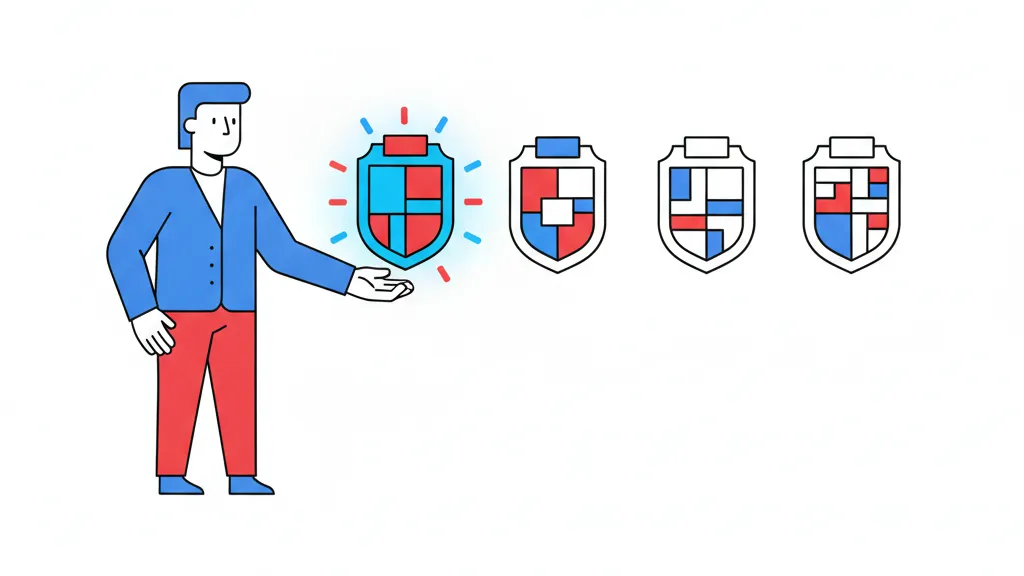
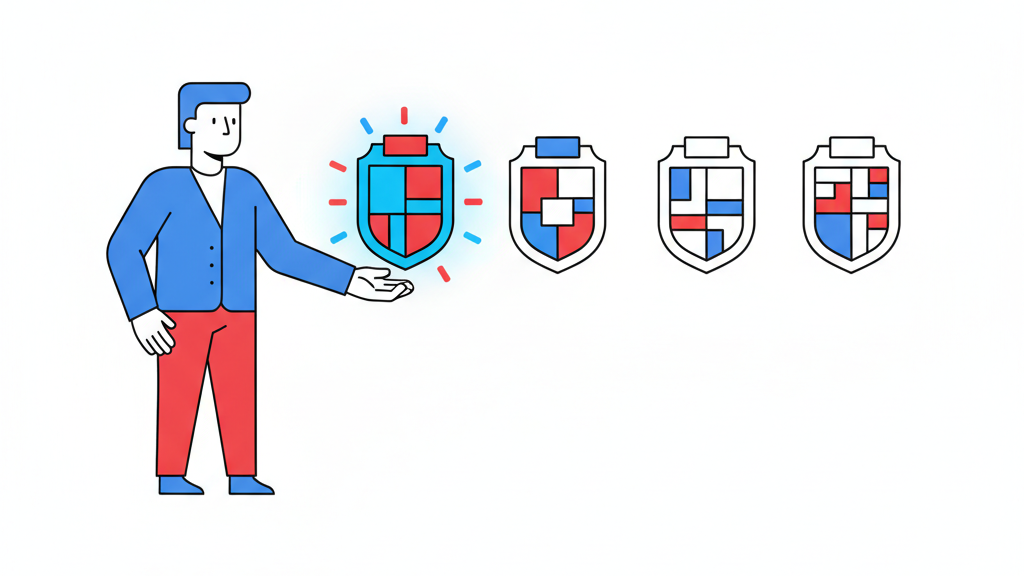
- The researchers behind that review identified four design features, now widely known in the field as SAFE (Sequenced, Active, Focused, Explicit), that consistently separated programs that produced results from programs that didn't.
- Vendor pitches that lean on words like "comprehensive," "holistic," and "flexible integration" often translate, in SAFE terms, into a program that fails the Focused and Explicit tests.
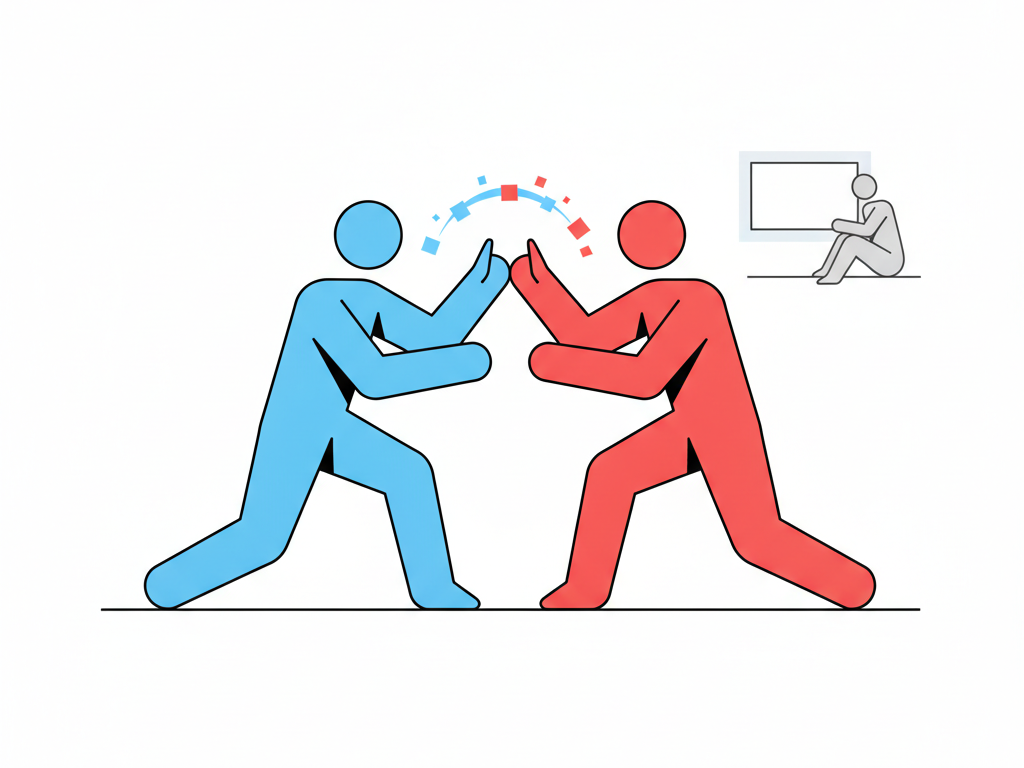
- A program can have excellent content and still fail if it's delivered passively — through assemblies, videos, or discussion — because SAFE's Active criterion requires students to actually rehearse the skill, not just hear about it.
- Boost's 8-week, 26-skill curriculum was structured against all four SAFE criteria from the start — a sequenced skill progression, active paired practice, one focused course rather than an add-on, and individually named, explicitly taught skills.
Most administrators evaluating a soft skills program are handed the same packet: glossy slides, a testimonial quote, a list of the "pillars" the curriculum touches — communication, resilience, leadership, growth mindset, sometimes a dozen more. It all sounds reasonable. Almost none of it tells you whether the program will actually change what a student can do. That question has an answer, and it isn't a vendor's brand promise. It comes from one of the largest bodies of research ever assembled on what makes a school-based skills program work, and it boils down to a four-letter checklist most purchasing conversations never mention.
In 2011, researcher Joseph Durlak and a team of colleagues published a meta-analysis in Child Development that pulled together 213 school-based social and emotional learning programs, spanning elementary through high school. The results were genuinely encouraging for the field — SEL programs, on average, produced meaningfully better student skills, behavior, attitudes, and academic performance than standard schooling alone. But buried inside that average was a second finding that matters more for anyone about to sign a contract: not every program worked, and the ones that did shared four specific design features in common.
A Meta-Analysis of 213 Programs Found the Same Four Ingredients Every Time
Across those 213 studies, students in SEL programs showed, on a value-added basis compared to peers who just received standard school services, roughly 57 percentage points more improvement in skills, about 24 percentage points more improvement in social behavior and emotional distress, and around 23 percentage points more improvement in attitudes toward self and school — plus the 11-percentile academic gain (see the CASEL summary of the Durlak et al. findings). Those are the headline numbers most SEL advocacy leans on. What gets skipped over is that the researchers weren't just averaging every program together and calling it a win. They dug into why some programs produced those gains and others didn't, and landed on a set of design features that became known across the field as SAFE.
What SAFE Actually Means, Translated Out of Research Language
SAFE stands for Sequenced, Active, Focused, and Explicit, and each word describes a specific, checkable feature of a curriculum — not a vibe.
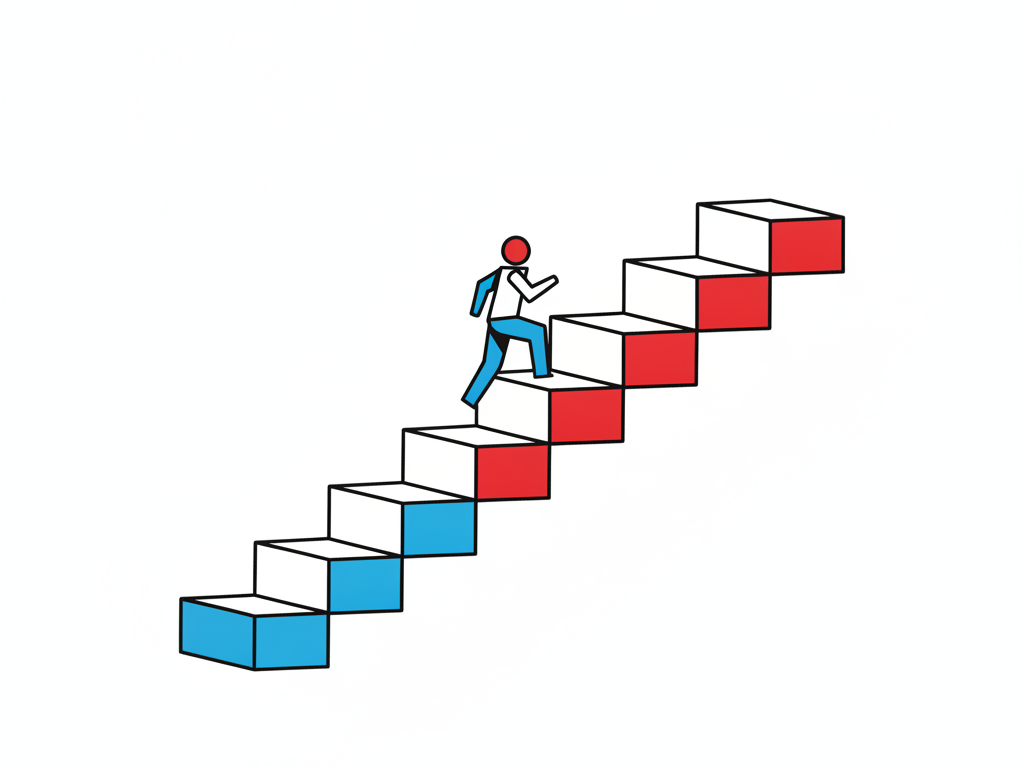
Sequenced means the program uses a connected, step-by-step set of activities to build toward a skill, rather than a single one-off lesson or a random grab bag of unrelated topics. Active means students practice the skill through active forms of learning — role-play, rehearsal, structured practice with feedback — rather than sitting through lecture, video, or discussion alone. Focused means the program dedicates real, protected time specifically to building personal or social skills, rather than hoping those skills get absorbed as a side effect of something else. Explicit means the program names the exact skill it's targeting — active listening, decision-making under pressure, initiating a hard conversation — instead of aiming vaguely at "confidence" or "character" in general terms.
None of those four are exotic. What's notable is how rarely a program a school gets pitched actually clears all four at once, and how easy it is for a polished sales deck to sound like it does without the curriculum underneath actually delivering it.
The Marketing Words That Should Make You Ask More Questions
There's a pattern in how programs that struggle with Focused and Explicit tend to describe themselves. Words like "comprehensive," "holistic," "whole-child," and "flexible integration" sound like strengths in a sales conversation. Translated into SAFE terms, they're often a tell. A program that touches leadership, empathy, growth mindset, digital citizenship, financial literacy, and mental wellness inside a 30-minute monthly advisory block isn't comprehensive — it's unfocused, and it likely can't name, with any precision, which specific skill a student is supposed to walk away being able to do after any given session.
That's not an argument against breadth in the abstract. It's an argument for asking a program to show its work. A genuinely well-designed curriculum can cover multiple skill areas and still be Focused and Explicit within each unit, because it treats each skill as its own dedicated block of sequenced, active practice rather than a passing mention inside a broader theme.
Passive Doesn't Fail Because It's Boring — It Fails Because Nothing Gets Rehearsed
The Active criterion is the one most often quietly skipped, because passive delivery is cheaper and easier to schedule. An assembly, a video series, a set of discussion prompts for homeroom — all of these can carry genuinely good content and still fail the Active test, because the student never actually rehearses the skill under any kind of feedback loop. Watching a video about handling conflict and actually practicing a structured conflict conversation with a partner who pushes back are not the same intervention, even when the underlying material is identical. The research consistently favors the second version, because skill, unlike information, isn't something a student can absorb by watching someone else do it.
This is also where a lot of well-intentioned programs quietly become theater. A moving guest speaker or a well-produced video can generate real emotional response in the room — genuine nodding, genuine reflection — without ever asking a student to do the thing the speaker described. That emotional response is easy to mistake for progress. It isn't the same as rehearsal, and it doesn't show up the same way six weeks later in a hallway conflict or a job interview.
The Four Questions to Ask Before You Sign
A school doesn't need a research background to apply SAFE during a vendor conversation. Four direct questions do most of the work:
- Can you show me the sequence? Ask for a week-by-week or unit-by-unit map showing how one skill builds on the last, not just a list of topics covered somewhere across the year.
- Can I sit in on an actual session, not a demo reel? A polished highlight video shows you what the vendor wants you to see. A real session shows you whether students are rehearsing the skill or listening to someone talk about it.
- What is the specific skill being taught this week, in one sentence? If the honest answer is something like "building confidence" or "positive mindset," that's a Focused and Explicit problem, not a phrasing issue.
- How much of the program time is a protected, dedicated block versus folded into something else? A skill squeezed into the last five minutes of an already-packed advisory period rarely survives contact with a busy school year.
How Boost Was Built Against SAFE From the Start
This framework is also how Boost's own curriculum gets designed and reviewed internally, not just how we'd recommend evaluating someone else's program. The 8-week course is built around 26 specific Boost Skills across three pillars — People Skills, Character, and Healthy Mindset — and each skill is sequenced deliberately, starting with lower-stakes practice and building toward higher-stakes application as the weeks progress. Every session is Active by design: students pair off and rehearse the skill directly, with a certified coach resetting the pair when the practice misses the mark, rather than watching a lesson about the skill and moving on. The course is Focused — it's a dedicated class period, not an add-on folded into an existing subject — and Explicit, because every unit names the exact skill being taught, from active listening to decision-making under pressure, rather than aiming at a general trait like "confidence" or "resilience."
That structure is also why we lean on the 14–24 brain window as a design principle — the stretch of adolescent development when the brain is unusually responsive to this kind of deliberate skill installation. In our own roughly 30-student, 8-week pilot cohort, 87% of students could clearly articulate that life is skill-based by the end of the program, up from a small handful at the start — a shift we'd expect to see follow real sequenced, active, focused, explicit practice, not a slogan repeated at an assembly.
The Takeaway
The research on what makes a school-based skills program actually work isn't a mystery, and it isn't new — it's been sitting in a 213-study meta-analysis since 2011. Programs that are Sequenced, Active, Focused, and Explicit produce real, measurable gains. Programs that skip one or more of those four, no matter how good the marketing or how moving the assembly, tend not to. Before an administrator signs a contract, the packet is worth less than four direct questions and, ideally, a seat in the back of an actual session to watch whether students are rehearsing a named skill or just listening to someone talk about one.
Frequently Asked Questions
What Does SAFE Mean in Social-Emotional Learning Research?
SAFE stands for Sequenced, Active, Focused, and Explicit — four design features identified in Durlak et al.'s 2011 meta-analysis of 213 school-based SEL programs that consistently separated programs producing measurable student gains from programs that didn't.
Does a Longer or More Expensive Program Automatically Meet the SAFE Standard?
No. Program length and cost are not part of the SAFE criteria. A short, well-sequenced program with genuine active practice can outperform a longer, more expensive one that's delivered passively or spread too thin across too many themes to be Focused or Explicit.
What Questions Should a School Ask a Soft Skills Vendor Before Signing a Contract?
At minimum: whether they can show a week-by-week skill sequence, whether the school can observe a live session rather than a highlight video, what specific skill is being taught in a given week, and how much class time is protected and dedicated to the program versus folded into an existing subject.
Why Do "Comprehensive" or "Whole-Child" Programs Sometimes Underperform?
Programs that market themselves as covering many themes at once can end up failing the Focused and Explicit criteria — spreading limited time across too many topics to build real, rehearsed skill in any one of them, even when the underlying content is well-intentioned.
Is Boost's Curriculum Aligned With the SAFE Framework?
Yes. Boost's 8-week, 26-skill curriculum is sequenced from lower- to higher-stakes practice, delivered through active paired rehearsal rather than passive instruction, taught as a dedicated focused course, and built around explicitly named individual skills rather than general traits.