Skills, Not Symptoms: Supporting Student Well-Being Without Turning Teachers Into Counselors
- The national average is 372 students per school counselor in 2024 to 25, against ASCA's recommendation of 250 to 1, and only four states reported ratios within it.
- In 2023, 40% of high school students reported persistent feelings of sadness or hopelessness, according to the CDC's Youth Risk Behavior Survey.
- Tiered supports give schools a clear line: skills instruction is a universal, prevention-level layer, and clinical care belongs to trained professionals.
- Teachers can teach practical skills that support everyday well-being without being asked to act as counselors.
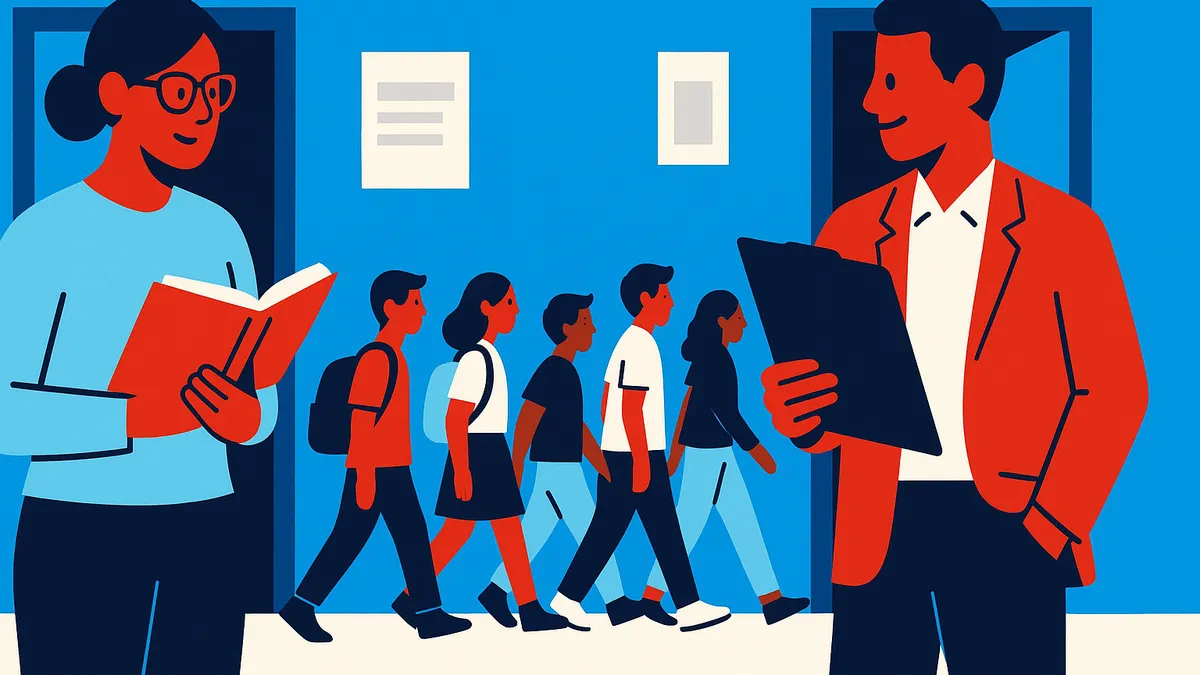
Picture a ninth-grade teacher at 7:40 a.m., standing between a student who has not slept and a lesson plan on photosynthesis. She is not a counselor, and the counselor down the hall has 372 students on a caseload. Nobody planned it this way, but she is the adult in the room. This piece is about soft skills and student well-being, and about a role teachers can fill without crossing a line they were never trained for. By soft skills we mean practical, teachable behaviors such as listening, managing emotions, and asking for help.
The Staffing Reality: Why Teachers Keep Getting Pulled Into the Gap
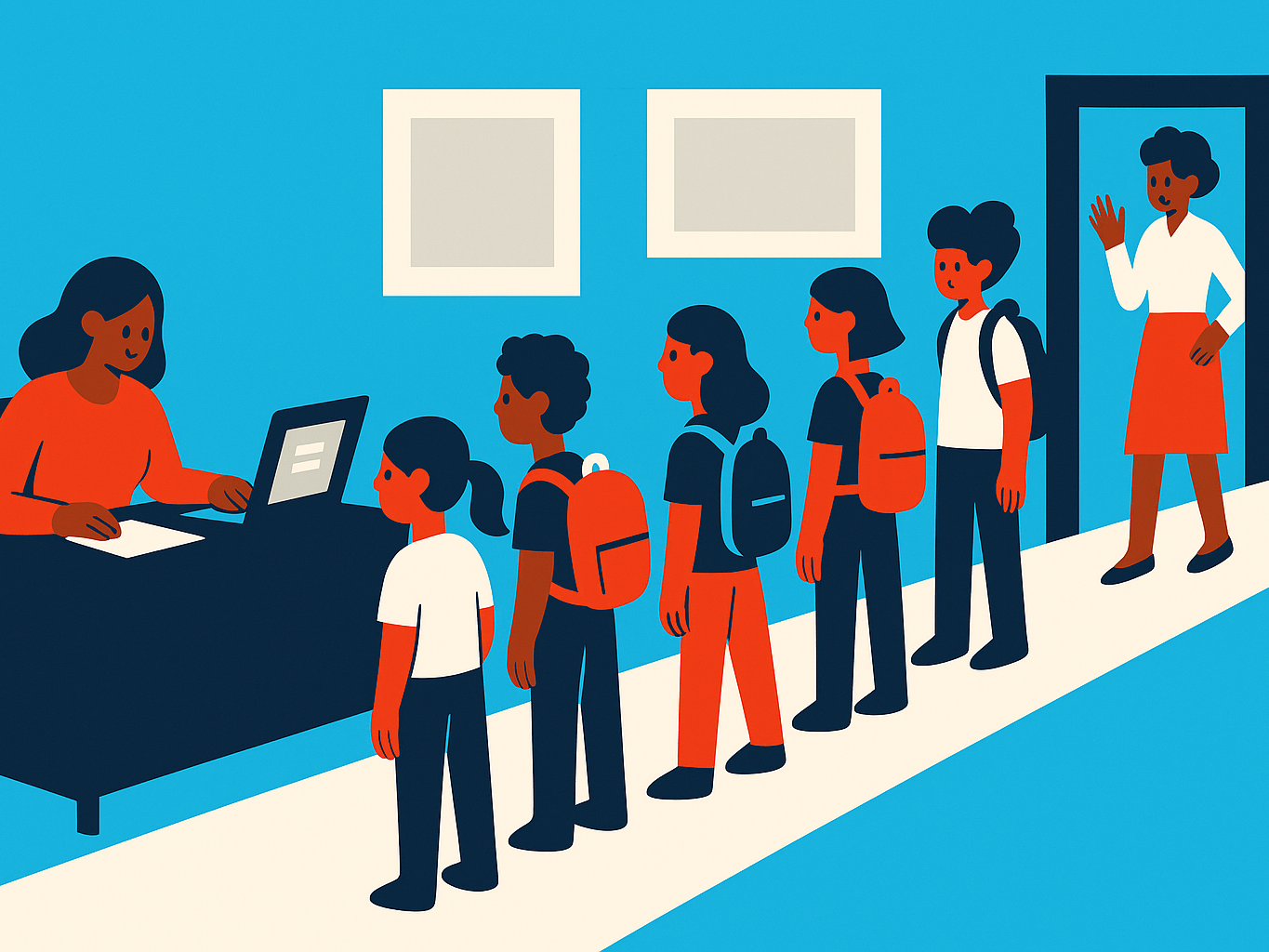
Teachers are pulled into well-being work because the professionals who would normally carry it are stretched thin. The American School Counselor Association recommends a ratio of 250 students per counselor, but "the national average is actually 372-to-1 for the 2024-2025 school year," and only Colorado, Hawaii, New Hampshire, and Vermont reported ratios within the recommendation (ASCA).
The need on the other side of that ratio is real. In the CDC's 2023 Youth Risk Behavior Survey, 40% of high school students reported persistent feelings of sadness or hopelessness, down from 42% in 2021 (CDC). That is an improvement, and it is still two in five students.
History teacher Genevieve Bassett described what this does to adults in a building: "Every adult in the building has acted as a mental health provider, whether we have performed it well, or willingly, or not" (Edutopia). Our post on resilience skills without calling it therapy covers the same tension from the classroom side.
Skills Versus Clinical Care: Where the Line Sits
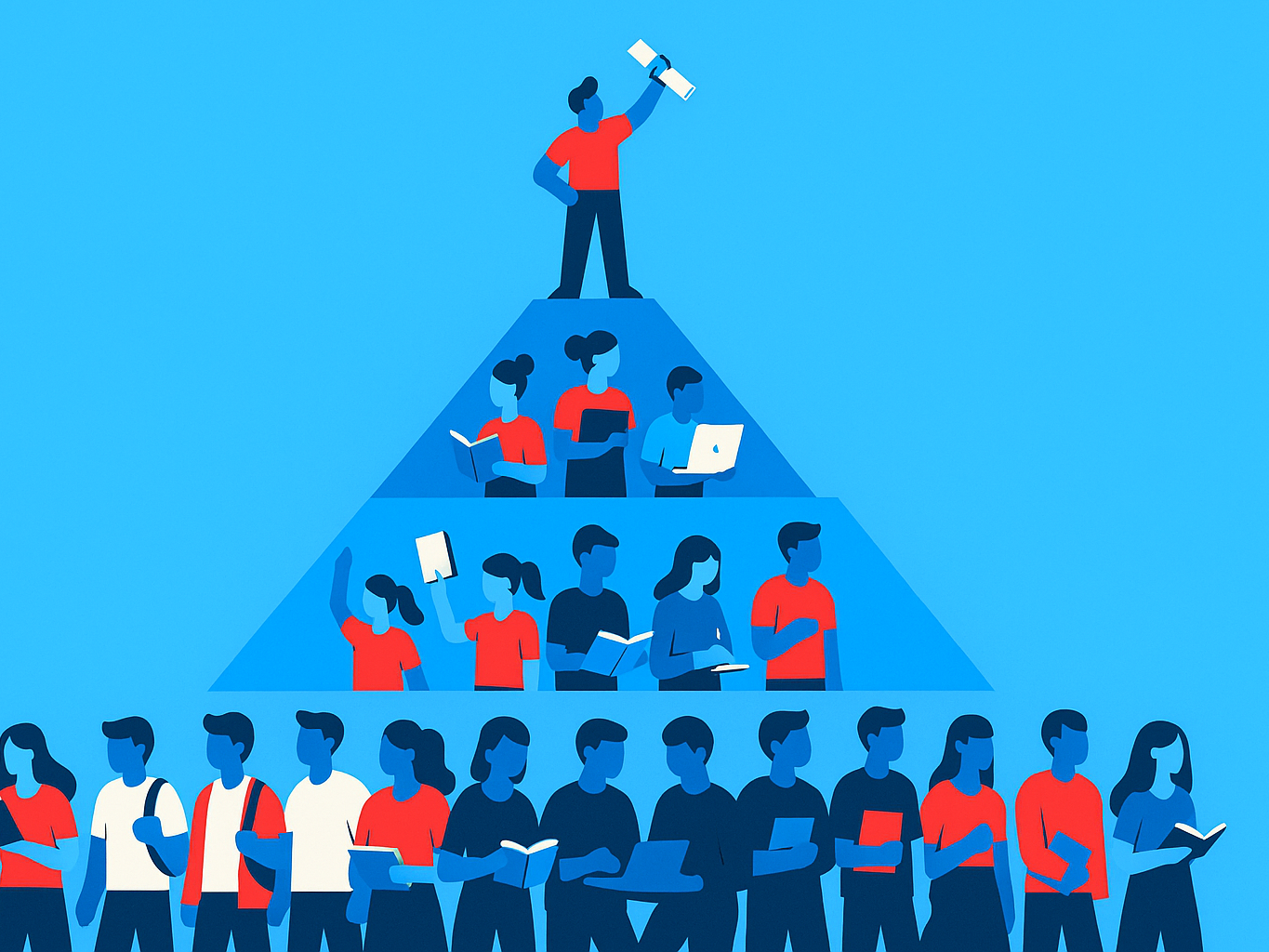
The line is simple to state: skills instruction teaches everyone, and clinical care treats individuals with identified needs. The Multi-Tiered System of Supports framework makes the same distinction. Tier 1 is universal, with "social and emotional learning (SEL) and trauma-sensitive school programs and practices implemented in the classroom and through schoolwide policies and practices." Tier 2 is targeted support for students with low to moderate challenges, and Tier 3 is "individualized mental health interventions for students with high mental health needs including diagnosed mental health disorders" (IES, Regional Educational Laboratory Northeast and Islands).
Teachers belong in Tier 1, and some of the people who know their work best say so plainly. High school English teacher Ellen Dahlke put it this way: "Having hours with a good teacher every week is not the same thing as having an hour with a good therapist. We meet different needs" (Edutopia). The same article argues that teachers should stay focused on academic success, which is "intertwined with emotional and psychological wellbeing, but should not be subsumed by it."
Boost sits in the first tier and nowhere else. Boost Certified Coaches are not therapists or mental-health professionals. They teach practical life skills focused on people skills, character, mindset, and personal development [Internal: Boost Messaging and Copy Bank].
Skills That Support Everyday Student Well-Being
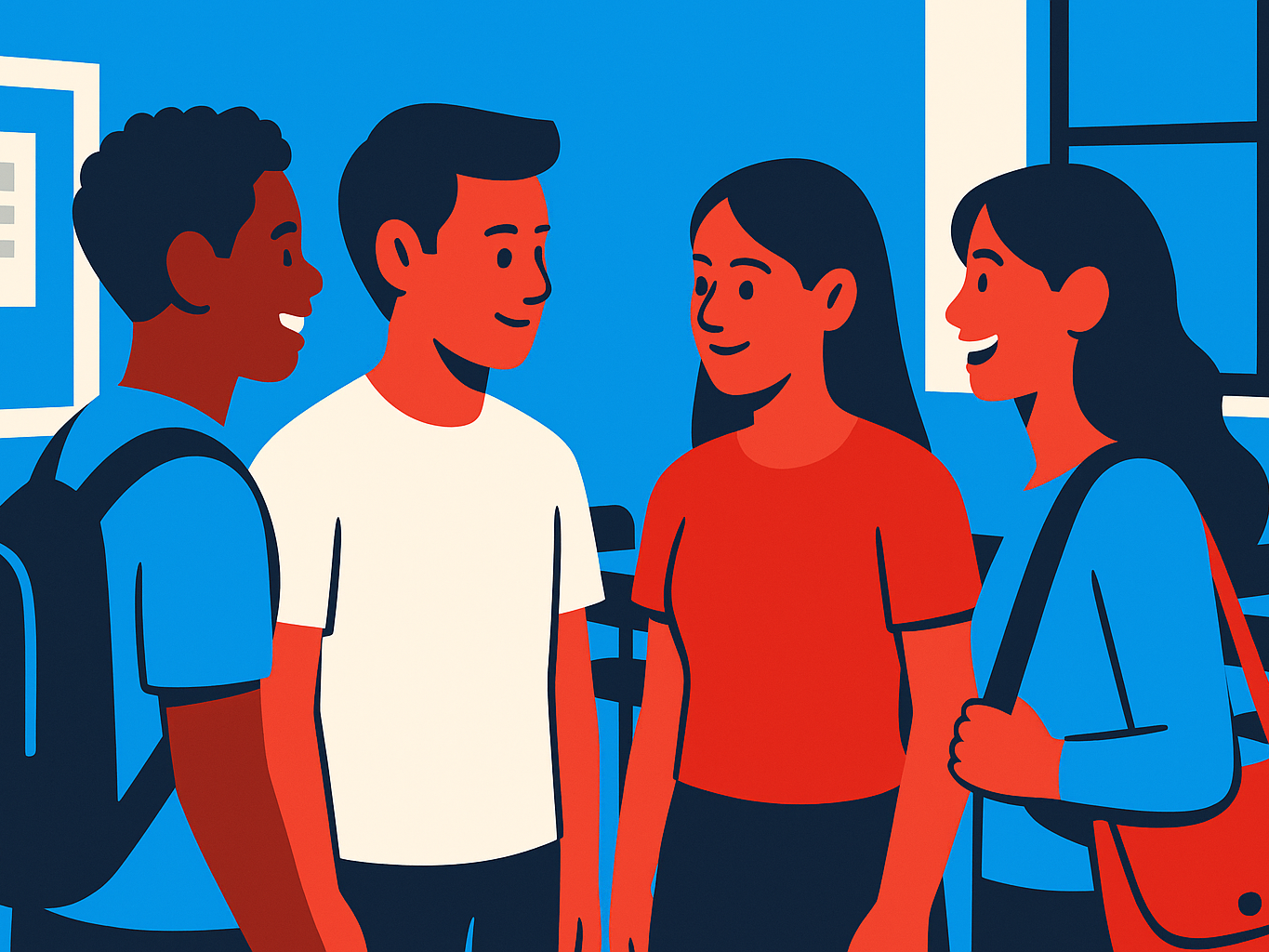
The skills that support everyday well-being are the ones students use dozens of times a day: connecting with people, managing a reaction, setting a goal, and handling a setback. The CDC notes that "when young people feel connected at school, they are less likely to experience poor mental health, suicidal thoughts and behaviors, substance use, violence, and sexual risk behaviors" (CDC). That is a finding about connection, not about any one program. Still, it points to why we start with People Skills such as listening, eye contact, using names, and greetings [Internal: Boost Brand Bible v2].
The Healthy Mindset pillar covers the next layer: growth versus fixed mindset, goal setting, self-control, positive self-talk, healthy habits, and a personal phone-control plan [Internal: Boost Brand Bible v2]. In weeks 6 and 7 students learn practical tools such as reframing thoughts, gratitude, and calming techniques like breathing and exercise [Internal: Boost Brand Bible v2]. These are everyday skills, taught in a group, not treatment.
The research paper behind our curriculum notes that Boost treats mindset skills proactively: "rather than waiting until a student is in crisis," it teaches them as tools students can learn early [Internal: Boost Program Research Paper]. We have also written about the D.O.S.E. framework, which explains why habits like movement and connection change how students feel.
How to Describe This to Staff and Parents, and When to Refer
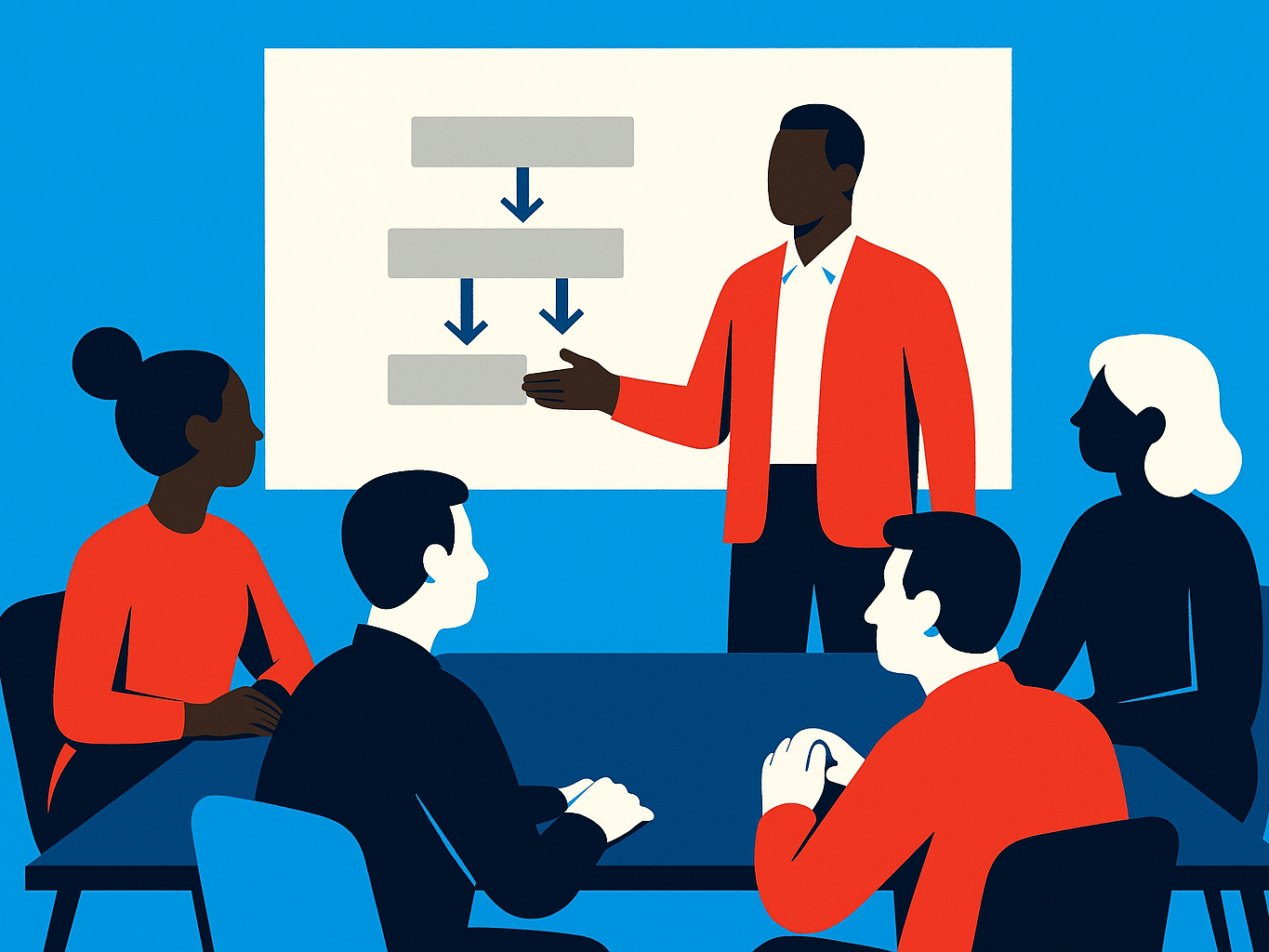
Describe it in one sentence: we are teaching practical skills to all students, and students who need more than that are referred to the professionals who can help. Say what it is, say what it is not, and say it the same way to everyone. For staff, add that the course asks them to teach behaviors, not to diagnose or counsel. For parents, a short note before the course starts works best, with the same wording you use in the staff meeting.
Referral needs to be written down before the first session. Decide who a teacher or instructor tells when a student seems to need more than skills, and make sure they know how to reach that person the same day. Use your own counselors, social workers, and psychologists, or your community partners. As Edutopia's reporting puts it, schools need "counselors, social workers, psychologists, and other experts either on site, or in close partnership with local community resources" (Edutopia). We do not give clinical guidance, and your referral policy should come from your own professionals.
Staff preparation matters here too. Our guide to the professional development administrators need covers what to include in the training before a program starts.
How Boost Fits as a Prevention Layer
Boost fits as a universal, skills-based layer that sits alongside your counselors and supports instead of replacing them. It is an 8-week curriculum teaching 26 Boost Skills across three pillars: People Skills, Character, and Healthy Mindset, and it is delivered by certified Boost coaches or trained staff [Internal: Boost Bible]. Each session combines a lesson with practice and discussion, so teachers are teaching behaviors students can rehearse.
We built it on the belief that life is skill-based. Many everyday struggles are untrained skills under pressure, and a student who has never been taught how to calm down, start a conversation, or recover from a mistake is untaught, not broken [Internal: Boost Brand Bible v2]. That framing does not remove the need for clinical care. It means counselors can spend more of their time on the students who need them most.
Boost has no independent outcome data. Our pilot of about 30 students was small and self-reported, and we use it as a signal, not proof [Internal: Boost Brand Bible v2]. If you are thinking about a prevention layer for your building, you can schedule a discovery call and we will walk through how it fits with your existing supports.
Frequently Asked Questions
What Is the Line Between Skills Instruction and Counseling?
Skills instruction teaches all students practical behaviors, while counseling treats individuals with identified needs. In tiered-support terms, skills instruction is Tier 1 and individualized mental health interventions are Tier 3.
Which Skills Support Well-Being in Daily School Life?
Connection skills such as listening and greetings, mindset skills such as goal setting and reframing, and habits such as managing phone use all help. They are taught as everyday behaviors, not treatment.
How Do We Make This Clear to Staff and Parents?
Say what the program is, what it is not, and who handles students who need more. Use the same one-sentence description with both groups and put your referral process in writing first.
Is Boost a Replacement for School Counselors?
No. Boost Certified Coaches are not therapists or mental-health professionals, and the curriculum is a universal skills layer that works alongside counselors.
References
- ASCA: School Counselor Roles and Ratios
- CDC: 2023 Youth Risk Behavior Survey Results
- Edutopia: What's the Role of Teachers in Supporting Student Mental Health?
- IES REL Northeast and Islands: Multi-Tiered Systems of Support and the Importance of Promoting Student Well-Being
- 5 Ways to Help Students Build Resilience (Without Calling It Therapy)
- The D.O.S.E. Framework: What Every School Should Know About Student Brain Chemistry
- The Professional Development Administrators Actually Need to Support a Soft Skills Program
Ready to bring Boost to your school?
Schedule a discovery call to see how the Boost curriculum fits your students.
Schedule a Discovery Call