Soft Skills for Students: Why the Term Means Something Different Than It Did Ten Years Ago
- The term "soft skills" has expanded significantly over the past decade beyond its original, narrower meaning.
- Workplace changes and adolescent brain-development research have both contributed to this broader redefinition.
- The term now often includes self-management, adaptability, and resilience, not just interpersonal politeness.
- This shift changes what schools should actually be teaching under the "soft skills" label.
- Boost deliberately uses "soft skills" as an accessible bridge term, then pivots to its own specific, named framework.
'Soft Skills' Used to Mean Something Much Smaller
A decade or more ago, "soft skills" often meant little more than basic workplace politeness: showing up on time, being courteous, dressing appropriately. It was a relatively narrow, almost etiquette-focused term, distinct from the "hard skills" of technical competence.
How the Term Has Expanded Over the Last Decade
The definition has broadened considerably. It now regularly includes self-management, emotional regulation, adaptability, resilience, and critical thinking, categories that go well beyond simple workplace etiquette and into territory that overlaps significantly with what SEL and character education programs cover.
What's Driving the Shift: Workplace Change and Brain Science
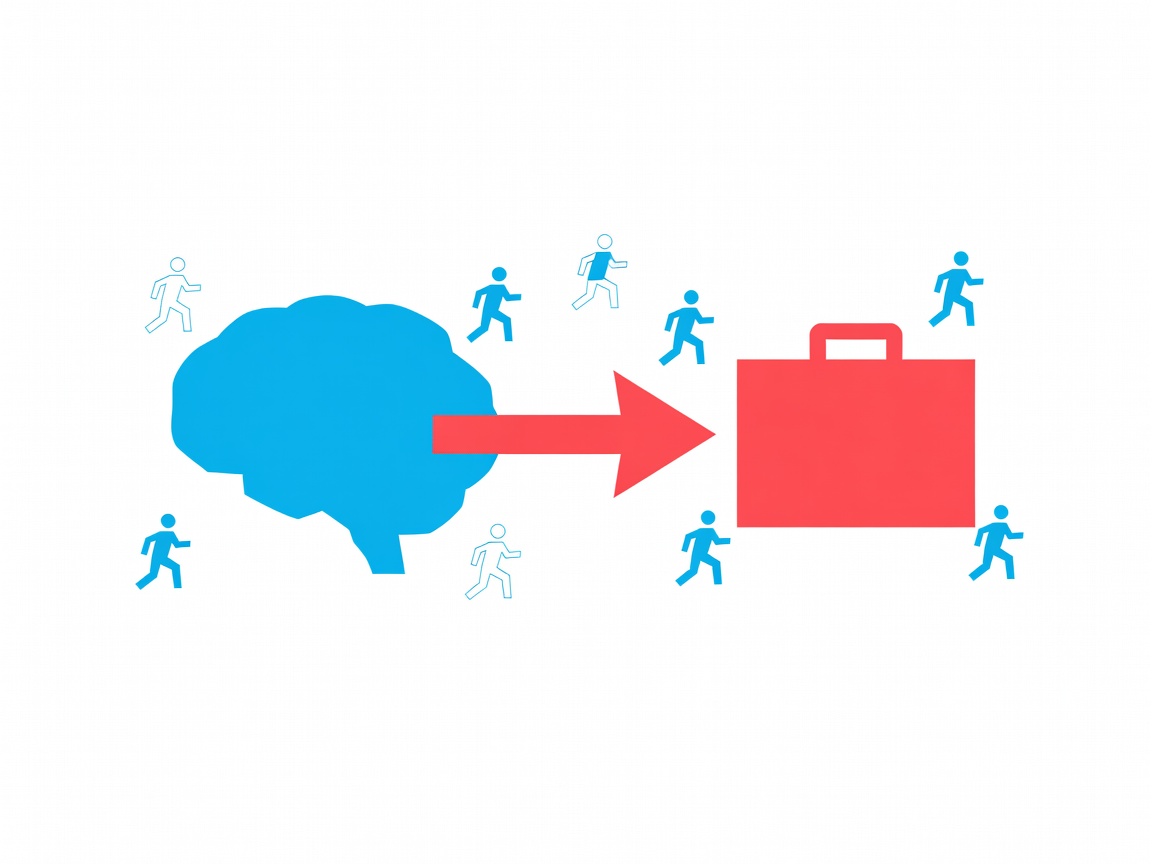
Two forces pushed this expansion. First, workplace demands shifted as automation and changing job structures put a premium on adaptability and judgment rather than rote compliance. Second, adolescent brain-development research clarified just how much identity, habit, and skill formation is still actively happening during the high school years, a window many soft-skills programs weren't originally designed to address.
How Boost Reflects This Broader Definition
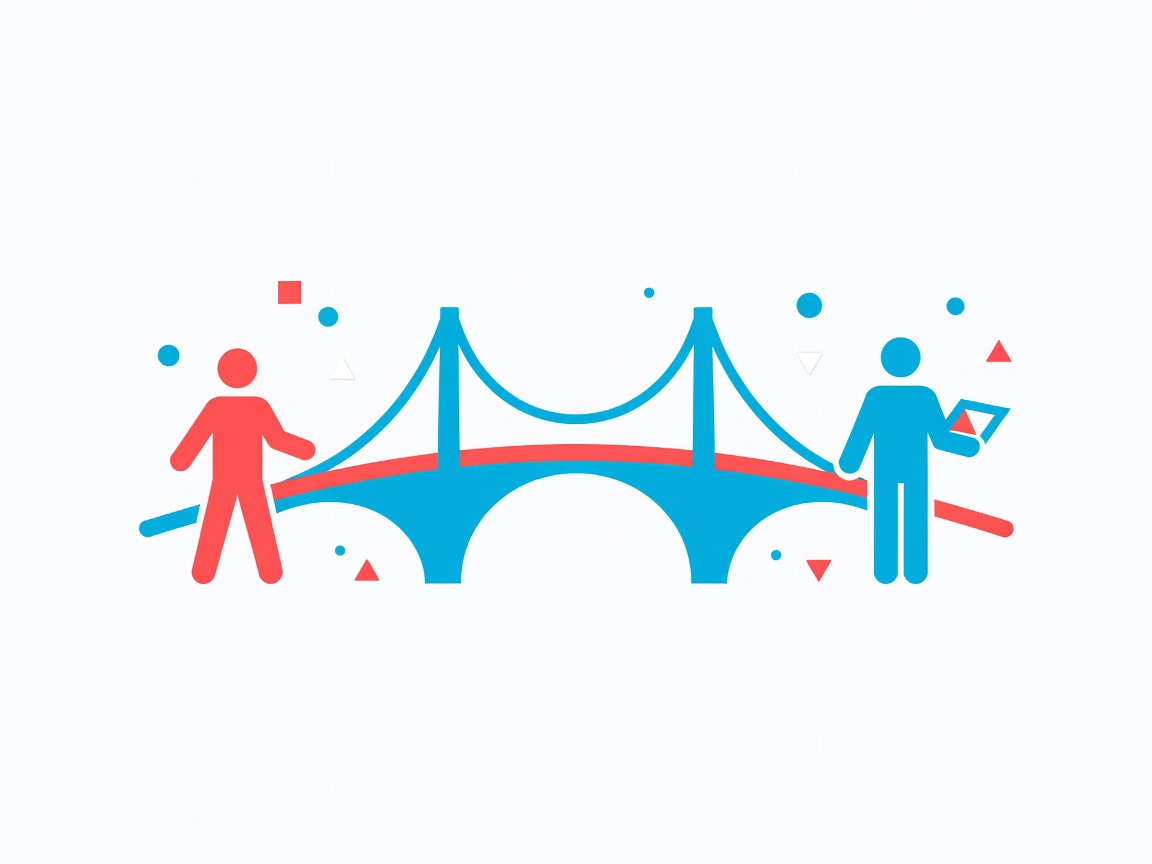
Boost deliberately uses "soft skills" as an accessible entry point, since people intuitively understand the phrase, then pivots quickly to its own specific framework: 26 named skills across People Skills, Character, and Healthy Mindset. This mirrors the broader shift in the term itself, from a vague etiquette concept to something specific enough to actually teach and assess.
Frequently Asked Questions
What Are Soft Skills for Students?
A broad category that has expanded over the past decade to include communication, self-management, adaptability, and resilience, not just basic workplace politeness.
Why Are Soft Skills Important Today?
Because workplace demands increasingly reward adaptability and judgment over rote compliance, and because adolescent brain-development research shows how much of this capacity is still forming during high school.
How Has the Definition of Soft Skills Changed?
It has broadened from a narrow focus on workplace etiquette to a wider set of competencies including self-management, resilience, and adaptability.
Ready to bring Boost to your school?
See how the 8-week Boost Foundation program teaches the 26 Boost Skills your students need. Book a discovery call to walk through it.
Book a Discovery Call