
Teaching Soft Skills When Your Staff Turns Over: Keeping the Program Alive
- U.S. teacher turnover has eased to a little under 7% as of 2024 to 2025 (RAND), but urban districts still report 11.1%, so some schools are living this every year.
- In a four-school study, schools lost between 47% and 88% of their teaching staff over four years, and the loss of relationships, shared vision, and institutional memory disrupted improvement efforts.
- Programs survive turnover when they are written down, owned by a team, taught to newcomers quickly, and checked on a schedule.
- An outside anchor, such as a certified coach or a certified staff member with ongoing support, keeps the curriculum steady while your own staff changes.
Every administrator has watched it happen. A teacher builds a soft skills class from nothing, students love it, and then she takes a new job in June. By October the binder is in a drawer and the class is a study hall. If you want to sustain a soft skills program through staff turnover, the fix is rarely more motivation. It is structure. This guide covers why programs fade with their champion, what to document, how to onboard new staff fast, and how to build checkpoints that catch drift before it becomes a quiet ending.

Why Programs Fade When the Champion Leaves
Programs fade because the knowledge, relationships, and energy that run them live in one person's head. Researchers followed four schools over four years and found that "turnover significantly impacted all four schools: over the four years of our study, the schools lost between 47 percent and 88 percent of their entire teaching staff." The authors named three damages: broken social networks, lost shared vision, and "depleted institutional memory" (Holme et al., 2024). That is four schools, not a national average, so read it as a warning about what is possible.
The national picture is calmer. RAND reports that teacher turnover fell from a pandemic peak of 10% to "a little under 7 percent" in 2024 to 2025, against 5.7% before the pandemic. Urban districts reported 11.1%, compared with 5.9% in suburban and 6.6% in rural districts (RAND). Teachers who said they intended to leave also dropped, to 16% in 2025 from 22% in 2024 (RAND). Even at those lower rates, turnover is a planning assumption, not a surprise. It also reaches beyond the departing teacher: a 2012 study found that student math scores were 6.1 to 7.9 percent of a standard deviation lower in years with 100 percent turnover than in years with none, and that turnover also affected the students of teachers who stayed (Ronfeldt, Loeb, and Wyckoff).

What Makes a Soft Skills Program Turnover-Proof?
A turnover-proof program has its essentials written down so a new person can run it without the founder in the room. Document five things, and keep each to a page.
- The why. Boost teaches students first that life is skill-based, then practices the skills. A new teacher who skips the why will teach a list of tips.
- The sequence. Name the weekly lessons and the order. Boost uses 8 weeks across 26 skills in three pillars, so a handoff does not mean starting over [Internal: Boost Brand Bible].
- The practice. Record the role-plays, discussion prompts, and worksheets, not only the slides.
- The baseline. Keep the student starting point, such as a pre and post self-assessment, so a successor can see what changed.
- The owner list. Name a second and third person who know the program.
Washoe's SEL leader, Trish Shaffer, described the goal in an EdWeek profile of three districts: "Principals own it in their building, teachers in their classrooms, our families own it in their homes" (EdWeek). That is distributed ownership, and it is the opposite of champion dependency. Our guide to adding a soft skills curriculum without adding to teachers' plates covers how to keep the load manageable.

How Do You Onboard New Staff Quickly?
Onboard new staff by letting them watch, practice, and then teach, in that order, rather than handing them a binder. A workable pattern is three steps: observe one full lesson, co-teach one with a trained colleague, then lead one with feedback. Pair every new instructor with a named partner for the first cycle.
Quick onboarding also depends on a program that is easy to pick up. Boost's own materials describe the program as simple to roll out, with no new software and no long training sessions [Internal: Boost Website Knowledge Base]. We would not promise that any program can be mastered in an afternoon, and our materials do not specify a certification length, so ask any provider for the exact time commitment. Budget for professional development too; our piece on the professional development administrators need to support a soft skills program lays out what that should include.

How Can Outside Coaches Anchor Your Program?
Outside coaches anchor a program by keeping the curriculum steady while your own staff changes. Dante Capers, associate superintendent in Warren City, said giving staff "space to lead" helps ensure "the work endures and doesn't rest with just one leader or one person," (via EdWeek). Warren City also moved more training in-house, which its SEL coordinator, Jill Merolla, said makes professional development "more sustainable over the long run." That is the long-term goal: build your own bench.
Boost supports both routes. Certified Boost coaches can come on-site and lead the program directly, and a school can also certify a staff member, with in-person or virtual training, all materials (videos, workbooks, and the full curriculum), and ongoing support and community from the Boost team [Internal: Boost Website Knowledge Base]. A practical path is to start with a coach delivering the 8-week program while a staff member shadows, then move delivery to certified staff. The standard we hold coaches to is that they understand life is skill-based and are committed to always improving, which matters more than memorizing content [Internal: Boost Messaging and Copy Bank]. Keep in mind that a coach is not a therapist, and Boost does not position coaching as therapy.
Which Checkpoints Catch Drift, and What Belongs on a Sustainability Checklist?
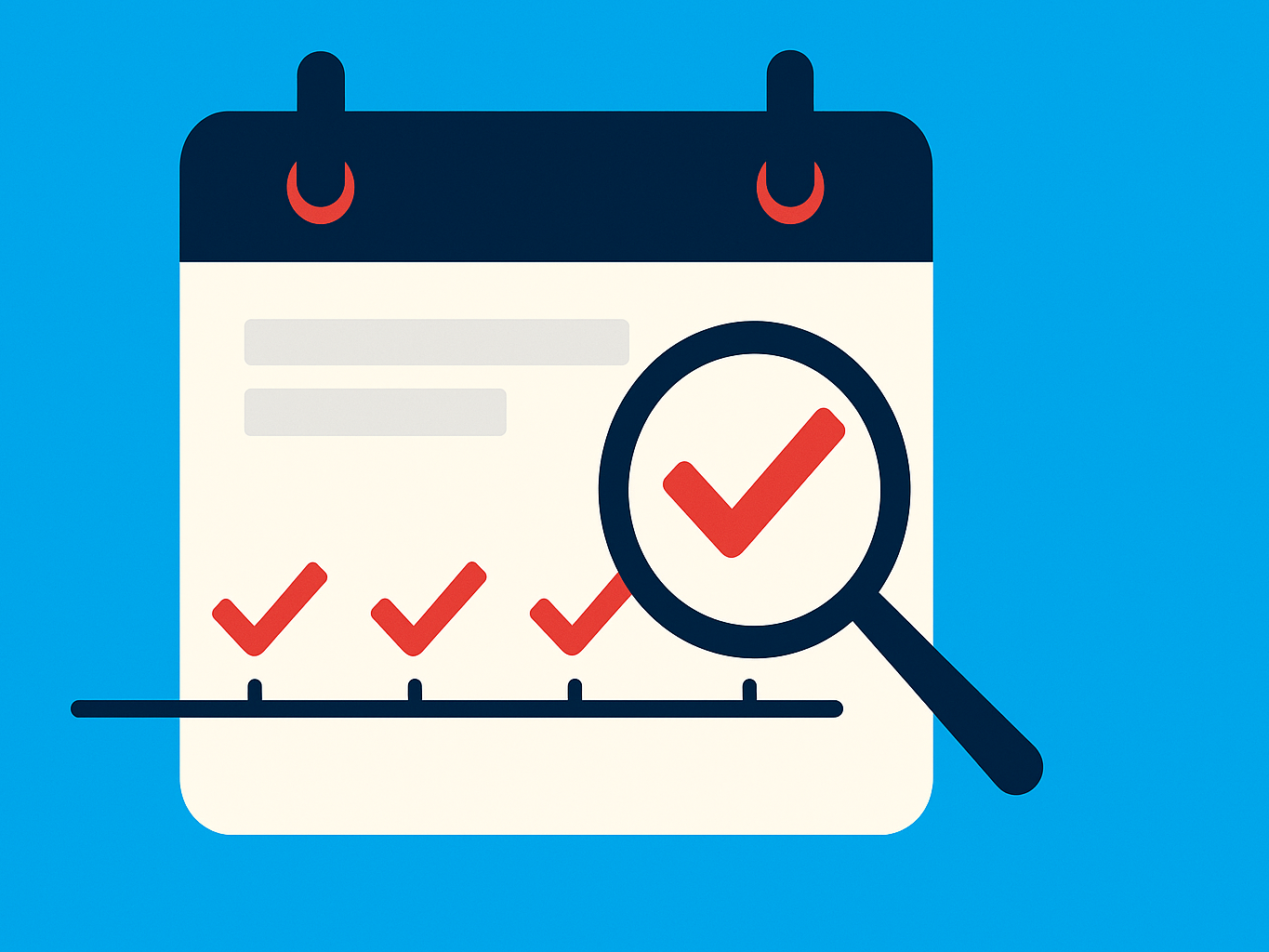
Checkpoints catch drift by asking, on a fixed schedule, whether the program still looks the way it was designed. The most common drift is quiet: the practice gets cut first, then the why, until only the slides remain. Put these on the calendar.
- Every cycle: a leader observes one session and checks that students are practicing, not only listening.
- Start and end of each cycle: collect the pre and post self-assessment and compare.
- Each June and August: confirm a trained second person is named for every section.
- Each year: re-read the written essentials and update them.
A final test: if your lead teacher left tomorrow, could someone teach next Monday's lesson? If not, start with the owner list. Our administrator's checklist for evaluating any soft skills curriculum can help you pressure-test your plan, and we are glad to talk through your staffing situation on a discovery call.

Frequently Asked Questions
Why Do Programs Fade After Staff Leave?
The knowledge and relationships that run them often sit with one person. A four-school study found staff losses of 47% to 88% over four years, along with lost shared vision and institutional memory.
What Makes a Soft Skills Program Turnover-Proof?
Written essentials, shared ownership, and scheduled checkpoints. Document the why, the sequence, the practice, the baseline, and at least two additional owners.
How Do We Onboard New Staff Quickly?
Have them observe, co-teach, then lead with feedback, with a named partner throughout. Ask any provider for its exact training time commitment before you plan around it.
Is Teacher Turnover Still a Serious Problem?
It has eased nationally to a little under 7%, but urban districts report 11.1%. Plan for it as a normal condition rather than a crisis.
References
- Holme et al., How Teacher Turnover Disrupts School Improvement Efforts
- RAND, Educator Turnover Rates Stabilize After the Pandemic
- RAND, Teacher Well-Being, Pay, and Intentions to Leave in 2025
- Ronfeldt, Loeb, and Wyckoff, How Teacher Turnover Harms Student Achievement
- EdWeek, Building an Effective SEL Program: Lessons From 3 Districts
- How to Add a Soft Skills Curriculum Without Adding to Teachers' Plates
- The Professional Development Administrators Actually Need to Support a Soft Skills Program
- A School Administrator's Checklist for Evaluating Any Soft Skills Curriculum
Ready to bring Boost to your school?
Schedule a discovery call to see how the Boost curriculum fits your students.
Schedule a Discovery Call