The Gratitude Skill Most Teenagers Have Never Been Taught (And Why It's Not About Saying Thank You)
- A controlled study of 221 middle schoolers published in the Journal of School Psychology found that a two-week gratitude exercise measurably changed students' emotional patterns compared to peers who journaled daily hassles or did nothing — but the effect was strongest for the specific skill of recognizing and crediting someone else's intent, not for saying "thank you" more often.
- Most classroom gratitude instruction stops at the reflex: a forced thank-you note, a "three good things" worksheet, a poster in November. That version rarely moves the needle because it never asks a student to do the harder cognitive work underneath real gratitude.
- Researchers who study adolescent gratitude describe it as fundamentally a perspective-taking skill — noticing that someone chose to help you, at some cost to themselves, on purpose — not a feeling that shows up automatically when good things happen.
- A separate study found gratitude specifically buffered teenagers against the negative effects of materialism on life satisfaction, suggesting it functions less like a mood and more like a cognitive habit with downstream behavioral effects.
- Boost teaches gratitude inside its Character pillar as a named, rehearsed skill — students practice identifying intent and cost behind someone else's action, not just reciting appreciation on command.
Every November, a familiar ritual shows up in classrooms across the country: students are handed a card, told to write something they're thankful for, and asked to read it aloud or tape it to a bulletin board shaped like a turkey. It's well-intentioned. It's also almost entirely disconnected from what researchers who actually study adolescent gratitude have found about how the trait works, what it's built from, and why so many teenagers who dutifully say "thank you" on cue still show little of the underlying skill that makes gratitude worth teaching in the first place.
That gap matters more than it looks. Gratitude isn't a soft, feel-good add-on to a soft skills curriculum — it's one of the more heavily studied traits in adolescent psychology, with a body of controlled research showing real effects on life satisfaction, school engagement, and resistance to materialism. But nearly all of that research draws a hard line between gratitude as a reflex and gratitude as a skill, and school programming almost always lands on the wrong side of that line.
Why a Forced Thank-You Note Teaches Almost Nothing
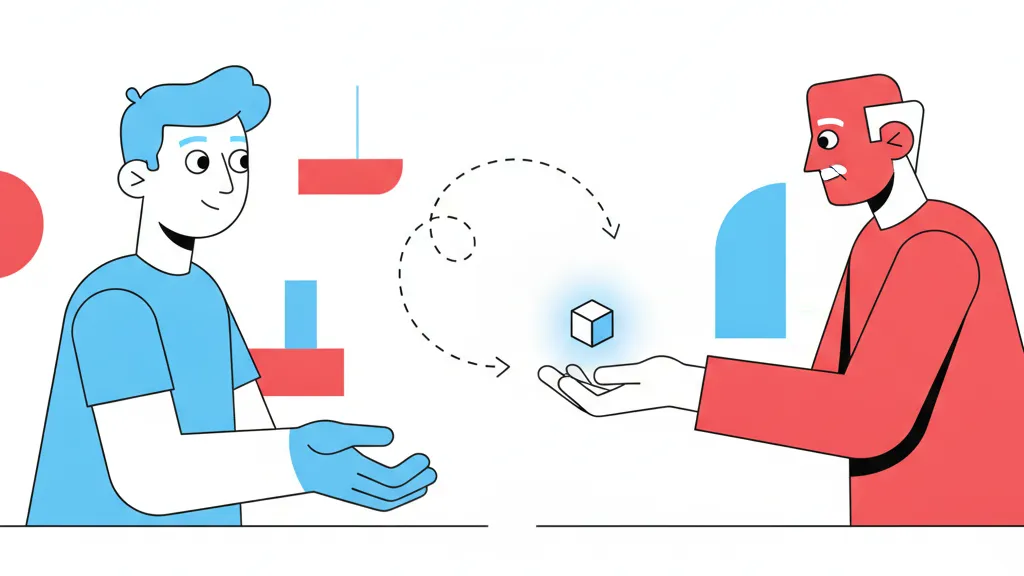
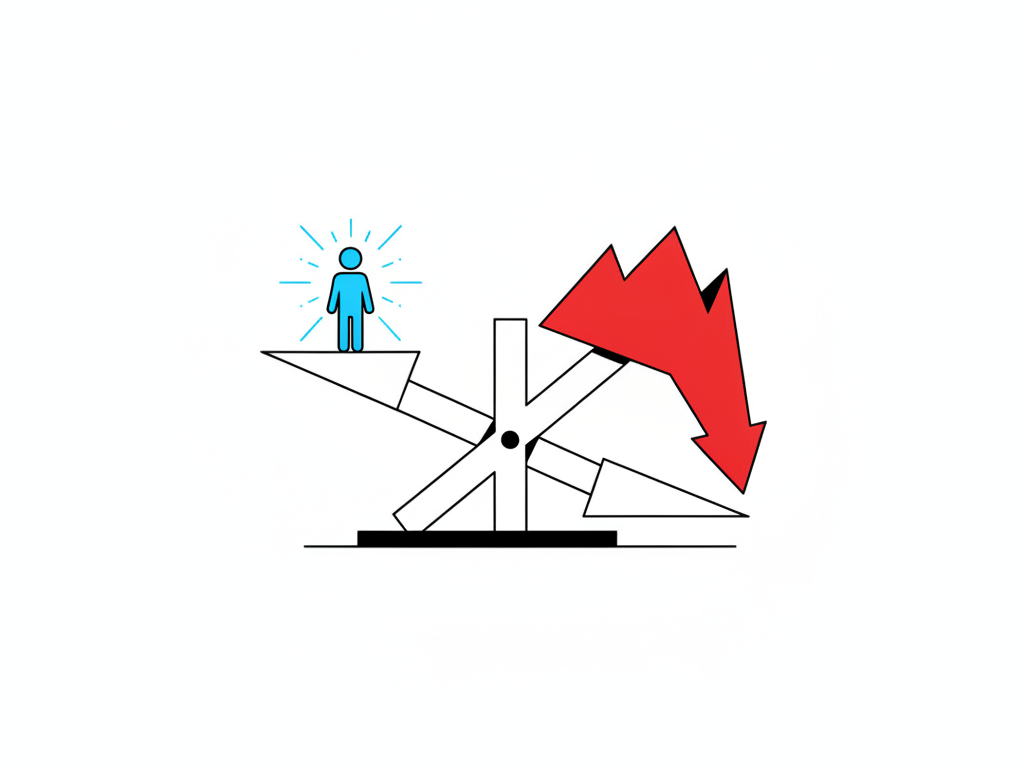
The problem with reflex gratitude isn't that it's insincere — plenty of students who write a required thank-you note mean it. The problem is that reciting appreciation doesn't require the cognitive step that produces gratitude's actual benefits. A student can write "I'm thankful for my family" without ever pausing to notice that a specific person chose, at some real cost to their own time or comfort, to do something specific for them. That noticing — not the sentence that follows it — is the skill.
Researchers who study gratitude in youth, including Hofstra University psychologist Jeffrey Froh, one of the field's most cited voices on adolescent gratitude, describe it as an attribution process: a person has to recognize that they benefited, that someone else was the source of that benefit, and that the source acted intentionally rather than accidentally. Skip any one of those three steps and what's left isn't gratitude — it's just politeness, and politeness doesn't carry the same weight in a teenager's actual behavior or wellbeing.
What the Research Actually Shows When Gratitude Is Measured, Not Assumed
The clearest evidence for gratitude functioning as a trainable skill, rather than a fixed personality trait some kids simply have and others don't, comes from a controlled study of 221 middle school students, published in the Journal of School Psychology. Students were randomly split into three groups: one recorded up to five daily "blessings" for two weeks, one recorded daily hassles and irritations, and a control group did neither. Two weeks later, and again at a three-week follow-up, the gratitude group showed significantly higher levels of gratitude than the other two groups, along with lower negative affect compared to the hassles group. Their satisfaction with their school experience — one of the more robust findings in the study — moved in the same direction.
What's notable is what didn't move: physical symptoms and general prosocial behavior showed no meaningful difference between groups. Gratitude training, in other words, isn't a blanket wellness intervention that lifts everything at once. It produced a specific effect, in a specific direction, consistent with a defined skill being practiced rather than a general mood being boosted.
A related line of research adds a second, more practical finding for administrators worried about materialism, comparison culture, and the entitlement schools often describe informally among students. A study of adolescents found that gratitude specifically reduced the negative relationship between materialism and life satisfaction — students who scored higher on gratitude measures were less likely to have their wellbeing dragged down by materialistic values, even when those values were present. Gratitude didn't eliminate materialism. It changed what materialism was able to do to a student's sense of satisfaction with life.
The Skill Underneath Gratitude Is Perspective-Taking
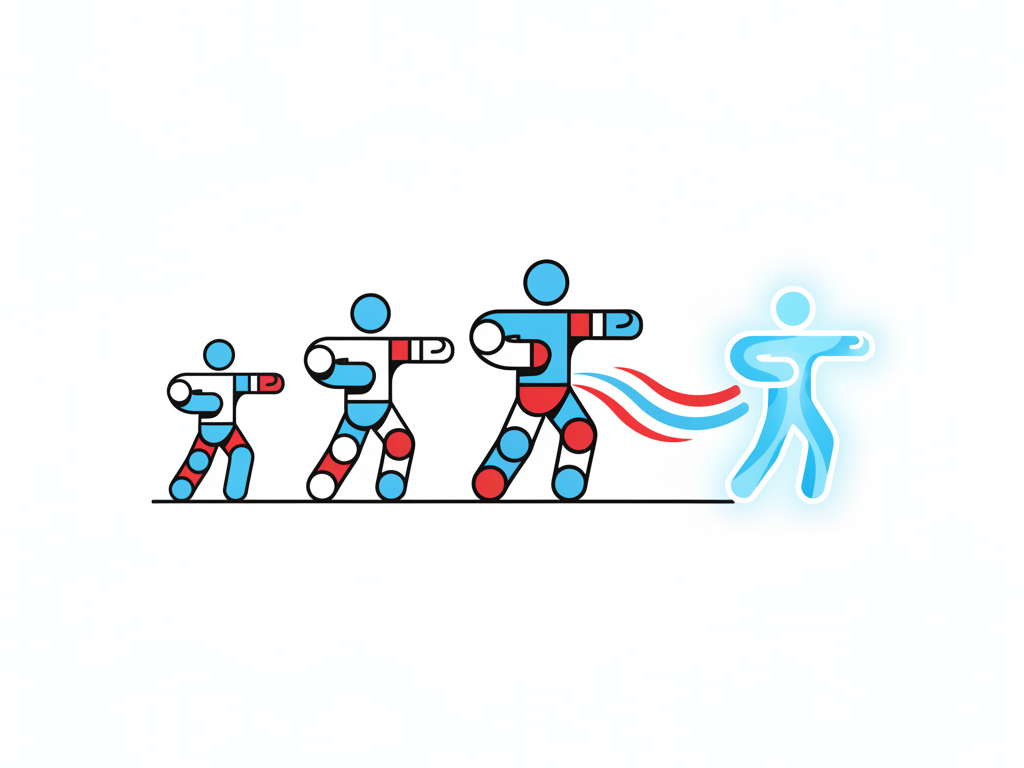
Strip the research down to its mechanism and gratitude turns out to be a close cousin of a skill most soft skills programs already claim to teach: perspective-taking. To genuinely feel grateful, a student has to momentarily step outside their own experience and reconstruct someone else's — what it cost that person to help, what else they could have done with that time or effort, and why they chose this student instead. That's a real cognitive task, not a feeling that arrives on its own.
This is also why gratitude resists being taught through a single lesson or assembly. Perspective-taking is a skill that degrades without practice, the same way any other skill does. A student can demonstrate it clearly in a structured exercise on a Tuesday and revert to reflexive politeness by Thursday if the skill was never rehearsed enough times, in enough different contexts, to become something closer to habit than performance.
What Schools Get Wrong by Treating Gratitude as a Seasonal Unit
The most common instructional pattern — a gratitude unit tied to a holiday, run once a year — works against nearly everything the research suggests about how the skill actually develops. A one-time exercise can produce a genuine moment of reflection. It can't produce the kind of repeated, low-stakes practice that turns perspective-taking into something a student does automatically when a friend covers for them at practice or a teacher stays late to help with an assignment.
There's also a subtler problem with tying gratitude instruction to a single, predictable moment on the calendar: it frames gratitude as an occasion-based performance rather than an everyday cognitive habit. Students learn, correctly, that gratitude is something you produce in November when asked, which is precisely the reflex version the research shows doesn't carry the same benefits as the trained version.
How to Actually Teach It as a Skill
Treating gratitude as a trainable skill rather than a seasonal sentiment changes what a lesson looks like. Instead of asking students to list what they're thankful for, an effective exercise asks them to identify a specific instance where someone made a choice that benefited them, name what it cost that person, and articulate why the person likely chose to act. That three-part structure — benefit, cost, intent — mirrors the attribution process researchers use to define gratitude in the first place, and it gives students a repeatable framework instead of a vague prompt.
Frequency matters more than production value. A short, structured version of this exercise repeated weekly across a semester builds the underlying perspective-taking skill in a way a single elaborate assembly or video cannot, for the same reason repetition builds any other skill: the brain needs multiple, varied reps to move a behavior from effortful to automatic. Pairing the exercise with a brief peer share — where a student explains their reasoning to a partner, not just writes it down privately — adds an accountability layer that keeps the exercise from collapsing back into a private, low-effort ritual.
How Boost Teaches Gratitude as a Named Skill
This is also how gratitude functions inside Boost's own curriculum, not as a stand-alone virtue lesson but as one of the 26 named Boost Skills, taught inside the Character pillar alongside skills like integrity and self-discipline. Students practice the same benefit-cost-intent structure researchers use to define the trait, working in pairs to identify a real instance where someone acted on their behalf and to articulate, out loud, why that person likely made that choice. A certified coach resets the exercise when a student defaults to a generic answer, pushing for the specific person, the specific cost, and the specific reason — the same specificity that separates trained gratitude from reflexive politeness in the research.
That structure is deliberate. Boost's broader design philosophy holds that life is skill-based — that traits schools often treat as personality, gratitude included, are closer to trainable competencies than fixed characteristics. A single card written once a year was never going to test that idea. A rehearsed, repeated exercise, run across an 8-week course rather than a single class period, gives the skill enough reps to show up somewhere other than a bulletin board.
The Takeaway
The research on adolescent gratitude is unusually clear for a soft skill: it behaves like something trainable, with a specific cognitive mechanism, measurable effects on life satisfaction and school engagement, and a documented ability to buffer against materialism's drag on wellbeing. None of that shows up reliably in a once-a-year thank-you note. It shows up when students get repeated, structured practice noticing what someone else chose to give up on their behalf — a skill worth building deliberately, not hoping it appears on cue every November.
Frequently Asked Questions
Is Gratitude a Skill or a Personality Trait?
Research treats gratitude as closer to a trainable skill than a fixed trait. Controlled studies, including a randomized trial with 221 middle schoolers, show that structured practice measurably increases gratitude and related outcomes over a matter of weeks, which wouldn't be possible if it were purely an innate disposition.
Why Doesn't Making Students Say Thank You Build Real Gratitude?
Saying thank you is a social script that can be performed without the underlying cognitive step gratitude actually requires: recognizing that a specific person chose, at some cost to themselves, to act on your behalf. Skipping that recognition produces politeness without the wellbeing and behavioral benefits research associates with genuine gratitude.
What Does the Research Say About Gratitude and Teen Wellbeing?
Studies link higher adolescent gratitude to greater life satisfaction, better satisfaction with school experience, and lower negative affect. A separate line of research found gratitude specifically reduces the negative impact of materialism on life satisfaction, suggesting it functions as a protective cognitive habit rather than just a pleasant feeling.
How Should Schools Teach Gratitude If Not Through a Holiday Lesson?
Short, structured exercises repeated regularly across a semester build the skill more effectively than a single seasonal unit. An effective format asks students to name a specific benefit they received, the cost to the person who provided it, and that person's likely intent — then share their reasoning with a partner rather than just writing it privately.
Is Gratitude Part of Boost's Curriculum?
Yes. Gratitude is one of the 26 named Boost Skills, taught within the Character pillar through structured, coach-led practice identifying the benefit, cost, and intent behind someone else's action, rather than through a single reflection exercise.
References
- Froh, J. J., Sefick, W. J., & Emmons, R. A., Counting Blessings in Early Adolescents: An Experimental Study of Gratitude and Subjective Well-Being, Journal of School Psychology (2008)
- Froh, J. J., et al., Gratitude and the Reduced Costs of Materialism in Adolescents, Journal of Happiness Studies (2010)
- Froh, J. J., Yurkewicz, C., & Kashdan, T. B., Gratitude and Subjective Well-Being in Early Adolescence: Examining Gender Differences, Journal of Adolescence (2009)
- Tian, L., Du, M., & Huebner, E. S., Gratitude and Adolescents' Subjective Well-Being in School: The Multiple Mediating Roles of Basic Psychological Needs Satisfaction at School, Frontiers in Psychology (2016)