The Case for Teaching Emotional Intelligence in High School Before It's Too Late
The Case for Teaching Emotional Intelligence in High School Before It's Too Late
Most of what we label attitude, anxiety, or behavior in teenagers is really a missing skill. And high school is the last window we have to teach it.
Key Takeaways
- Many challenges we label mental health problems are really untrained skills under pressure — EQ is teachable.
- High school is the last structured window before habits calcify. Miss it and students figure it out the hard way.
- Boost builds EQ through the 26-skill framework: empathy, growth mindset, self-awareness, stress management.
- On day one, 20% of students believe skills drive success. By the last session: 87%.
- Students who've practiced empathy perform better in real job interviews than most adult candidates.
I've sat in a lot of rooms with teenagers over the years. Most of the problems we label as attitude, anxiety, or behavior boil down to a missing skill.
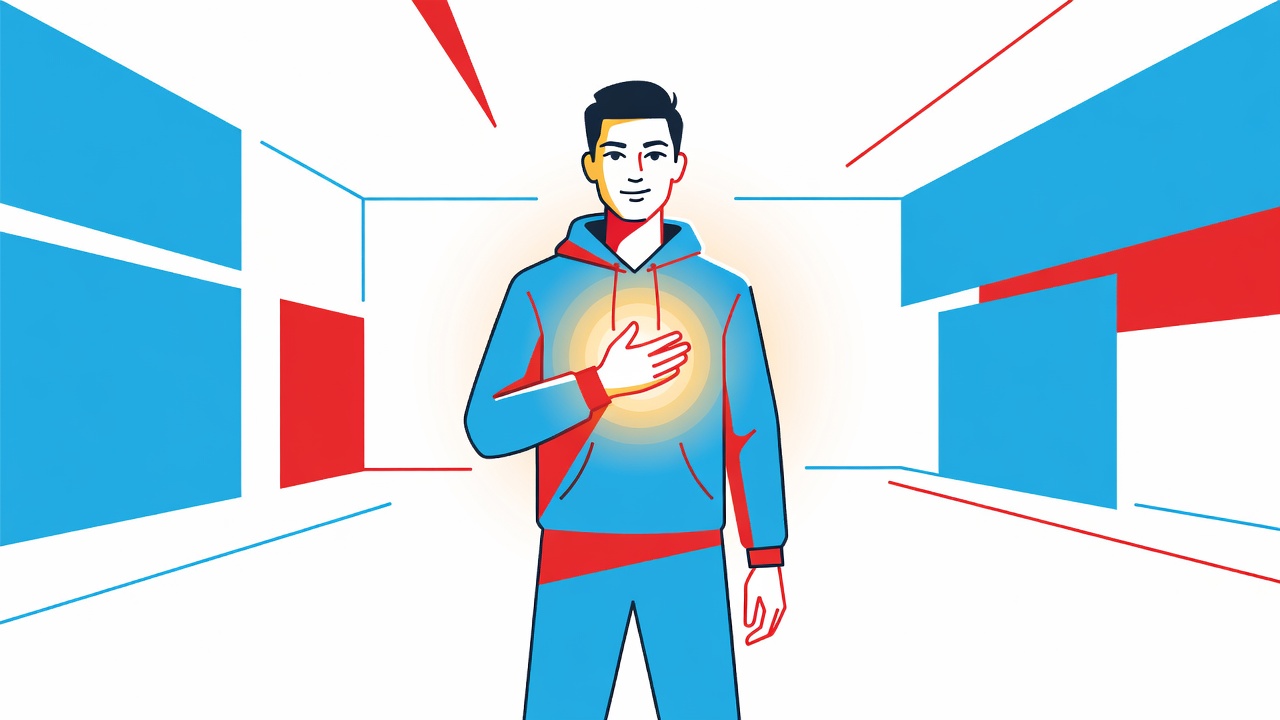
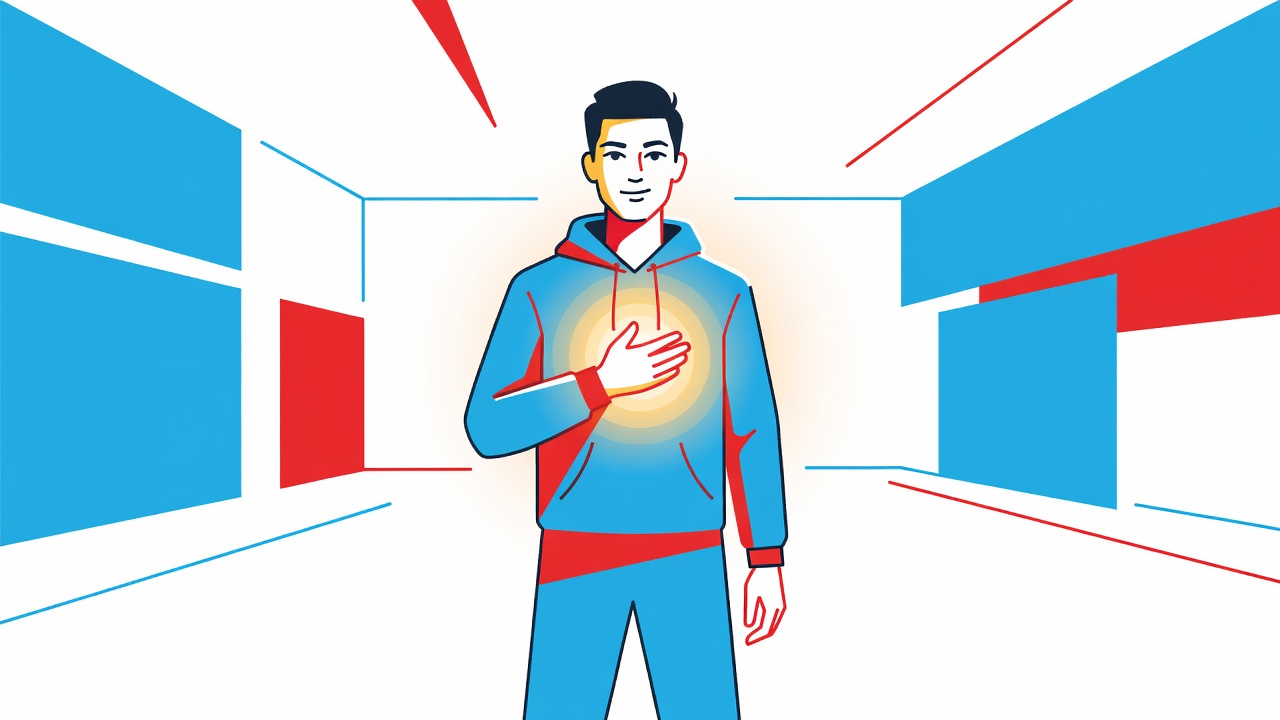
A student who can't regulate their frustration in class isn't a "problem kid." They've never been taught how to recognize what they're feeling or what to do with it. A student who shuts down when they get feedback isn't fragile. They've never practiced processing criticism without taking it personally. A student who can't read the room in a job interview isn't clueless. They've never had someone explicitly show them how.
These are emotional intelligence skills. And the reason most teenagers don't have them? Nobody taught them.
We're Treating Symptoms Instead of the Skill
Here's something I say constantly: many challenges we frame as mental health problems are really untrained skills under pressure.
That's not a knock on mental health. It's a clarification. When a student can't handle conflict, can't manage stress, or shuts down in difficult conversations, we refer them to counseling. Sometimes that's exactly right. But sometimes, what they need first is someone to teach them the skill.
Emotional intelligence breaks down into concrete abilities: recognizing what you're feeling and why, understanding how emotions affect behavior, reading other people's emotional states, managing reactions under pressure, and responding with empathy. None of these are personality traits. They're teachable.
Research backs this up — EQ predicts job performance better than IQ in most fields, and it's most responsive to instruction during adolescence. But you don't need research to see this if you've watched it happen in a classroom. The moment a student realizes they have control over how they respond, something shifts. They stand differently. They engage differently. The skill changes the behavior.
The Window Is Shorter Than We Think
High school is the last structured opportunity we have to teach this.
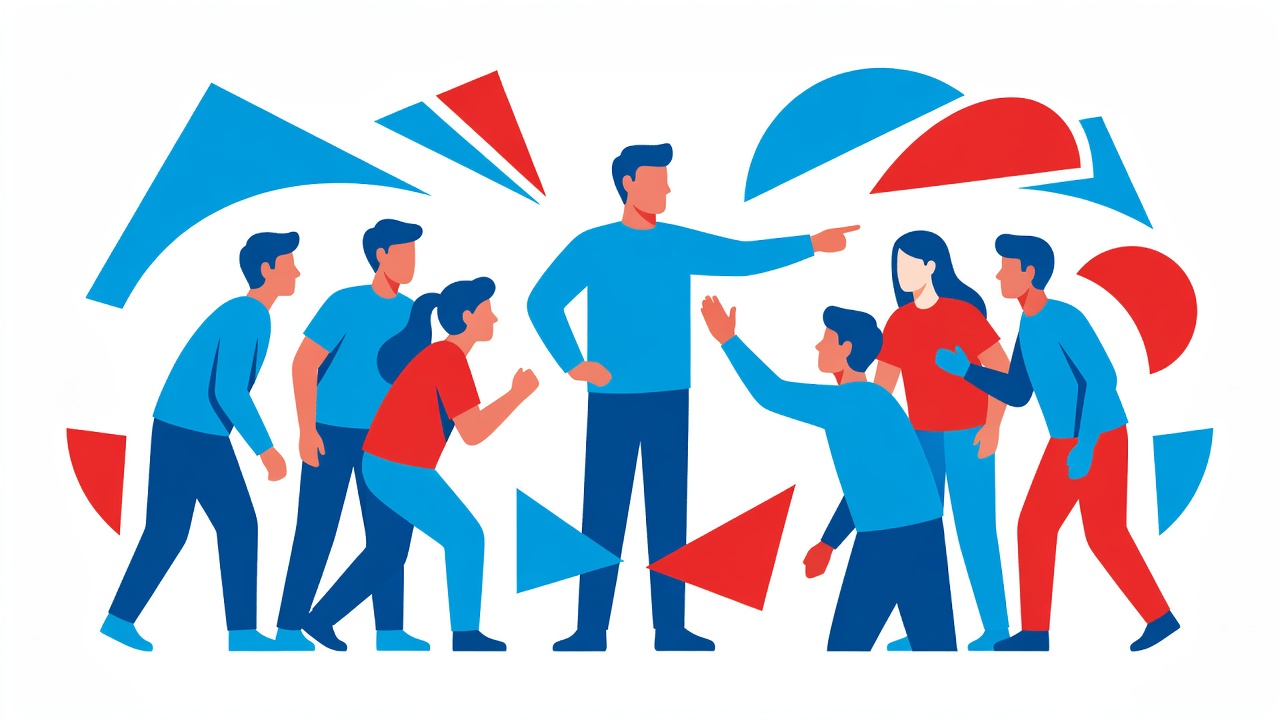
After graduation, most kids enter environments where emotional intelligence problems become character judgments. A college professor isn't going to teach a student how to handle feedback. A first employer isn't going to coach a new hire through managing frustration. Those adults just form a view and move on.
The high school window matters because the brain is still plastic in ways it won't be at 22. Habits built at 16 and 17 — automatic responses, default ways of handling stress, conflict, rejection — tend to stick. If we teach a student that emotions are data, not verdicts, and that they can choose their response, we're installing something that compounds for decades.
Miss that window and you're not leaving them where they were. You're leaving them to figure it out the hard way, in environments that have no patience for it.
What We Actually Teach at Boost
When we start a Boost program, before we teach a single skill, I ask every student to picture what they want their life to look like. Their picture. Their dream. It doesn't matter if they want to be an athlete, an entrepreneur, an artist, or a parent. I show them: no matter what that picture looks like, every single one requires the same skills. And one of the most important is understanding themselves.
The EQ skills we build are woven into the entire 26-skill framework. Empathy is a core character skill. Growth mindset — the foundation of handling failure — is a mindset skill. Reframing negative thoughts, managing stress, and developing real self-awareness are all part of what we call the Healthy Mindset leg of the program.
But here's the piece most people miss: we don't just talk about these skills. We make students rate themselves on all 26 skills on the last day of the program. They go through each one and mark it green, yellow, or red — strong, okay, needs work. No two worksheets look the same. And that moment of honest self-assessment? That's an emotional intelligence skill in action. It takes self-awareness to look at yourself clearly. It takes humility to admit where you're weak. It takes courage to commit to improving something you know you struggle with.
That shift doesn't happen because we convinced them with a lecture. It happens because they practiced the skills, felt what it was like to use them, and started to see themselves differently.
The Empathy Problem Is Particularly Urgent
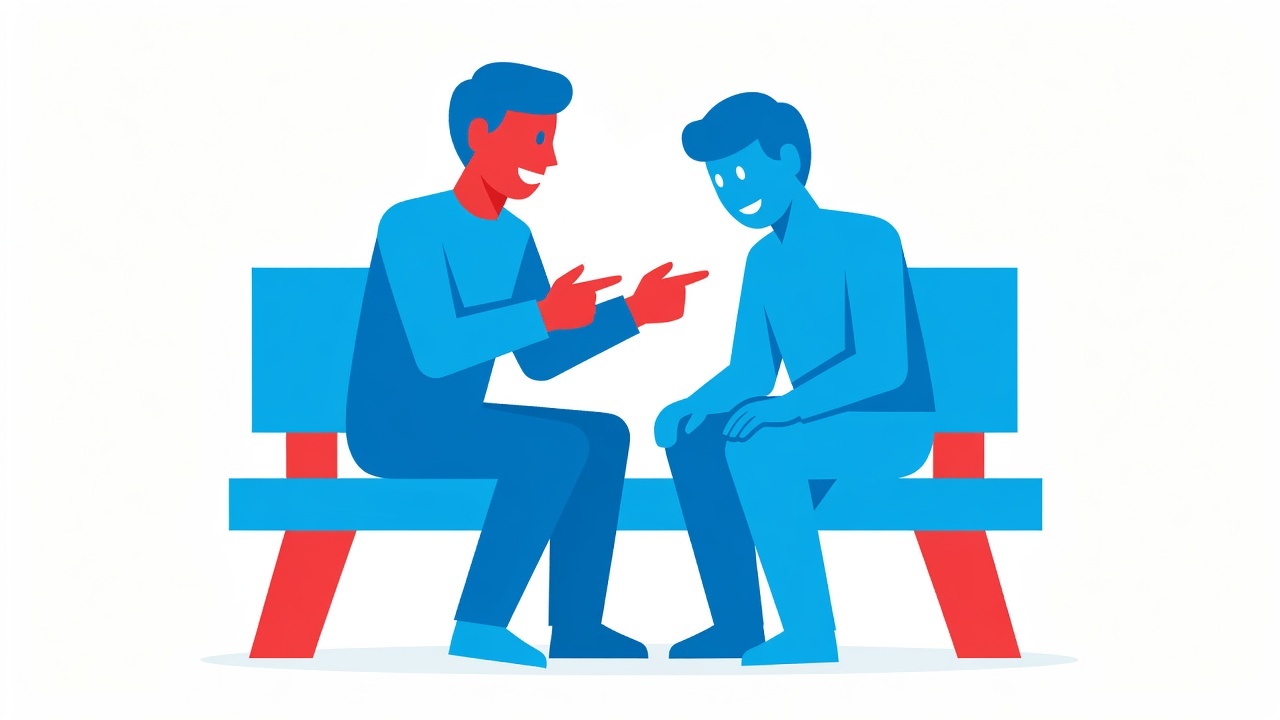
Of all the emotional intelligence skills, empathy is the one I see schools underestimating most. And it's the one that matters most for everything that comes after.
Here's the distinction I make for students: sympathy is feeling bad for someone. Empathy is actually connecting with what they're experiencing — putting yourself in their position and responding to that. Sympathy is about you. Empathy is about them.
We built a full lesson around this at Boost because empathy is the foundation of every real relationship, every effective team, and every meaningful interaction in a professional environment. The hiring managers who come in for our mock interview program — people who do real interviews at their companies every single day — tell us afterward that these students were better than most of the actual candidates they see. That's not because we drilled interview technique. It's because students who have practiced empathy show up differently in a conversation. They make the other person feel heard. They ask questions because they're actually curious about the answers. That's rare.
What I Tell Schools
When I'm talking to a principal or a superintendent, I make one point above everything else: emotional intelligence isn't a nice-to-have. It's the infrastructure everything else runs on.
You can be academically strong. You can be technically skilled. You can have all the right credentials. But if you can't manage your emotions under pressure, can't empathize with the people you work with, and can't self-regulate when things get hard — you will struggle. Not eventually. Immediately.
The good news is that teaching EQ doesn't require a new curriculum, a new department, or a complete overhaul of the school day. It requires a dedicated space — 1.5 hours a week for 8 weeks — where someone teaches it explicitly, structures practice, and holds students accountable to applying it.
That's Boost. And it's not complicated. What's complicated is what happens when schools skip it.
If your students are leaving high school without these skills, they're not just underprepared for work — they're underprepared for the relationships, the setbacks, and the moments of real pressure that define a life. High school is the window. That's the case for doing this now.
Frequently Asked Questions
Can emotional intelligence actually be taught, or is it something you either have or you don't?
It can be taught. EQ is not a fixed trait — it's a set of learnable skills. Recognizing emotions, managing reactions, reading other people, and responding with empathy are all behaviors that can be practiced, improved, and built into habits with the right instruction and repetition.
What's the difference between emotional intelligence and social-emotional learning (SEL)?
SEL is the broader educational framework. Emotional intelligence is a specific set of skills within it. Most SEL programs are built for elementary school and embedded across every class. Boost teaches EQ skills explicitly, in a dedicated course, at the high school level where it's most urgently needed.
Why is high school the critical window for teaching EQ?
Adolescence is when the habits and automatic responses that follow a person into adulthood are being formed. Teach a student at 16 that they can choose their response to a difficult situation, and that skill travels with them. Miss that window and they'll learn it the hard way — in college, at their first job, or in their relationships.
How does Boost specifically teach emotional intelligence?
Through explicit instruction, discussion, and repeated practice. Students learn to identify emotions, practice empathy through structured exercises, and rate their own skills at the end of the program. The self-rating worksheet — marking each of the 26 Boost Skills green, yellow, or red — is itself a powerful EQ exercise in self-awareness and honesty.
What results do students see from the program?
On day one, 20% of students say they believe a specific set of skills drives success in life. By the final session, 87% say absolutely yes. And hiring managers who participate in our mock interview program say these students perform better than most real adult candidates they interview.
See What EQ Instruction Looks Like in a School
Schedule a free 20-minute discovery call and we'll walk you through how Boost works inside your schedule.
Schedule a Discovery Call