The Real Reason Students Can't Hold a Conversation Anymore
The Real Reason Students Can't Hold a Conversation Anymore
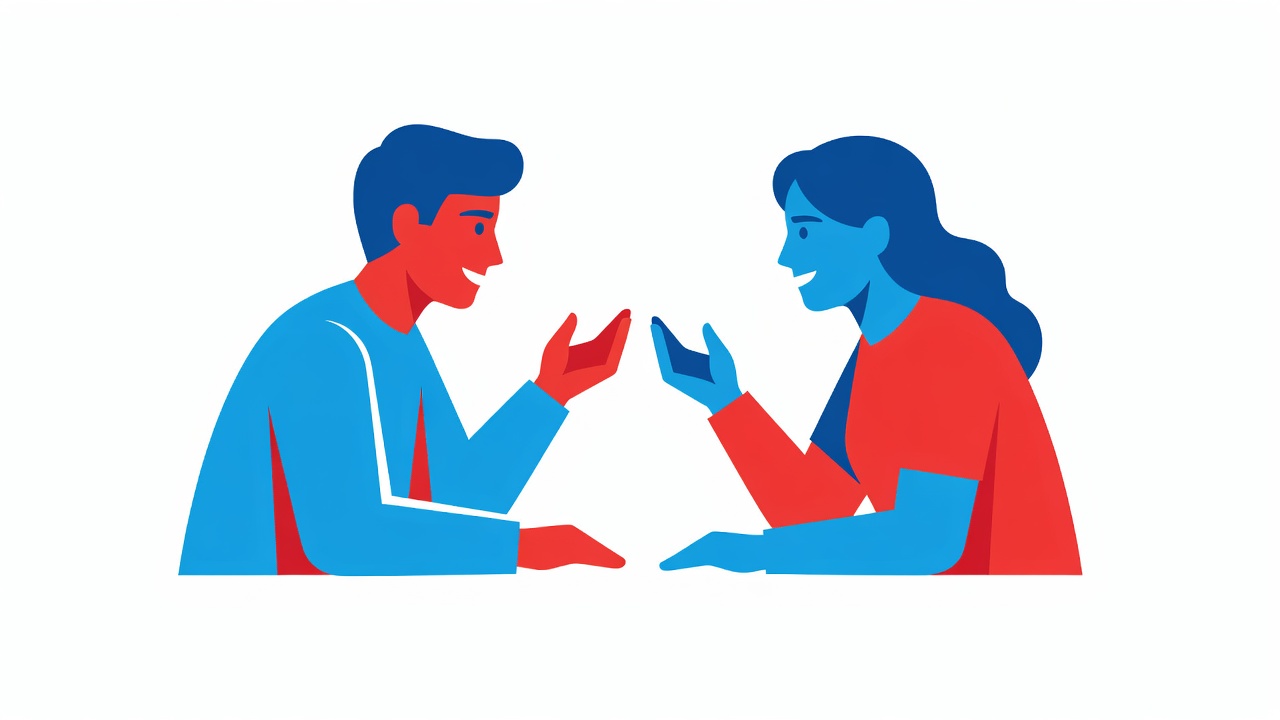
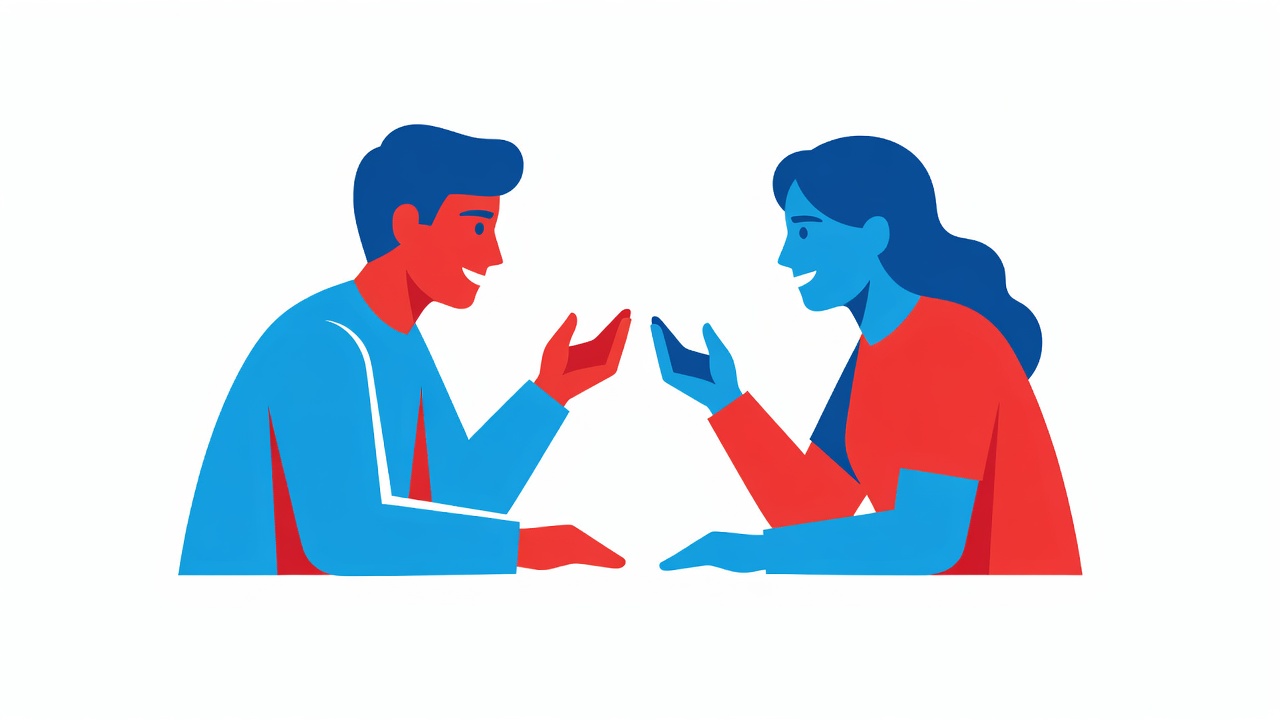
Eye contact. Follow-up questions. Sitting with silence. The basic mechanics of conversation are eroding — and the fix is simpler than most schools realize.
Key Takeaways
- Conversation skills are declining in adolescents — not because of character flaws, but because they've never been explicitly taught.
- The five highest-impact people skills: eye contact, active listening, follow-up questions, reading non-verbal signals, and genuine greetings.
- 70% of students in Boost's pilot identified phone control as the skill they most wanted to improve — a sign of self-awareness, not apathy.
- The solution is explicit instruction, structured practice, and repetition. One workshop doesn't do it. An 8-week program does.
- These same skills determine who gets hired. Communication tops every employer readiness survey, year after year.
Around 2012, a shift occurred in schools that teachers sensed before they could articulate it. Students, otherwise bright and motivated, began to struggle with something basic: engaging in a simple conversation.
Not debating or presenting. Just talking — making eye contact, asking follow-up questions, sitting with a pause instead of filling it with a phone.
Research eventually caught up. Jean Twenge's work on iGen identified 2012 as the pivotal year when smartphone ownership among teens exceeded 50%. Since then, loneliness, anxiety, and social isolation have risen in adolescents in almost every country that tracks them. The explanation isn't complicated. Face-to-face conversation is a skill that requires practice. For the first time, a generation has a socially acceptable way to avoid that practice entirely.
This isn't a character flaw. It's not laziness or rudeness. It's a skill that hasn't been trained — and untrained skills can be taught.
What's Actually Missing
Teachers and employers say students "can't communicate," but communication is a category, not a skill. When you break it down, what's missing becomes specific and teachable.
Eye contact. Many students haven't been taught that sustained, relaxed eye contact signals engagement, confidence, and respect. In a screen-dominated world, the default is to look down. Entering a conversation without eye contact — or constantly breaking it — reads as disinterest, even when that's not the intent.
Active listening. Listening isn't waiting to speak. It means focusing on the other person, processing what they're saying, and responding to the actual content — not what you planned to say next. Students accustomed to short-form content, where the average video holds attention for under 45 seconds, have inadvertently trained their attention to move on quickly.
Asking follow-up questions. The most underrated conversation skill. A well-placed follow-up shows you were actually listening. It creates connection without requiring performance or charm. In awkward conversations, most students go quiet not from disinterest but from a lack of strategy. "Ask a question" is a strategy. It works every time.

Reading non-verbal signals. About 70% of communication is non-verbal — tone, posture, facial expression, proximity. Students who grew up texting have had limited practice reading these signals in real time. The result is social misfires: missing when someone is uncomfortable, not noticing when the energy in a room shifts, responding to the words while missing the meaning.
Greetings. A genuine greeting — eye contact, a real smile, using someone's name — sets the tone for everything that follows. Students who mumble or look away don't know they're starting at a deficit. Nobody told them.
Why Blaming Phones Isn't Enough
Blaming phones is accurate but insufficient. The reduction in face-to-face interaction is real. But the phone is a symptom of a deeper problem: these skills were never explicitly taught.
Previous generations learned conversation through unstructured time — neighborhood play, family dinners, part-time jobs, church, community. The informal apprenticeship that once transmitted these skills has eroded. Schools, for the most part, have assumed students arrived already knowing how to interact.
At Boost, we've seen this firsthand. On day one of every program, we ask students to rate themselves on the 26 Boost Skills. Eye contact, asking questions, smiling, using names — almost universally, students don't rate these as strengths. They've never thought of them as skills. Not because they're incapable, but because no one named them as learnable before.
In our pilot, 70% of students identified phone control as the #1 skill they wanted to work on. That's not apathy. That's self-awareness. Students know something is off. They just aren't being taught what to do about it.
The People Skills That Move the Needle
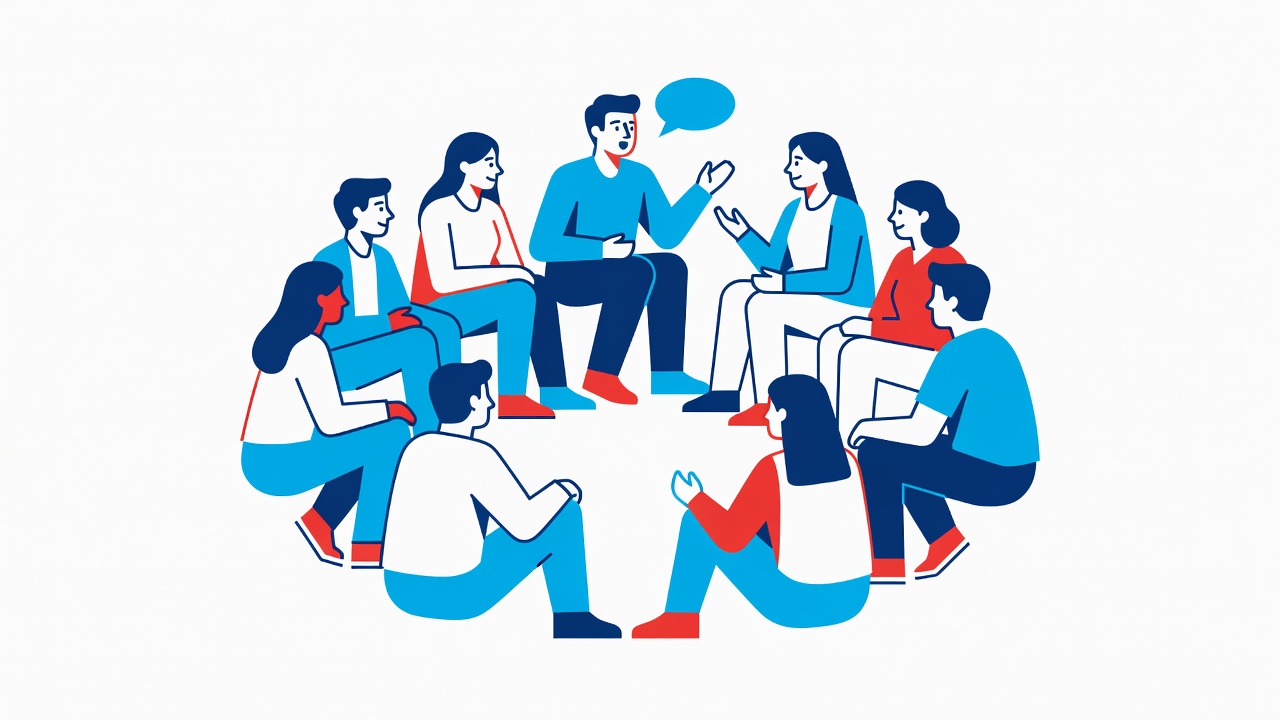
Of the 26 Boost Skills, the People Skills cluster has the most immediate, observable impact. These are skills students can practice in every interaction, every day.
Using names. Dale Carnegie wrote about this a century ago and it's still true: no sound is more important to a person than their own name. Students who make a habit of using names are remembered, trusted, and liked. It requires intention, not talent.
The "turn the lights out" mindset. One of the mental models Boost teaches: when you enter a conversation, switch off the urge to talk about yourself, impress, or one-up. Put the spotlight entirely on the other person. Ask about them. Listen. Follow up. This is the behavior pattern that makes someone genuinely likeable — not performance or charm, but real attention.
Don't one-up. One of the most relationship-damaging habits, and one of the most common. Someone shares a story; the automatic response is to share a bigger one. It feels natural, even connective. But it communicates the opposite of what's intended. Teaching students to notice and stop this habit changes how they come across immediately.
Giving genuine compliments. Specific and sincere compliments build the other person up and signal you're paying attention. "Nice job" is noise. "The way you explained that made it way easier to understand" creates connection. Students who learn to give real compliments become the kind of people others want to be around.
What Schools Can Do
The conversation skills crisis is real, and it won't fix itself. But it's not complicated to address. Schools need three things: explicit instruction, structured practice, and repetition over time.
Explicit instruction means naming the skill, explaining why it matters, and showing what it looks like. Most students have never had someone sit down and say: "Eye contact is a skill. Here's how it works. Here's why it matters. Here's how to practice it." Framed that way, students engage — because it's true, it's concrete, and it applies immediately.
Structured practice means low-stakes environments where students try the skill and get feedback. Role-play, pair conversations, mock interactions. The feedback loop builds the skill. Watching someone demonstrate eye contact doesn't transfer it — practicing it does.
Repetition over time is why a single assembly or workshop doesn't move the needle. Skills are built through repetition across contexts. An 8-week program that returns to the same competencies, applies them in new scenarios, and holds students accountable in real life — that's what produces behavioral change.
95% of students who complete Boost say they now clearly understand which skills are crucial for their success. More importantly, they know what to do with that understanding.
The Employer Data Closes the Loop
Student wellbeing matters on its own terms. But these skills also determine who gets hired.
Hiring managers consistently name communication and interpersonal skills as the most critical — and most lacking — qualities in new hires. Not technical competence. Not credentials. The ability to make eye contact, listen, ask a good question, and show up consistently.
The students in your classrooms today will be in job interviews in two to four years. The ones who can hold a real conversation — who listen, ask follow-up questions, make eye contact, and remember someone's name — will get the offer. The ones who haven't developed these skills will struggle and often won't know why.
This is a teachable problem. It's solvable — if schools decide to treat it as a skills gap rather than a character deficit.
Frequently Asked Questions
Why are teenagers struggling with basic conversation skills?
The main driver is reduced face-to-face interaction since smartphone adoption crossed 50% among teens in 2012. But the deeper issue is that these skills were never explicitly taught — they were absorbed informally through social time that has largely disappeared. The solution isn't to remove phones; it's to teach the skills directly.
What specific people skills are most important for high school students?
The highest-impact skills are active listening, eye contact, asking follow-up questions, using people's names, reading non-verbal signals, and giving genuine compliments. These are learnable at any age and have immediate, observable effects on how students are perceived by teachers, peers, and future employers.
How do you teach conversation skills to teenagers?
By naming the skill explicitly, explaining why it matters, providing structured practice with feedback, and repeating across contexts over time. One-off workshops don't build skills. An 8-week program that revisits the same competencies in multiple scenarios does.
What do employers say about communication skills in young hires?
Communication and interpersonal skills are consistently cited as the biggest gap in new hire readiness — above technical skills, credentials, or experience. Candidates who make eye contact, listen well, and ask good questions stand out significantly from peers who don't.
Can a school realistically teach soft skills in existing time?
Yes. Boost runs in 8 weeks at 1.5 hours per week, fitting inside advisory periods, elective slots, or career readiness classes without touching core academic time. No new budget line or additional teacher prep is required.
See What a People Skills Curriculum Looks Like in Your School
Schedule a free discovery call with the Boost team. We'll walk you through the program, delivery options, and how it fits your schedule.
Schedule a Discovery CallReferences
- Twenge, Jean M. iGen. Atria Books, 2017.
- U.S. Chamber of Commerce. Workforce Readiness: New Hire Preparedness. uschamber.com/workforce
- National Association of Colleges and Employers. Job Outlook 2025. naceweb.org
- Haidt, J. and Twenge, J.M. "This Is Our Chance to Pull Teenagers Out of the Smartphone Trap." The New York Times, 2021. nytimes.com
- Carnegie, Dale. How to Win Friends and Influence People. Simon & Schuster, 1936.