Where Do Soft Skills Fit in the Master Schedule? Advisory, Elective, or Standalone Course
- 83% of principals reported using an SEL curriculum in 2023 to 2024, according to RAND, so the real question is no longer whether but where it lives in the schedule.
- Advisory is the cheapest home, often described as 15 to 20 minutes at the start or end of the day, but federal reviewers say studies of its impact are limited and staff feel overwhelmed.
- Electives and standalone courses protect time and a dedicated teacher, and they cost master schedule space.
- A meta-analysis of 213 programs and more than 270,000 students found that short-term gains predicted long-term gains, so protected, repeated practice matters more than the label on the period.
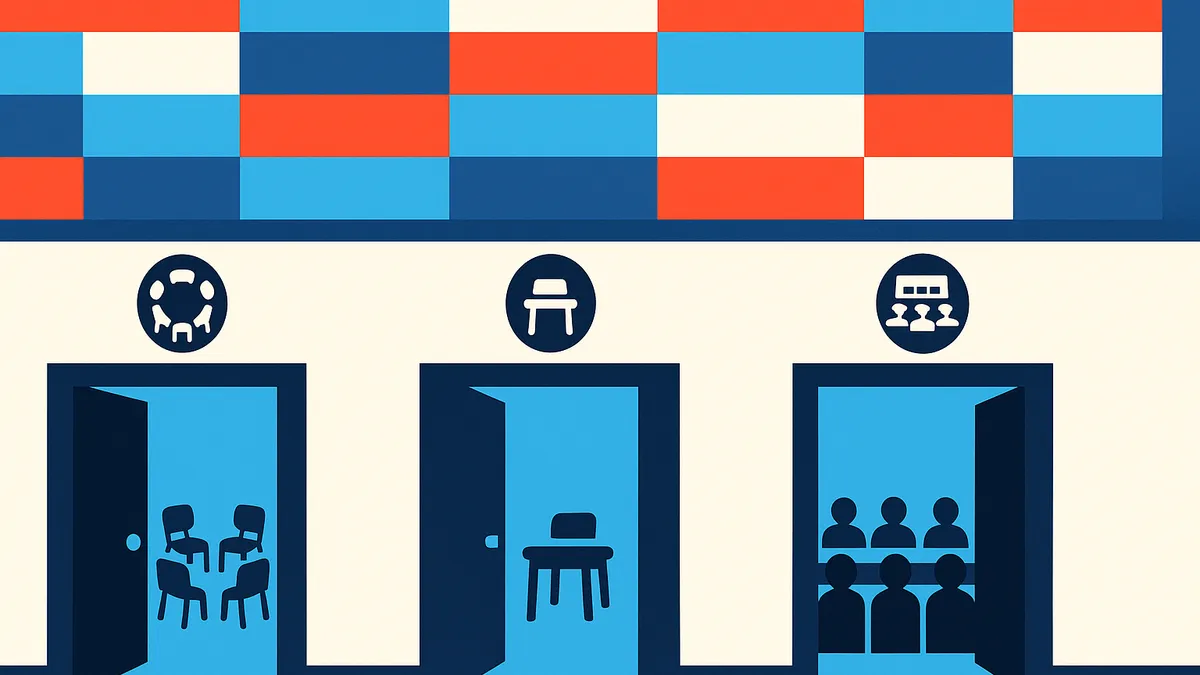
Picture a team building next year's master schedule on a whiteboard. Every period is spoken for. Someone says soft skills matter, everyone nods, and then the marker hovers. Where soft skills fit in the school schedule is not a side question, because it decides who teaches them, how often, and whether the lessons survive a rough October. This comparison weighs three common homes, an advisory period, an elective, and a standalone course, and it says plainly where the evidence runs thin. By soft skills we mean communication, teamwork, follow-through, and the other behaviors that determine how students apply what they know.

Why Placement Decides Whether Soft Skills Get Taught
Placement decides what actually happens on Tuesday morning, which is usually different from what the plan says. RAND found that 83% of principals reported their schools used an SEL curriculum by the 2023 to 2024 school year, up from 76% two years earlier (RAND). Adoption is high. Consistent delivery is the harder part.
The research on durability explains why. In a large meta-analysis covering 213 school-based programs and more than 270,000 students, effects tended to fade over time, and the best predictor of long-term gains was the strength of short-term gains (Kappan summary of the research). The authors recommended programming that is "planned, ongoing, systemic." A schedule slot is how you make something planned and ongoing. If you are still choosing content, our guide to choosing a soft skills curriculum for high school covers that side.
Advisory Periods: Strengths and Limits
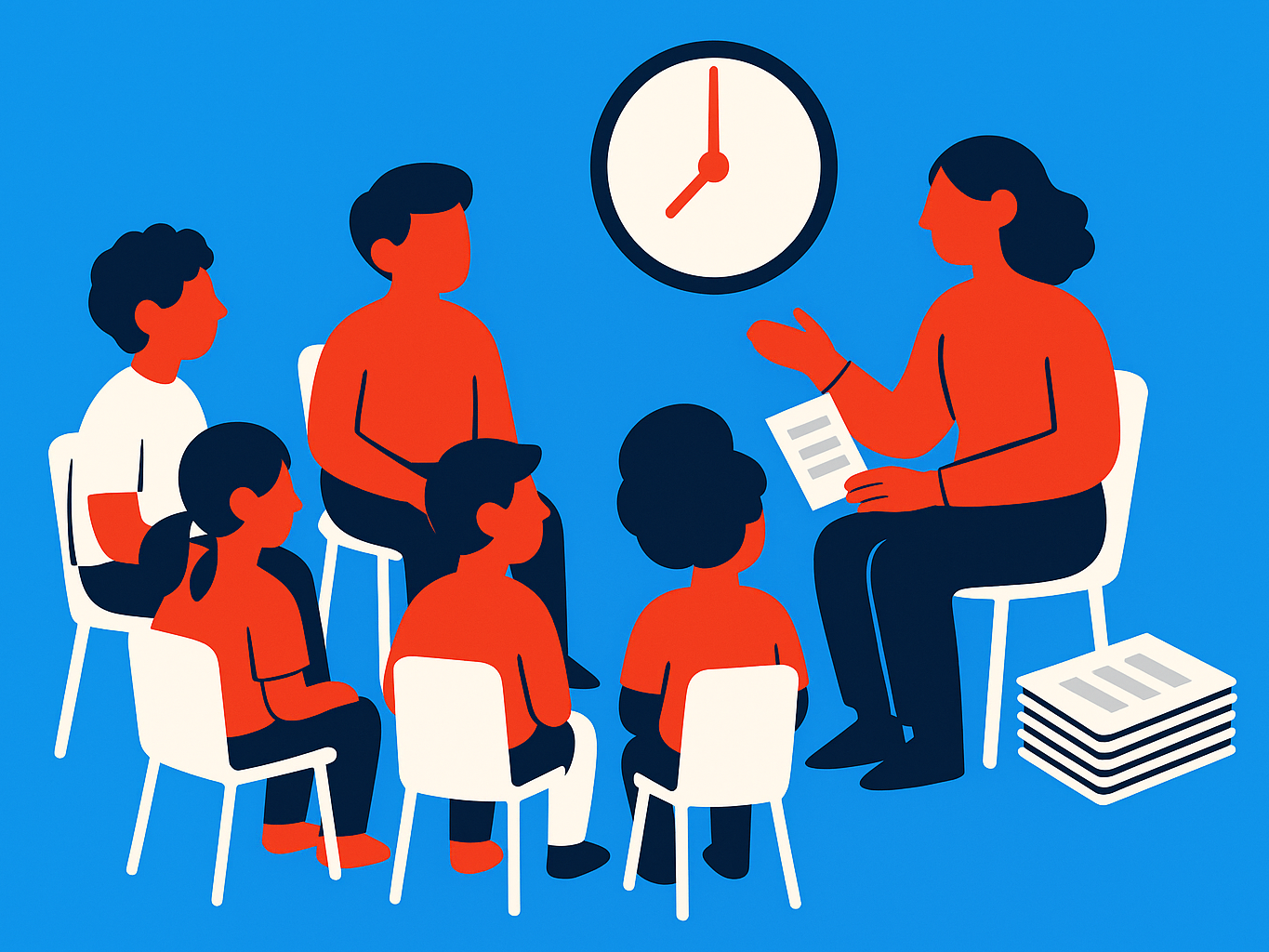
An advisory period is a block in which an assigned adult supports a small group of students, and its main strengths are cost and relationships. The IES Regional Educational Laboratory Northwest defines an advisory program as an intervention "during which an assigned advisor provides support to students to meet their academic and personal goals," and notes that effective advisory can foster social-emotional development and teacher-student relationships (IES REL Northwest).
The limits are just as well documented. The same review states that "empirical studies identifying the impact of student advisory are limited," that implementation varies across advisors, and that staff feel overwhelmed taking on additional work. One scheduling guide describes advisory as 15 to 20 minutes at the start or end of the day, which is a thin slice for practicing skills (DM Group). A high school teacher in Kentucky told EdWeek that SEL "feels like pre-packaged material that often isn't applicable to our students' needs" (EdWeek), which is exactly the risk when every advisor runs an activity menu in their own way.

Electives: Strengths and Limits
An elective gives soft skills a real class period and a chosen teacher, but it reaches only the students who sign up. One scheduling guide describes a standalone SEL class that replaces an elective or specials period and is taught by a counselor in a safe, structured space (DM Group).
Here is our read of the trade-offs, which is analysis and not research. The strength is focus: students who choose the course tend to be willing, and a teacher can plan a sequence. The limit is coverage. The students who most need the practice may not pick it over a more attractive elective, and the course competes with every other elective for a seat and a staff member. If you go this route, think about how you will enroll the students you most want to reach.

Standalone Courses: Strengths and Limits
A standalone course for every student gives you the most consistent delivery, and it asks the most of your master schedule. Everyone gets the same instruction, from a teacher who knows the material, on a calendar you control. That is the model Boost follows: a dedicated course instead of lessons sprinkled across subjects, because the skills are taught once, practiced, and repeated. We have not compared Boost outcomes by scheduling model, so we make no claim about which home works best.
The honest counterargument comes from the Aspen Institute, which urged educators to approach social and emotional development "not as an add-on or discrete intervention, but as an integral part of the academic program" (Aspen Institute). That view favors weaving skills into every class. The trade-off is consistency, since integration depends on every teacher doing it every day. Our look at what high schools try when SEL stalls explores that tension.

A Decision Grid for Choosing Your Schedule Model by School Type
Match the model to the constraint that is hardest for your school to change. These are our recommendations, based on the trade-offs above.
- Thin staffing, tight schedule: start with advisory, give advisors a real sequence and training, and expect to measure carefully.
- Flexible electives, strong counseling team: an elective can work, provided you plan how to enroll the students who need it.
- A priority you can protect: a standalone course for a grade level gives the most dependable delivery, but only if you can hold the period.
Whatever you pick, confirm what consistent delivery requires: a named teacher, a protected time slot, a sequence of lessons, and room for practice. Our guide to adding a soft skills curriculum without adding to teachers' plates shows how to keep the load realistic.

Making the Switch When Your First Schedule Choice Stalls
Switch when the lessons are no longer happening on the days you planned, not when the program feels unpopular. Look for three signals: sessions that get skipped, advisors improvising, and no one able to say what students practiced last month. Because short-term gains predict long-term gains, a weak first semester is a reason to restructure, not wait.
A common path is to move from advisory to a short, dedicated course once you learn the time was too thin. Another is to pilot a new model with one grade before changing the whole schedule. For reference, Boost is an 8-week program with about 1.5 hours per week, which gives you a bounded block to test. If you want to talk through how a dedicated course could fit your master schedule, you can schedule a discovery call.

Frequently Asked Questions
What Is an Advisory Period?
It is a block in which an assigned adult supports a small group of students on academic and personal goals. IES REL Northwest notes that studies of its impact are limited.
Should Soft Skills Be an Elective or Required?
The research does not settle it. An elective is easier to staff but reaches fewer students, while a required course reaches everyone and takes more schedule space.
Can Soft Skills Be Taught Inside Existing Classes?
Yes. One scheduling guide describes short mini-lessons of 3 to 4 minutes, though it warns that teachers need regular training to do this well.
How Much Time Does a Soft Skills Course Need?
There is no single research-backed number. Boost uses 8 weeks at about 1.5 hours per week as a bounded example.
References
- RAND: Social and Emotional Learning in U.S. Schools
- Kappan: An Update on Social and Emotional Learning Outcome Research
- IES REL Northwest: Advisory Programs
- DM Group: How to Build SEL Into Secondary School Schedules
- EdWeek: Does Social-Emotional Learning Really Work?
- Aspen Institute: This Time, With Feeling
- How to Choose the Right Soft Skills Curriculum for High School
- SEL Isn't Working? Here's What High Schools Are Trying Instead
- How to Add a Soft Skills Curriculum Without Adding to Teachers' Plates
Ready to bring Boost to your school?
Schedule a discovery call to see how the Boost curriculum fits your students.
Schedule a Discovery Call