The 14–24 Brain Window: Why Adolescence Is the Best Time to Teach Soft Skills
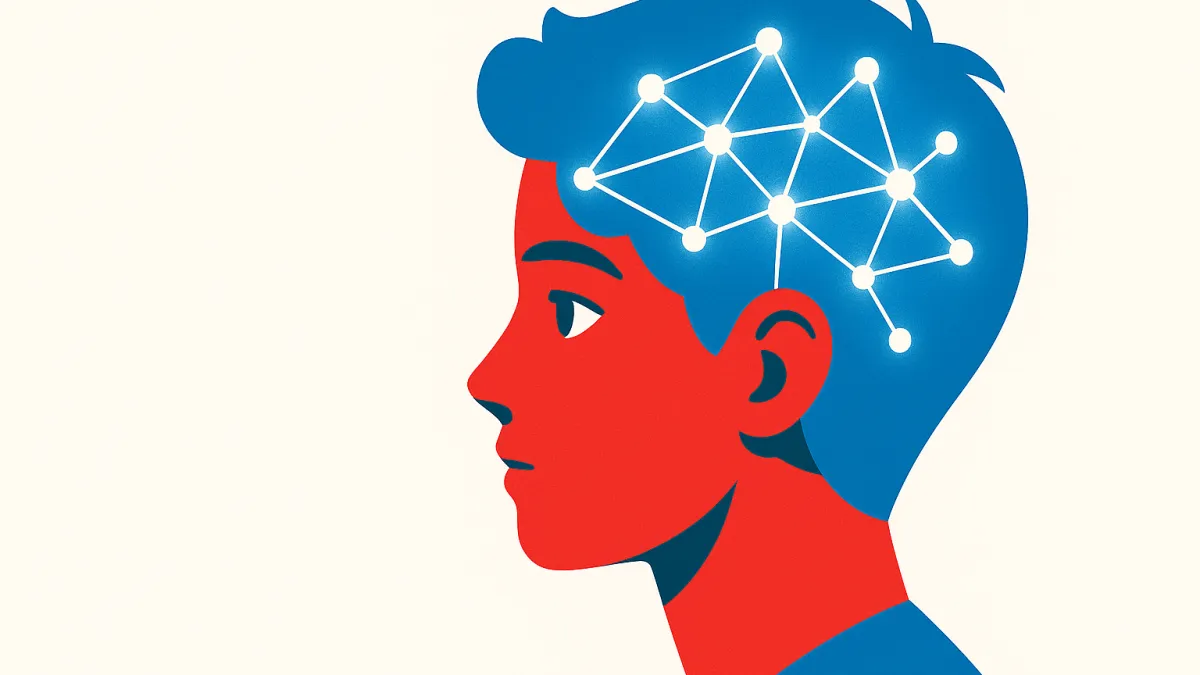
- The prefrontal cortex — the region responsible for weighing consequences and regulating impulses — is still under active construction through the mid-20s, which is exactly why lecture-based "be responsible" lessons land differently on a 15-year-old than on a 30-year-old.
- Newer neuroscience covered by ScienceDaily and Psychology Today in 2026 pushes the window of major structural brain development out further than the traditional "done by 25" marker, with some researchers tracking meaningful change into the early 30s — which changes the urgency story schools have been telling.
- Adolescence isn't just "the brain still developing" in a generic sense — researchers describe it as a sensitive period of heightened neural plasticity specifically for social and emotional learning, not just academic content.
- A 2024 meta-analysis in the Journal of Youth and Adolescence found that SEL programs built around active skill practice produced meaningfully larger effects than programs built around instruction alone — dosage and repetition, not exposure, is what moves outcomes.
- Boost is built around this window directly: an 8-week course teaching 26 Boost Skills across People Skills, Character, and Healthy Mindset, through lesson, practice, and repetition — not a single assembly timed to a "last chance before graduation" narrative.
A school counselor at one of our partner districts likes to tell people that her building runs two curricula: the one on the syllabus, and the one that actually happens in the hallway between periods. The syllabus curriculum teaches algebra and world history. The hallway curriculum teaches who gets to sit where at lunch, how to read a friend's tone before a soft "you're being weird" turns into a real fight, and whether asking a teacher for help makes you look weak. Most schools have almost nothing to say about that second curriculum, even though the science is increasingly clear that this exact age — not earlier, not later — is when a teenager's brain is best wired to actually learn it.
That's not a metaphor. It's biology. And it has real implications for when and how soft skills should be taught, not just whether they should be.
The Adolescent Brain Is Still Under Construction, and That's the Point
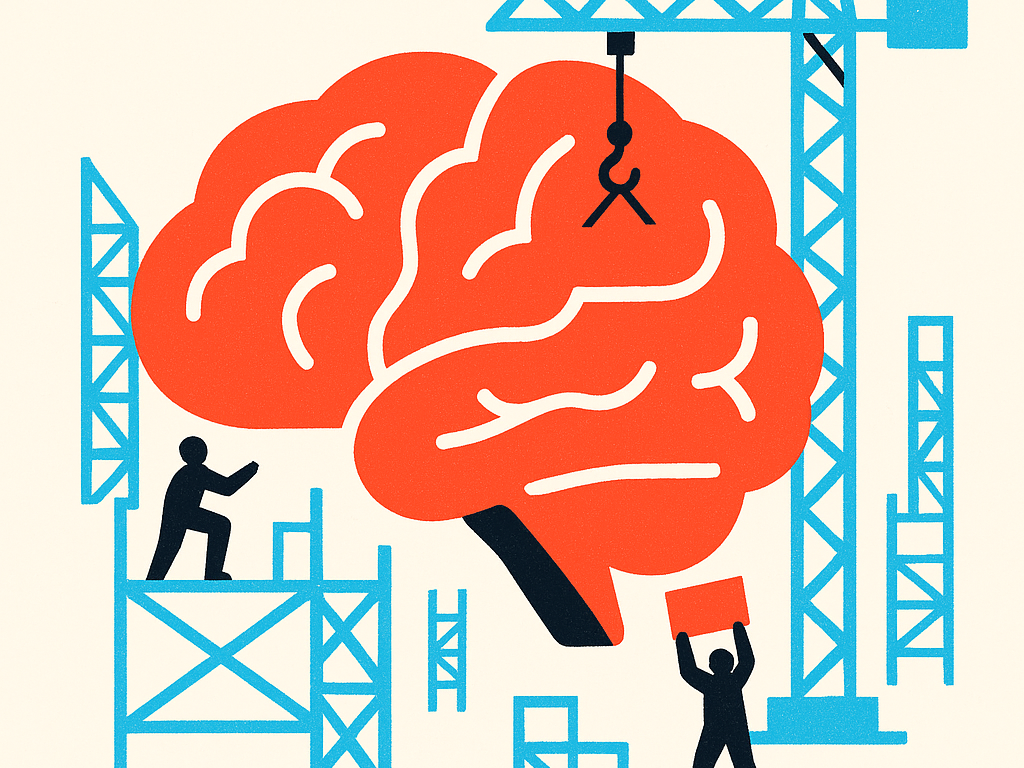
The prefrontal cortex is the part of the brain responsible for planning, weighing consequences, and controlling impulses — the exact toolkit behind most of what gets labeled a "soft skill." It is also, notably, the last region of the brain to fully mature. Longstanding research summarized in the National Institutes of Health's overview of adolescent brain maturation places that process as continuing into the mid-20s, well past the age most schools stop directly teaching anything resembling character or self-management (see Maturation of the Adolescent Brain).
Newer findings complicate the picture further, in a way that actually strengthens the case. A 2026 study covered by ScienceDaily and Psychology Today found evidence of meaningful structural brain development continuing well beyond the traditional mid-20s marker, with some trajectories tracked into the early 30s. For years, the "brain isn't done until 25" framing has been used mostly as a warning — don't expect a 17-year-old to reason like an adult. The more useful reading is different: if the window for building this wiring is longer and more responsive than previously assumed, the years from roughly 14 to 24 aren't a countdown to a hard deadline. They're the period when direct, structured practice pays the highest return, precisely because the architecture is still being laid down rather than fixed.
Adolescence Is a Sensitive Period for Social Learning, Specifically
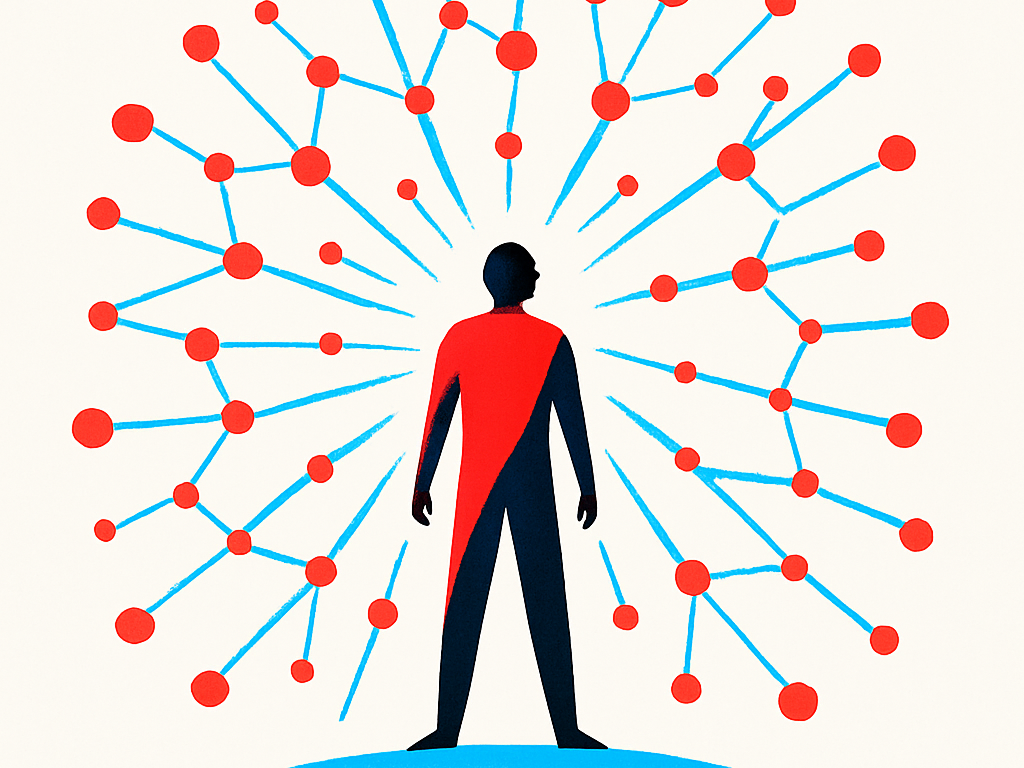
Brain science distinguishes between general plasticity, which exists throughout life, and a sensitive period — a developmental window when the brain is unusually responsive to a specific category of input. Researchers who study adolescent neurodevelopment, including work summarized by UCLA's Center for the Developing Adolescent, describe the teen years as a sensitive period for social and emotional learning specifically, driven by rapid change in the brain's social-processing circuitry, not just general cognitive growth (see The Connecting Brain: An Overview of Adolescent Brain Development). Neuroscience educators who train coaches and teachers on this material, such as researcher Stefanie Faye, make a related argument in her work with educators: what gets called a soft skill isn't a fixed personality trait at all, but a trainable neural circuit — and those circuits are most efficiently built while this window is open, not after it closes.
That distinction matters for how a school thinks about timing. If soft skills were purely a personality question, the right response would be sorting: identify which students are naturally resilient or naturally good communicators and build around that. If they're a trainable circuit tied to a sensitive developmental period, the right response is instruction — delivered on purpose, during the years the brain is primed to absorb it, not left to whichever students happen to pick it up from a good coach or an involved parent.
Why a Single Assembly Doesn't Match the Science
Here's where the neuroscience runs directly into how most schools actually deliver this content. A 2024 meta-analysis published in the Journal of Youth and Adolescence examined which components of SEL programs actually drove outcomes, and found that programs emphasizing active skill practice — structured, repeated opportunities to use a skill, not just hear about it — produced meaningfully stronger effects than programs built primarily around instruction or discussion (see Effective Components of Social Emotional Learning Programs: A Meta-Analysis). A separate 2025 systematic review found that SEL program effects vary substantially by grade band, meaning a curriculum designed for third graders and stretched upward for a high schooler is working against, not with, how the intervention was validated (see Disentangling the Effects of Social and Emotional Learning Programs on Student Academic Achievement Across Grades 1–12).
Put together, this is the case against the 45-minute assembly, stated plainly: a single exposure during a brain-optimal window for repeated learning is a mismatch between the biology and the delivery method. It's the equivalent of handing a student a single piano lesson and expecting them to play at a recital. The science doesn't say adolescents can't learn soft skills quickly. It says the format has to match how this specific window actually works — dosage over time, practiced under realistic conditions, not a single dose of information.
What This Means for How Schools Should Actually Structure the Work
None of this requires a neuroscience degree to act on. It requires treating soft skills instruction the way schools already treat any other skill that benefits from a sensitive learning period — sequenced, repeated, and given real instructional time, not bolted onto an advisory period once a semester.
A few practical implications follow directly from the research above:
- Dosage beats a single event. A skill built through eight weeks of structured practice sessions will outperform a one-time keynote, even a great one, because the brain circuitry involved needs repetition to consolidate, not a single strong impression.
- High school needs its own design, not a middle school program stretched upward. Given how much SEL effects vary by grade band, a soft skills course built specifically for 14-to-18-year-olds should look different from one built for ten-year-olds — different scenarios, different stakes, different tone.
- The urgency story should change. "Last chance before graduation" isn't accurate if the developmental window runs well past 18. That's useful, because it means a soft skills course doesn't have to be treated as a race against a hard biological deadline — it has to be treated as instructional time worth protecting every year a student is in the building.
- Practice under real conditions, not hypotheticals. Since the sensitive period is specifically social, scenarios that involve actual peer dynamics — a real hallway conflict, real social pressure — teach more than an abstract worksheet about "good choices."
This is the same logic behind Boost's own design: an 8-week course structured around the 26 Boost Skills across People Skills, Character, and Healthy Mindset, delivered by a certified coach or trained staff member through lesson, practice, and repetition — not a single assembly and not a slogan. In our own pilot cohort of roughly 30 students over 8 weeks, 87% could clearly articulate by the end that life is skill-based — that there's a specific, learnable set of skills behind getting what they want out of life — up from a small handful at the start. That's a small, self-reported pilot, not an independent trial, and worth saying plainly rather than dressing up. But it lines up with what the broader research on dosage and repetition would predict.
The Takeaway
The teenage years aren't just a phase to survive until the "real" adult brain shows up. They're a specific, biologically primed window for building the exact skills — self-regulation, communication, perspective-taking, decision-making under pressure — that most schools currently treat as either innate or optional. The research increasingly suggests the window is longer and more responsive than the old "done by 25" framing implied, which is good news: there's more runway than the urgency messaging usually admits. What the science is consistent on is the format. Skills built through structured, repeated practice during this window stick. Skills covered in a single assembly mostly don't.
Frequently Asked Questions
What Is the 14–24 Brain Window?
It refers to the extended period, roughly from early adolescence into the mid-20s, during which the brain — particularly the prefrontal cortex responsible for planning and impulse control — is still developing and unusually responsive to structured social and emotional learning. Some newer research suggests meaningful development continues even further, into the early 30s for some trajectories.
Why Is Adolescence Considered a Critical Period for Learning Soft Skills?
Researchers describe adolescence as a "sensitive period" — a window of heightened neural plasticity specifically tied to social and emotional processing, not just general cognition. That makes structured practice in skills like communication, self-regulation, and decision-making unusually effective during these years compared to passive instruction alone.
Does the Brain Finish Developing at 18 or 25?
Neither, based on current research. The traditional marker cited by developmental neuroscience has been the mid-20s, around 25, for full prefrontal cortex maturation. More recent studies have found evidence of meaningful structural brain development continuing well beyond that, into the early 30s for some individuals.
Can Soft Skills Actually Be Taught, or Are They Just Personality Traits?
The research supports treating soft skills as trainable, not fixed. Neuroscience-informed frameworks describe skills like communication and emotional regulation as built through repeated practice that shapes neural circuitry, rather than traits a student either has or lacks by nature.
Why Doesn't a Single Assembly or Guest Speaker Work as Well as an Ongoing Course?
Meta-analysis research on SEL program design has found that active, repeated skill practice produces meaningfully stronger outcomes than instruction-only formats. A single event provides exposure to an idea; it doesn't provide the repetition the brain needs to consolidate a new skill during this developmental window.
References
- Maturation of the Adolescent Brain, National Institutes of Health
- Brain Development May Continue Into Your 30s, New Research Shows, ScienceDaily
- The Connecting Brain: An Overview of Adolescent Brain Development, UCLA Center for the Developing Adolescent
- Effective Components of Social Emotional Learning Programs: A Meta-Analysis, Journal of Youth and Adolescence (2024)
- Disentangling the Effects of Social and Emotional Learning Programs on Student Academic Achievement Across Grades 1–12, 2025