Why Empathy Is the Hardest Boost Skill to Teach (And the Most Important)
Empathy resists the worksheet-and-quiz approach that works for other skills. It has to be practiced through real interaction, and that changes what teaching it well actually requires.

- Empathy is one of the hardest Boost skills to teach because it can't be memorized or tested the way facts can.
- Lecture-based empathy instruction rarely transfers into actual behavior, the same gap that shows up with most soft skills taught by discussion alone.
- Effective empathy instruction requires real or simulated interaction, not just talking about what empathy is.
- Boost teaches empathy as one of eight Character Skills, alongside honesty, humility, kindness, and sincere apology.
- A student who can define empathy on a quiz and a student who practices it in a real conversation are demonstrating two entirely different things.

Why Empathy Resists the Standard Teaching Approach
Most academic skills can be taught, tested, and verified: a student either knows the formula or doesn't. Empathy doesn't work that way. A student can define it perfectly on a quiz and still struggle to actually notice when a friend is upset, or worse, notice and not know what to do about it. That gap between knowing and doing is exactly why empathy sits among Boost's Character Skills rather than something covered in a single lesson and considered done.

Why Lecture-Based Empathy Instruction Doesn't Transfer
Talking about empathy in the abstract, what it is, why it matters, doesn't build the actual skill any more than reading about push-ups builds arm strength. Empathy is a behavior, not a fact, and behaviors require practice in something resembling a real situation before they transfer to an actual one. This is the same principle behind deliberate practice research more broadly: structured practice consistently outperforms passive instruction on measurable skill acquisition, and empathy is no exception.

What Practice-Based Empathy Instruction Looks Like
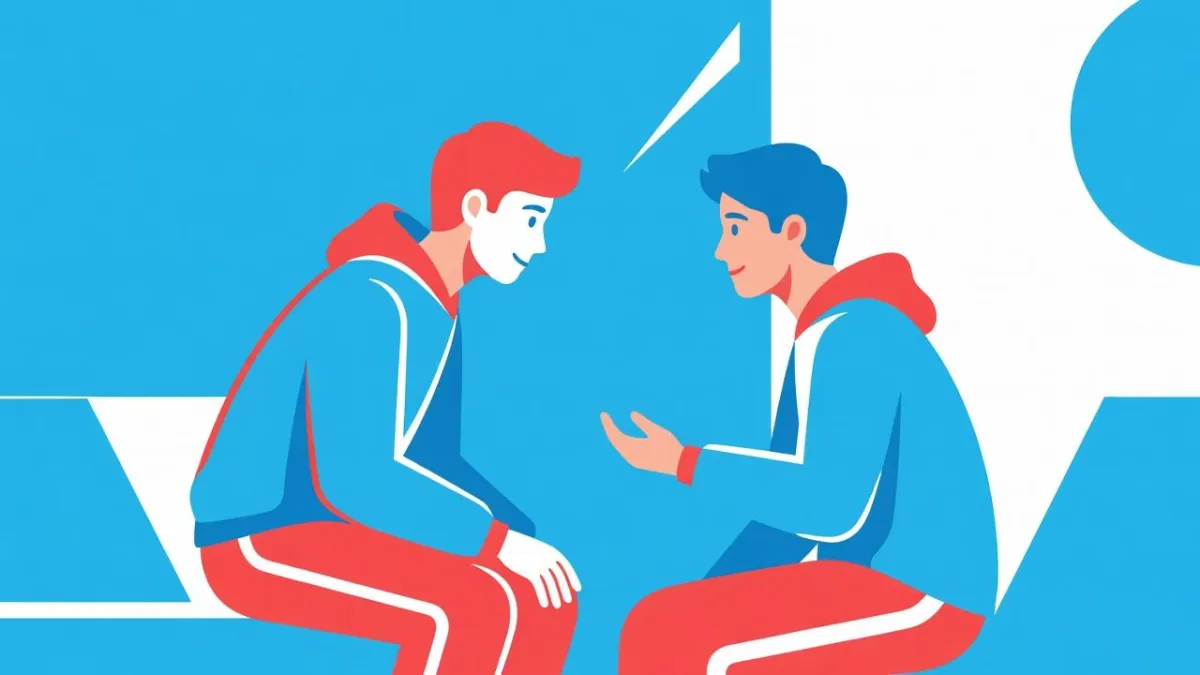
Boost's approach leans on role play: students practice reading a peer's reaction, responding to a scenario where someone is disappointed or frustrated, and getting immediate feedback on whether their response actually landed as caring or came across as dismissive. This mirrors the four-step Boost Formula: instruction on what empathy looks like, practiced through a realistic scenario, reviewed (sometimes on video) so students can see the moment their response landed or didn't, and honestly self-assessed afterward.

What to Expect Starting From Zero
Empathy instruction rarely produces dramatic overnight change, and that's by design, not a shortcoming. The goal is a student who's slightly more likely to notice and respond well the next time it matters, then slightly more the time after that. Given enough repetition across an 8-week program, that compounding is where real change comes from, not a single breakthrough lesson.
Frequently Asked Questions
Can Empathy Be Taught?
Yes, but not through lecture alone. Empathy is a behavior that requires practice in realistic scenarios with feedback, similar to how any other skill is built through repetition rather than explanation.
How Do You Teach Empathy to Teenagers?
Through role play and realistic practice scenarios where students respond to a peer's situation and get direct feedback on whether their response actually came across as caring, rather than through discussion alone.
Why Is Empathy Important for Students?
Empathy underlies most People and Character skills, from genuine compliments to honest apologies, and students who practice it tend to build stronger relationships and navigate conflict more effectively.