
Why Group Projects Don't Teach Teamwork (and What Actually Does)
- Group projects are widely treated as teamwork instruction, but they mostly distribute academic work rather than teach collaboration skills.
- Real teamwork instruction requires explicit skills, role delegation, conflict navigation, that group projects rarely address directly.
- Structured practice with feedback builds teamwork skills more reliably than an unstructured group assignment.
- Boost teaches teamwork through direct instruction and role play, the same four-step formula used across all 26 skills.
- Schools relying only on group projects for teamwork instruction should expect the same uneven results year after year.
The Group Project Everyone Secretly Hates
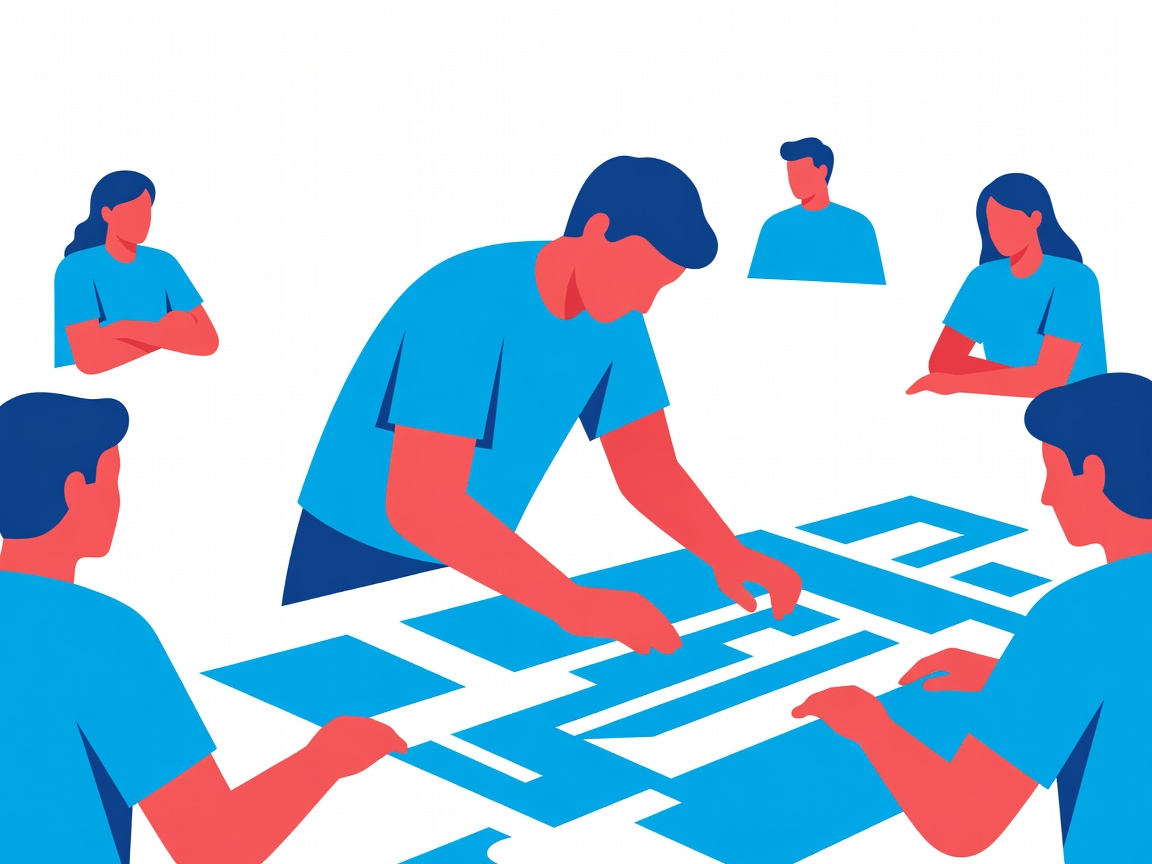
Every student has been in the group project where one person does most of the work, one coasts, and the presentation reflects neither the effort nor the learning that actually happened. That's not a fluke of bad group luck. It's what happens when "teach teamwork" means "assign a shared grade" without ever addressing the actual skills involved.

What Actual Teamwork Instruction Requires
Real teamwork instruction needs to name the specific sub-skills involved, dividing work fairly, giving feedback without conflict, holding a teammate accountable respectfully, and give students structured practice in each one, ideally with a coach or teacher providing feedback on how a specific interaction went, not just the final output.

How Boost Teaches Teamwork Through Structured Practice
Teamwork-adjacent skills sit inside Boost's People Skills pillar and get the same treatment every other skill does: direct instruction on what the specific behavior looks like, role-play practice in a low-stakes scenario, and feedback on what actually happened, following the same four-step Boost Formula used across all 26 skills.
Frequently Asked Questions
Do Group Projects Teach Teamwork?
Not reliably. Group projects distribute academic work but rarely provide explicit instruction or practice in the specific sub-skills, delegation, feedback, accountability, that real teamwork requires.
How Do You Teach Teamwork Skills to Teenagers?
Through direct instruction on specific behaviors like fair delegation and respectful accountability, followed by structured practice and feedback, not just an unstructured shared assignment.
What Is the Best Way to Build Teamwork in Students?
Naming the specific sub-skills involved and giving students practice with feedback in each one, rather than assuming teamwork develops automatically from working in a group.