Why So Many High School Interns Struggle With Basic Workplace Skills
- Employers who take on high school interns report the same short list of gaps year after year, and almost none of them are technical, they're about showing up prepared, flagging problems early, and taking feedback without shutting down.
- Nearly 6 in 10 employers say interns and new hires struggle with basic professionalism, according to workforce-readiness survey data, well ahead of any complaint about specific job skills.
- These gaps are interpersonal, not technical, which means they can't be fixed with more resume workshops or a longer list of software tutorials before placement day.
- The fix that actually works is practiced, not explained: students need repeated, low-stakes reps at communicating a problem, receiving correction, and managing a schedule before their first real shift.
- Schools that build this into an 8-week structured course before placement see fewer early-internship failures than schools that rely on a single pre-internship orientation session.
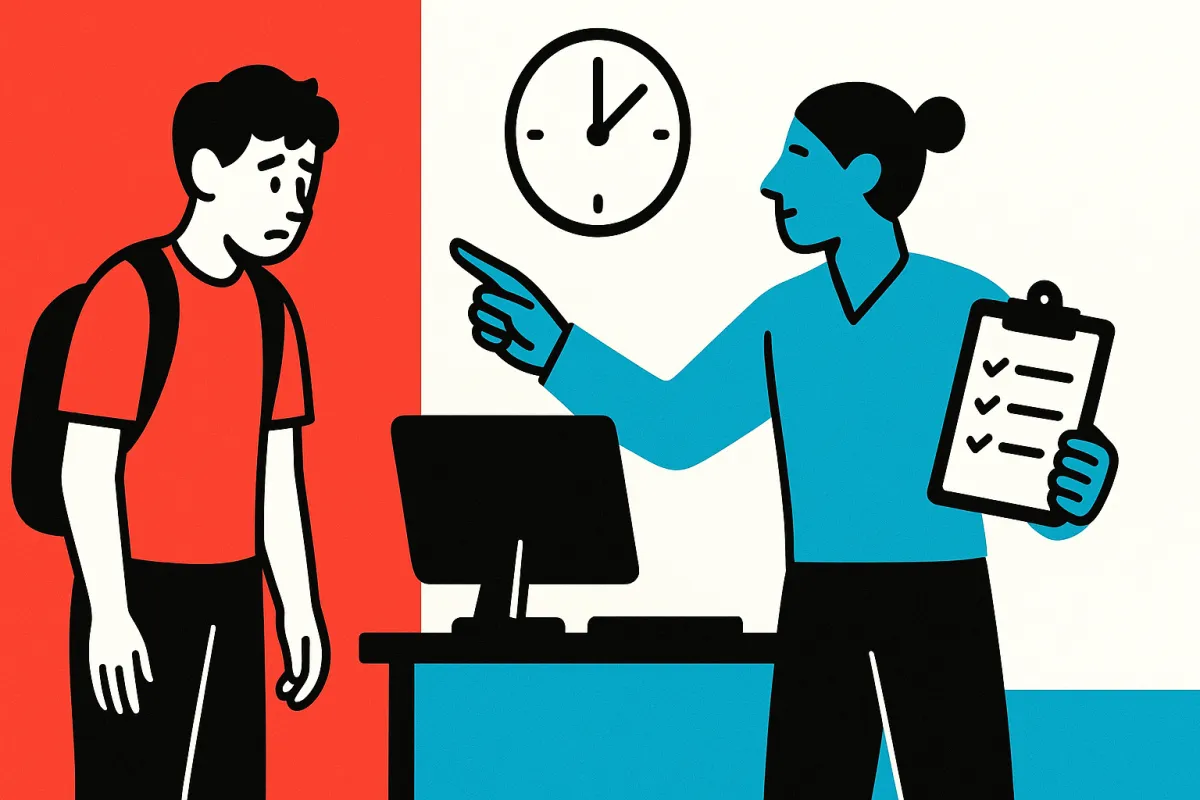
A local manufacturing company took on six high school interns last spring through a district work-based learning partnership. By week three, the supervisor had a private conversation with the school's coordinator about one of them. The student wasn't bad at the work. He'd learned to run the machine faster than most of the adults training him. The problem was that he'd shown up eleven minutes late twice, hadn't said anything about either time, and when his supervisor mentioned it, he shrugged and said "it's not a big deal." It was, in fact, a big deal. It just wasn't the deal anyone had prepared him for.
That story is not unusual. Talk to enough employers who host high school interns and you start hearing the same handful of moments described in slightly different words: the student who didn't ask a clarifying question and did the task wrong instead, the one who went quiet after being corrected, the one who never mentioned a scheduling conflict until the day it became a problem. The gap employers keep describing isn't a skills gap in the traditional sense. It's a readiness gap, and it shows up in the first two weeks, before technical ability ever gets a chance to matter.

The Pattern Employers Keep Reporting
When workforce researchers ask employers what actually goes wrong with young hires, the answer rarely starts with a technical complaint. It starts with professionalism. Nearly 6 in 10 employers report that recent entrants to the workforce struggle with basic workplace professionalism, according to survey data compiled in the U.S. Chamber of Commerce's New Hire Readiness Report, which surveyed hiring managers directly about what they see in entry-level and internship candidates. The report's headline finding, that 4 in 5 hiring managers don't think recent high school graduates are prepared for entry-level work, isn't primarily about whether students can use a spreadsheet. It's about whether they can manage a schedule, communicate a problem before it becomes a crisis, and take a correction without treating it as a personal referendum.
Ask a work-based learning coordinator who places dozens of interns a year, and the list narrows fast to three or four recurring behaviors: showing up on time and staying reachable when plans change, saying something the moment a task isn't going well instead of hoping it resolves itself, asking a clarifying question instead of guessing, and receiving feedback without going quiet or getting defensive. None of that requires a certification. All of it requires practice, and most students arrive at their first internship having had almost none.
The pattern holds across industries. A healthcare employer and a manufacturing employer and a marketing agency will describe wildly different job duties, but when you ask what actually derails an internship in the first two weeks, they converge on the same four or five behaviors almost every time. That convergence is itself the clue: this isn't an industry-specific hiring problem. It's a readiness problem that happens to surface first in whichever workplace a student walks into.
Why These Gaps Are Interpersonal, Not Technical
It's worth being precise about what's actually breaking down, because the instinct in a lot of internship-prep programs is to treat this as a knowledge problem: teach students the norms, walk them through a one-hour "workplace expectations" session before placement, hand them a printed list of dos and don'ts. That approach assumes the gap is informational, that students don't know they're supposed to show up on time or speak up about problems.
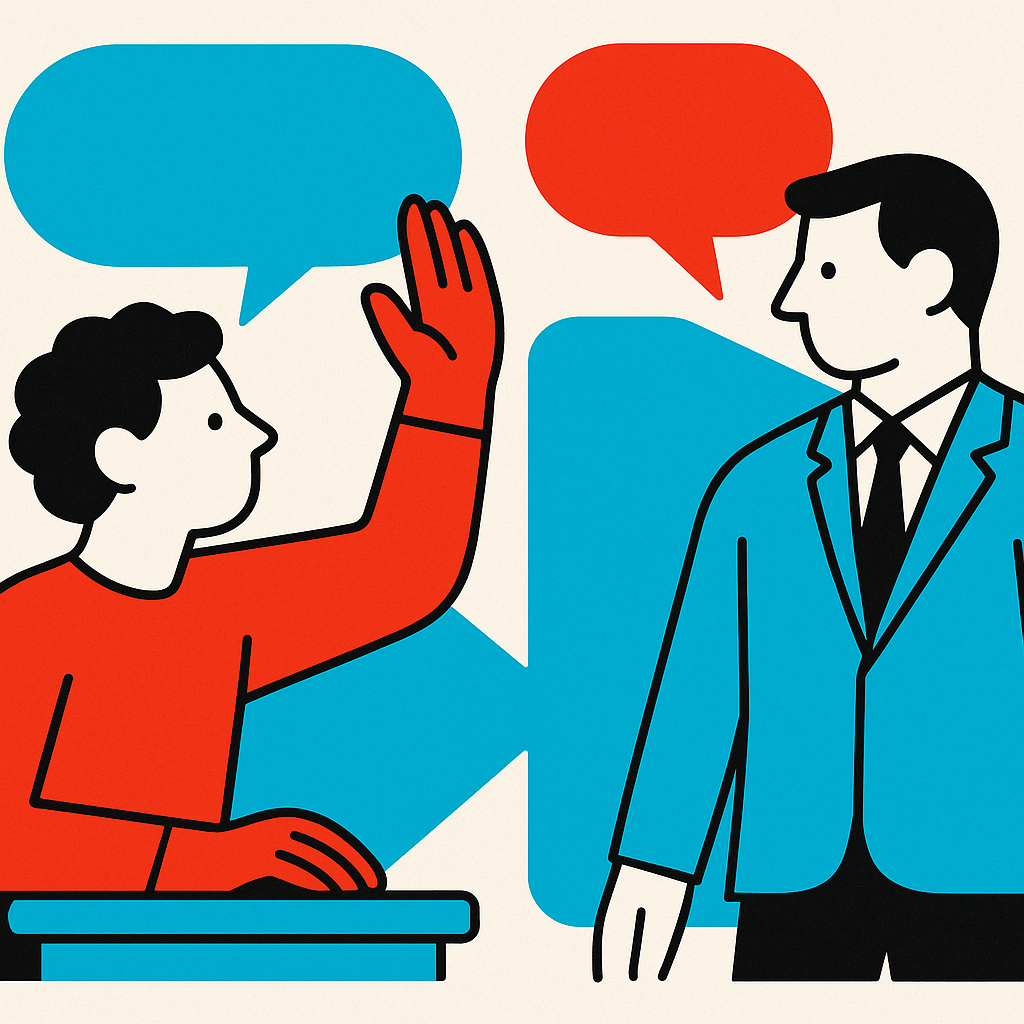
Most students already know that, at least in the abstract. What they haven't done is practice it under real conditions, where the stakes feel higher than a classroom worksheet and the social discomfort of speaking up to an adult authority figure is real rather than hypothetical. Knowing you're supposed to flag a problem early is not the same skill as actually doing it in the moment, with a supervisor standing three feet away and the fear of looking incompetent sitting right behind your hesitation. That's an interpersonal and emotional-regulation skill, not a knowledge skill, and it doesn't transfer from a lecture the way a piece of software training does.
This is the same distinction that shows up across soft-skills research more broadly: telling someone what good communication looks like and building the actual capacity to communicate under mild social pressure are two different undertakings, and only one of them changes behavior. Workforce learning research has consistently found that skills like communication, adaptability, and receiving feedback rank among the hardest for organizations to train precisely because they require repetition and feedback loops, not one-time instruction. An internship orientation session, however well designed, is one-time instruction. It was never going to be enough on its own.
What Schools Can Do Before Placement
The good news buried in this pattern is that if the gap is a practice gap, it's a fixable one, and it's fixable before a student ever walks into their first shift. The fix just has to look different from a pre-internship pamphlet.
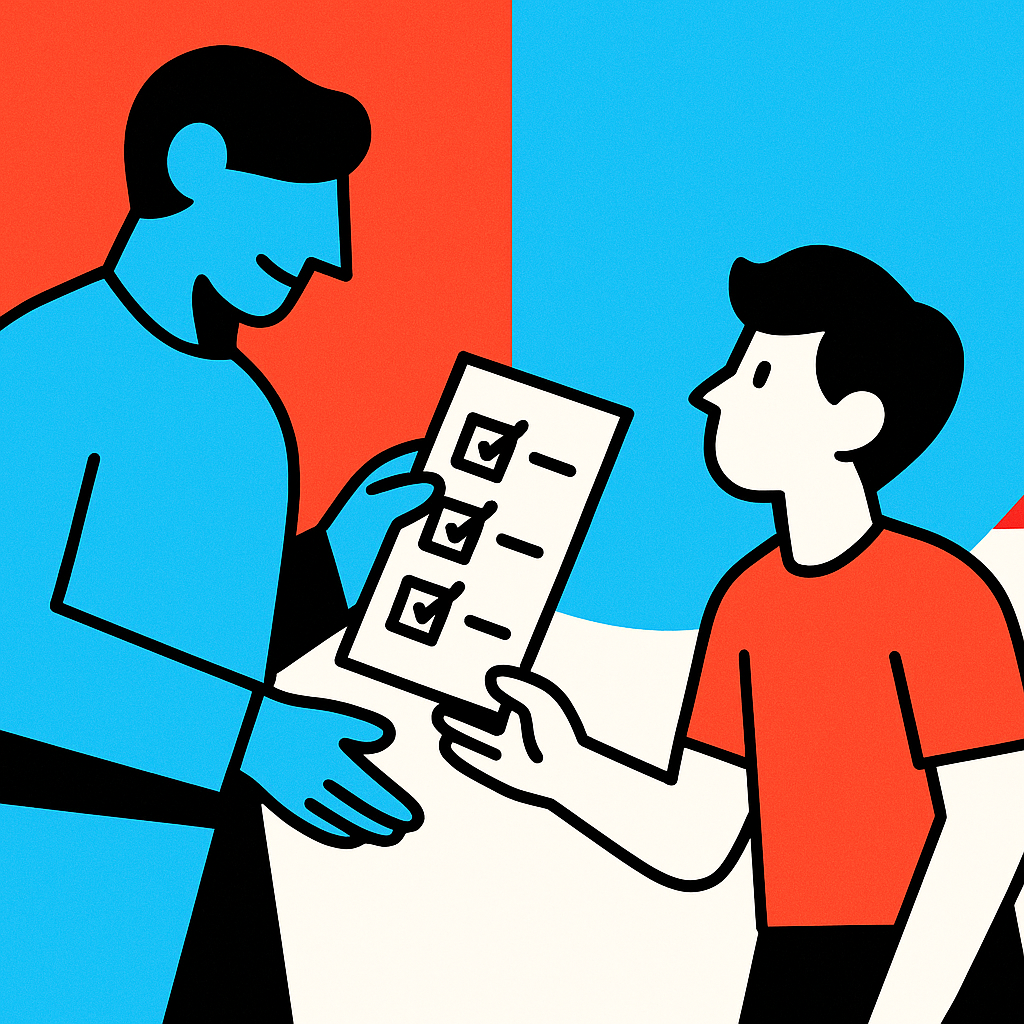
What actually moves the needle is structured, repeated practice at the specific behaviors employers name most: communicating a problem before it grows, receiving correction without shutting down, managing time and follow-through on a commitment. That's the model behind Boost's own 8-week curriculum, delivered by certified coaches across three pillars, People Skills, Character, and Healthy Mindset, that build toward exactly these workplace-transferable behaviors through lesson, guided practice, and repetition rather than a single talk. Students run through scenarios closer to what a real supervisor conversation feels like, get feedback on how they handled it, and try again, the same way any other skill gets built.
Concretely, a school preparing students for internships or first jobs should look for three things in whatever it puts in front of students before placement: repeated practice opportunities, not a single session; scenarios that involve actual social discomfort, not hypothetical worksheets, because the discomfort is the part students need reps at managing; and a feedback loop where a coach or teacher actually responds to how a student handled a practice scenario, the same way a supervisor will respond to how they handle a real one. A program that hits all three builds the muscle. A program that explains the concept and moves on does not, no matter how clearly it's explained.
The coordinator from that manufacturing partnership ended up having a second conversation with her intern, not to write him up, but to walk through what he could have said the moment he knew he'd be late. By the second time it came up, he handled it differently, texted ahead, apologized directly, and got back to work without anyone having to escalate it. That's what the skill actually looks like once it's been practiced instead of just explained. It's a small moment, and it's exactly the kind of moment that decides whether an internship becomes a reference or a cautionary story.

Frequently Asked Questions
What Skills Do You Need for an Internship?
Beyond whatever technical task the role requires, employers most often name punctuality and reliability, proactive communication about problems or scheduling conflicts, the ability to ask clarifying questions instead of guessing, and the capacity to take feedback without becoming defensive. These interpersonal behaviors, not job-specific technical knowledge, are what most often determine whether an early internship goes smoothly.
What Do Employers Look For in Interns?
Employers consistently describe the same handful of qualities: showing up on time and staying reachable when plans change, flagging a problem early rather than letting it surface on its own, asking questions rather than guessing, and responding to correction without shutting down. Survey data shows most hiring managers don't feel confident these behaviors are already in place by the time students reach entry-level roles.
How Do I Prepare My Child for Their First Internship?
The most effective preparation involves practice, not just conversation. Role-play specific scenarios, like flagging a schedule conflict or receiving critical feedback, before the internship starts, so the first time your child handles that situation isn't in front of a new supervisor. Structured programs that build in repeated, low-stakes practice at these exact behaviors tend to outperform a single orientation talk.
Are These Gaps Getting Worse Over Time?
Employer-reported readiness gaps have been a consistent theme in workforce surveys for several years, with the majority of hiring managers reporting concerns about new-hire professionalism rather than technical competence. The pattern isn't new, but it remains widespread, which is part of why schools and districts are increasingly building dedicated instructional time around it rather than treating it as something interns should already know.
Can These Skills Really Be Taught, or Are They Just Personality?
They can be taught, and treating them as fixed personality traits is part of what keeps the gap in place. Communication under pressure, receiving feedback, and proactive problem-flagging are behaviors that respond to structured, repeated practice the same way any other skill does. Students who've had reps at these specific behaviors before placement consistently handle them better than students who've only been told what good behavior looks like.