Why One Assembly Can't Teach a Soft Skill (And How Many Reps It Actually Takes)
- Most schools still address soft skills the way they address a fire drill: one assembly, one guest speaker, one 45-minute session, then back to the regular schedule.
- Behavioral research from University College London found it takes an average of 66 days of repetition, not a single exposure, for a new behavior to become automatic, with a range as wide as 18 to 254 days depending on the behavior.
- The Learning Policy Institute's review of teacher professional development reached a parallel conclusion: one-off training sessions show little to no effect on practice, while sustained, job-embedded learning over months does.
- A single assembly can raise awareness that a skill exists. It cannot build the skill, because awareness and capability are built by two different mechanisms.
- Boost treats soft skills as a dosage problem across 8 weeks of structured lesson, practice, and repetition, not a single event on the school calendar.
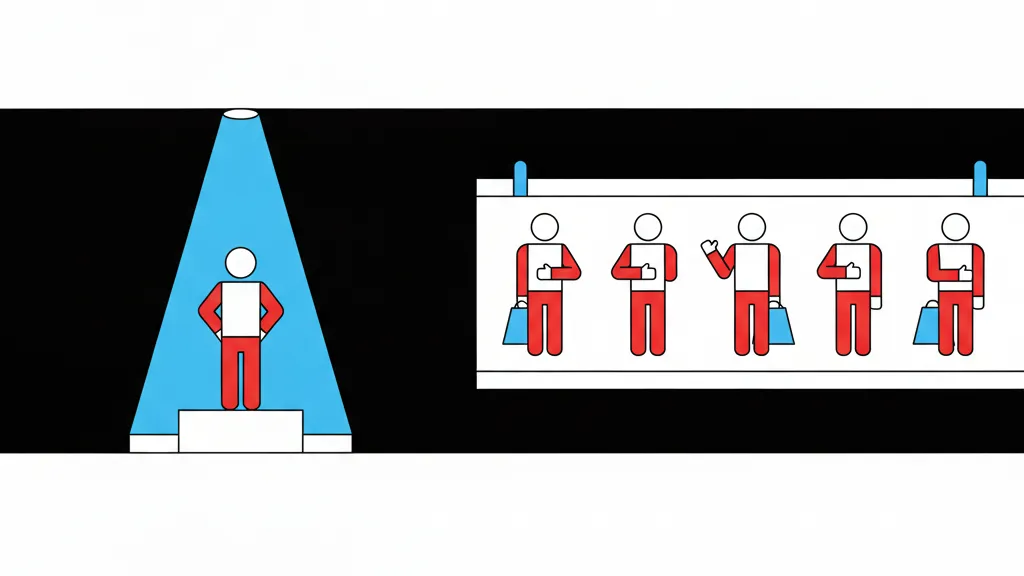
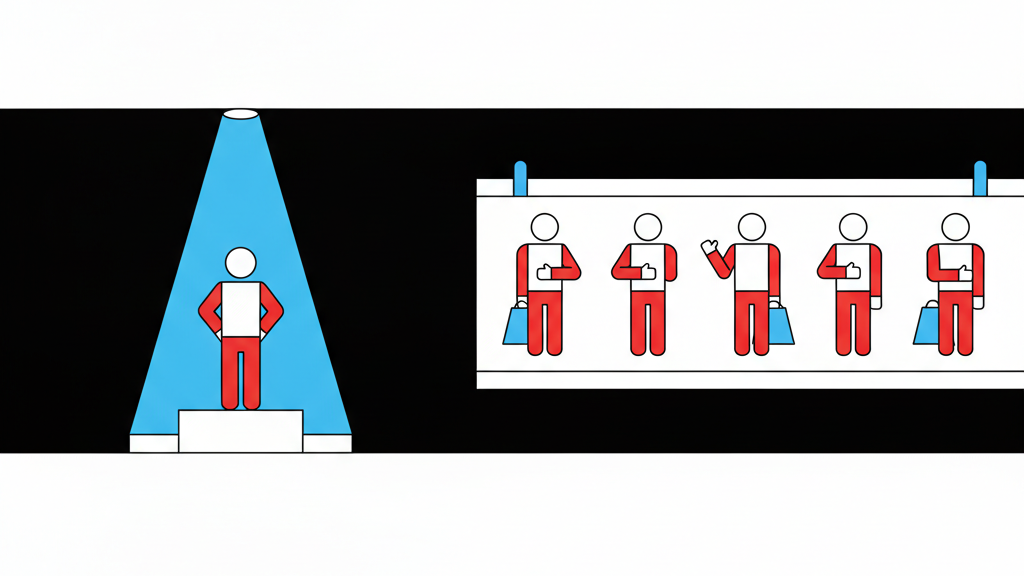
A high school principal we spoke with described her school's approach to soft skills honestly: an outside speaker comes in every spring, gathers the whole grade into the gym, gives an energetic 40-minute talk about respect or resilience, and everyone claps and goes back to fourth period. It happens every year. She couldn't point to anything that changed afterward, but she also couldn't point to an alternative, so it kept happening. "It's not nothing," she said. "But I don't think it's actually teaching anybody anything."
She's right on both counts, and the gap between those two truths is where most soft skills training for high school students quietly fails. Schools aren't skipping the topic. They're treating it like an announcement instead of a curriculum, and those require entirely different amounts of instructional time to work.
What the Research Actually Says About How Skills Get Built
The clearest evidence against the one-and-done assembly model doesn't even come from education research. It comes from behavioral science. A 2010 study out of University College London, led by researcher Phillippa Lally, tracked participants as they tried to build a new daily behavior and measured how long it took for that behavior to become automatic, meaning it happened without conscious effort. The average was 66 days. The range across individuals and behaviors was wide, from as few as 18 days to as many as 254, but the pattern held across every case studied: automaticity came from repetition over weeks, not from a single instance of doing the thing correctly once.
Education research on adult learners tells a nearly identical story. A widely cited 2017 review from the Learning Policy Institute, led by Linda Darling-Hammond, examined dozens of studies on what actually changes teacher practice and, downstream, student outcomes. The consistent finding: one-shot workshops show little to no measurable effect. The professional development models that did move outcomes shared a set of traits, sustained over time, embedded in real practice, with opportunities to try the skill and get feedback, rather than compressed into a single session.
Neither of these studies is about teenagers or soft skills specifically. That's part of the point. The mechanism they describe, that new capability requires distributed repetition, isn't a quirk of classroom instruction or adolescent psychology. It's closer to a general rule about how humans acquire any new behavior, and there's no reason to expect a 15-year-old learning to navigate conflict or read a room is exempt from it.
Awareness Is Not the Same Product as Capability
Part of why assemblies persist despite this evidence is that they aren't entirely useless, they just deliver a different product than the one schools think they're buying. A good speaker can genuinely shift how students think about a topic for an afternoon. Students can leave believing empathy matters, or that resilience is worth building, or that how they treat classmates has consequences. That's awareness, and it's a real, if temporary, outcome.
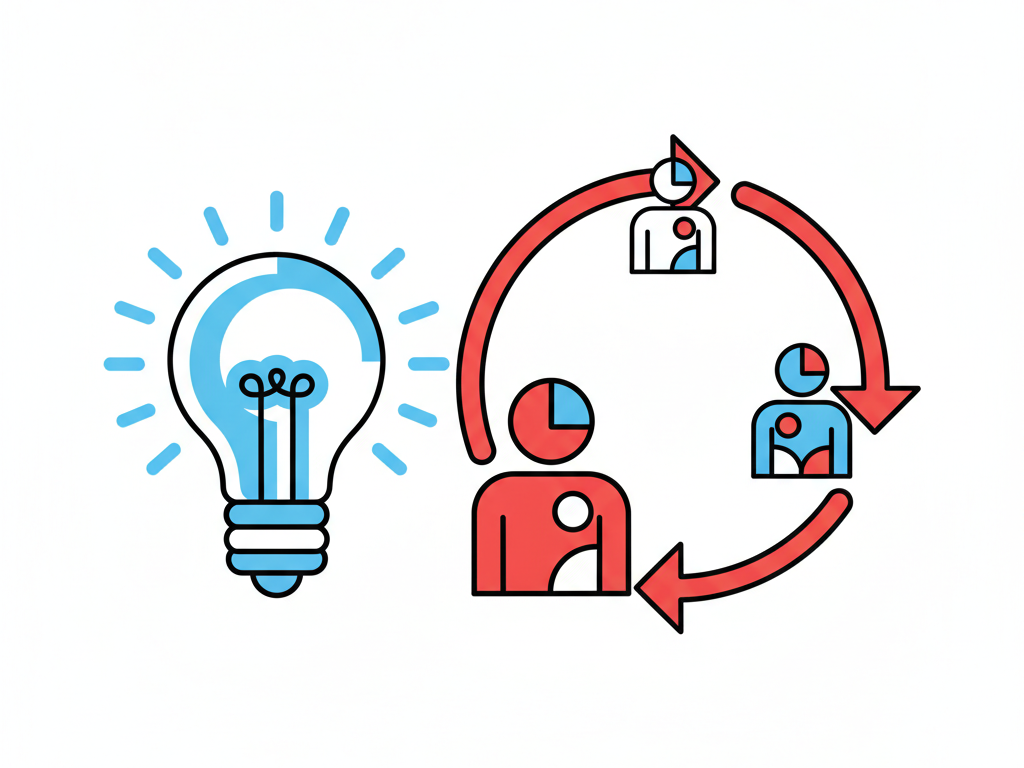
What an assembly can't do is hand a student the mechanic itself, the specific, repeatable move of naming what someone else is feeling before responding, or pausing before reacting to a provocation, or asking a clarifying question instead of guessing. Those are trained behaviors, built the same way a free throw or a golf swing is built: through repetition, correction, and enough reps that the movement stops requiring conscious thought. A single talk can tell a student that skill exists and matters. It can't put the reps in their body.
This is the same confusion we've pointed to before in how schools sequence soft skills work: teaching the why a skill matters and teaching the skill itself are two separate jobs, and most programs, assemblies especially, only ever do the first one. Students who've heard ten motivational talks about resilience by senior year can usually describe resilience accurately in an essay. Fewer of them can actually do it under real pressure, because no one ever built the muscle, only the vocabulary.
What "Enough Dosage" Actually Looks Like in a School
If 66 days is a reasonable floor for an individual habit and effective adult training runs months rather than hours, the practical question for administrators isn't whether to add more soft skills content. It's whether the existing content is structured to accumulate, or whether it resets to zero every time.
A few things separate curriculum from an event. Spacing matters more than total hours crammed into one sitting: ten 20-minute sessions spread across ten weeks builds more durable capability than one 3-hour block, because spaced repetition is what the underlying research on habit and skill formation consistently favors. Feedback matters just as much as repetition itself; practicing a skill without correction can cement the wrong version of it just as easily as the right one, which is why a trained coach naming what worked in the moment does more than a general reminder to "use empathy" ever will. And sequencing matters, building the why before the how, then the how before expecting independent use, rather than delivering all three in a single afternoon and hoping they stick.
This is the structural reason Boost runs as an 8-week course delivered by certified coaches rather than a guest-speaker slot on the calendar. Each of the 26 Boost Skills gets its own lesson, its own practice round, and repeated reinforcement across the People Skills, Character, and Healthy Mindset pillars, not a single exposure. In our roughly 30-student pilot cohort, 87% of students could clearly articulate that life is skill-based by the end of the 8 weeks, up from just 20% at the start. That's a shift in belief, not yet an independently measured shift in behavior, and we say so plainly. But it's the kind of change a single assembly, by design, structurally cannot produce, because belief itself took weeks of repetition to move.
Frequently Asked Questions
Can Soft Skills Be Taught In A Single Lesson Or Assembly?
An assembly or single lesson can raise awareness that a skill matters, but it cannot build the skill itself. Research on habit and skill formation consistently shows that new capabilities require repetition spread over weeks or months, not a single exposure, no matter how well-delivered that one session is.
How Long Does It Take To Actually Build A New Soft Skill?
There's no single universal number, but behavioral research from University College London found new habits take an average of 66 days of consistent repetition to become automatic, with a range of roughly 18 to 254 days depending on the behavior and the person. Structured programs generally plan for weeks, not hours.
Why Do Schools Keep Relying On One-Time Assemblies For Soft Skills?
Assemblies are logistically simple: one date, one room, one speaker, no ongoing schedule commitment. They also produce a visible, checkable event for a school calendar. The tradeoff is that they deliver awareness rather than trained capability, which research on both adult professional development and habit formation shows requires sustained practice instead.
What Does An Effective Soft Skills Curriculum Look Like Instead?
Effective programs spread instruction across multiple weeks rather than a single session, include structured practice with real-time feedback rather than lecture alone, and sequence content deliberately, building why a skill matters before drilling how to use it under pressure.
How Many Weeks Should A School Soft Skills Program Run?
There's no single validated minimum, but both the habit-formation research and professional development research point toward a timeframe measured in weeks to months rather than a single day. Boost's own curriculum is built as an 8-week course for this reason, giving each skill room for lesson, practice, and repetition.
References
- Lally, P. et al., "How Are Habits Formed: Modelling Habit Formation in the Real World," European Journal of Social Psychology, 2010
- Darling-Hammond, L., Hyler, M. E., & Gardner, M., "Effective Teacher Professional Development," Learning Policy Institute, 2017
- "One-Time PD Is Not Effective. Why Do Districts Still Rely on It?" Education Week, 2022
- CASEL Program Criteria and Rationale, 2020