
Why Screen Time Is Quietly Eroding Teens' Face-to-Face Communication Skills
- Nearly half of U.S. teens (46%) say they're online "almost constantly," nearly double the 24% who said the same a decade ago — but the hours aren't the real story. What those hours are replacing is.
- In a 2024 survey of 868 K-12 educators, 62% said students' ability to make eye contact has gotten worse over the past ten years, and a quarter called the decline "much worse."
- That gap doesn't stay in the building. Employers surveyed report that more than 80% find working with Gen Z hires genuinely difficult, and it isn't a skills-on-paper problem — it's communication and interpersonal ability.
- Gen Z workers see it too: 91% say in-person interaction builds interpersonal skill, yet only 2 in 5 feel confident actually networking or building relationships face-to-face.
- A phone ban doesn't fix this. Face-to-face communication is a skill, and skills come back the same way they're built in the first place — through structured, repeated, in-person practice, not restriction alone.
A high school English teacher we talked with this year described a moment that's become common enough to have a name in her department: the "hallway freeze." A student who texts fluidly, argues confidently in a group chat, and posts polished video essays to 40,000 followers walks up to ask a question in person and can't hold eye contact for more than a second or two. Not shy, exactly. Just out of practice. She's watched it happen with students who are, by every other measure, articulate.
That's the piece of the screen time conversation schools keep missing. The debate has mostly been about attention spans and mental health, and both matter. But there's a third casualty that gets less airtime, and it shows up first in classrooms and later in job interviews: the specific, practiced skill of talking to another human being in the same room.
The Number Everyone Quotes, and the One That Actually Matters
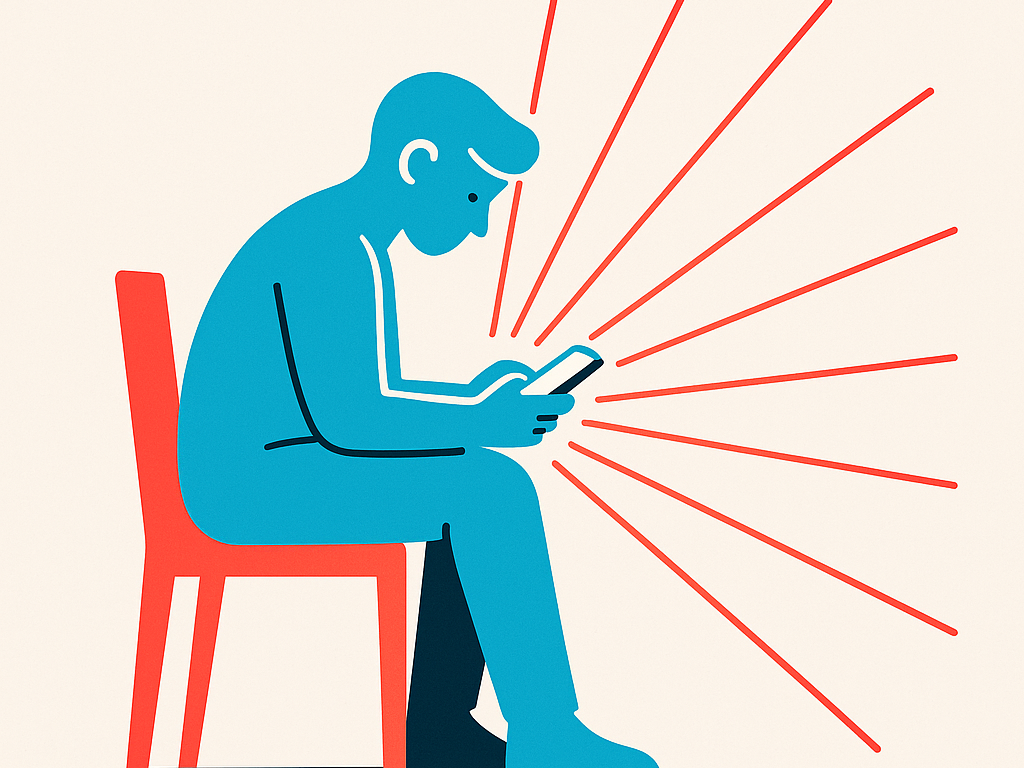
The headline stat gets repeated constantly: 46% of U.S. teens say they're online "almost constantly," according to the Pew Research Center's 2024 Teens, Social Media and Technology report — nearly double the 24% who reported the same a decade earlier. Ninety-five percent have a smartphone at home. Those numbers are worth knowing, but they answer a question schools have mostly stopped asking: how much time. The more useful question is what that time is displacing.
Every hour spent messaging instead of talking is an hour of missed reps at reading a face, holding a pause, recovering from an awkward beat in a live conversation, and noticing when someone else needs to talk instead of you. The Common Sense Media 2021 Census found teens spend an average of roughly 8 hours and 39 minutes a day on entertainment screen media alone, not counting schoolwork — a number that grew faster in the two years around the pandemic than it had in the four years before it. That's not a small slice of a day. It's most of the waking hours a teenager isn't in class, asleep, or at practice, and it's time that used to include a meaningful amount of unstructured, in-person social contact.
What Teachers Are Actually Seeing in the Room
This isn't speculation from outside the building. An EdWeek Research Center survey of 868 teachers, principals, and district leaders, conducted in May and June of 2024, found that 62% believe students' ability to make eye contact has gotten worse compared to ten years ago, and a quarter described the decline as "much worse." One in five rated current students' eye contact as outright poor. One Oklahoma superintendent in that same reporting noted that only 40% of students made eye contact during a simple hallway greeting, even though 80% acknowledged it verbally — they knew to respond, they just didn't look up while doing it.
Candace Peyton Wofford, an instructional coach and former social-emotional learning teacher in Corpus Christi, Texas, traces part of the pattern to pandemic-era isolation, when today's high schoolers were in early middle school learning social cues through a screen instead of a room. Her fix starts with something deceptively simple: phone-free stretches of actual class time, protected on purpose. As she put it, "It's on the teacher to set that expectation." That's not a small ask, and it's also not sufficient on its own — a phone-free ten minutes gives students the opportunity to practice face-to-face contact, but it doesn't teach them how, and that distinction is where most well-meaning interventions stall out.

Why This Doesn't Stay a School Problem
Skip ahead a few years and the same gap shows up in a very different room. A survey from Intelligent.com found that more than 80% of businesses report frustrating challenges working with Gen Z employees, and eight in ten employers believe Gen Z hires need dedicated etiquette training just to function in the workplace. Business consultant Jan Goss put the diagnosis plainly: "Everything we're talking about here, in terms of communication, feedback, conversation, accepting constructive criticism, all of those have to do with connecting with others: they don't have the skillset."
Gen Z employees largely agree. A 2025 Harris Poll survey of 1,824 U.S. white-collar workers, conducted for the events company Freeman, found 91% of Gen Z workers believe in-person interaction builds real interpersonal skill, and 89% believe in-person relationships are critical to professional confidence — yet more than 66% said technology leaves them feeling isolated from colleagues, and only two in five feel confident networking face-to-face. Freeman CEO Janet Dell called it a generation "actually advocating for a more thoughtful integration of digital and face-to-face interactions" — young adults who can see the gap and want it closed, but mostly weren't given the practice that would have closed it earlier.
Why "Just Put the Phone Away" Doesn't Fix It
Here's the mechanism most screen time advice misses: restricting a substitute doesn't automatically install the skill it was substituting for. A student who hasn't practiced holding eye contact or recovering from an awkward silence doesn't suddenly acquire those abilities the moment a phone is confiscated. They just sit there, phone-free and still unsure where to look. Removing the screen creates the opportunity for practice. It doesn't create the practice itself.
That's the same principle behind every soft skill Boost teaches. A student doesn't learn responsibility by being told to "be more responsible," and they don't learn decision-making under pressure from a worksheet — they learn it through repetition, in realistic conditions, with feedback, until it becomes automatic. Communication is no different. Treating it as a values problem, "kids these days just don't care about connecting," misses that most of them do care; they just haven't had enough structured reps in a room with another person.
What Actually Builds the Skill Back
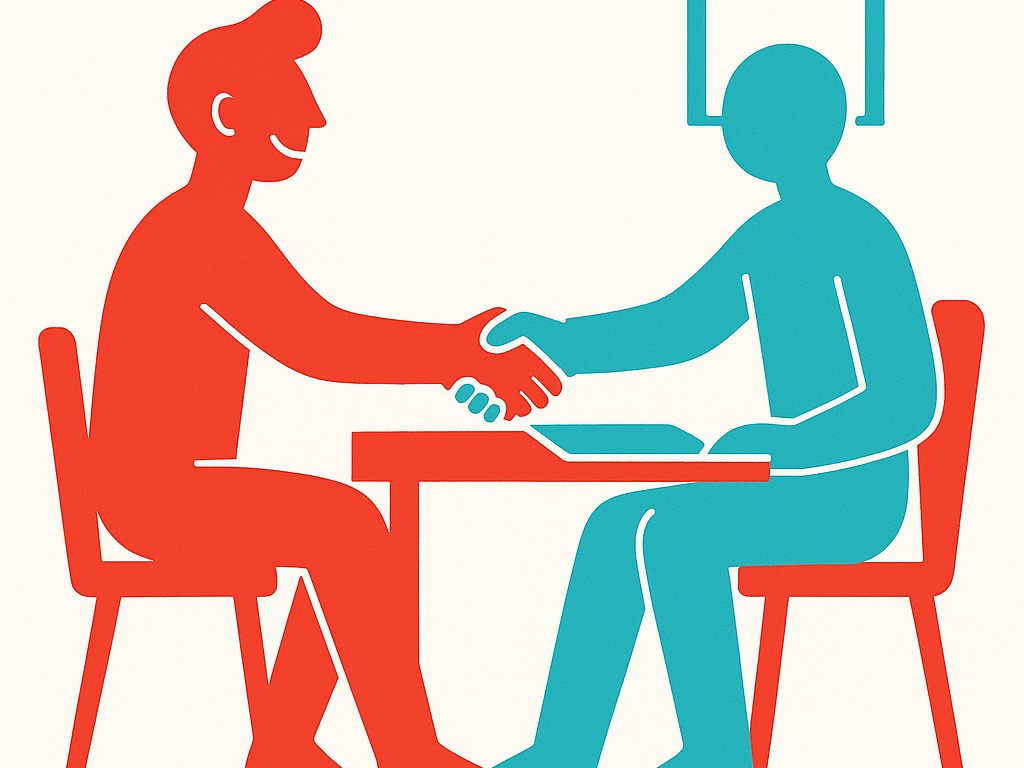
Inside Boost's 8-week curriculum, face-to-face communication is treated the way we treat every one of the 26 Boost Skills across our three pillars — People Skills, Character, and Healthy Mindset — as a specific, learnable behavior, not a personality trait a student either has or doesn't. Certified Boost coaches run live practice rounds: structured conversations, eye-contact exercises, and real-time feedback in a room, not a worksheet describing what good communication looks like. The goal is reps a student can't get from a phone, delivered often enough that the discomfort of holding a real conversation fades the way any unfamiliar skill does with repetition.
In our own pilot cohort, roughly 30 students over 8 weeks, 87% could clearly articulate by the end of the course that there's a specific, learnable set of skills behind getting what you want in life, up from a small handful at the start. That's self-reported data from one cohort, not an independent study, and we say so plainly. But it reflects the same underlying idea driving this piece: students don't need to be lectured about the importance of face-to-face connection. They need structured chances to practice it, often enough and realistically enough that it holds up outside the classroom, in a job interview, on a first internship, or just at the dinner table.
What Schools and Parents Can Do This Semester
None of this requires a new program to start moving the needle. A few concrete shifts, applied consistently, go further than a single phone policy:
- Protect a genuinely phone-free block for discussion or group work, not just for silent reading — the goal is talking, not just absence of screens.
- Build in low-stakes conversation practice before high-stakes moments: a 90-second partner check-in before a presentation, a structured turn-and-talk before a discussion, rather than expecting students to arrive conversation-ready.
- Debrief the discomfort directly rather than ignoring it — asking a student what felt awkward about holding eye contact does more than pretending the awkwardness isn't there.
- Model it at home by protecting a screen-free window, even 20 minutes at dinner, where the expectation is conversation rather than parallel scrolling.
- Treat it as a skill with a timeline, not an overnight fix — the same way a student needs weeks of reps to get comfortable with any new physical or academic skill, face-to-face communication takes consistent practice to rebuild.
The schools and families who see real movement on this aren't the ones with the strictest phone policy. They're the ones who pair fewer screens with more structured chances to practice talking to another person, on purpose, often enough that it stops feeling like a performance.
Frequently Asked Questions
Does Screen Time Affect Social Skills in Teens?
Heavy screen time doesn't damage social skills directly so much as it crowds out the in-person practice time those skills are built from. Teachers report measurable declines in behaviors like eye contact over the past decade, which tracks closely with the rise in constant online activity, though screens are one contributing factor among several, including pandemic-era isolation during key developmental years.
How Does Technology Affect Face-to-Face Communication in Teenagers?
Digital communication like texting and messaging lets teens avoid the harder parts of live conversation — reading tone, holding eye contact, recovering from an awkward pause — because those apps don't require any of it. Without regular in-person practice to balance that out, those specific muscles can go underdeveloped even in teens who communicate constantly through a screen.
Can Too Much Screen Time Cause Social Anxiety in Teens?
Reduced practice with in-person interaction can make face-to-face situations feel more unfamiliar and higher-stakes than they need to be, which can look like or contribute to social anxiety for some students. It isn't a guaranteed outcome, but a lack of low-stakes practice tends to make the first higher-stakes conversation — a job interview, a college visit — feel much harder than it should.
What Can Schools Do About Phone Use Hurting Communication Skills?
Protecting genuinely phone-free time is a start, but pairing it with structured, low-stakes conversation practice matters more than restriction alone. Schools that build in regular partner talk, discussion routines, and direct feedback on things like eye contact see the skill improve faster than schools relying on a phone policy by itself.
How Much Screen Time Is Too Much for a Teenager?
There's no single universal number, but researchers have flagged teens' entertainment screen use averaging over 8 hours a day as a meaningful shift from a decade ago. The more useful question for a parent or school isn't the exact hour count — it's whether that time is displacing enough in-person interaction for a student to still get regular practice talking to people face-to-face.
References
- Pew Research Center, Teens, Social Media and Technology 2024
- Common Sense Media, The Common Sense Census: Media Use by Tweens and Teens, 2021
- Education Week, Kids Are Getting Worse at Making Eye Contact. Here's Why
- Intelligent.com survey via FOX 26 Houston, 8 in 10 Employers Think Gen Z Workers Need Etiquette Training
- Harris Poll for Freeman via NBC, Gen Z Workers Feel Isolated by Tech and Crave More In-Person Interaction