Why SEL Isn't Working in Most Schools (And What Actually Does)
Executive Summary
- 83% of principals report using SEL curricula — but adoption and effectiveness are not the same thing.
- The SEL evidence base for high schools comes from only 2 studies. Most research covers elementary students.
- The three consistent failure modes: low implementation fidelity, student resistance to scripted content, and lack of sustained administrator support.
- The reframe that works: treat interpersonal development as explicit skill instruction, not emotional processing — and use workforce-readiness language students and educators both find credible.
Ask a school administrator what they think of social-emotional learning and you'll usually get one of two answers. The first is a careful, qualified endorsement: "We believe in the whole child." The second is a quiet exhale, followed by something like, "We tried it. It didn't really stick."
Both of those responses are honest. And both of them point at the same problem.
SEL, as a concept, is defensible. The idea that students need more than academic content — that they need skills for managing relationships, handling setbacks, and functioning in the world — is not a radical claim. It's obvious to anyone who has spent time in schools or hired recent graduates.
The problem is not the idea. The problem is how it has been packaged, politicized, and poorly implemented across American schools. And until administrators stop conflating the category with the products, they'll keep funding programs that generate mission-statement language without changing anything in a student's actual life.
The Promise vs. the Reality
The research on SEL, when it is favorable, comes with an asterisk most people miss.
A widely cited meta-analysis found that well-implemented SEL programs produce an 11-percentile-point gain in academic achievement compared to control groups. That number gets quoted a lot. What gets quoted less: the evidence base for high school students specifically is derived from just two studies. The overwhelming majority of SEL research covers elementary and middle school. The developmental translation to adolescents has largely been assumed, not proven.
This matters because adolescents are not older elementary students. They are in a different developmental phase, with different social pressures, different relationships to authority, and a finely tuned radar for anything that feels condescending or inauthentic. Research published in PMC found that adolescents frequently describe scripted SEL curricula as "lame" and "condescending" — programs that may work for a fourth grader often produce eye-rolls and disengagement in a ninth grader.
83% of principals report using an SEL curriculum as of 2024, up from 76% two years prior. That adoption curve looks like success. But adoption and effectiveness are not the same thing. A school can check the SEL box and see no change in how students communicate, handle conflict, or show up at their first job.
Three Reasons Most Programs Fail
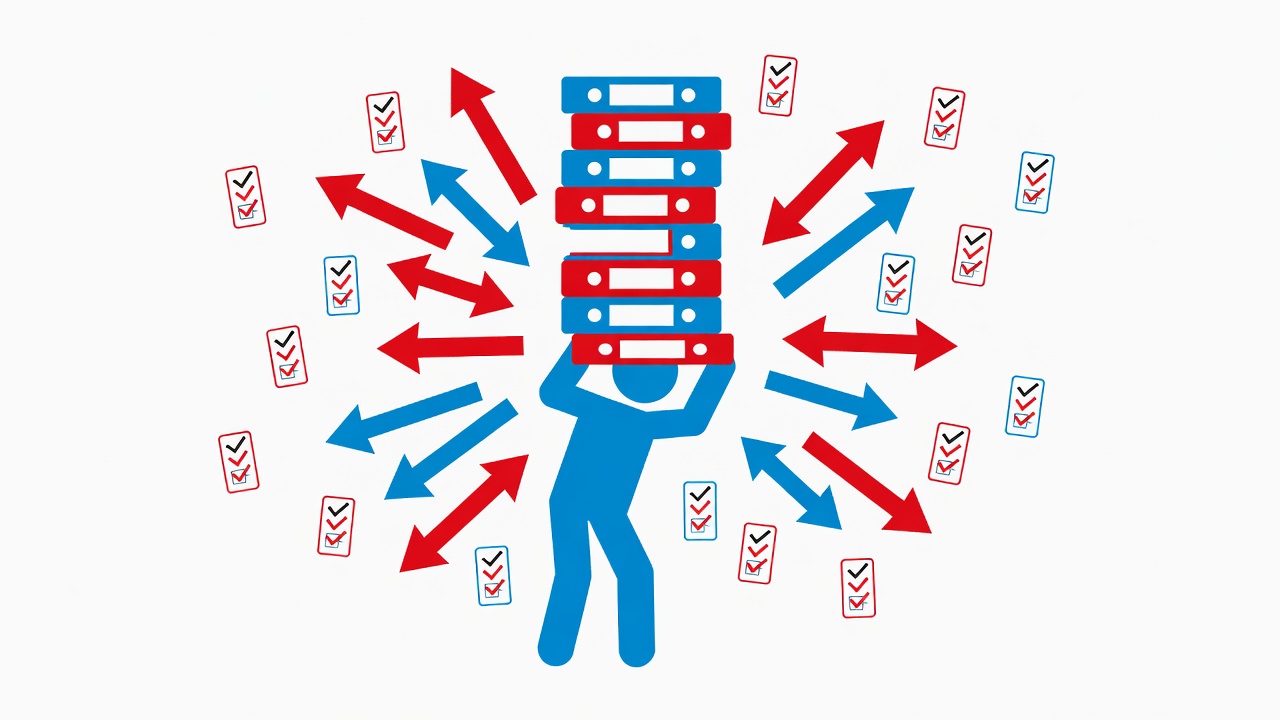
The first is implementation fidelity. SEL programs are only as good as their delivery, and delivery depends on teachers who are trained, confident, and consistent. Research from EdWeek found that many schools struggle to attain high-quality, sustained implementation — programs get adopted, teachers get a brief orientation, and then the curriculum gets inconsistently delivered or quietly abandoned. Teachers describe early SEL training as "overwhelming" and "daunting." Without ongoing professional development and administrative follow-through, programs degrade.
The second is student authenticity. Adolescents do not respond to scripted emotional processing the way younger students do. A lesson that asks a seventeen-year-old to "share how that made you feel" using a prescribed format, delivered by a teacher who is clearly reading from a guide, is not teaching emotional intelligence. It is producing compliant participation followed by zero transfer. The research is unambiguous: strict fidelity to scripted SEL programs often undermines the developmental needs of adolescence rather than meeting them.
The third is the framing problem. SEL was built on a therapeutic and developmental psychology framework. That framework is not inherently wrong, but it translates poorly into the language schools actually need. School administrators are not therapists. Teachers are not counselors. Students headed toward the workforce are not patients. When the language of a program is emotion-centered rather than skill-centered, it creates adoption resistance in educators and disengagement in students.
The Political Problem (and Why It's a Symptom, Not the Disease)
Since 2021, SEL has become politically charged in ways that have little to do with its actual content. Critics have conflated it with critical race theory, framing it as a progressive indoctrination effort. Bills in at least eight states have sought to ban or limit SEL curricula. School boards have faced vocal parent opposition. Some districts have responded by rebranding their programs — calling them character development, social skills, or workforce readiness instead.
The rebranding works, which is revealing. If the same content lands better under a different name, the content was never the real problem. The problem is the framing, and the political controversy has made a pre-existing framing problem much more visible.
The lesson for administrators is not to abandon the goal. It's to examine whether the vehicle you're using to reach the goal was designed for your students, your community, and the outcomes that actually matter to both.
The Reframe That Works
The schools getting traction on this are not the ones who found a better SEL program. They're the ones who stopped thinking about it as SEL at all.
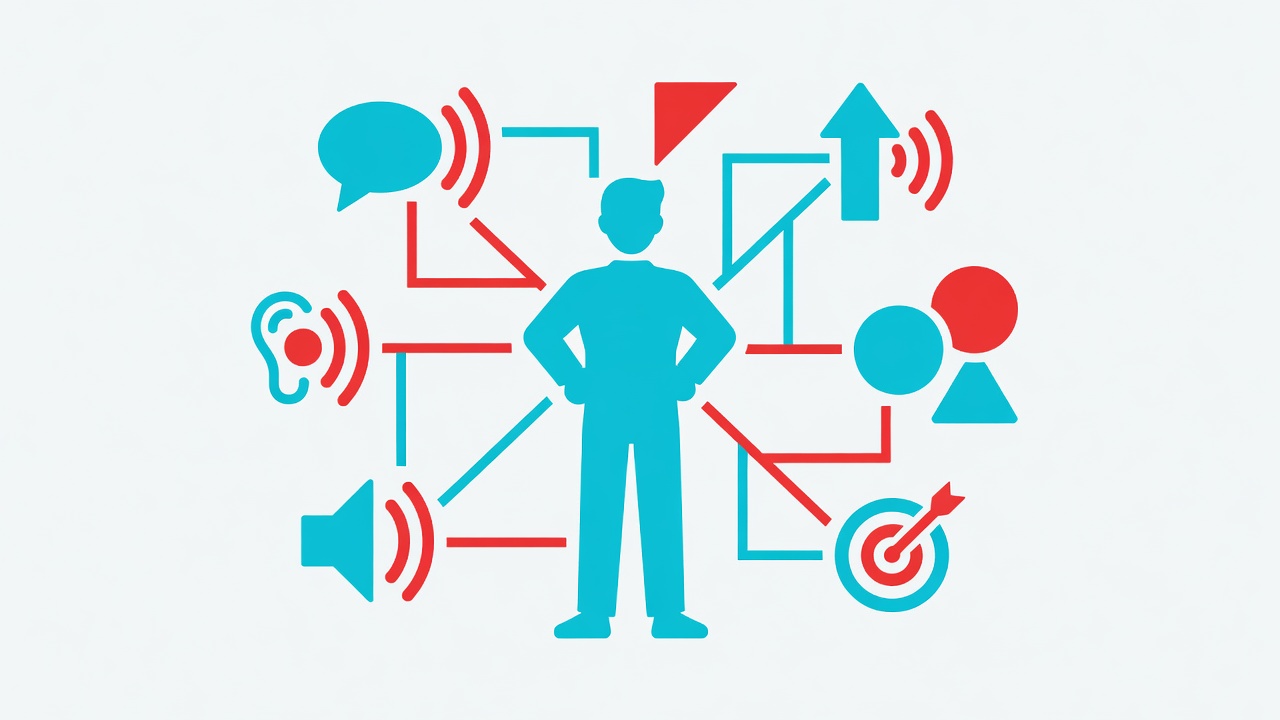
Treat skills as skills. Communication, active listening, conflict resolution, accountability — these are learnable competencies, not emotional states to be cultivated. When a program teaches them explicitly, provides structured practice, and measures whether students can actually demonstrate them, the dynamic changes. Students take them seriously because the program takes them seriously.
Use language the room can hold. "Workforce readiness," "people skills," "life skills" — these frames carry the same developmental content without the political baggage. Employers use this language. Parents understand it. Students hear it as relevant to their actual future.
Build in the why. The biggest predictor of whether a student engages with this content is whether they understand why it matters. A program that starts by showing students what employers actually look for, and making the case for why these skills will determine their outcomes in work, relationships, and life, earns student investment before it asks for student effort.
In an 8-week Boost Program pilot, only 20% of students began the course believing that "life is skill-based." By the end, 87% held that belief. That shift is not a motivational byproduct. It is the first and most important skill transfer — getting a student to understand that their trajectory is something they can change.
What to Look For in a Program That Delivers
If you are evaluating programs, here is what the research and practitioner experience consistently point to:
Explicit skill instruction, not absorption. The program should name specific skills, explain them, and teach them directly. Values can be absorbed; skills need to be taught.
Adolescent-appropriate delivery. Ask what the program looks like in a high school classroom with sixteen-year-olds who have been in school for six hours. If the answer relies heavily on feelings circles and scripted sharing, keep looking.
Sequential structure. Skills compound. A program that teaches communication before conflict resolution, and conflict resolution before accountability, produces more transfer than a random collection of lessons.
Measurable outcomes. Not "students will appreciate the value of empathy." Measurable means assessable: can the student demonstrate the skill in a real scenario? If there is no assessment mechanism, there is no accountability.
A reason students buy in. The best programs teach the why first, in language that lands for teenagers. The goal was always right. The vehicle is what needs to change.
Frequently Asked Questions
Is SEL effective in high schools?
The research base for SEL specifically in high schools is thin — effectiveness findings for this age group come from only two studies. Programs designed specifically for adolescent development, using skill-based rather than therapeutic framing, consistently outperform adapted elementary models.
Why has SEL become controversial?
Critics have conflated SEL with critical race theory, framing it as a vehicle for progressive ideology. Bills in at least 8 states have sought to limit SEL programs. Many districts have responded by rebranding programs rather than dropping the underlying goal.
What are alternatives to traditional SEL programs?
Skills-based approaches that teach specific interpersonal competencies — communication, conflict resolution, active listening, accountability — explicitly and sequentially, using workforce-readiness language. These produce the same developmental outcomes without the political and framing resistance.
Why do SEL programs fail even when schools adopt them?
Three consistent failure modes: low implementation fidelity (teachers find programs overwhelming), student resistance to scripted or inauthentic content, and lack of sustained administrator support. Programs that treat skills as teachable subjects see significantly better outcomes.
How is Boost different from a standard SEL program?
Boost teaches 26 specific skills across People Skills, Character, and Healthy Mindset — treating each as an explicit, learnable competency rather than a value to absorb. It is designed for high school students, teaches the "why" before the "what," and uses workforce-readiness framing that students and administrators both find credible. Learn more at boostprogram.com.
References
RAND Corp. / CASEL. Social and Emotional Learning in U.S. Schools.
PMC. The Effect of SEL Programs on Elementary and Middle School Students' Academic Achievement: A Meta-Analytic Review.
K-12 Dive. Opposition to social-emotional learning provokes calls to engage community.
EdWeek. What's Really Holding Schools Back From Implementing SEL.
PMC. Integrity over fidelity: transformational lessons from youth participatory action research to nurture SEL with adolescents.
EdWeek. SEL by Another Name? Political Pushback Prompts Rebranding.