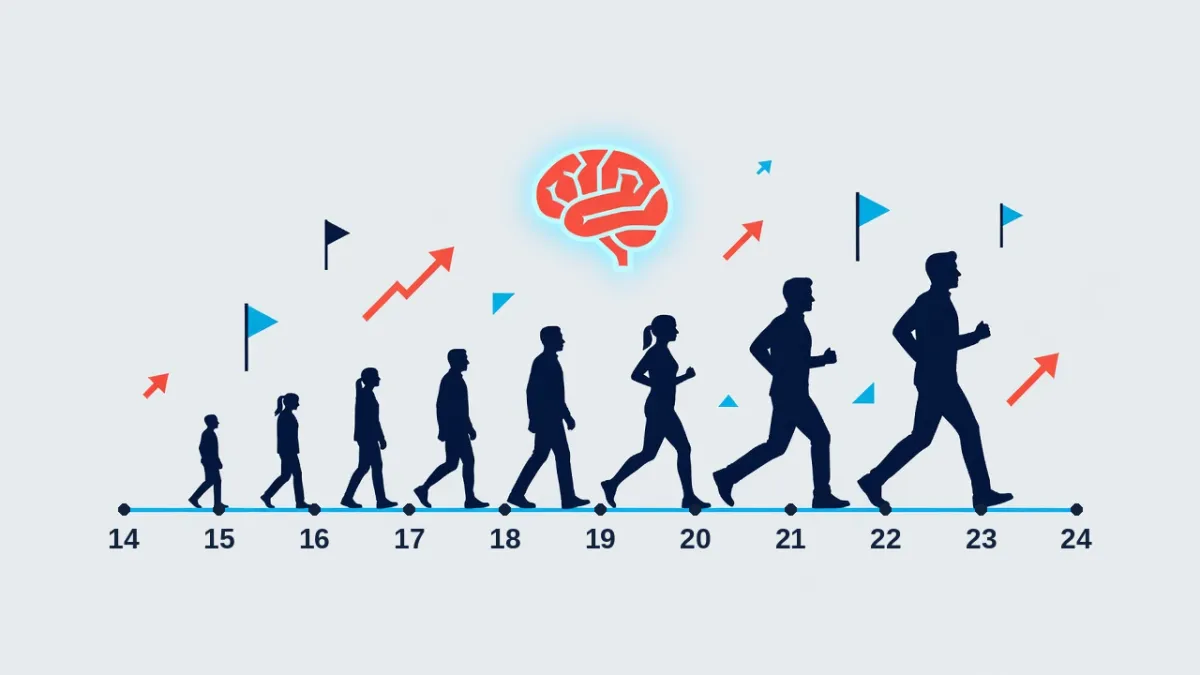
The 14–24 Brain Window: Why High School Is the Most Important Time to Build Soft Skills
Key Takeaways
- The adolescent brain undergoes a second critical development window between roughly 14 and 24 — a period of unique plasticity that makes new habits and beliefs easier to form than at any subsequent stage.
- Skills built during this window don't just get learned — they get wired in. They become defaults.
- After the window closes, skills can still be learned, but it takes more effort, more repetition, and more deliberate practice to change entrenched patterns.
- Schools that invest in soft skill development during high school are not running a nice-to-have program. They're making an investment at the most biologically optimal time.
- This is why Boost specifically targets the 14-24 window, and why we designed for high school rather than any other stage.
There's a question I get from school administrators more than any other: "Can't students just learn these skills later? In college or on the job?"
The honest answer is: yes, but at a much higher cost. And for many students, "later" never comes — because the habits and beliefs formed during adolescence become the defaults they carry for the rest of their lives.
This isn't a philosophical position. It's neuroscience. The 14-24 brain window is a real, documented developmental phase — and understanding it changes how you think about when to invest in soft skill development.
What the Brain Is Doing Between 14 and 24
The adolescent brain undergoes a second major reorganization. The first happens in early childhood. The second — less discussed but arguably more consequential for who we become — happens in adolescence and extends into the mid-twenties.
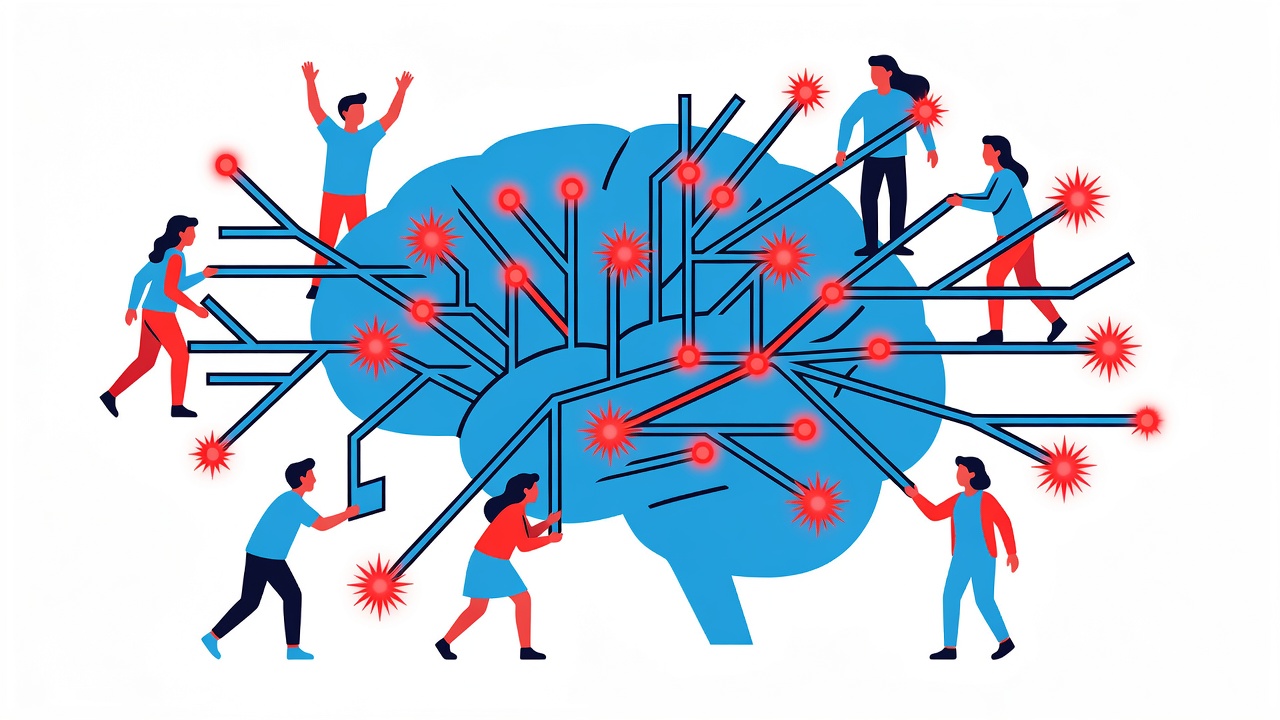
During this period, the brain is actively pruning and strengthening neural pathways. The connections that get used get strengthened. The ones that don't get used get pruned away. This is called synaptic pruning, and it's the brain's version of becoming more efficient — it eliminates the pathways it doesn't need and reinforces the ones it does.
The result is that habits, beliefs, and skill patterns formed during this window become increasingly automatic. They don't just get learned — they get embedded in the brain's default operating system.
Skills learned in the 14-24 window don't just get stored — they get wired. They become the brain's default response to familiar situations.
What This Means for Soft Skills Specifically
Consider what happens when a student learns to make eye contact and give a confident greeting at 16 versus at 30. At 16, the skill is being practiced during the window when new patterns are easiest to encode. With repetition across the eight weeks of a Boost program, it starts to become a default — something the student does automatically in new social situations.
At 30, the same skill can absolutely be learned. But there are now years of established patterns in the way. The existing neural pathways — whatever habits the person formed during the 14-24 window — are well-worn and well-defended. Learning something new requires overcoming existing defaults, not just establishing new ones. It's harder, slower, and more likely to regress under stress.
This is true for every soft skill we teach: how to handle feedback, how to manage conflict, how to regulate attention, how to set and pursue goals. The patterns that get established in adolescence become the patterns people have to either build on or override for the rest of their lives.
The Compounding Effect
Here's what makes the 14-24 window particularly significant: soft skills compound.
A student who learns to listen actively and ask good questions at 16 builds stronger relationships in high school, which builds stronger networks in college, which creates better opportunities in early career. A student who develops the habit of honest self-assessment at 17 spends their twenties building on accurate information about themselves, rather than operating on a distorted self-image they formed by default.
The absence of these skills also compounds — in the other direction. Students who leave adolescence without having built communication, resilience, or self-regulation skills don't enter adulthood on a neutral baseline. They enter it with habits that work against them, and they spend their twenties and thirties trying to unlearn patterns that got wired in when no one was teaching them anything better.
The compounding effect is why we believe the return on investment from high-quality soft skills programming in high school is one of the highest available to any school, employer, or family. The skills are worth more earlier. Every year of delay reduces the yield.
Why High School — Not Elementary, Not College
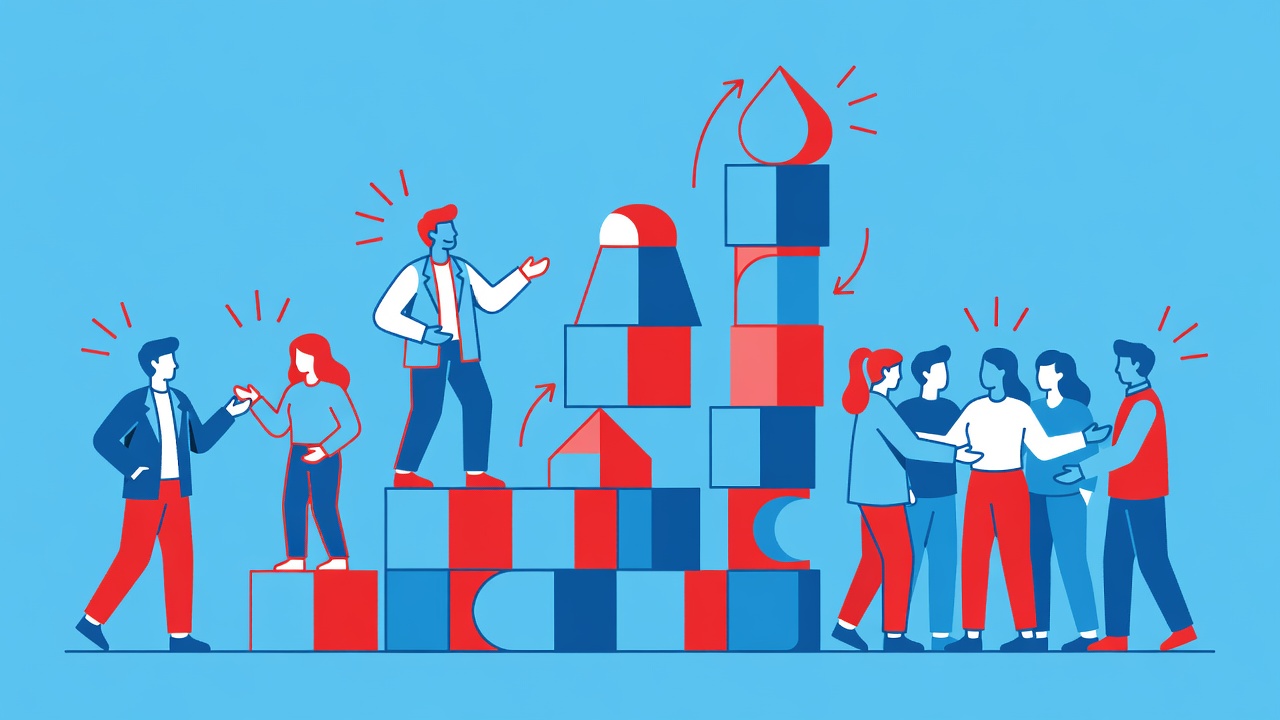
The 14-24 window explains why Boost specifically targets high school rather than younger or older populations.
Elementary school is important, but students at that stage are still developing the foundational cognitive capacities that make skills like conflict resolution or self-regulation fully teachable. The skills need a certain level of executive function to stick — and that function continues developing through adolescence.
College is late. Students arrive with most of their defaults already established. College programs can teach soft skills, but they're working against existing patterns in a context where students have less structured time and less consistent exposure. The programs that work at the college level tend to be intensive and sustained — resources most colleges don't deploy.
High school hits the window. Students are cognitively developed enough to genuinely understand and practice the skills. The window is still open. The patterns are forming, not yet formed. The investment goes in at the point of maximum leverage.
What This Should Mean for School Budgets
The 14-24 window is not an argument for spending more on education in general. It's a specific argument for investing in high-quality soft skills programming during the years when it returns the most.
An employer who waits to train these skills at the corporate level is paying to fight established patterns instead of build new ones. A family that assumes their child will figure it out in adulthood is accepting a much harder developmental path. A school that does not explicitly address soft skills during high school is, by omission, allowing whatever defaults form to become the defaults — without any of the intentionality that could make those defaults serve the student.
We built Boost for this window because the biology is clear: this is when it matters most. Schools that act on this insight are not adding a nice-to-have program. They're making an investment at the moment of highest return — and everything that follows for those students is built on that foundation.
Frequently Asked Questions
What is the 14-24 brain window?
A second critical period of brain plasticity that occurs during adolescence and extends into the mid-twenties. During this window, the brain is actively pruning unused neural pathways and strengthening the ones that get regular use. Skills, habits, and beliefs formed during this period get encoded as defaults — they become the brain's automatic response to familiar situations.
Can soft skills be learned after the 14-24 window closes?
Yes, but at a higher cost. After the window, the brain's default patterns are established. Learning a new skill requires overcoming existing patterns rather than simply establishing new ones. It's possible — people develop and change at every age — but it's slower, harder, and more vulnerable to regression under stress.
Why does Boost focus on high school rather than elementary school or college?
Elementary school is important but precedes the full cognitive development that makes many social-emotional skills fully teachable and durable. College is effective but late — patterns are already established. High school hits the window: students are cognitively ready, and the brain's defaults are still forming. That's the moment of highest return on investment for soft skills programming.
What soft skills are most important to build during adolescence?
The skills that compound most significantly are interpersonal (listening, eye contact, clear communication), character (honesty, empathy, accountability), mindset (growth orientation, resilience, self-regulation), and the ability to set and pursue goals. These are foundational enough that everything built on top of them — in career, in relationships, in personal development — is stronger when they're well-established.
How does Boost design for the 14-24 window specifically?
Every design decision in Boost — the 26 skills selected, the eight-week structure, the sequence from foundational to complex, the emphasis on practice over lecture — reflects what we know about how adolescent brains build durable patterns. We start with the belief framework ("life is skill-based") before introducing the skills themselves, because the belief has to be in place for the skills to be adopted rather than resisted.
Ready to Invest at the Right Time?
Schedule a free discovery call and see how Boost is designed specifically for the 14-24 window — when soft skills instruction returns the most.
Schedule a Discovery Call