The D.O.S.E. Framework: What Every School Should Know About Student Brain Chemistry
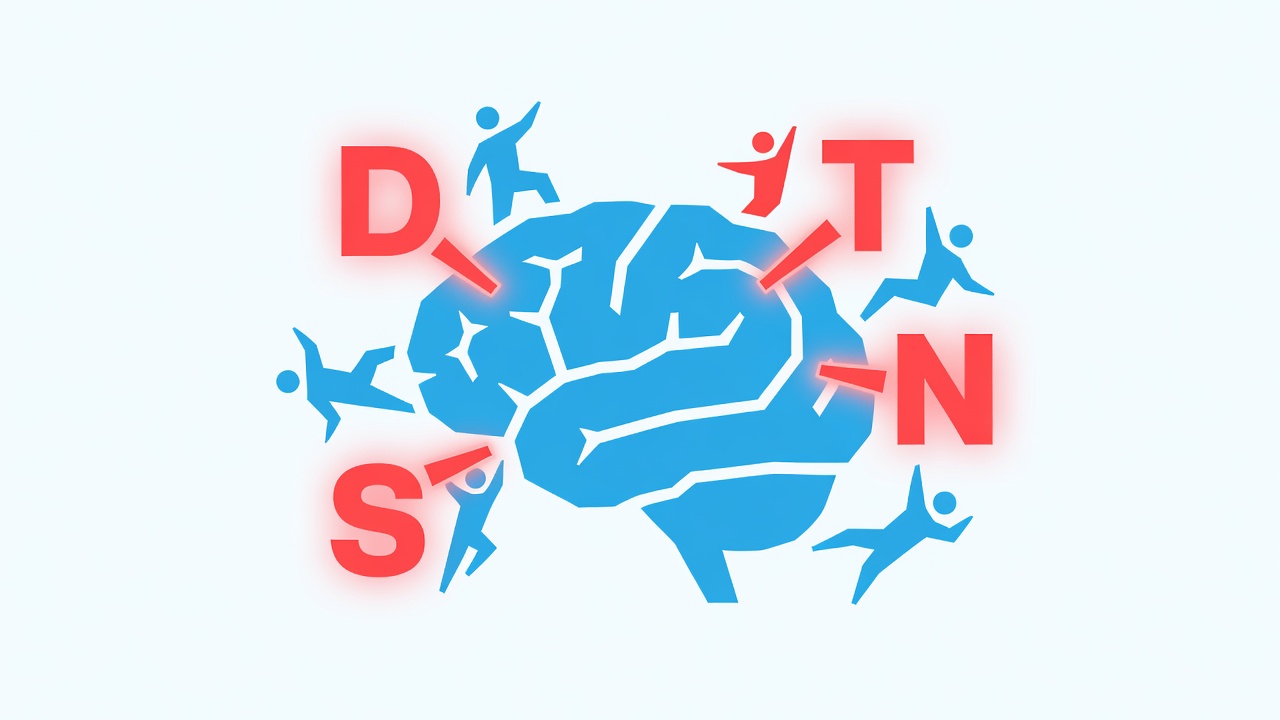
- Dopamine, oxytocin, serotonin, and endorphins (D.O.S.E.) are not just feel-good chemicals. They are the neurological mechanism behind engagement, trust, learning, and resilience. Understanding them changes how you design a classroom.
- Every Boost skill is, at some level, a brain chemistry practice. Teaching students to greet someone with a real smile isn't just a social skill. It releases oxytocin in both people. Teaching gratitude isn't a nice-to-have. It reliably increases serotonin.
- The "Biochemistry Hijack" skill in Boost teaches students that phones trigger the same dopamine pathways as genuine reward, but at a fraction of the depth. Once students understand the mechanism, their relationship with their devices changes.
- Schools that understand brain chemistry design for it, not against it. Recognition, physical movement, goal achievement, and positive social connection are not interruptions to the learning environment. They are tools for building it.
- Students who understand their own brain chemistry are not victims of it. Knowledge of the mechanism is the first step toward self-regulation.
What D.O.S.E. Actually Means
Most people have heard of dopamine. Fewer know that it functions as a drive system, not a reward system. Dopamine doesn't make you feel good when you get something. It motivates you to pursue it. The anticipation, the seeking behavior, the craving that pulls you toward a goal or a notification, that's dopamine doing what it's designed to do.
Oxytocin is the trust chemical. It releases during physical touch, sustained eye contact, genuine positive social connection, and acts of generosity. It is the neurological foundation of belonging. Students who feel disconnected from their school community are, in a literal biological sense, not getting enough oxytocin. That is a design problem, not a student attitude problem.
Serotonin is the status and significance chemical. It releases when people feel valued, recognized, and respected. A student who feels invisible in their school is running on low serotonin. That matters for motivation, for mood, and for their readiness to learn. Recognition is not a soft add-on to good teaching. It is neurologically required for engagement.
Endorphins are the pain-masking, effort-reward chemicals. They release during physical activity, laughter, and the exertion of accomplishment. They are what makes hard work feel worthwhile and what keeps students engaged through challenge rather than collapsing at the first point of friction.
How This Explains What Teachers Are Already Seeing
When a student lights up during a group project but shuts down during independent work, that's the oxytocin differential. Social connection is activating chemicals that make them present and engaged. Isolation is removing them.
When a student keeps checking their phone every few minutes even in a class they genuinely care about, that's a dopamine hijack. The phone has been engineered to trigger seeking behavior at a rate no classroom activity can match. It's not a contest between the lesson and the phone. It's a contest between the lesson and a device that employs engineers whose entire job is to beat every other stimulus in the room.
When a student who has never been publicly recognized does something well and a teacher calls it out with specific praise, and then that student's entire classroom behavior shifts, that's serotonin at work. Recognition is not just nice. It changes behavior reliably.
When students laugh during an activity and then perform better on the content that follows, that's endorphins clearing cognitive bandwidth and priming the brain for uptake.
This isn't theory. These are patterns every experienced teacher has observed. D.O.S.E. gives them a framework for why the patterns exist and how to activate them intentionally.
The Biochemistry Hijack, and What to Do About It
One of the 26 Boost skills is called "Biochemistry Hijack." It teaches students the specific neurological mechanism by which phones exploit the dopamine system.
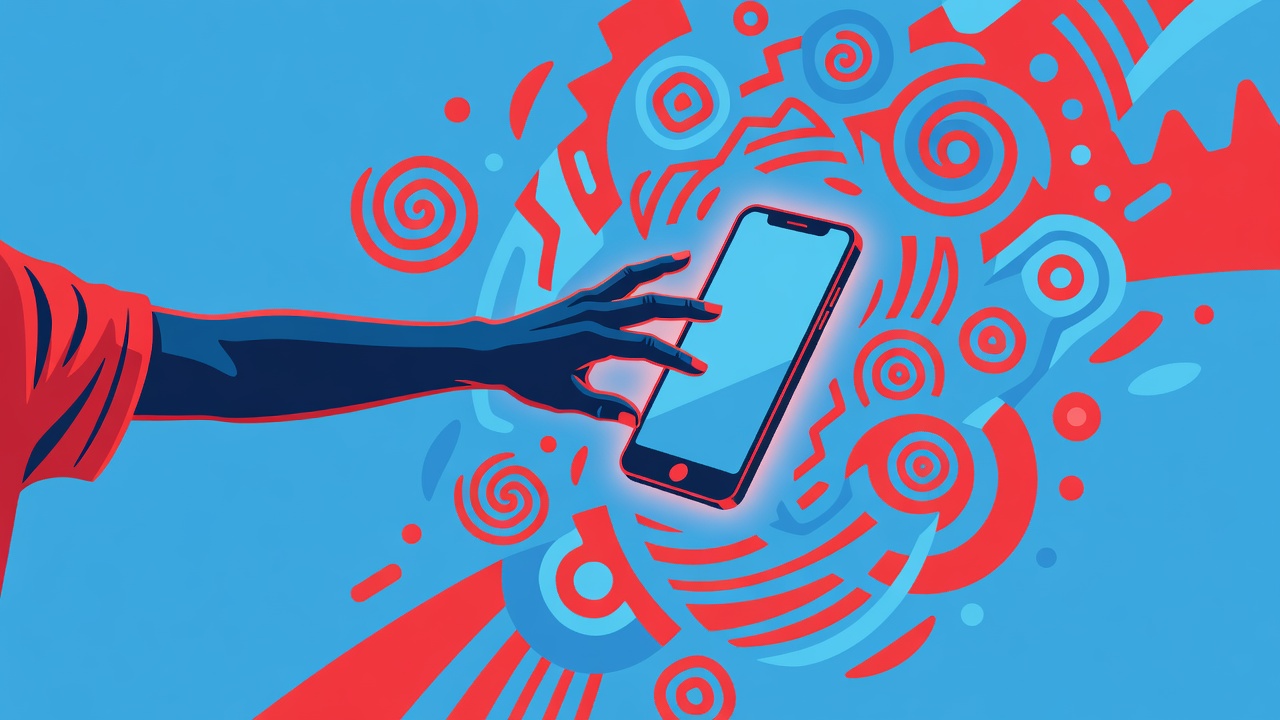
Here's what students learn: every notification is a small dopamine trigger. Not a large one, not the kind of dopamine release that comes from a genuine achievement, a deep conversation, or a meaningful goal accomplished. A tiny one. Just enough to create a craving for the next trigger. The craving is real. The brain can't easily tell the difference between the anticipation of something meaningful and the anticipation of a like or a notification sound. Over time, the brain trains itself on rapid micro-rewards, and slower, deeper satisfactions become less satisfying by comparison.
This explains why students lose time they didn't mean to lose. They're not failing at willpower. They're facing a system deliberately engineered to exploit the architecture of their own brain. When students understand this, the phone becomes something they can make a choice about rather than something that just happens to them.
That reframe, from "I have no willpower" to "I now understand the mechanism and can work with it," is the whole point of teaching brain chemistry as a student skill.
Designing for the Brain, Not Against It
Once a school understands D.O.S.E., a set of design questions become obvious:
Where does oxytocin come from in this building? Are there structured opportunities for genuine social connection, or is "community" just a word on the mission statement? Advisory structures, peer mentoring, genuine collaborative projects (not just assigned group work), these release oxytocin. Schools that design for it have calmer hallways and more engaged students.
Where does serotonin come from? Is recognition built into the system, or does it depend on individual teachers? Formal recognition that is specific, public, and consistent releases serotonin. A general "good job" does not. The specificity matters.
Where do endorphins come from? Physical activity, humor, and the accomplishment of something genuinely difficult. Schools that have eliminated recess, shortened PE, and removed challenge from the curriculum have reduced endorphin availability for students. That affects readiness to learn.
Where is dopamine being hijacked vs. directed? Students need seeking behavior directed toward meaningful goals, not just notification checking. Goal-setting curriculum, project-based learning, and structured achievement give the dopamine system something worth chasing.
These are design questions, not pedagogical preferences. They are rooted in how the human brain actually works.
Frequently Asked Questions
What does D.O.S.E. stand for in brain chemistry?
D.O.S.E. stands for Dopamine, Oxytocin, Serotonin, and Endorphins. These four neurochemicals are the primary drivers of engagement, motivation, trust, social belonging, mood, and resilience. Understanding how each one works, what triggers it, and how it relates to learning gives educators a framework for designing environments that activate rather than deplete students.
How does teaching about brain chemistry help students?
When students understand the neurological mechanisms behind their own behavior, why they crave their phone, why they feel disconnected in large school environments, why struggle feels bad even when it means learning, they gain agency. Understanding a mechanism is the first step toward working with it rather than being controlled by it. Students who understand their brain chemistry make better choices about their attention, their social behavior, and their response to stress.
What is a dopamine hijack?
A dopamine hijack occurs when an engineered stimulus (like a smartphone notification) triggers the brain's seeking and reward system at a rate and intensity that competes with, and often wins against, slower, more meaningful activities. The phone isn't more enjoyable than learning. It's engineered to trigger more frequent micro-rewards, which the brain learns to prioritize. Teaching students about this mechanism gives them a framework for understanding why managing their phone feels hard, and what to do about it.
How does oxytocin relate to school culture?
Oxytocin is the primary trust and belonging chemical. It releases during genuine social connection, sustained eye contact, acts of kindness, and physical touch. Students who feel a genuine sense of belonging in their school are, neurologically, getting consistent oxytocin. Students who feel isolated are not. School cultures that build in structured social connection, not just coexistence, are literally providing the neurological conditions for learning and engagement.
How does Boost teach the Biochemistry Hijack skill?
Boost teaches it as an explicit, named skill in the wellbeing category. Students learn the specific mechanism by which phones exploit the dopamine system, what that costs them in time and focused attention, and concrete practices for managing their relationship with their devices. The goal is not device removal but self-regulation: students who understand the mechanism are better positioned to make conscious choices rather than reactive ones.
References
- Neuroscience of dopamine and reward: https://www.ncbi.nlm.nih.gov/pmc/articles/PMC4826767/
- Phone Bans Are Spreading Across America, But They're Only Half the Answer
- The Real Reason Students Can't Hold a Conversation Anymore