
How Boost Teaches Phone Control Without Banning a Single Device
- Phone bans reduce distraction in the school day. They do not build the skill of managing a phone independently. Students who graduate from a ban-only environment still leave without that skill.
- Boost teaches phone management through two explicit skills: "You vs. Phone, Distraction" and "Biochemistry Hijack." Both treat self-regulation as the goal, not compliance.
- Seventy percent of students say phone control is their number-one needed skill. They are not oblivious to the problem. They just haven't been given the tools to address it.
- The difference between a ban and a skill is what happens when the adult leaves the room. A ban works while it's enforced. A skill works when no one is watching.
- Schools that want lasting behavior change around phones need to do both: manage the environment and teach the skill. The environment piece is getting done. The skill piece is being skipped.
Why Bans Alone Leave a Gap
Phone bans in schools have real, documented benefits. Academic performance improves. Conflict in hallways decreases. Students pay more attention in class. The research is clear enough that at least 36 states have enacted some form of legislation requiring schools to restrict phone use during the school day.
Boost has no objection to any of this. Removing distraction from the learning environment is sensible classroom management.
But here is the gap: a ban teaches students nothing. It changes their environment. It does not build their capacity to manage their attention when that environment changes, which is exactly what happens every day at 3 PM when the bell rings, and permanently at graduation.
A student who spent four years in a phone-restricted environment has been complying with a rule. They have not been developing a skill. On the first day of college or their first job, they are in an environment with no ban and no structure. What they have is whatever their brain learned to do with phones before and after school, which for most students is: scroll without intention, lose time they didn't plan to lose, and feel vaguely dissatisfied with the result.
The ban built a controlled environment. It didn't build a person who can manage their own attention.
The Skill That Fills the Gap
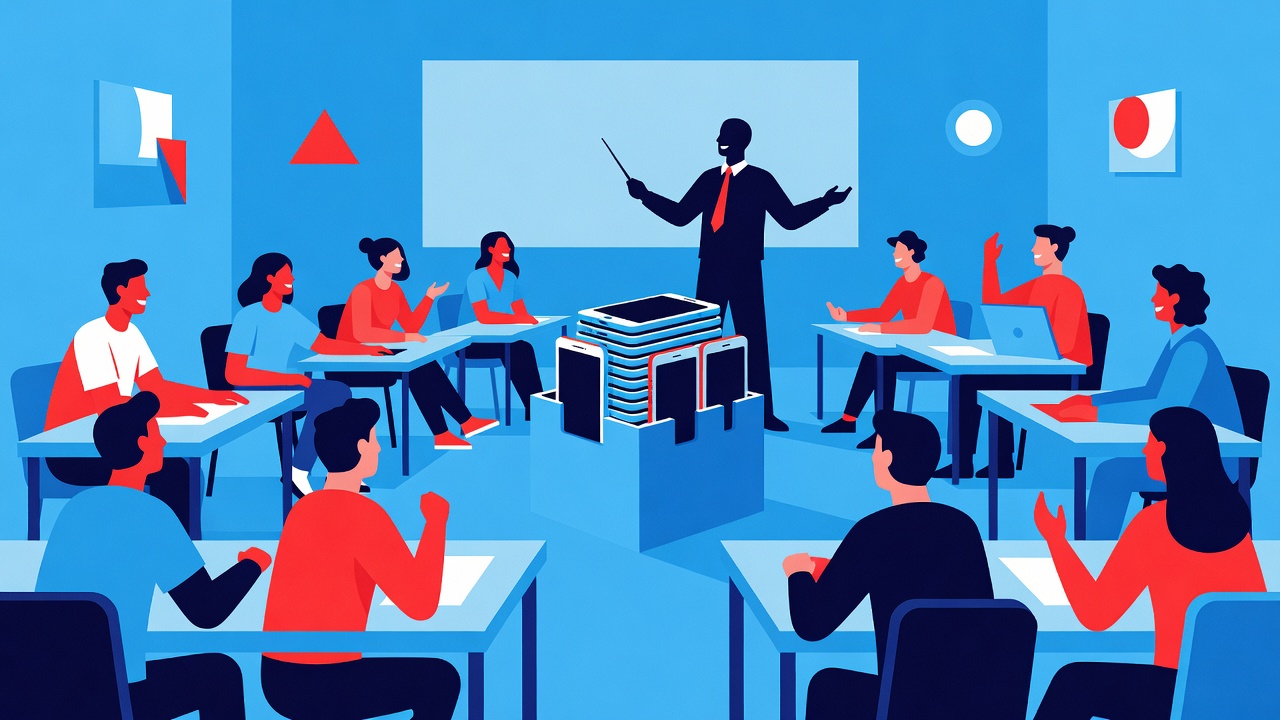
Boost teaches "You vs. Phone, Distraction" as a named skill. Here's what that actually means.
Students learn that their phone was designed by engineers whose job is to hold their attention as long as possible. This is not metaphor. The infinite scroll, the notification sound, the variable reward structure of social media feeds, these are deliberate design choices made by people who are very good at their jobs. Students are not failing at willpower when they can't put their phone down. They are encountering intentional engineering.
The second thing students learn is what they give up when they pick their phone up. Not in a moralistic sense, but in a practical one: the average time lost to full attention recovery after a phone check is 10 to 23 minutes, not the 30 seconds of actual screen time, but the full time it takes the brain to return to its pre-interruption focus depth. Students who understand this number start doing the math differently. They begin to see each "quick check" as a 20-minute trade.
The third piece is practice. Students set structured phone-free time, track their experience during it, and debrief what happened. Many find that the urge to check peaks in the first five minutes and fades after that. That's practical knowledge about their own brain that they can use intentionally in the future.
Biochemistry Hijack, the Deeper Layer
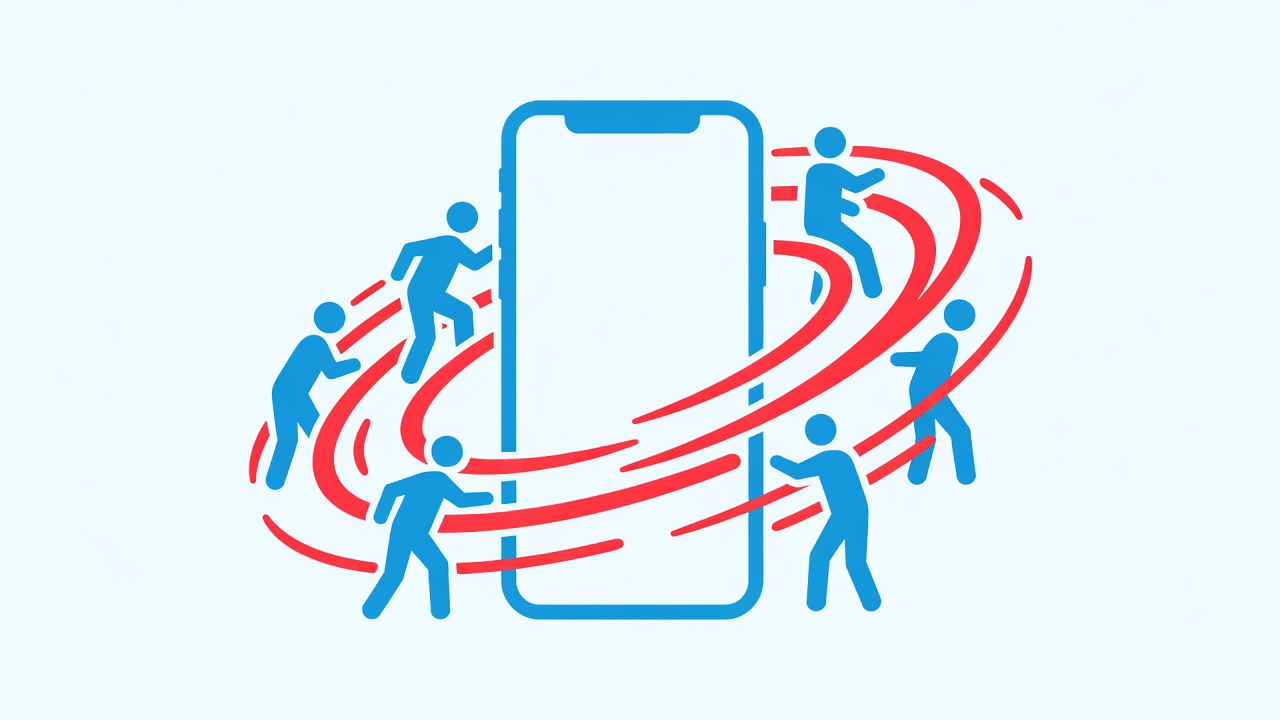
The second phone skill in Boost is "Biochemistry Hijack." It goes deeper into the neurological mechanism.
Notifications trigger dopamine release. Not a large release, not the kind that comes from a real accomplishment or a meaningful social connection. A small one. Just enough to create a seeking behavior: a craving for the next trigger. Over time, the brain adapts to this pattern. The threshold for satisfaction from slower, deeper activities rises because the brain has been trained on rapid micro-rewards.
This is why students feel restless during activities that should be engaging. It's not that the activity is bad. It's that their baseline for stimulation has shifted. The book that would have held their attention five years ago now feels slow. The conversation that should feel interesting now feels effortful. The phone has raised the floor for what registers as interesting.
Students who understand this can work with it. They can recognize the restlessness for what it is (a trained response) rather than treating it as evidence that the book is boring or the conversation is not worth having. Understanding the mechanism gives them agency over their response to it. That's the skill.

What This Looks Like in a School Program
The phone skills in Boost are not a lecture about why phones are bad. They're a framework students can actually use.
Session structure for "You vs. Phone": Open with the engineering framing. Let students react, almost every student in every school is familiar with the experience of losing time they didn't intend to lose. Then the attention cost data. Then structured phone-free time in-session with a debrief at the end. Students reflect on what the urge felt like, when it peaked, what helped them manage it.
This is skill instruction. Not rule enforcement. The coach is not confiscating anything. They're giving students information about their own brain and their own device, and structured practice at making a different choice.
The students who engage with this most deeply are often the ones who phone use has cost the most. Seventy percent of students rate phone control as their number-one needed skill. These are students who already know something is wrong. They just haven't been given the tools to do anything about it. When they finally are, the change is often visible quickly.
Frequently Asked Questions
Should schools ban phones or teach phone management skills?
Both. A phone ban during the school day improves the learning environment immediately and has measurable academic benefits. But bans don't build skills. Students need both a managed environment during the school day and explicit instruction in how to manage their own attention with their device in environments with no restriction. These aren't competing approaches. They're complementary.
How do you teach phone management without taking phones away?
By teaching students about the engineering and neurological mechanisms that make phones hard to put down, then giving them structured practice in managing their own attention. The goal is a student who can choose, consciously, when to engage with their phone and when to set it aside, rather than a student who complies with a rule when an adult is present.
What is the "biochemistry hijack" concept in Boost?
The biochemistry hijack refers to the way smartphone notifications exploit the brain's dopamine system. Each notification triggers a small dopamine release that creates a craving for the next one. Over time, the brain adapts to rapid micro-rewards, making slower and more meaningful activities feel less satisfying by comparison. Students who understand this mechanism are better positioned to manage their phone use intentionally rather than reactively.
Why do 70% of students rate phone control as their number-one needed skill?
Because they're experiencing the problem firsthand. Students know they're losing time they didn't intend to lose. They know the phone is pulling their attention from things that matter more. They just haven't been given the framework or the tools to change their behavior. The 70% statistic isn't evidence of students' failure to prioritize. It's evidence that students recognize a skill gap and want to close it.
At what age should phone management skills be taught?
The skills are most effective when taught during the 14-24 brain window, when habits around attention and self-regulation are being actively formed. High school is the ideal time. Students are developmentally ready to understand the neurological mechanisms involved, and the habits formed during these years are more likely to become durable defaults than habits learned later under pressure.
References
- State phone ban legislation: https://hechingerreport.org/kids-attention-spans-teachers-are-trying-to-build-them-back-up/
- Attention recovery after phone check: https://www.ics.uci.edu/~gmark/chi08-mark.pdf
- Phone Bans Are Spreading Across America, But They're Only Half the Answer