How Schools Are Funding Soft Skills Programs Now That ESSER Is Gone
- McKinsey projected federal funding to districts would fall about 22% (roughly $24 billion) between 2024-25 and 2025-26 as ESSER wound down, and 75% of surveyed districts expected to draw on reserves.
- Title IV-A, the federal block grant that can fund social and emotional skills programming, was kept at level funding in the FY26 deal, but 66% of districts received less than $30,000 from it in 2021-22.
- Perkins V and local sources can carry part of the load, and each funder wants the program described in its own language.
- A funding plan that includes year two is stronger than a one-year grant, and every rule below should be confirmed with your state before you commit.
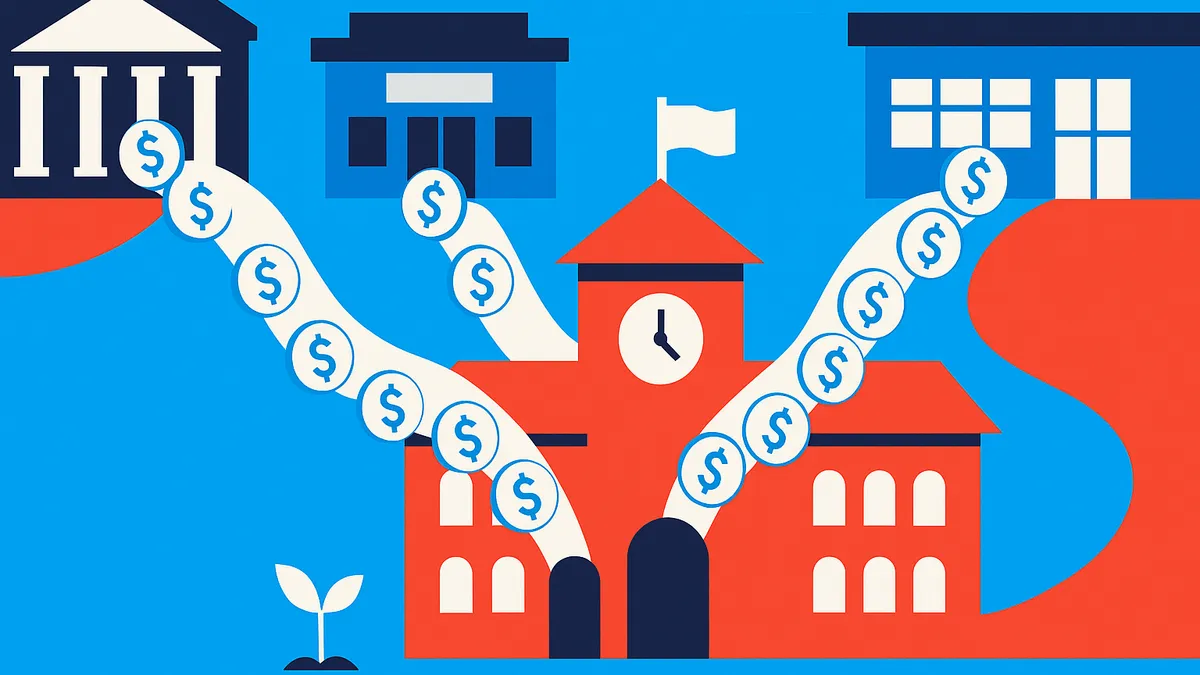
Picture a principal in October. The pandemic relief that paid for last year's counseling extras and enrichment programs is gone, the budget has no new line for soft skills, and the board is asking what you can still do. That is the real question behind funding a soft skills program in 2026. The answer is rarely one big grant. It is usually a patchwork: one federal block grant, a career and technical education tie-in, a local donor, and a reallocated line or two. This guide covers where to look, how to match the program to each source, and how to plan beyond year one. It is not legal or financial advice, so verify every rule with your state education agency and district business office.

What Does the Funding Landscape Look Like After ESSER?
The landscape is tighter, and it is not coming back in its old form. ESSER's late-liquidation deadline was March 30, 2026, according to K-12 Dive's reporting on the Education Department's decision, so that money has run its course. McKinsey estimated that federal funding to districts would drop by about 22%, or $24 billion, from 2024-25 to 2025-26, and that 75% of surveyed districts expected to draw on reserve funds that year (McKinsey).
One administrator quoted in that report put it plainly: "The funding is less, but the needs are higher." For a soft skills program, that means the case has to rest on need and on measurable use of dollars, not on one-time relief.

Which Federal and State Sources Should You Check?
Check Title IV-A first, then Perkins V, then your state's own grant announcements. Title IV-A, the Student Support and Academic Enrichment program, was funded at $1.38 billion in FY 2025 and exists to help schools "provide all students with access to a well-rounded education" and "improve school conditions for student learning" (U.S. Department of Education). The FY26 appropriations deal kept it at level funding (PSASA summary).
The Department's non-regulatory guidance (issued in 2016, so confirm it still matches your state's rules) says a district "may use funds for activities in social emotional learning, including interventions that build resilience, self-control, empathy, persistence, and other social and behavioral skills" (ED guidance). Check how the allocation actually works, though. An Institute of Education Sciences report found that 94% of districts received Title IV-A in 2021-22 but 66% received less than $30,000, and that districts funded a handful of activities each (IES). That suggests many districts will need to combine sources.
Perkins V is the career and technical education lever. The statute lists "supporting the integration of employability skills into career and technical education programs and programs of study" among permissible local uses (20 U.S.C. 2355). A program tied to a CTE pathway may fit, depending on your state's approved plan.

What Local and Philanthropic Options Exist?
Local and philanthropic options are often the fastest to move. Think of your education foundation or PTO fund, community foundations, local employers, and your own existing lines for counseling, student support, or professional development. [Internal: Boost Bible] suggests local community foundations are often easier to approach than national ones because they respond to local impact, and corporate funders tend to respond when the program is framed as workforce readiness and a talent pipeline [Internal: Boost Brand Bible v2]. These are planning assumptions from our own funding strategy, not statistics.
Be careful with structure. Many private foundations can only fund nonprofits or schools directly, so a vendor-led pitch may not work [Internal: Boost Brand Bible v2]. We recommend the funds flow to the school, and the school contracts for delivery [Internal: Boost Brand Bible v2]. Your business office can tell you how gifts must be received and documented.
How Do You Write the Case for Each Funder?
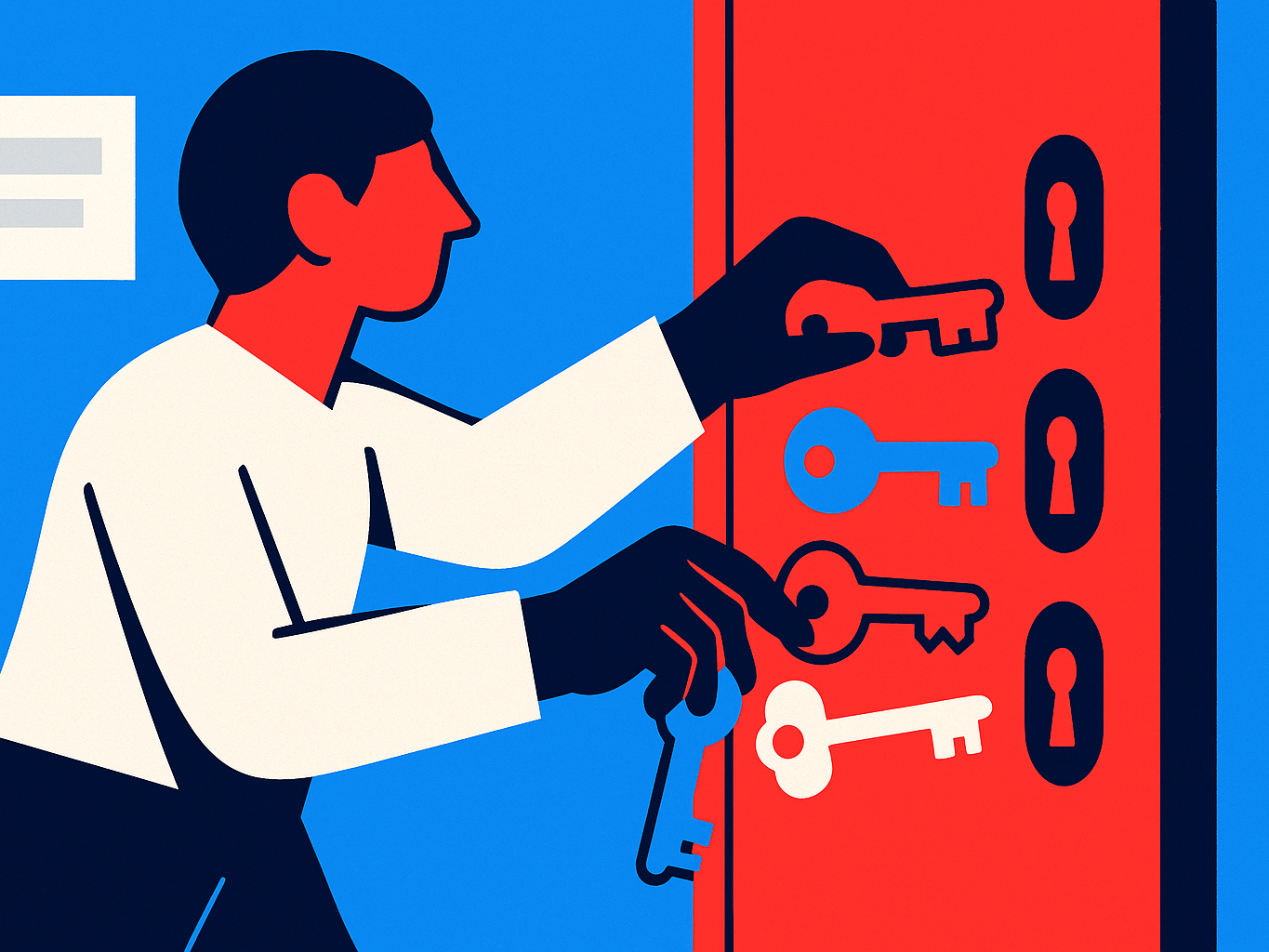
You write it by describing the same program in each funder's language, with the same facts underneath. For Title IV-A, the language is "well-rounded education" and "safe and healthy students." For Perkins, it is employability skills inside a CTE pathway. For an employer or community funder, it is whether graduates can interview, communicate, and show up reliably. Our post on how to get administrator and board buy-in covers the internal case, and the same structure works for outside applications.
Be honest about evidence. Boost uses a pre and post self-assessment, "Striving to 100," where students and an adult sponsor rate about 20 skills from 1 to 5 [Internal: Boost Brand Bible v2]. We ran a small pilot of about 30 students with self-reported results, and we do not yet have independent outcome data. A funder who sees that candor will trust the rest of the application. Ask any vendor, including us, for a written proposal that states exactly what you receive.

How Do You Plan for Year Two and Beyond?
You plan for year two by deciding in year one who will deliver the program once outside money ends. Boost offers a few routes, including programs led by certified Boost coaches and options to train your own staff to deliver [Internal: Boost website knowledge base]. Training your own staff is one way to build capacity inside your building. We have written about the full approval path in a superintendent's guide to funding and approving a soft skills curriculum.
Build sustainability into the first proposal. Name a base budget line you can move toward, track a few measures from day one, and report results to the board each term. Funders and boards both ask the same question in year two: what changed?
What Belongs on a Funding Checklist for Your Office?
A good checklist keeps every funding conversation grounded in rules and numbers. Use this before you apply:
- Confirm eligibility. Ask your state agency how Title IV-A and Perkins funds can be used and what documentation they require.
- Match the language. Describe the program in each funder's terms.
- Set the measures. Choose a pre and post assessment and a few behavior indicators.
- Name the delivery plan. Decide who teaches in year one and year two.
- Get it in writing. Ask for a written proposal and a clear scope.
If it helps to talk through the options, you can schedule a discovery call and we will walk through how an 8-week curriculum teaching 26 Boost Skills could fit your funding picture.

Frequently Asked Questions
How Can Schools Pay for a Soft Skills Program?
Most schools combine sources, such as Title IV-A, Perkins V for CTE-linked programs, local foundations, and reallocated budget lines. Rules vary by state, so confirm with your state education agency first.
What Grants Fund SEL and Life Skills?
The Department of Education's Title IV-A guidance says districts may fund activities in social emotional learning that build resilience, self-control, empathy, and persistence. State and local grants vary, so check your state's announcements.
What Replaced ESSER Funding?
Nothing directly replaced it. Title IV-A and other formula programs continue at roughly level funding, which is much smaller than ESSER was.
References
- K-12 Dive, All states can now access ESSER late liquidation funds
- McKinsey, From surplus to scarcity: K-12 districts brace for leaner years
- U.S. Department of Education, Student Support and Academic Enrichment Program
- PSASA, FY26 Appropriations Deal Preserves Key Education Programs
- U.S. Department of Education, Non-Regulatory Guidance: Student Support and Academic Enrichment Grants
- IES, Student Support and Academic Enrichment Grants: What Districts Are Doing
- 20 U.S.C. 2355, Local uses of funds (Perkins V)
- How to Get Administrator and Board Buy-In for a Life Skills Program
- A Superintendent's Guide to Funding and Approving a Soft Skills Curriculum
Ready to bring Boost to your school?
Schedule a discovery call to see how the Boost curriculum fits your students.
Schedule a Discovery Call