How Parents Can Help Teens Handle Failure (Without Rescuing Them)
- Handling failure is a learnable skill. Economists Heckman and Kautz wrote that soft skills "can be enhanced by education, parenting, and environment."
- In a study of 525 adolescents, mothers who believed failure is debilitating were more likely to hover, which may in turn strengthen their teens' fixed mindset (a single-country sample, so treat it as a signal).
- A simple three-step response works for the first 10 minutes: listen first, name what happened, then ask what the teen wants to try next.
- Schools can send this language home, and Boost builds the same habit in class through its Healthy Mindset skills.
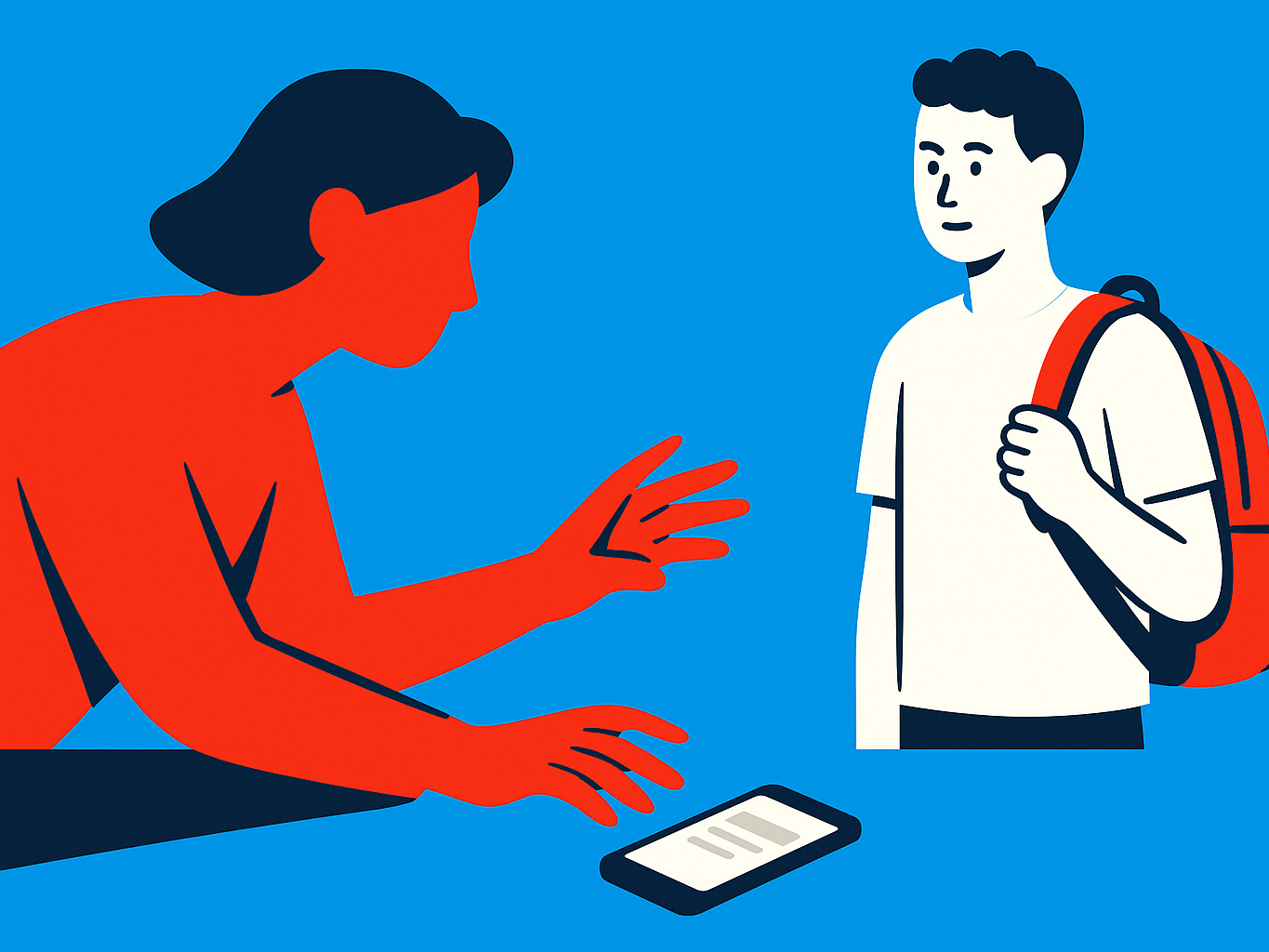
Picture a Tuesday night. A sophomore walks in, drops a backpack, and says the chemistry test went badly. Her mother's hand is already moving toward her phone to email the teacher. Every parent knows that reflex, and it comes from love. If you are trying to work out how to help teens handle failure, the first move is to understand what that reflex teaches. This guide is written so you can adapt it for your parent newsletter or a family night.
Why Is Failure a Skill Gap and Not a Character Flaw?
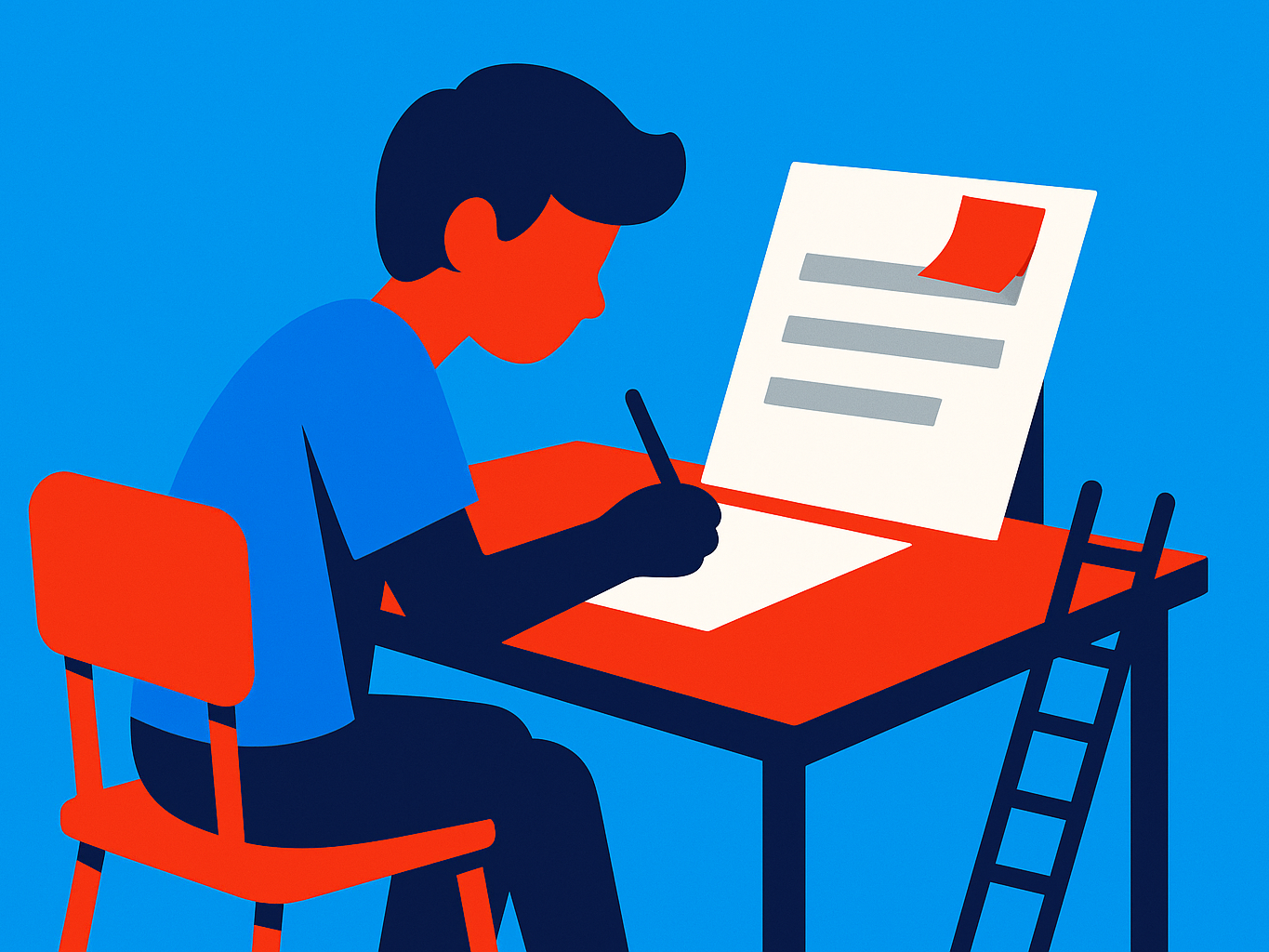
Handling failure is a skill, so a teen who shuts down or avoids trying has usually not been taught it, which is different from lacking character. Heckman and Kautz put the underlying idea this way: traits "are not set in stone" and "can be enhanced by education, parenting, and environment" (Heckman and Kautz, NBER). At Boost we say it more simply: students are not broken, they are untaught.
There is evidence that context matters as much as the lesson. A national experiment with 12,490 ninth graders found that a brief online lesson teaching that abilities can be developed improved grades among lower-achieving students, and that it changed grades "when peer norms aligned with the messages of the intervention." In some settings the gains ranged from 0.14 to 0.25 grade points (Yeager et al., Nature). Those are modest numbers, and a single lesson is not a cure. The takeaway is that the message needs support from the environment around the teen, which includes home.
What Is the Rescue Reflex and What Does It Teach Teens?
The rescue reflex is the urge to fix a teen's problem before the teen has tried, and the research suggests it can feed the very belief you are trying to avoid. In a study of 525 adolescents, "Mothers with stronger failure-is-debilitating mindsets are more likely to engage in helicopter parenting, which may in turn contribute to stronger endorsements of a fixed mindset of intelligence in their adolescent children" (Springer, 2023 study).
Read that with care. The sample was Chinese adolescents, and the relationship ran both ways: a teen's fixed mindset may also draw more hovering over time. This is a loop, not a verdict on parents. Boost's own materials name parental overprotection as one of several forces that can limit skill development, alongside phones and pandemic disruption [Internal: Boost Brand Bible v2].
Rescuing is not always wrong. If you are worried about a teen's safety, that is a conversation for a counselor, not a parenting tip. For everyday setbacks, Making Caring Common's Kiran Bhai offers a useful picture: "help them build strong anchors and remind them we're always nearby, steady, and ready to support" (Making Caring Common).
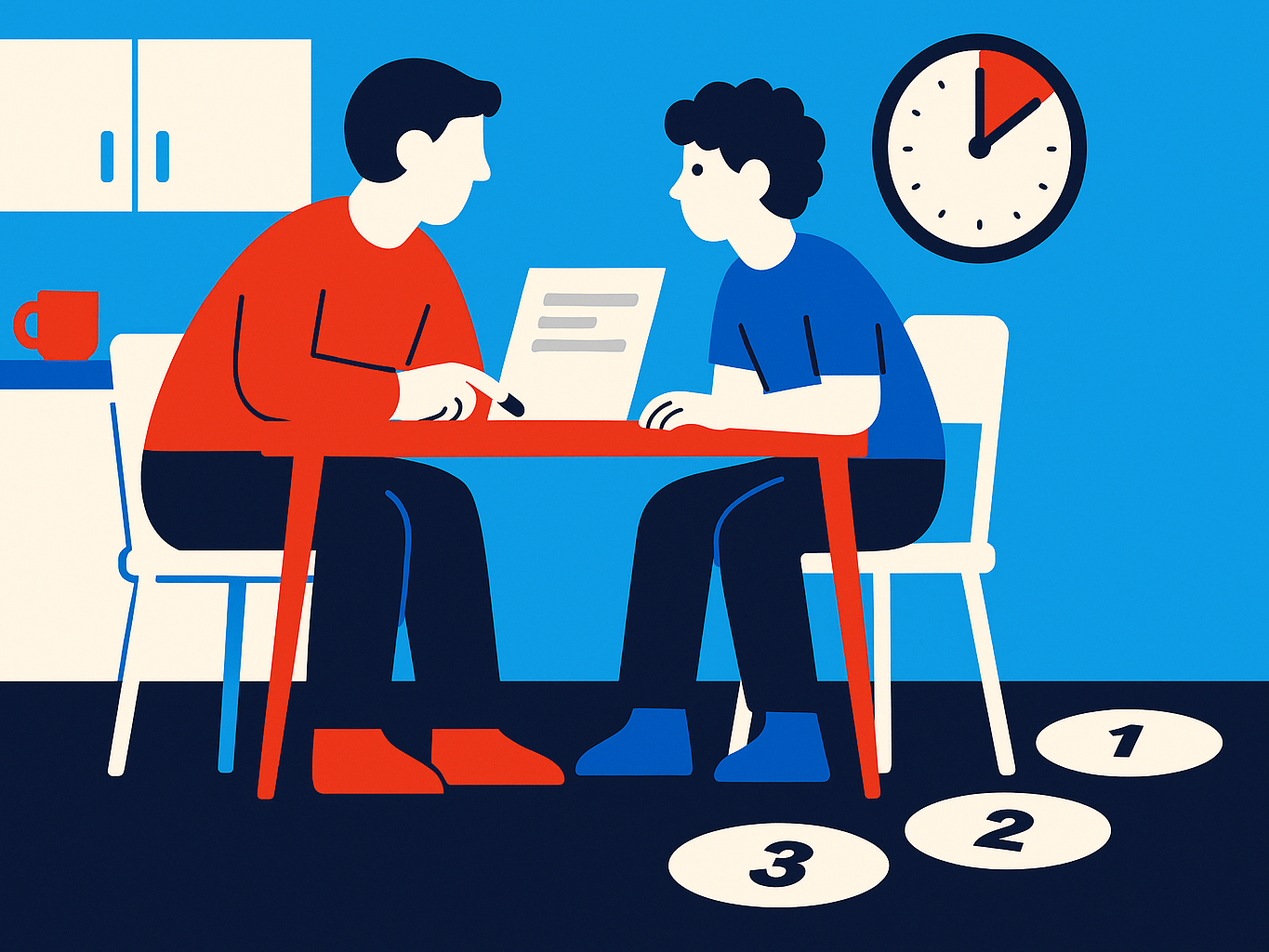
What Should a Parent Do in the First 10 Minutes After a Teen Fails?
Stay calm, listen first, and hold off on fixing anything. This three-step response is a practical suggestion from our experience with teaching these skills, not a protocol from a single study.
- Listen without solving. Let the teen tell the whole story. One sentence of acknowledgment, such as "That sounds frustrating," is enough.
- Name what happened in plain terms. "You got a 62 on the test" is an event. "You're bad at chemistry" is a verdict. Keep to the event.
- Ask what they want to do next, and set a time to revisit. Agree to talk again tomorrow, after dinner and sleep, not in the heat of the moment.
The first 10 minutes are not the time for a lecture, a rescue email, or a comparison to a sibling. Our post on teaching teenagers responsibility without micromanaging covers what to do after that first night.
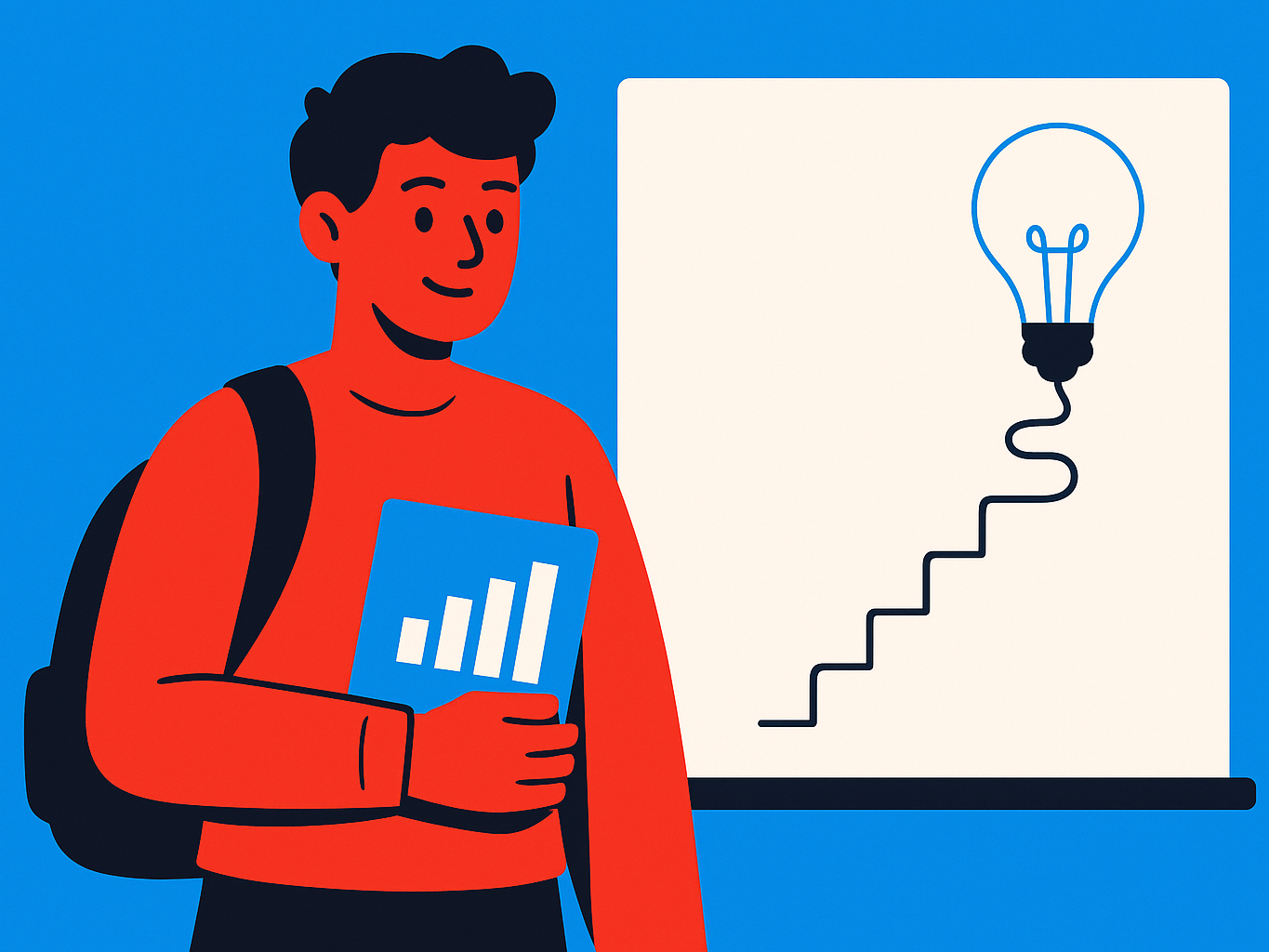
Which Questions Turn a Teen's Setback Into a Plan?
Open questions that make the teen do the thinking turn a setback into a plan. Try these in the follow-up conversation:
- What part of this did you control, and what part did you not?
- What would you do differently with the same task tomorrow?
- Who or what could help you, and what would you ask for?
- What is one small step you could take this week?
- What did this teach you that a good grade would not have?
There is research behind letting struggle do some of the work. A meta-analysis of 53 studies and 166 comparisons found that students did better when they tried problems before the concepts were explained. Manu Kapur, who led the work, said, "Practice before learning the theory is nearly twice as efficient as receiving a year of instruction from an outstanding teacher" (Phys.org, 2021). That finding concerns classroom problem-solving, not family life, so use it as support for the principle, not as proof for parenting.
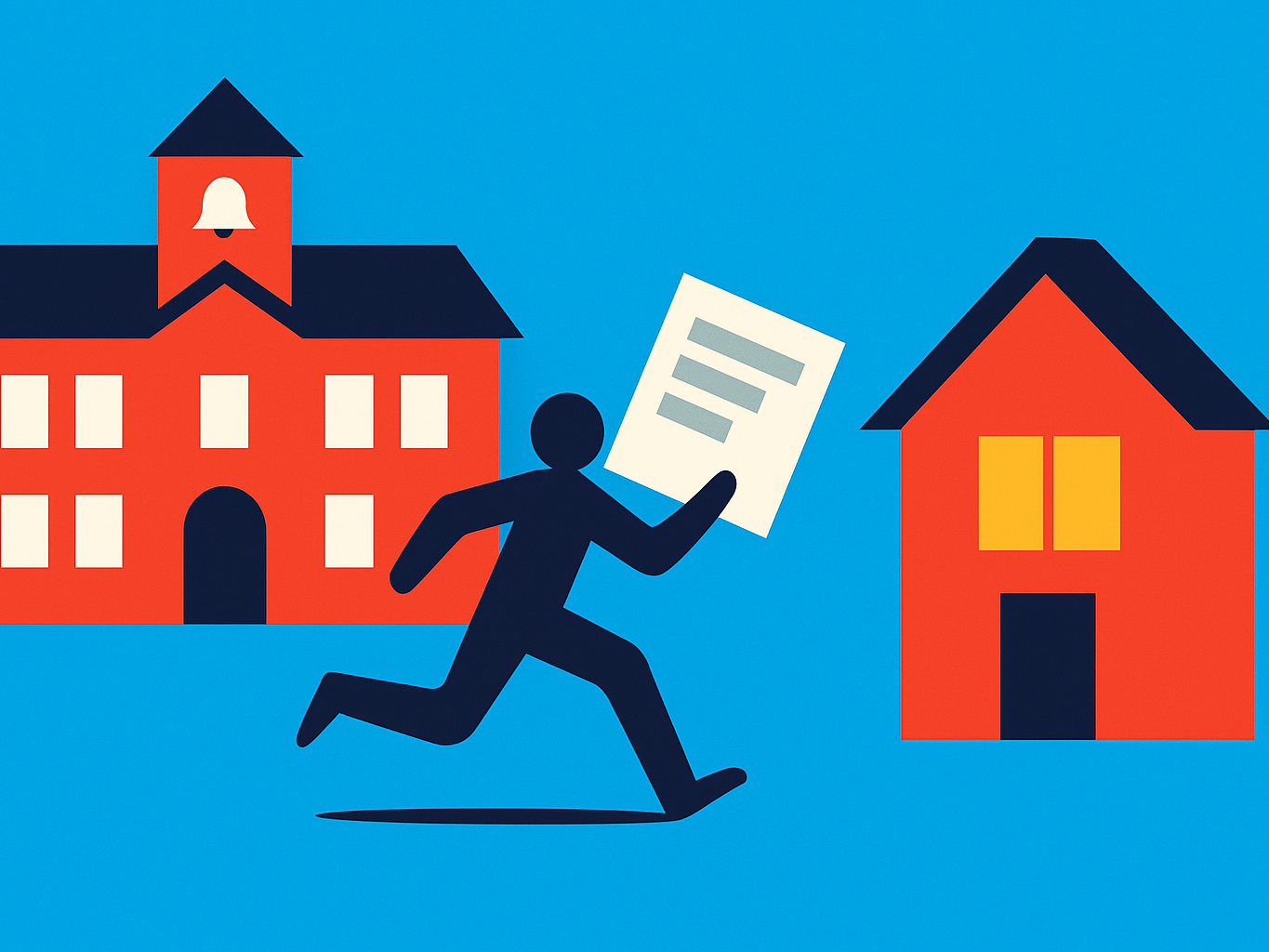
What Can Schools Send Home to Help Parents Handle Teen Failure?
Send one page that gives parents the three-step response, the five questions, and a sentence about what students are learning in class. Matching language between home and school matters because, as the Nature study showed, the same lesson worked differently depending on the surrounding norms.
Keep it short and non-judgmental. Parents are not the problem here, and the page should say so. A parent night can walk through one realistic scenario and let families practice the first 10 minutes out loud. Our guide to what parents can do at home to reinforce soft skills gives you more material to borrow.
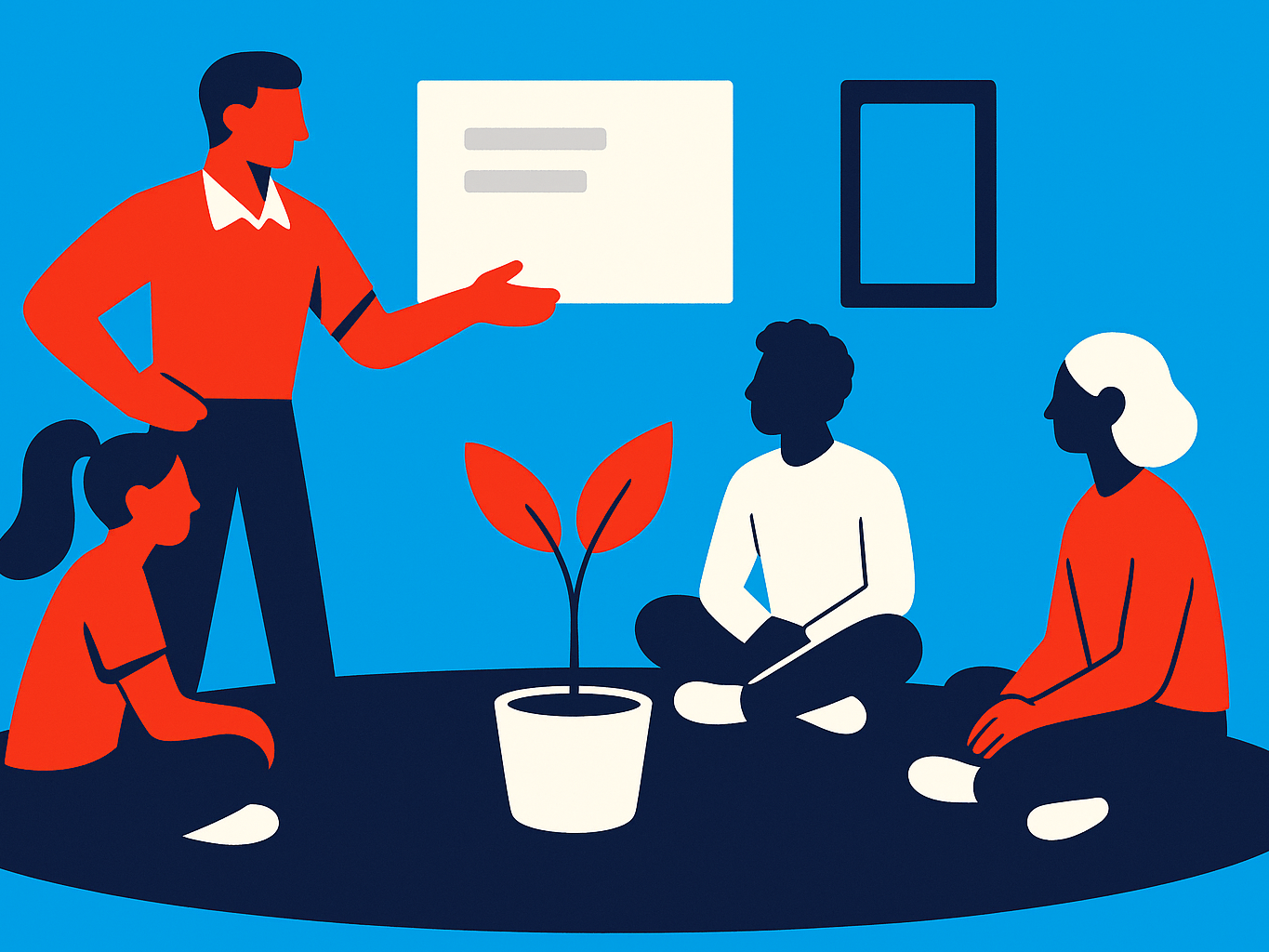
How Does Boost Build the Same Habit in Class?
Boost teaches it directly through the Healthy Mindset pillar, which covers growth versus fixed mindset, struggle as part of growth, grit, reframing negative thoughts, and the idea that a little stress is okay [Internal: Boost Bible]. It is part of an 8-week course that teaches 26 Boost Skills to high school and young adult students, delivered by certified Boost coaches or trained staff.
Students do not just hear the ideas. On the final day they rate each skill green, yellow, or red and pick where to focus next, and they are asked to commit to one small daily practice on a red skill [Internal: Boost Bible]. Boost is not therapy, and Boost Certified Coaches are not therapists or mental-health professionals [Internal: Boost Messaging and Copy Bank]. For a wider look at building this skill in school, see 5 ways to help students build resilience. If you want to see how it would fit your school, you can schedule a discovery call.
Frequently Asked Questions
How Do I Help My Teenager Deal With Failure?
Listen first, name what happened without judgment, and ask what they want to try next. Then revisit it the next day, when everyone has calmed down.
Why Do Teens Avoid Trying Things They Might Fail At?
Often because they have not been taught how to handle a miss. One study of 525 adolescents linked parents' failure-is-debilitating beliefs with hovering and with stronger fixed-mindset beliefs in teens, though the sample was small and from one country.
Should Parents Let Teens Fail?
For everyday setbacks, yes, with support nearby. Safety concerns are different and call for a counselor or other professional.
Can Schools Teach Teens to Handle Failure?
Yes. Research suggests these traits can be enhanced by education, and the effect is stronger when school and home reinforce the same message.
References
- Heckman and Kautz, Hard Evidence on Soft Skills (NBER, 2012)
- Yeager et al., A National Experiment Reveals Where a Growth Mindset Improves Achievement (Nature, 2019)
- Parental Failure Mindset, Helicopter Parenting, and Children's Intelligence Mindset (Springer, 2023)
- Making Caring Common: Creating Anchors for Your Teen's Mental Health (June 2025)
- Phys.org: Those Who Fail Productively Are All the Wiser (2021)
- How to Teach Teenagers Responsibility Without Micromanaging Them
- What Parents Can Do at Home to Reinforce the Soft Skills Schools Are Teaching
- 5 Ways to Help Students Build Resilience (Without Calling It Therapy)
Ready to bring Boost to your school?
Schedule a discovery call to see how the Boost curriculum fits your students.
Schedule a Discovery Call