
What Parents Can Do at Home to Reinforce the Soft Skills Schools Are Teaching
Soft skills lessons taught Monday are often gone by Friday without reinforcement at home. Here's what parents can realistically do without turning dinner into a lesson plan.

- Skills taught at school fade quickly without reinforcement at home, the same way any new skill does without practice.
- Parents don't need a curriculum to reinforce soft skills. A handful of everyday habits do most of the work.
- The most effective home reinforcement happens in ordinary moments, not staged "teaching moments."
- Modeling behavior consistently matters more than any single conversation, since teenagers learn as much from what they watch as what they're told.
- Overdoing it backfires. Turning every interaction into a lesson creates the same disengagement classroom SEL causes when it feels forced.

Why the Lesson Fades by Friday
A student can have a genuinely good conversation-skills lesson on Monday and be back to old habits by Friday, not because the lesson failed, but because skills, like anything else, need repetition to stick. This isn't unique to soft skills. It's the same reason a single guitar lesson doesn't make someone a guitarist. The gap between school and home is where most reinforcement opportunities get lost, simply because no one is deliberately using them.

Five Low-Effort Home Habits That Actually Reinforce Skills
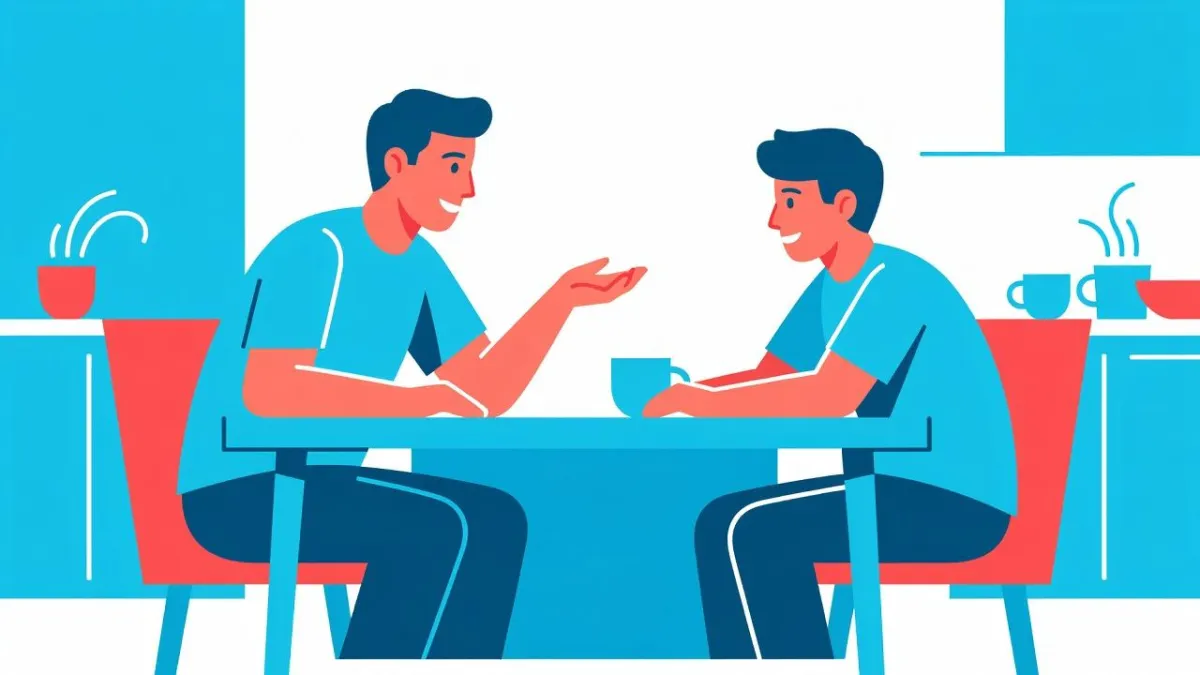
The good news is that reinforcement doesn't require a curriculum. It requires noticing a handful of everyday moments and using them consistently. Five habits tend to matter most: eating at least one meal together without phones, asking follow-up questions instead of yes/no questions at the dinner table, letting your teenager handle an uncomfortable phone call or conversation themselves before stepping in, naming the skill out loud when you see them use it well ("that was a great apology" lands better than a lecture), and modeling the specific behaviors you want to see, especially around phone use and self-talk, since teenagers notice hypocrisy faster than almost anything else.

What Not to Do: Turning Every Moment Into a Lesson
The instinct to reinforce can tip into over-teaching, and teenagers are unusually good at detecting when a normal conversation has secretly become a lesson. That detection triggers the same disengagement that happens in a classroom when SEL feels forced rather than genuine. The fix isn't fewer opportunities, it's lighter touch: a short, specific comment in the moment beats a ten-minute debrief after the fact, every time.

How This Connects to What's Taught in the Classroom
Boost's own philosophy rests on the idea that life is skill-based: the things that determine whether someone thrives (relationships, respect, resilience) are learnable, not fixed traits. Parents don't need to become instructors to reinforce that idea. They just need to occasionally point out, in real time, that a skill they're watching their teenager use (or struggle with) is exactly the kind of thing that can be practiced and improved, the same message the classroom is reinforcing from a different angle.
Frequently Asked Questions
How Can Parents Help With Social-Emotional Learning at Home?
By reinforcing skills in ordinary moments rather than staged lessons: modeling the behavior themselves, asking follow-up questions, and naming a skill out loud when they see their teenager use it well.
What Are Simple Ways to Teach Life Skills at Home?
Shared meals without phones, letting teenagers handle small uncomfortable interactions themselves, and consistent modeling of the behaviors parents want to see tend to matter more than any formal lesson.
How Do You Reinforce What Kids Learn in School Without Overdoing It?
Keep it light and specific. A short comment in the moment reinforces a skill far better than turning every interaction into a debrief or lecture, which usually causes the same disengagement forced classroom lessons do.