What 'Life Is Skill-Based' Actually Means — And Why It Changes Everything for Students
What 'Life Is Skill-Based' Actually Means — And Why It Changes Everything for Students
The most powerful idea in youth development isn't a technique or a curriculum unit. It's a belief. Here's what it means, why students need to hear it, and what changes when they do.
Key Takeaways
- The core belief behind Boost: life is skill-based. Everything standing between a student and the life they want is a learnable skill — not a fixed trait.
- 20% to 87% — the shift in students who "absolutely" believe skills drive success, from day one to the last day of the program.
- The most important distinction in education: not broken, untaught. Students don't lack character — they lack instruction.
- Before Boost teaches any skill, it connects students' own dreams to the skills required for them. That's when they lean in.
- When school communities adopt this belief, discipline, relationships with failure, and student initiative all change.
There's one idea at the center of everything we do at Boost. It's not a technique, a framework, or a curriculum unit. It's a belief:
Life is skill-based.
Four words. But when a teenager truly understands them, something shifts. Their self-talk changes. Their approach to challenges changes. The kind of student they are, and the adult they're becoming, changes.
On the first day of every Boost program, we ask students one question: "Do you feel there's a specific set of skills that allows you to obtain all you want in life?" They can answer Not Really, I Guess Somewhat, or Absolutely.
That gap shows a student transforming from seeing life as something that happens to them to something they can build. That shift is the whole point.
Where the Idea Comes From
The belief that life is skill-based isn't unique to Boost. It's the operating principle behind every high performer in any field.
An athlete who loses a game doesn't conclude they're a failure. They analyze what went wrong and work on the specific skill that broke down. A musician who flubs a performance doesn't give up on music. They practice the passage they couldn't execute. For them, failure is data, and data points to skill gaps.
At Boost, we apply that framework to everything else — communication, relationships, resilience, self-regulation, goal-setting, managing feedback, handling conflict. These aren't personality traits. They're skills. Every single one can be learned, practiced, and improved, just like a backhand or a chord change.
The problem is most teenagers have never been told this. They've been evaluated on these capacities their whole lives — by teachers, coaches, parents, peers — but almost never taught them. So when they struggle, they don't think "I need to work on this skill." They think something is wrong with them. That's the gap we're closing.
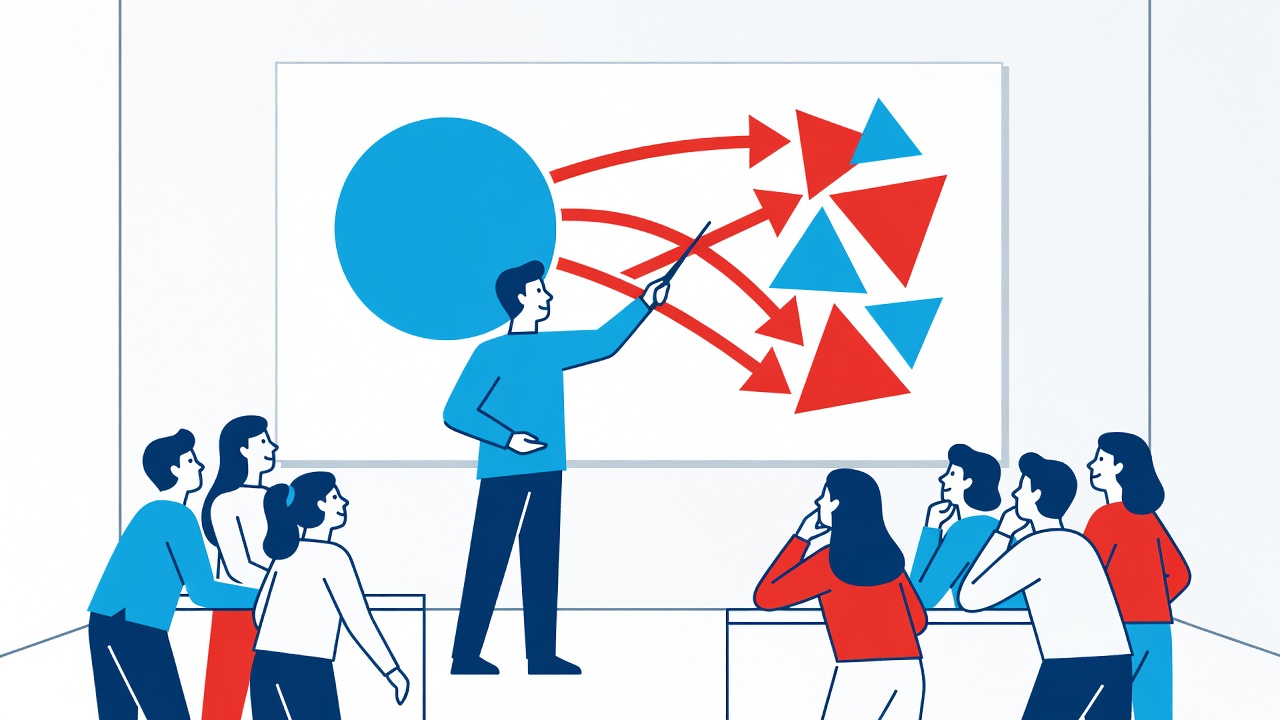
Broken vs. Untaught: The Most Important Distinction in Education
The most damaging thing we say — or imply — to students is that their struggles reflect who they are.
A student who can't hold a conversation, handle criticism, manage their anger under pressure, or follow through on commitments often gets labeled. Problem kid. Low EQ. No work ethic. Once the label sticks, everyone stops looking for a better explanation.
The better explanation is almost always the same: the student was never taught.
Not broken. Untaught.
This distinction matters because it changes what's possible. If a student is broken, there's little a school can do — you route them to support services and hope for the best. If a student is untaught, you can teach them. And teaching is exactly what schools are built to do.
I've been in enough classrooms to say this with confidence: when you treat behavior problems and social deficits as skill gaps instead of character flaws, the whole situation changes. Students who were written off start paying attention. Students who had given up start trying. Not all of them, and not overnight — but enough that you can't dismiss it.
The belief creates the possibility. That's why it comes first.
Why This Reframe Changes Student Behavior
Here's what happens inside a teenager when they truly accept that life is skill-based.
First, failure stops being personal. If a skill is what broke down, you can work on it. That's not humiliating — that's a plan. The student who used to shut down after a bad grade or a rough conversation starts asking: what specifically went wrong, and what would I do differently?
Second, success becomes accessible. Many students who feel stuck believe "People like me don't get to have that life." They genuinely see the gap between where they are and where they want to be as filled with unchangeable factors — their neighborhood, family, personality. When you show them the skills required for the life they want are learnable, the gap stops looking fixed. It starts looking like work. Hard work, and real work, but work. That's a completely different relationship with the future.
Third, they start taking initiative. Students who believe their outcomes are determined by forces outside themselves don't invest in themselves. Why would they? But students who believe the skills they build today will show up in their life two years from now — those students practice, ask questions, and repeat things until they get better. That's what 87% sounds like.
How Boost Builds the Belief Before Teaching the Skill
We don't start a Boost program by teaching skills.
We start by asking every student to picture what they want their life to look like. Not a five-year plan — just a picture. What do you want? Where do you want to be? What does success look like to you specifically?
Then we show them something that almost always surprises them. No matter what the picture looks like — athlete, entrepreneur, parent, artist, whatever — every single version requires the same skills. Eye contact. Listening. Following through on commitments. Handling pressure. Knowing how to apologize. Managing your own emotions in a hard moment.
These aren't optional extras for the life they described. They're the foundation of it. Once a student sees that connection — once it clicks that the skills we're about to spend eight weeks on are directly tied to the picture they just drew — they stop treating this like another school thing they have to get through. They start treating it like something that's actually for them. That's when they lean in. Every time.
What Schools Look Like When This Idea Takes Hold
When a school community — administrators, teachers, coaches, staff — genuinely operates on the belief that life is skill-based, everything looks different.
Discipline conversations change. Instead of "this is unacceptable behavior," the conversation starts with "what skill broke down here, and how do we build it?" That's not soft — it's more precise. Precision leads to better outcomes.
Student relationships with failure change. Schools that explicitly teach the skill-based framework see students who are more willing to take risks, ask questions, and try things they're not already good at. The fear of looking dumb goes down when failure is information instead of verdict.
And the adults' relationship with students changes. It's hard to write a kid off when your working assumption is that they're untaught, not broken. It's much easier to show up every day looking for the right entry point.
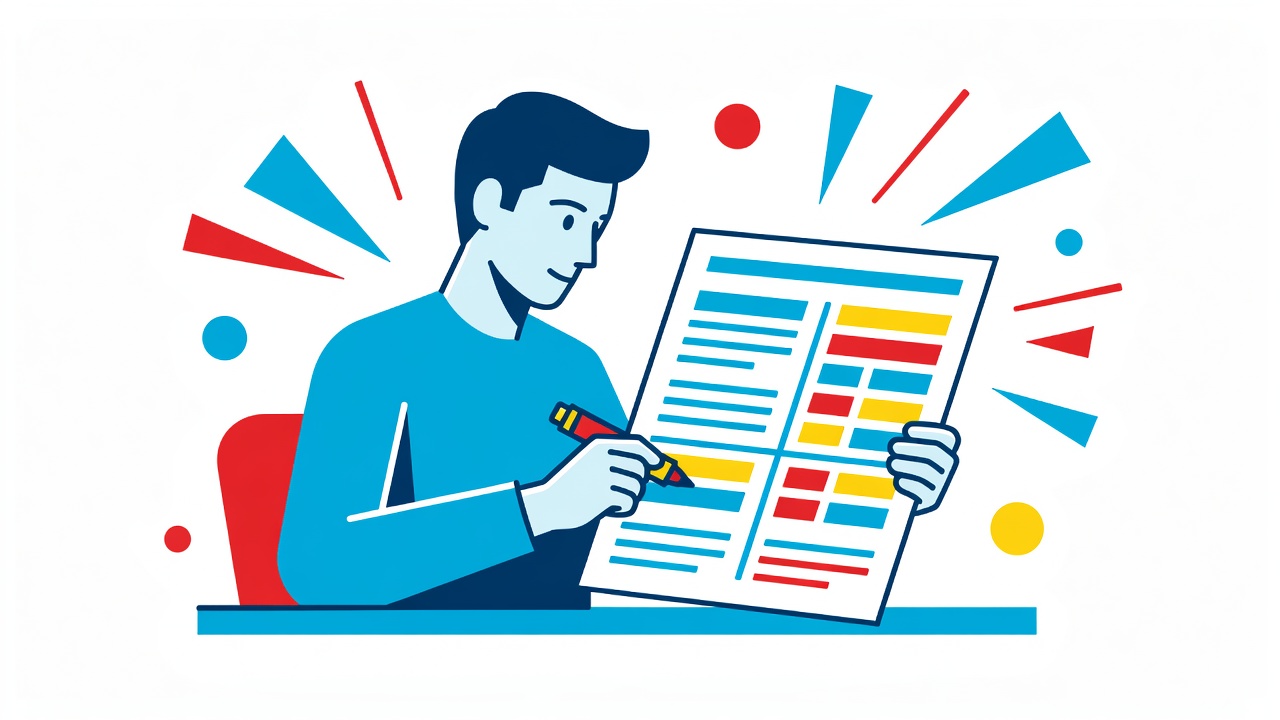
The 26 skills we teach in Boost aren't the ceiling — they're a foundation. Interpersonal skills, character, mindset, wellbeing, and achievement. Students who finish the program and mark each skill green, yellow, or red on the rating worksheet on the final day aren't just rating themselves. They're practicing the most important skill of all: honest self-assessment. Looking at yourself clearly enough to see where the work is. That's the skill-based mindset in action. And once it's there, it doesn't go away.
Frequently Asked Questions
What does "life is skill-based" actually mean?
It means that most of what determines success in relationships, work, and life — communication, resilience, self-regulation, empathy, follow-through — are learnable skills, not fixed traits. You're not born with them or without them. You practice them and they improve, just like any other skill.
How does this idea change how students see themselves?
When students believe their outcomes are shaped by learnable skills rather than fixed personality or circumstance, failure stops being personal and starts being useful. They shift from "something is wrong with me" to "this is a skill I can work on." That shift produces more initiative, more persistence, and more honest self-assessment.
Why doesn't this idea get taught in most schools?
Because most schools are built to evaluate skills, not teach them. Academic skills get taught explicitly — reading, math, writing — but social-emotional skills are expected to develop on their own. Boost treats these skills with the same rigor as academic content: explicit instruction, practice, feedback, and repetition.
What's the evidence that this works?
On day one of every Boost program, 20% of students say they absolutely believe there's a specific set of skills that can drive success in life. By the final day, 87% say yes. That shift isn't from a lecture — it's from experiencing the skills themselves and watching their own thinking change.
What are the 26 Boost Skills?
The 26 Boost Skills cover five areas: interpersonal skills (eye contact, listening, asking questions), character (honesty, empathy, humility, kindness), mindset (growth vs. fixed, handling stress, reframing), wellbeing (phone management, gratitude, skills to create calm), and achievement (the goal-setting process). Together they represent the foundational skill set for any life a student wants to build.
See What This Looks Like Inside a School
Schedule a free 20-minute discovery call and we'll show you how Boost installs the skill-based mindset — and builds the 26 skills that follow from it.
Schedule a Discovery Call