How to Teach Teenagers to Make Decisions Under Pressure (Not Just in Theory)
- Worksheet-based decision-making lessons train students to reason slowly, but real decisions under pressure get made in under two seconds, before the reasoning brain fully engages.
- Research on adolescent brain development shows the prefrontal cortex, the part responsible for weighing consequences, is still under construction until roughly age 25, which is exactly why rehearsed, low-stakes practice matters more than instruction for this age group.
- Decision-making under pressure is a trainable skill built through repetition in realistic, time-boxed, socially loaded scenarios, not a trait some students have and others lack.
- Schools that pair a brief framework with live practice see the skill transfer to hallways and group chats; schools that stop at the worksheet do not.
- The Boost Program builds this capacity through structured practice rounds inside the People Skills and Healthy Mindset pillars, not through a single lesson on "good choices."
A junior at one of our partner schools got a 94 on a decision-making worksheet last spring. Four multiple-choice scenarios, four correct answers, tidy handwriting. Three weeks later, a friend handed her a vape in the school bathroom with a teacher thirty feet away, and she took it without thinking. Not because she didn't know the "right" answer. She'd written it down herself, twice. She froze under the actual pressure of a real moment, and the worksheet brain and the bathroom brain turned out to be two different systems entirely.
That gap is the whole problem with how most schools teach decision-making skills for teenagers, and it's worth naming precisely so we can fix it.
Why Hypothetical Decision-Making Practice Doesn't Transfer
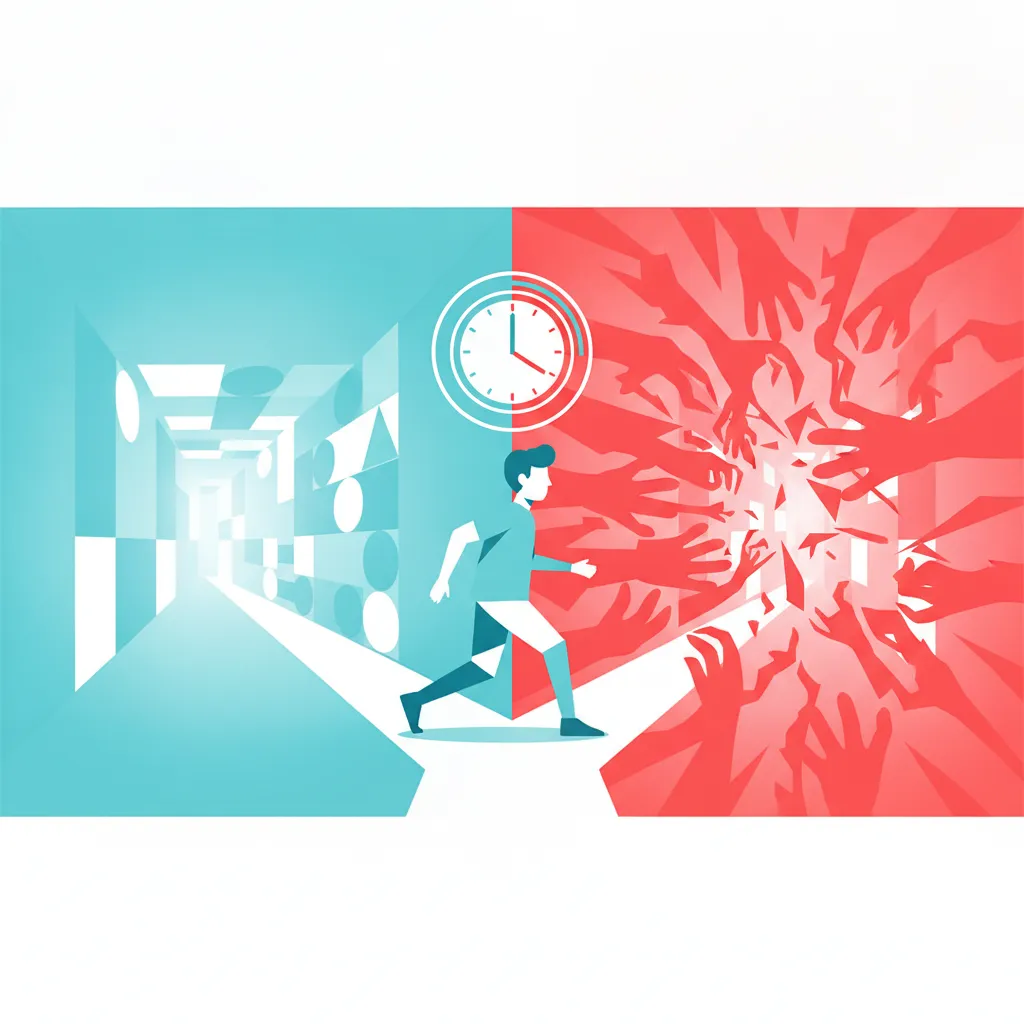
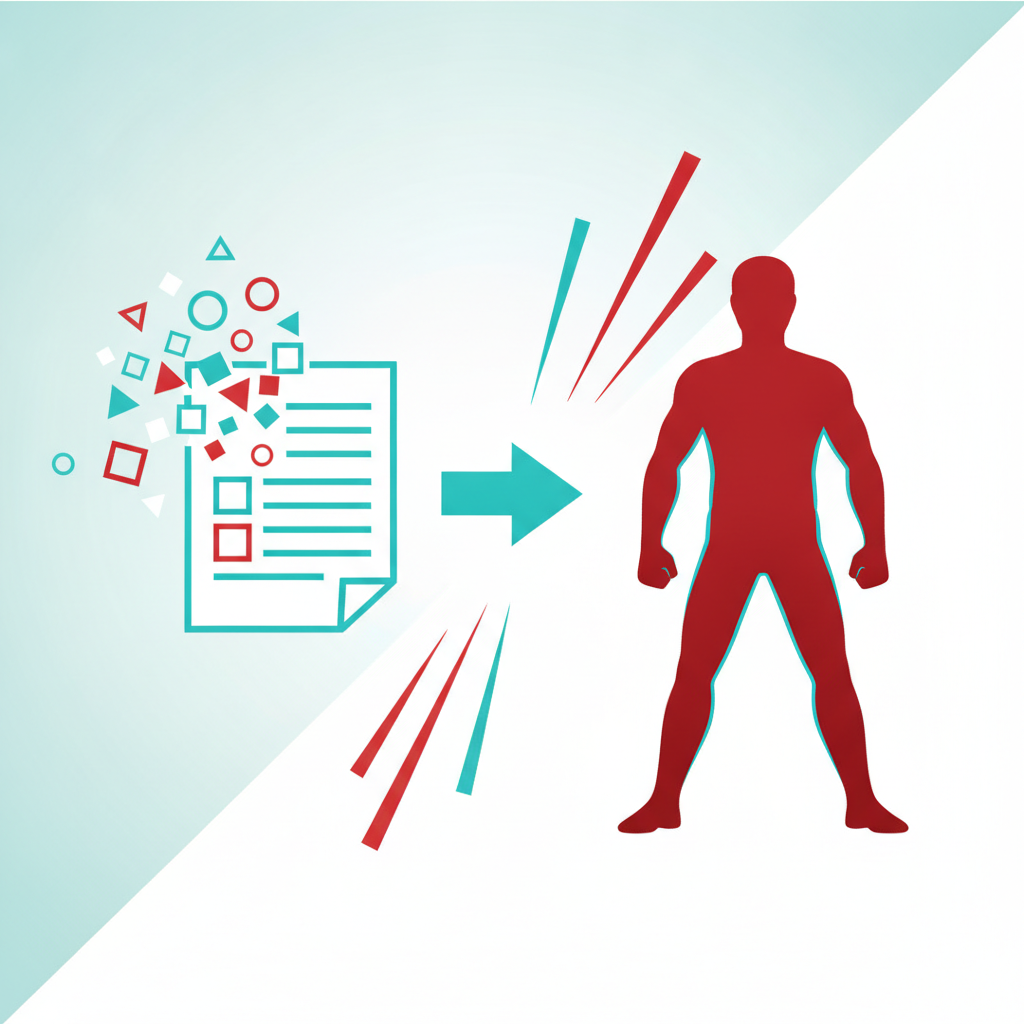
A worksheet scenario gives a student unlimited time, zero social consequence, and a built-in cue that says "this is a test of your judgment." A real decision gives a student under two seconds, an audience, and no cue at all. Those are not the same skill wearing different clothes. They're different cognitive systems.
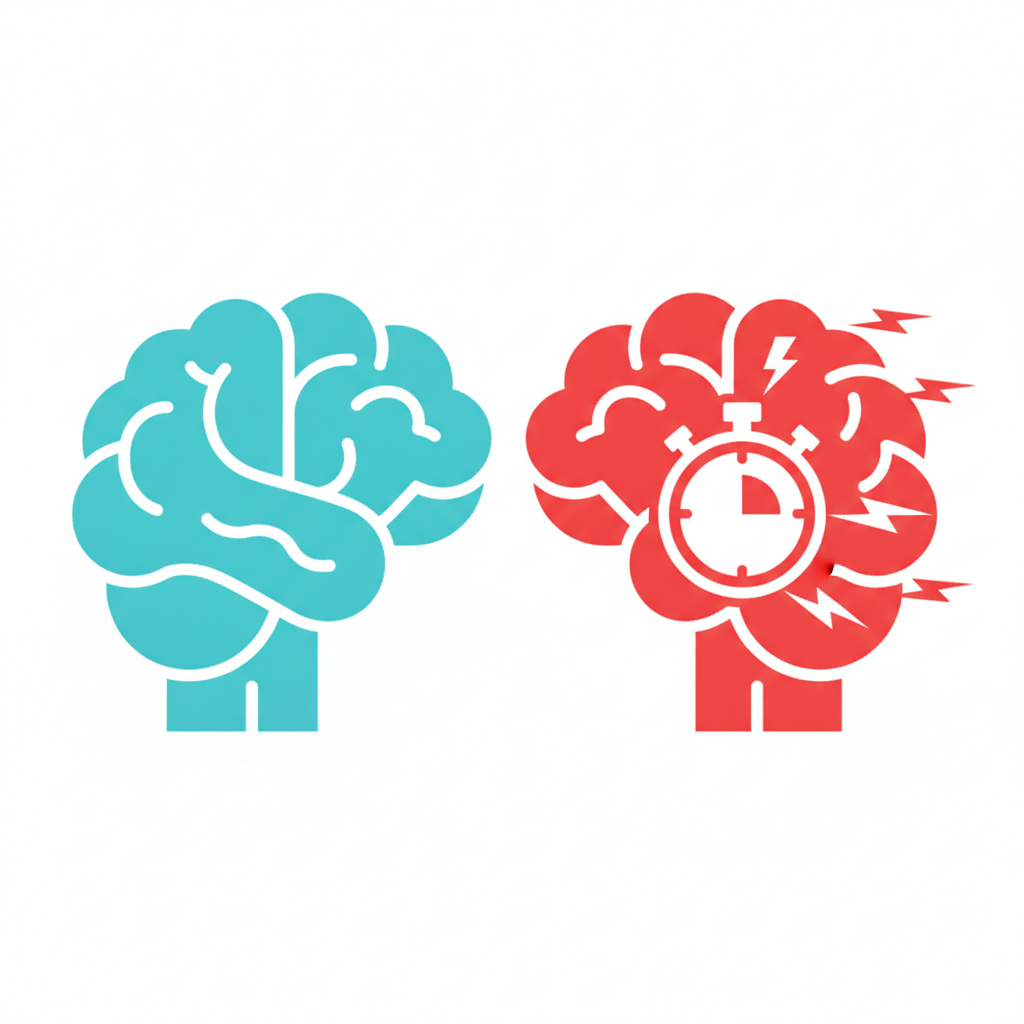
Adolescent brain research backs this up directly. The prefrontal cortex, which handles planning, impulse control, and weighing long-term consequences, isn't fully developed until the mid-twenties, according to the National Institute of Mental Health. Meanwhile the limbic system, which drives emotional and social reward-seeking, matures much earlier and dominates in moments of social pressure or time scarcity. A worksheet lets the slower, more mature system do all the work. A hallway moment hands control to the faster, less mature one. Practicing the slow system in isolation does almost nothing to prepare a student for the fast one.
This is also why "just tell them the consequences" doesn't move behavior much on its own. Teenagers are not, in general, bad at knowing consequences. According to the University of Rochester Medical Center's overview of teen brain development, teens process most decisions through the amygdala rather than the still-maturing prefrontal cortex, which is exactly the pattern that shows up when a peer is present or a decision has to be made quickly. Knowledge and behavior split apart under exactly the conditions where the decision actually happens. We've written before about how the DOSE framework explains why student brain chemistry works against good intentions in the moment, and decision-making under pressure is one of the clearest places that shows up.
The practical result: a curriculum that stops at "here's a scenario, what would you do" is training recall, not response. It's the equivalent of teaching someone to swim by having them describe the butterfly stroke on a whiteboard.
What Decision-Making Under Pressure Actually Requires
Pressure-tested decision-making is built from three components, and a program has to train all three or the skill doesn't hold up outside the classroom.
Speed. The decision has to be practiced with a real clock, not an open-ended one. Researchers who study "fast and frugal" heuristics, including the work associated with psychologist Gerd Gigerenzer, have shown that good real-world decisions under time pressure rely on a small number of well-rehearsed rules rather than exhaustive analysis. Students need a rule they can access in one to three seconds, and the only way to build that is to practice retrieving it that fast, repeatedly, until it's automatic rather than effortful.
Social noise. The decision has to be practiced with another person watching or participating, because social presence is the exact variable that degrades performance in real life. A private worksheet removes the one factor that causes the failure. Role-played scenarios with a peer or coach present, where a student has to hold their answer while someone pushes back on it, are what closes that gap.
Reps, not a single unit. One lesson on decision-making, however well designed, produces a memory. Repetition across weeks produces a reflex. As one Boost coach who works with 9th and 10th graders put it during a recent training session: "The kids who freeze aren't the ones who don't know the right call. They're the ones who've only ever made it on paper." That's not a knock on any individual student. It's a description of what happens when practice never leaves the page.
This lines up with how other high-pressure skills get built at Boost too. We've made a similar case for time management, arguing that teenagers build the skill by practicing it themselves rather than having a parent manage it for them, and decision-making under pressure follows the same rule: it's a behavior you rehearse, not a lesson you deliver.
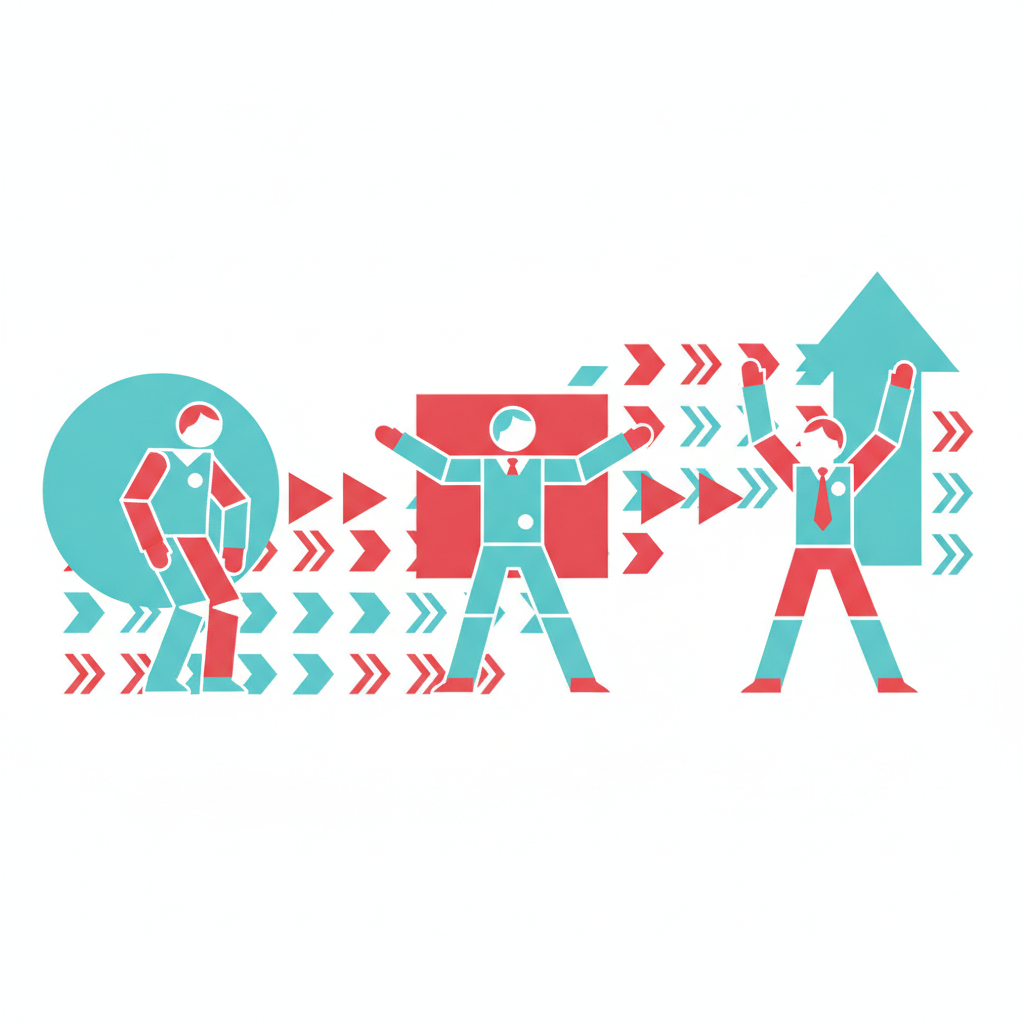
How To Build The Skill Through Repetition, Not Lectures
Here's what that looks like in a classroom or an advisory period, structured as a repeatable cycle rather than a one-off unit.
Start with a one-line rule the student can retrieve fast. Something like "name it before you do it" or "ask one question before you answer." The rule needs to be short enough to say under stress, not a five-step model that requires a worksheet to remember.
Run timed, socially loaded scenarios, live. Pair students up. Give one student a real-feeling pressure situation (a friend asking them to cover for something, a group chat escalating, a dare in front of others) and a hard time limit, often 10 to 15 seconds, to respond out loud. The point isn't to get the "correct" answer. It's to practice producing any deliberate answer under the specific conditions that make deliberate answers hard.
Debrief the moment, not the morality. Immediately after, ask what the student noticed in their own body and thinking, not whether they made the "right" choice. This builds self-awareness of the pressure itself, which research and practice both show is a prerequisite for interrupting it next time. This connects directly to what we've written about the self-awareness skill most teenagers are never explicitly taught: students can't manage a pressure response they've never been asked to notice.
Increase the stakes gradually across weeks. Early reps use low-stakes, almost silly scenarios so the mechanics of the rule become familiar without emotional load. Later reps raise the social and time pressure closer to what a hallway or party actually feels like. This is the part a single lesson structurally cannot do, because it requires weeks, not a period.
Let it fail in the room, on purpose. Some reps should end with a student freezing or choosing wrong, in a setting where that's safe. A student who has already felt what freezing feels like, and gotten to try again thirty seconds later, has a fundamentally different relationship to that moment than a student who is encountering the feeling for the first time in a real bathroom or parking lot.
This is close to what shows up when we talk about grit and perseverance too. We've argued that grit alone isn't enough, and students need specific accompanying skills to make persistence useful, and pressure-tested decision-making is one of those companion skills: the resolve to do the right thing only pays off if the student has also rehearsed doing it fast.
Inside the Boost Program's 8-week curriculum, this repetition happens across the People Skills and Healthy Mindset pillars specifically, with certified Boost coaches running live scenario rounds rather than assigning standalone decision-making worksheets. In our own pilot data, 87% of students reported understanding that "life is skill-based" by the end of the 8 weeks, up from 20% at the start, a shift we see reflected in how students describe handling pressure moments after the course versus before it.
Frequently Asked Questions
How Do You Teach Decision-Making To Teenagers?
Teach a short, memorable rule they can retrieve in a few seconds, then have them practice applying it out loud in timed, socially realistic scenarios, not just on paper. Repetition across weeks, with feedback after each round, is what makes the skill available under real pressure.
What Is Good Decision-Making For Teens?
Good decision-making for teens isn't about always choosing the "correct" option. It's the ability to pause long enough to make a deliberate choice at all, even when time is short and peers are watching, rather than defaulting to impulse.
How Do Teens Make Decisions Under Peer Pressure?
Under peer pressure, teens tend to rely on the brain's faster, more emotionally driven systems rather than the slower planning systems that dominate calm, private reflection. That's a developmental reality, not a character flaw, and it's exactly why realistic practice matters more than instruction alone.
Can Decision-Making Under Pressure Really Be Taught, Or Is It Just Personality?
It can be taught. Studies on decision heuristics and adolescent development both point to the same conclusion: fast, reliable decision-making comes from rehearsed rules and repeated practice, not fixed personality traits. Students who seem naturally "good under pressure" almost always have more hidden reps than their peers, not more innate talent.
How Long Does It Take For This Skill To Show Up In Real Situations?
Most programs, including Boost's, see meaningful shifts in self-reported confidence and coach-observed behavior within an 8-week cycle of consistent weekly practice, though the skill continues to strengthen with ongoing reinforcement at home and in later grades.
References
- The Teen Brain: 7 Things to Know, National Institute of Mental Health
- Understanding the Teen Brain, University of Rochester Medical Center
- The DOSE Framework: What Every School Should Know About Student Brain Chemistry
- How to Teach Teenagers to Manage Their Time Without a Parent Doing It for Them
- The Self-Awareness Skill Most Teenagers Are Never Taught
- Why Grit Alone Isn't Enough: The Three Skills Students Need Alongside It