Inside the Boost Formula: How We Turn 26 Skills Into Actual Behavior Change
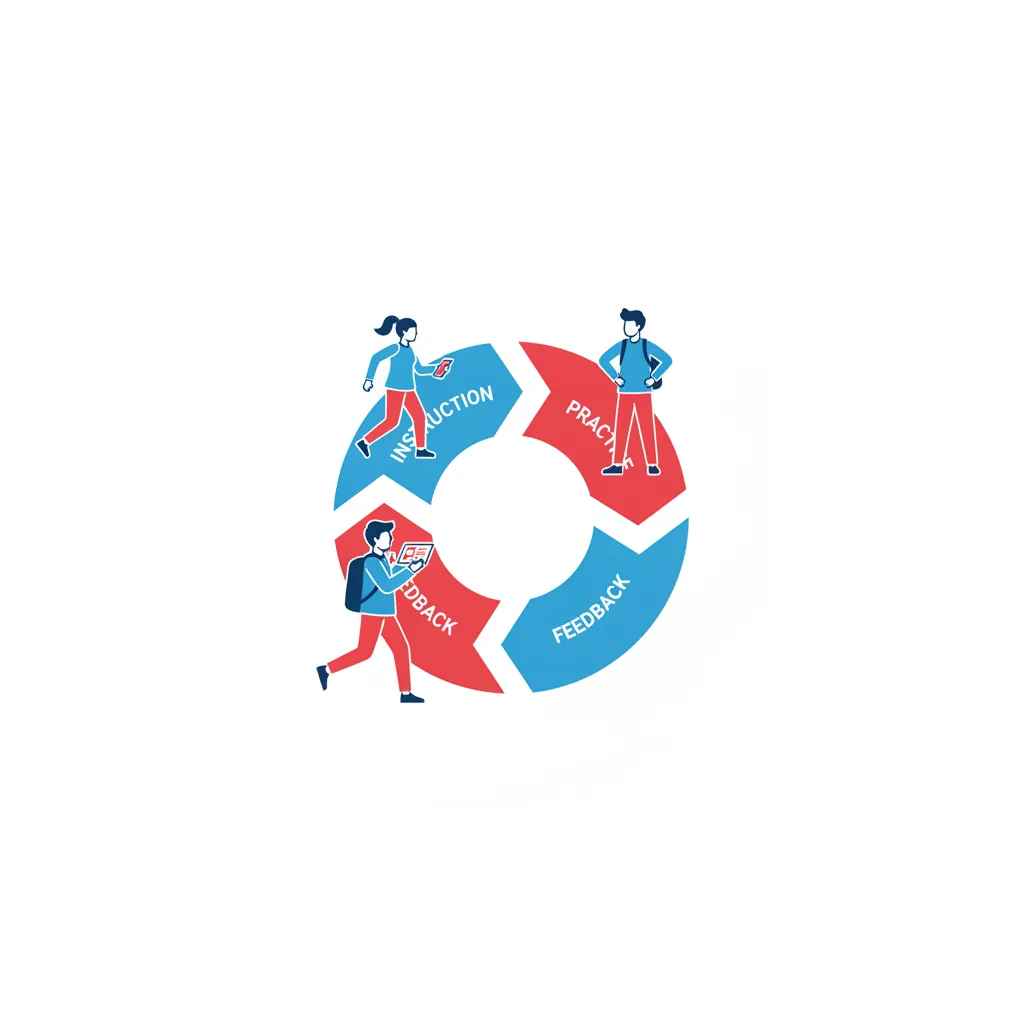
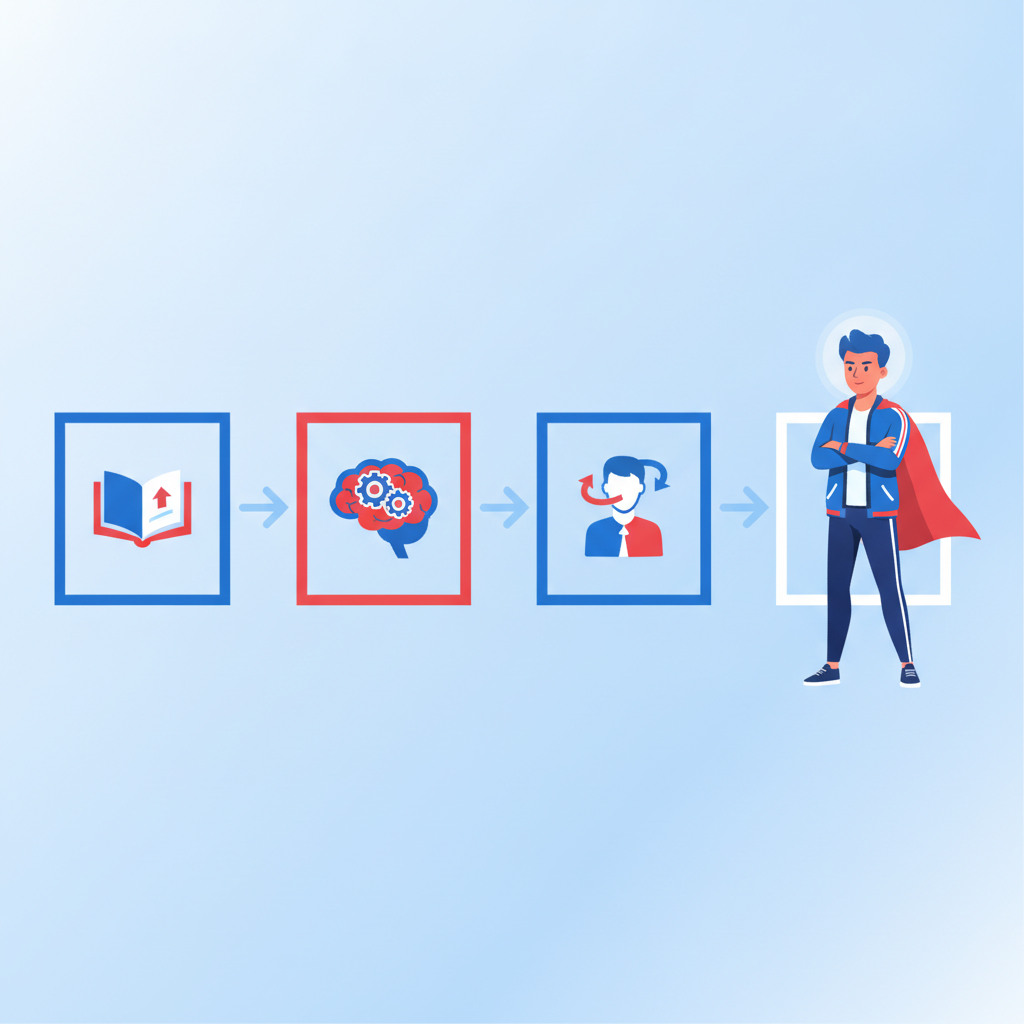
- The Boost Formula is the four-step method behind every one of the 26 Boost Skills: direct instruction, role-play practice, video review and feedback, and self-assessment.
- Talking about a skill is not the same as building it. Research on deliberate practice shows structured, feedback-driven practice consistently outperforms lecture-only instruction on measurable skill acquisition.
- In Boost's own 8-week pilot, 87% of roughly 30 students left believing life is skill-based, up from just 20% on day one, a shift the Formula is built specifically to produce.
- Video review is the step most programs skip, and it's often the one that moves the needle fastest: students frequently fix in minutes what a coach couldn't fix in an hour of telling them.
- The Formula ends with honest self-assessment, not a grade, so students leave with a specific plan instead of a vague sense of how they did.
Most soft skills instruction stops at the first step: a lesson, a discussion, maybe a worksheet. That's where the Boost Formula starts. What happens next, structured practice, filmed feedback, and honest self-review, is the part that actually changes behavior, and it's also the part almost no one outside Boost has seen spelled out. Here's the mechanism, step by step.
Why "Just Talk About It" Doesn't Change Behavior
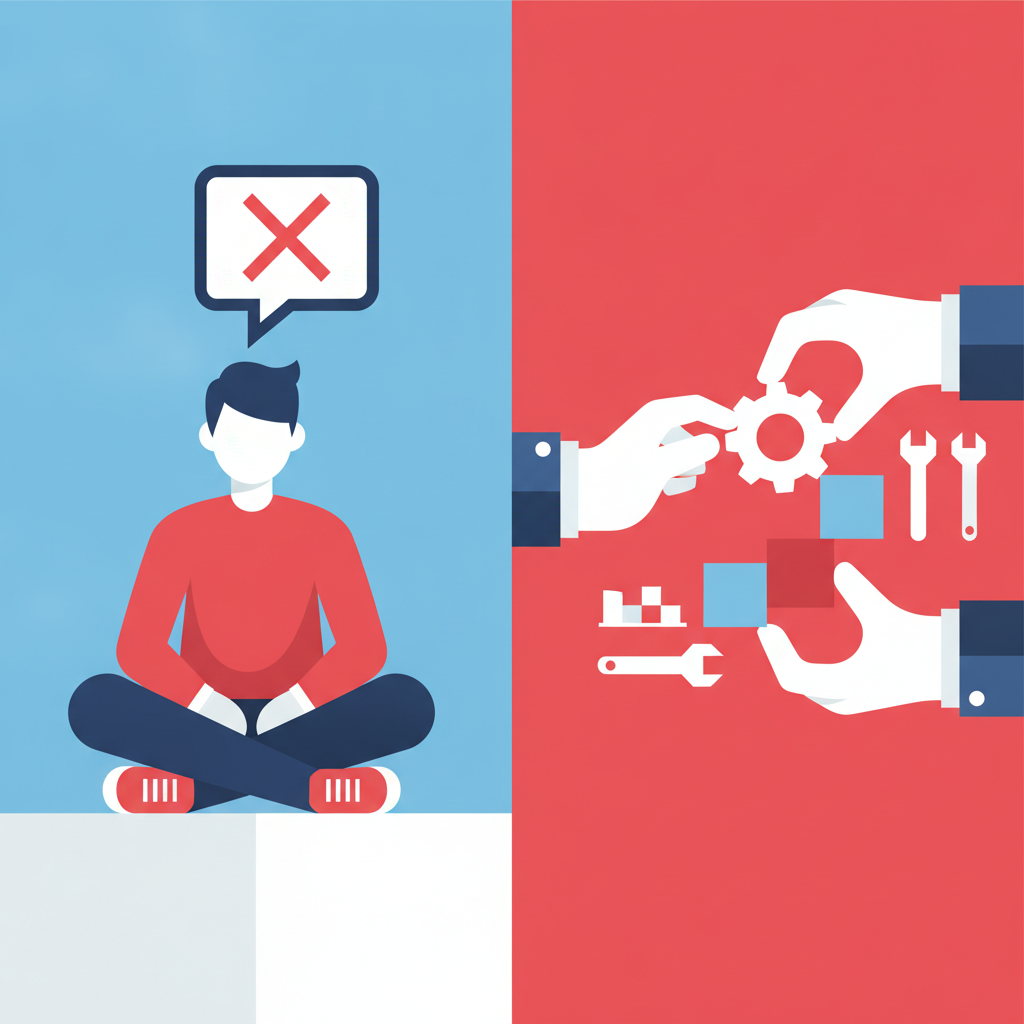
Students can discuss teamwork for a full class period and still not know how to actually work on a team, the same way reading about push-ups doesn't build arm strength. Knowledge and behavior are different things, and the gap between them is exactly where most skills programs quietly fail. A 2024 systematic review found that across randomized controlled trials, participants using structured deliberate practice consistently outperformed control groups on measurable skill acquisition, even over relatively short training periods, according to a PubMed review of deliberate practice research. Rob Heller, Boost's founder, puts it more simply: "You don't become a musician by attending one concert. You practice and fail many times." [Internal: Boost Brand Bible] The Boost Formula exists because a lecture on empathy doesn't make anyone more empathetic. Practicing empathy, getting feedback on it, and checking your own progress does.

Step 1: Direct Instruction
Every Boost skill starts with a clear, specific lesson: what the skill is, why it matters, and what it actually looks like when it's missing. This step is short on purpose. Students get a working definition of the skill (say, reading non-verbal cues) and a concrete picture of the gap it closes, not a lecture that fills the whole session. Direct instruction answers one question before anything else: why should I care about this? If you've read our breakdown of what "life is skill-based" actually means, you know this is the belief every lesson is anchored to. Students who don't buy that a skill is learnable will sit through the lesson and forget it by lunch. Students who do buy it lean into what comes next.

Step 2: Practice Through Role Play
This is where most soft skills curricula stop short, and where Boost starts doing the real work. Students practice the skill in a low-stakes scenario built to mirror something they'll actually face: a job interview, a disagreement with a friend, a moment that calls for a genuine compliment instead of a one-up. Research backs up why this matters. A study on interview-skills training for new psychiatric nurses found that combining role play with video review and group discussion was more effective than didactic lecture alone at building real interview skills. Boost's own version of this shows up most visibly in the mock interview program, where students practice with peers before ever sitting across from a real hiring manager, the same structure covered in our piece on the 8 people skills every student needs before a first job interview.
Step 3: Video Review and Feedback
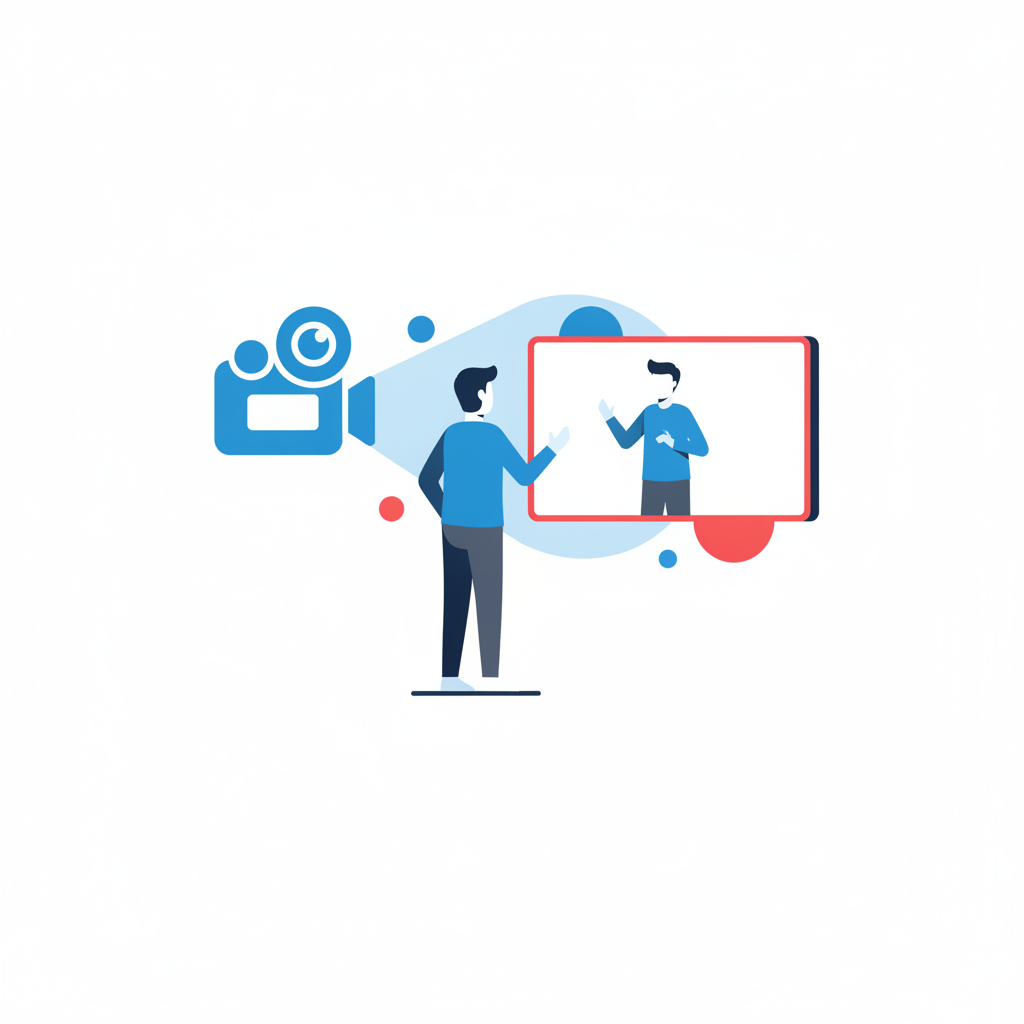
Students watch themselves attempt the skill, and this is usually the step that produces the fastest visible change. A study on clinical skills feedback found that peer assessments incorporated core deliberate-practice components (specific goals, focused practice, actionable feedback) in 83% and 89% of cases, compared with just 51% and 67% for tutor assessments, per PMC's research on deliberate practice feedback quality, suggesting structured peer and self-review can rival expert coaching. That tracks with what Boost coaches see constantly: a student who gets told three times that they're avoiding eye contact often doesn't change anything. The same student watching ten seconds of themselves doing it usually adjusts on the spot. One hiring manager who sat in on Boost's mock interview program put it directly: "These students were better than most of the real interviews we do." [Internal: Boost Brand Bible / Boost Bible] Video review is also backed by broader research: a systematic review found that video-based self-review interventions can meaningfully improve self-assessment accuracy, especially for less experienced learners.

Step 4: Self-Assessment
The Formula ends with the student rating their own progress, not a coach grading them. On the last day of a Boost program, students go through a rating worksheet covering all 26 skills and mark each one green (strong), yellow (okay, can improve), or red (needs real work). No two worksheets look the same, and that's the point: this is meant to be an honest map of where a specific student actually stands, not a scripted outcome. From there, the plan is simple: lean into the green skills, pick two yellow skills to focus on for the next 30 days, and commit to one small daily practice for a red skill. It's a similar discipline to what we cover in how to teach students to set goals they actually achieve: specific, self-owned, and small enough to actually stick to.
Putting It Together: A Sample Skill Walkthrough
Take "asking questions and listening," one of Boost's People Skills. Direct instruction covers what active listening actually looks like (follow-up questions, no interrupting, no planning your next sentence while the other person talks) and why it matters more than most students assume. Role play puts two students in a short, unscripted conversation where one has to draw the other out using only questions. Video review lets them watch the exchange back, and it's almost always obvious within seconds where the listening broke down, a missed follow-up question, eyes drifting to a phone, a rushed response. Self-assessment closes the loop: the student rates themselves honestly, decides whether listening is a green, yellow, or red skill for them right now, and picks one specific thing to practice next. Four steps, one skill, a real behavior change instead of a discussion students forget by the next class.

Frequently Asked Questions
What Is the Boost Formula?
The Boost Formula is the four-step method Boost uses to teach every one of its 26 skills: direct instruction, role-play practice, video review and feedback, and self-assessment. It's designed to move a skill from something a student understands to something they actually do.
How Does Boost Teach a Skill from Start to Finish?
Each skill starts with direct instruction on what it is and why it matters, moves into role-play practice in a low-stakes setting, adds video review so students can watch themselves and get feedback, and ends with self-assessment so students rate their own growth honestly.
Why Does Boost Use Video Review?
Because students often fix in minutes what a coach couldn't fix in an hour of telling them. Watching themselves attempt a skill makes gaps visible in a way verbal feedback alone doesn't, and research on video-based self-review backs this up.
What Is Self-Assessment in the Boost Program?
At the end of the program, students rate all 26 skills as green, yellow, or red on a self-rating worksheet, then build a specific plan: lean into green skills, pick two yellow skills to improve, and commit to one daily practice for a red skill.
How Is the Boost Formula Different from Typical SEL Lessons?
Most SEL lessons stop at discussion. The Boost Formula adds structured practice, filmed feedback, and honest self-assessment, the same practice-feedback-adjustment loop used in deliberate practice research, so a skill gets rehearsed and corrected instead of just talked about.
References
- The Influence of Deliberate Practice on Skill Performance, PubMed
- Using Deliberate Practice Framework to Assess Feedback Quality, PMC
- Effectiveness of Integrating Role Play with Video Review and Group Discussion, PMC
- Video-Based Interventions to Improve Self-Assessment Accuracy, PMC
- What "Life Is Skill-Based" Actually Means, Boost Program
- The 8 People Skills Every Student Needs Before Their First Job Interview, Boost Program
- How to Teach Students to Set Goals They Actually Achieve, Boost Program