Putting Soft Skills Into Your Portrait of a Graduate (So It's More Than a Poster)
- A portrait of a graduate is a locally tailored vision of the competencies and transferable skills that support a learner's long-term success, and nearly twenty states have adopted a statewide version.
- The weak point is delivery: transferable skills appear in many portraits but are "rarely implemented in practice," according to Getting Smart.
- Employers are looking for the skills most portraits name: NACE's 2026 outlook reports that 85% of employers look for teamwork skills on the resume.
- The fix is a chain: name the behaviors, find where each is taught, close the gaps with real practice, and report simple evidence to the board.
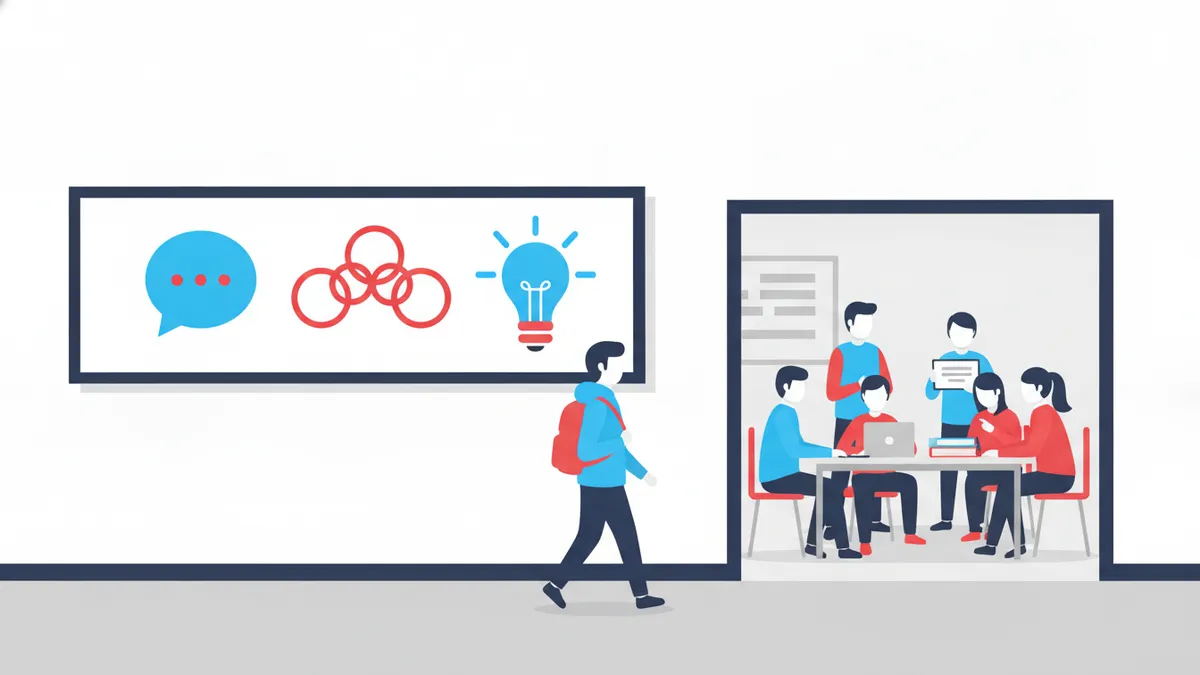
Picture a district office with a handsome banner in the hallway: Communicator. Collaborator. Critical Thinker. Every board member can name it. Ask the same board where a ninth grader actually practices collaborating, and the room goes quiet. That silence is the poster problem. If your district is working on portrait of a graduate soft skills, the work that matters begins after the design is approved. By soft skills we mean the behaviors, such as listening, teamwork, and follow-through, that determine how students use what they know. This guide shows how to connect each competency to instruction you can point to.

The Poster Problem: What Most Portraits of a Graduate Leave Out
Most portraits of a graduate name the right competencies and then leave out the teaching. Getting Smart describes the portrait as "a unique and locally tailored vision that outlines the competencies and transferable skills that support a learner's long-term success," and notes that transferable skills appear in many graduate portraits but are "rarely implemented in practice" (Getting Smart). Everfi reports that nearly twenty states have adopted a statewide version, and lists critical thinking, communication, collaboration, and creativity as the most common core competencies (Everfi).
The employer side explains the urgency. NACE's 2026 outlook reports that 85% of employers look for teamwork skills on the resume (NACE), and NACE's CEO Shawn VanDerziel has said hiring is "increasingly based on skills that translate to the workplace instead of GPA and major" (NACE). Note that these are findings about college graduate hiring, not high school hiring. The direction still matters. Our look at the workforce readiness curriculum gap covers what schools are missing.
Mapping Competencies to Named Skills
To map a competency, break it into observable behaviors that a student can practice and a teacher can see. "Communication" is a hope. "Makes eye contact, greets people by name, asks a question, and listens without interrupting" is something you can teach and check.
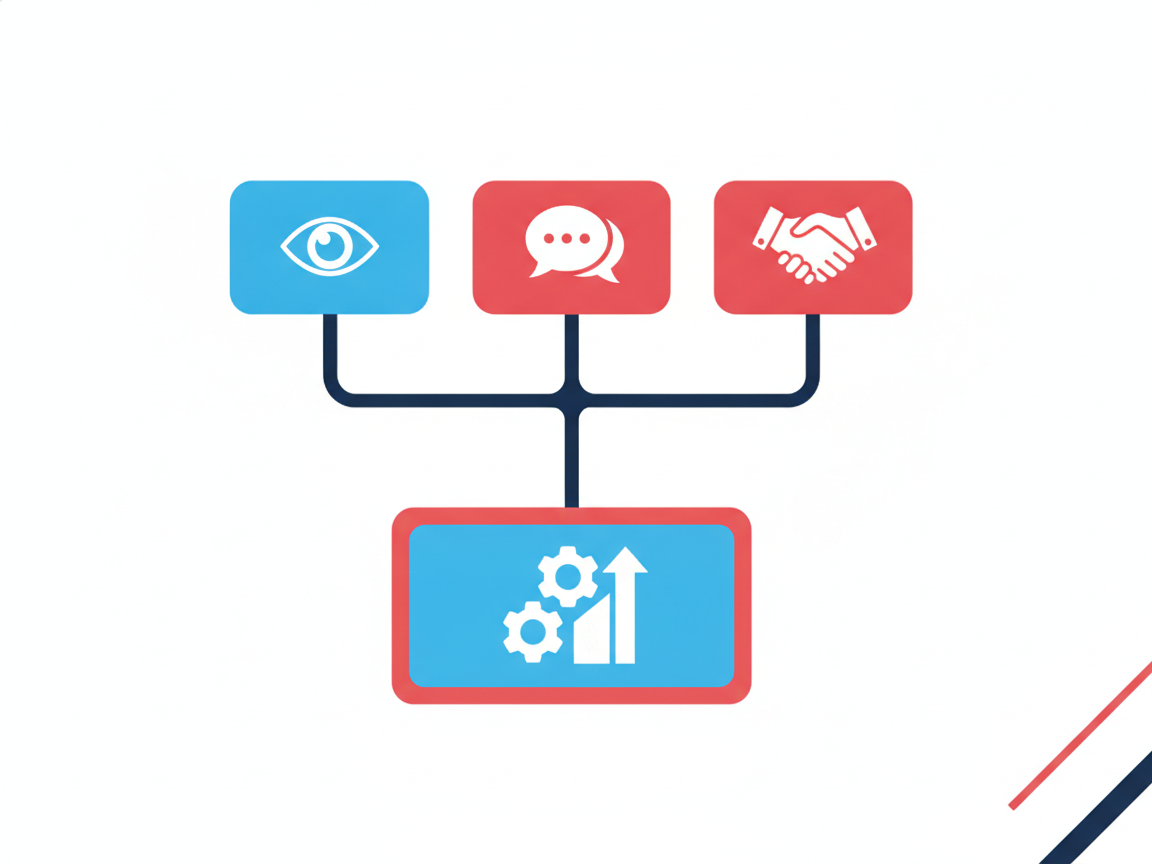
Boost organizes its 26 Boost Skills across People Skills, Character, and Healthy Mindset, and several map neatly onto common portrait competencies. Treat this as an example of the method, not the only possible mapping.
- Communication: Eye Contact, Say Their Names, Asking Questions and Listening, Non Verbal Communication.
- Collaboration: Don't One Up, Give Compliments, No Gossip, Be Friendly With a Wide Circle.
- Resilience and responsibility: Growth Vs Fixed Mindset, Grit, Struggle To Grow, Apologize Quickly and Sincerely.
There is a sequencing idea here as well. We think of these 26 skills as Level 1 foundations, and of larger competencies such as conflict resolution, leadership, and teamwork as Level 2 that depends on them, in the same way basic math comes before algebra [Internal: Boost Brand Bible]. If your portrait lists Level 2 words, ask whether anyone teaches the Level 1 behaviors underneath.
Finding Where Each Skill Is Taught Today
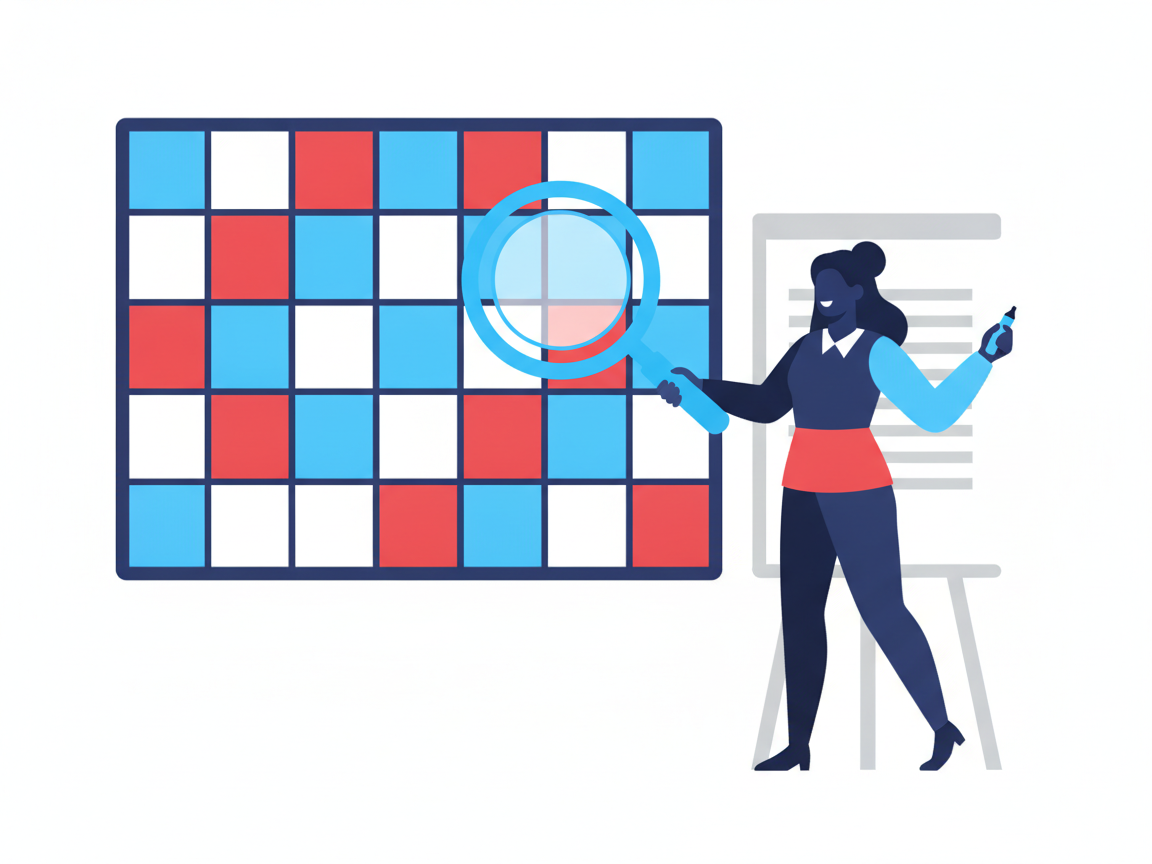
Run an audit that asks, for each behavior, where students are taught it and how many times they practice it. Be strict about the difference between teaching and mentioning. An assembly mentions. A lesson with practice and feedback teaches.
Use a simple grid with the behaviors down one side and four columns across: which class or course covers it, in which weeks, who teaches it, and how many practice repetitions students get. Everfi's implementation steps include aligning systems and practices across curriculum, instruction, assessment, and professional learning (Everfi), and this audit is the practical version of that step. Expect surprises. Some competencies will show up in five places lightly. Others, like handling a disagreement or starting a conversation with an adult, will show up nowhere at all.
Closing the Instruction Gaps With Real Practice
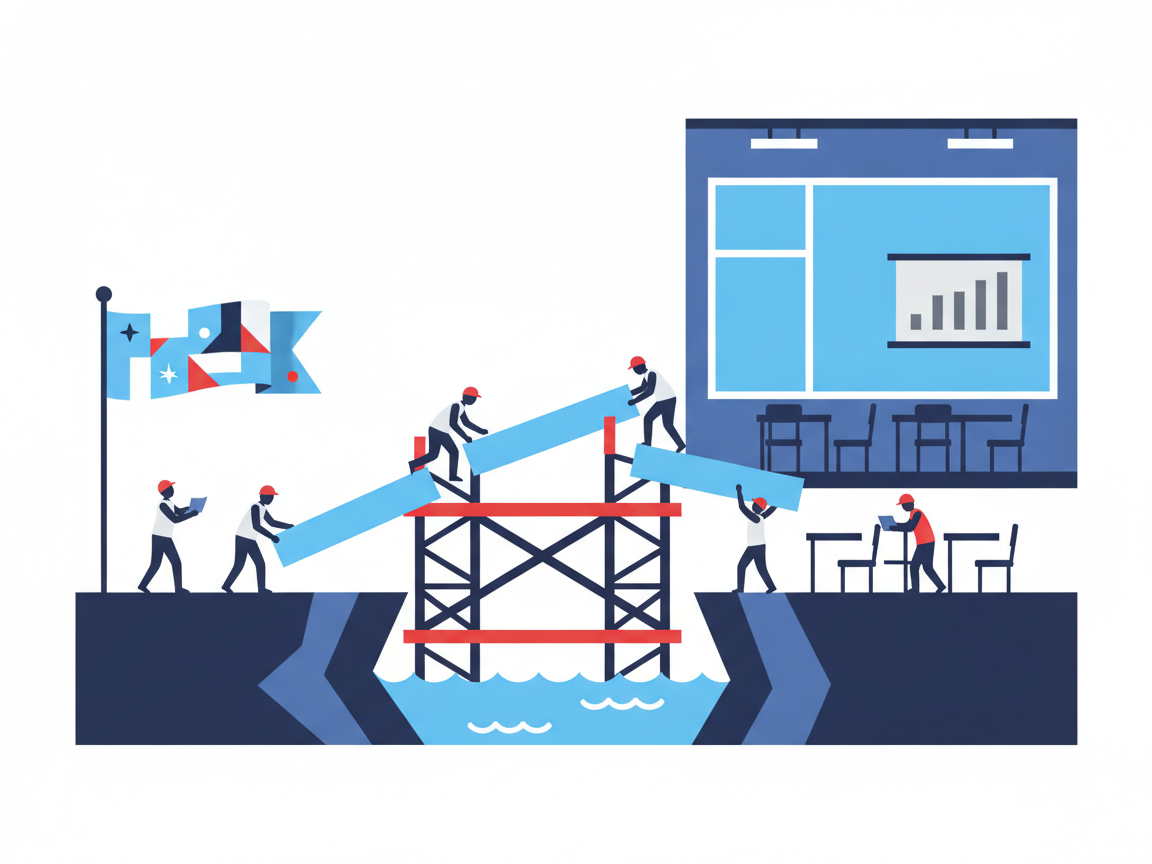
Close each gap by assigning it a home, a teacher, and a schedule, and by making sure students practice, not just listen. A large review of school-based social and emotional programs, covering 213 programs and more than 270,000 students, found that effects tended to fade and that programming works best when it is "planned, ongoing, systemic" (Kappan summary of the research). That is a case for putting skills on the calendar instead of hoping they appear.
You have three broad options for a home: weave a skill into existing classes, assign it to advisory, or teach it in a dedicated course. Each has trade-offs, and the right choice depends on your staffing and master schedule. Whichever you choose, give teachers a sequence of lessons so that they are not inventing it. Our guide to getting administrator and board buy-in can help you build the case for protected time.

Simple Evidence for the Board
Show the board a small set of evidence that proves instruction is happening and that students are improving, and keep it simple. Rubrics are the standard tool: Everfi describes "rubrics aligned to PoG competencies that provide clear expectations and feedback," along with performance tasks and portfolios (Everfi).
A workable board report has three parts. First, coverage: which competencies have a named home in the schedule. Second, participation: how many students completed the instruction. Third, growth: how students rate themselves and how adults rate them over time. Be careful with the last part. CASEL advises, "We do not recommend that SEL competency measures be used for high-stakes decisions and/or high-stakes accountability systems," and encourages formative use that guides instruction (CASEL). Use the data to improve teaching and be candid with the board that the measurement field is still young.
How a Dedicated Course Supports the Portrait
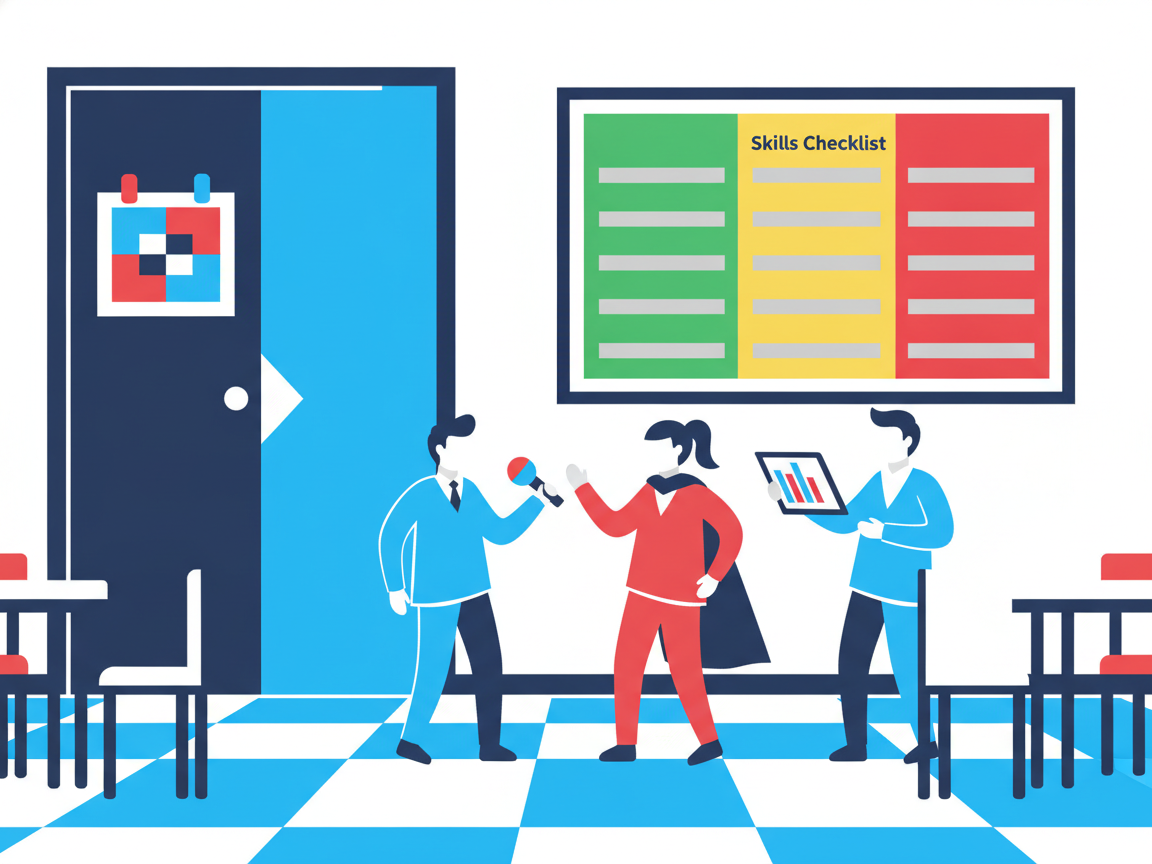
A dedicated course gives the competencies your portrait names a protected place to be taught, practiced, and assessed. That is what Boost provides: an 8-week structured curriculum for high school and young adult students, with about 1.5 hours per week of lesson, practice, and discussion, delivered by certified Boost coaches or trained staff. It teaches the 26 named Boost Skills across three pillars.
We do not present it as a replacement for the work your school already does. In our words, it is a force multiplier, and it is "way more than a mission statement, a poster, or a pump-up assembly" [Internal: Boost Messaging and Copy Bank]. On the last day, students rate each skill green, yellow, or red and pick where to focus next, which gives you a concrete artifact for the evidence portion of your board report. Our post on how the Boost formula turns 26 skills into behavior change explains the method. If you would like to map your own portrait against the 26 skills, you can schedule a discovery call.
Frequently Asked Questions
What Is a Portrait of a Graduate?
It is a locally tailored vision of the competencies and transferable skills that support a learner's long-term success. Getting Smart notes that it is also called a Profile of a Learner.
How Do Schools Teach Graduate Profile Competencies?
By breaking each competency into observable behaviors, assigning each a place in the schedule, and giving students repeated practice. Everfi lists aligning curriculum, instruction, assessment, and professional learning as a core step.
How Do You Assess Soft Skills?
Use rubrics, performance tasks, portfolios, and self-assessments for learning, and avoid high-stakes use. CASEL recommends formative assessment that guides instruction.
How Can a Dedicated Course Support a Portrait of a Graduate?
It gives named skills protected time and practice. Boost, for example, is an 8-week course with about 1.5 hours per week that teaches 26 skills.
References
- Getting Smart: The Portrait Model
- Everfi: Portrait of a Graduate, From Vision to Implementation in Your District
- NACE: Candidate Selection
- NACE: The High-Impact Skills College Students Should Showcase on Their Resumes
- Kappan: An Update on Social and Emotional Learning Outcome Research
- CASEL: Choosing and Using SEL Competency Assessments
- The Workforce Readiness Curriculum Gap: What Schools Are Missing
- How to Get Administrator and Board Buy-In for a Life Skills Program
- Inside the Boost Formula: How We Turn 26 Skills Into Actual Behavior Change
Ready to bring Boost to your school?
Schedule a discovery call to see how the Boost curriculum fits your students.
Schedule a Discovery Call