10 Signs Your Students Are Missing Critical Soft Skills (And What to Do About It)
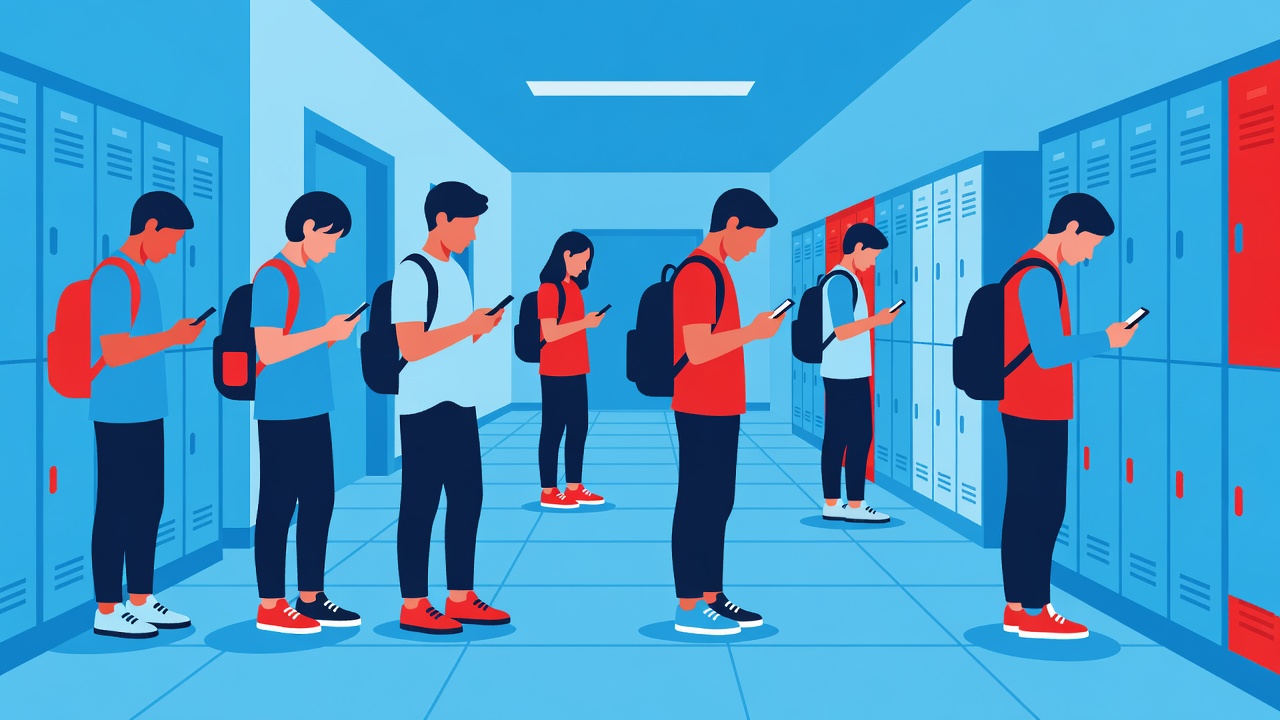
- Missing soft skills don't always announce themselves. They show up as behavior patterns that look like attitude problems, attention issues, or discipline incidents.
- Most administrators and teachers are already seeing the signs. They just haven't had a framework for connecting the behaviors to the underlying skill gaps.
- Each of these signs is an observable indicator of a learnable skill that hasn't been taught. The diagnosis changes the response.
- Seeing these signs in a majority of students is a curriculum problem, not a student population problem.
- The appropriate response to a skill gap is instruction, not consequence. Consequence addresses the behavior. Instruction addresses the cause.
Sign 1: They Can't Maintain Eye Contact During a Conversation
A student who breaks eye contact constantly, stares at the floor during a one-on-one conversation, or looks at their phone when an adult is speaking isn't being dismissive on purpose. They haven't been taught what sustained, respectful eye contact looks like and why it matters. Eye contact is a learnable behavior. It requires practice and often feels genuinely uncomfortable before it feels natural. Schools that teach it explicitly see rapid improvement. Schools that assume it will develop on its own get students who shake hands while looking at the ground in their first job interviews.
Sign 2: They One-Up Every Story
Student A mentions something that happened to them. Before they finish, Student B jumps in with a bigger or better version of the same experience. This pattern, "one-upping," is almost universal in adolescents who haven't been taught to listen to understand. The instinct is to connect by competing. The skill is to connect by staying curious about the other person's experience. Students who one-up aren't selfish. They just haven't learned that genuine interest in someone else's story is more socially valuable than positioning their own.
Sign 3: They Avoid Adults They're Having a Problem With
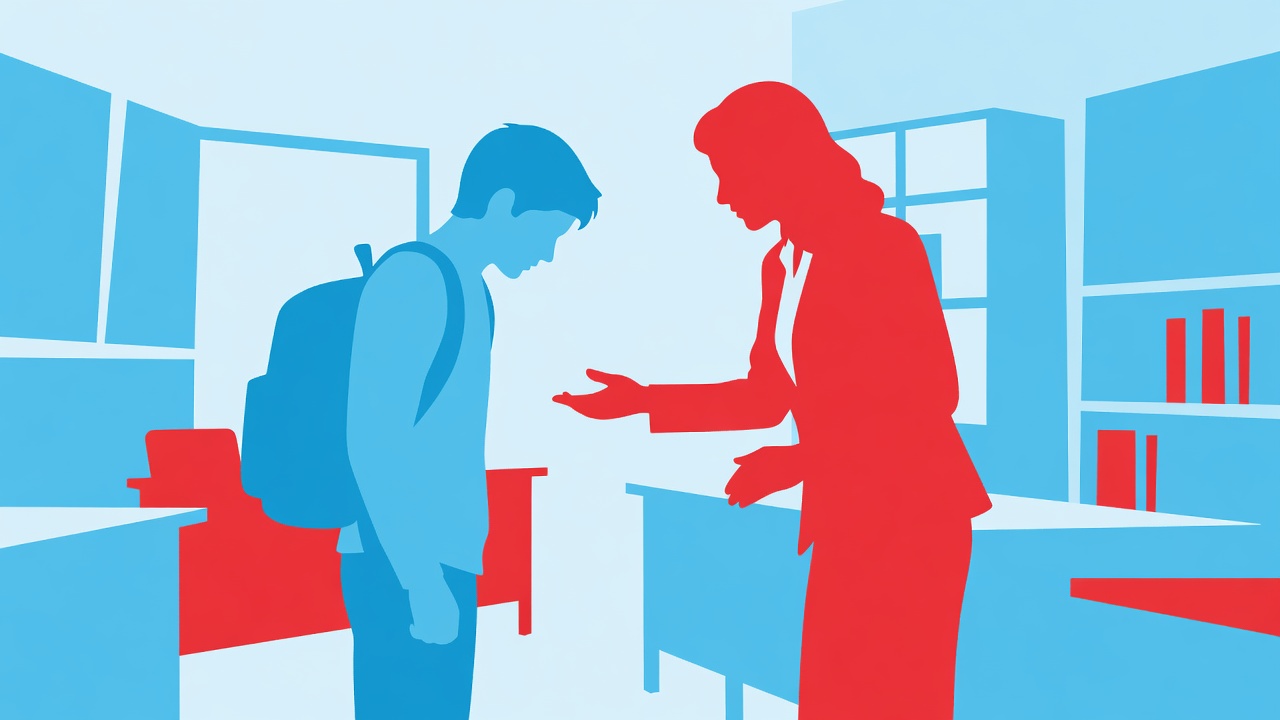
When a student has a conflict with a teacher, counselor, or coach, their default response is avoidance, going around the person, or complaining to peers rather than addressing the problem directly. This is a conflict resolution gap. The skill of addressing a problem directly with the person involved, in an honest and non-escalating way, is one most students have never been taught. The behavior looks like passivity or passive-aggression. The cause is missing skill.
Sign 4: They Gossip Constantly
Gossip is the social currency of students who don't have more direct tools for managing their social environment. When a student is upset with someone, they talk about that person to others rather than to the person themselves. When they want social connection, they create it through shared criticism of others. Gossip isn't a character flaw. It's a coping strategy for students who haven't developed more direct interpersonal skills. The Boost skill "No Gossip" isn't just a behavioral rule. It's an invitation to understand why gossip is happening and what need it's meeting.
Sign 5: They Interpret Feedback as Criticism
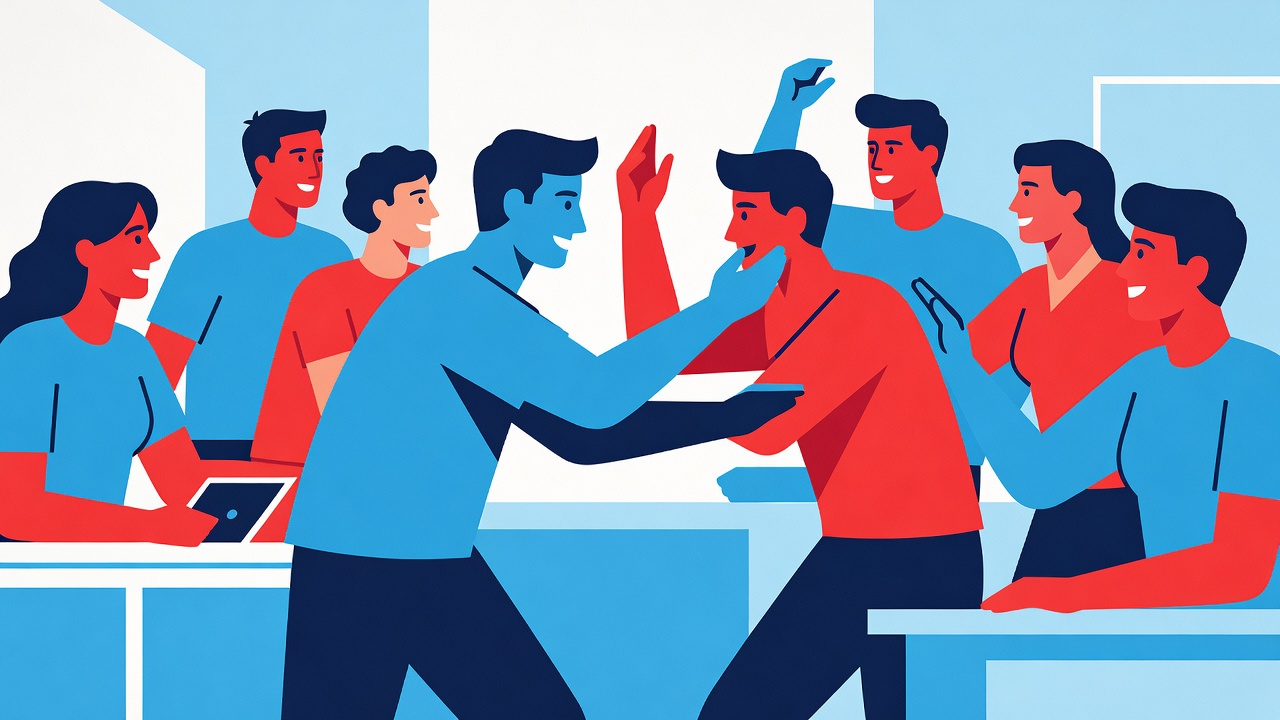
A teacher returns a paper with constructive notes and the student shuts down, argues, or disengages for the rest of class. This is not thin skin. This is the absence of a specific skill: the ability to receive feedback as information rather than judgment. Students who can do this grow fast. Students who can't are limited by their own defensive reaction to the information that would help them improve. This skill has a name (handling feedback) and a practice (separating the content of the feedback from the emotion it triggers). It can be taught.
Sign 6: They Don't Know What They Want to Accomplish This Year
When asked where they want to be in five years, or even what they want to accomplish in the next semester, the student goes blank or gives a vague non-answer. This is not apathy. It is the absence of a goal-setting skill. Students who have been taught to set specific, meaningful goals with a real process behind them can answer this question. Students who haven't can't, and they fill the void with whatever feels most urgent in the moment. The Goal Setting Process is one of Boost's 26 skills for this reason.
Sign 7: They Snap Under Stress
The student who is fine in normal circumstances but loses it during finals week, during a conflict, or when something unexpected happens is missing a stress regulation skill. "A Little Stress Is Okay" and "Skills to Create Calm" are Boost skills that teach the distinction between productive stress (the kind that sharpens focus) and overwhelming stress (the kind that shuts the brain down). Students who can't regulate under stress become adults who perform inconsistently in high-stakes moments. This affects every performance review, every high-pressure project, every difficult conversation.
Sign 8: They Can Only Be Friendly With Their Immediate Group
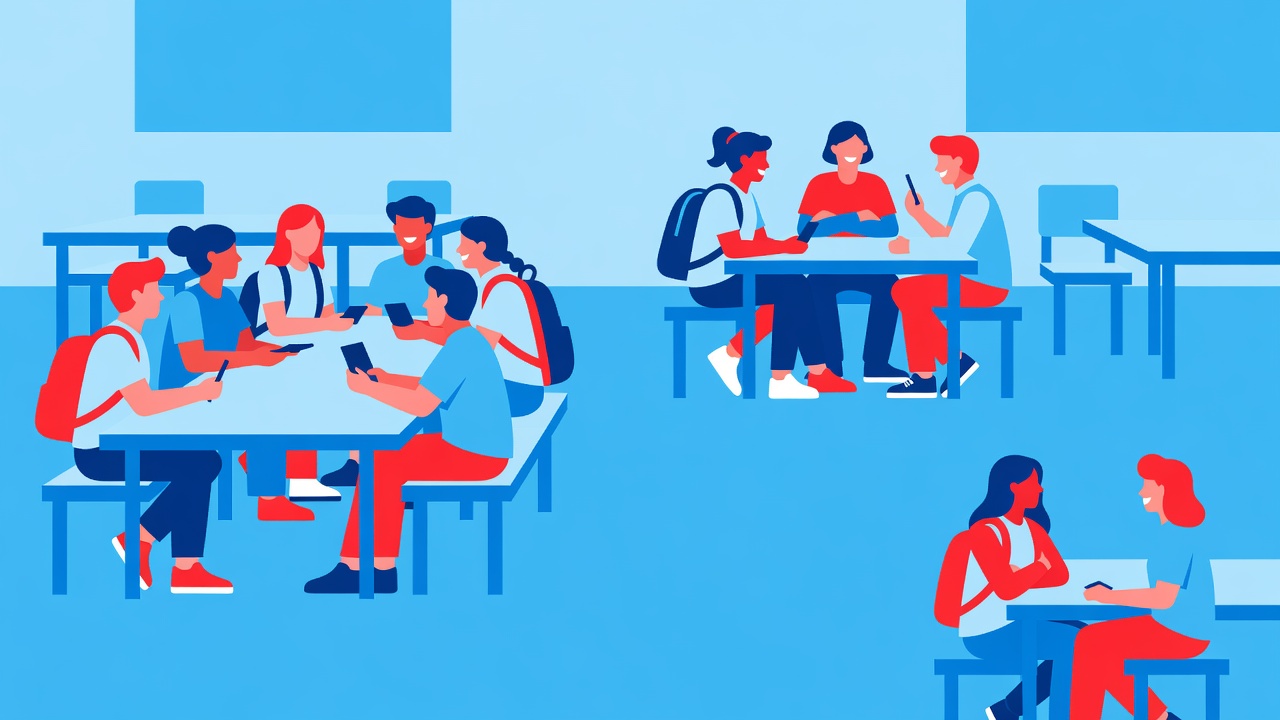
The student who is warm and engaged with their close friend group but cold, dismissive, or visibly uncomfortable around anyone outside it is missing the skill of broad social warmth. Boost calls this "Be Friendly With a Wide Circle." The ability to engage genuinely with people outside your immediate comfort zone, not fake friendliness but real curiosity about unfamiliar people, is a professional skill that matters in every workplace and community context. Students who never develop it enter adulthood with a very small social operating range.
Sign 9: They Have Trouble Saying Thank You and Meaning It
A student who mumbles "thanks" without looking up, who never follows up a favor with genuine acknowledgment, or who seems uncomfortable expressing appreciation out loud is missing the skill of expressing gratitude with intention. "Say Thank You With Enthusiasm" is a Boost skill not because politeness is the goal, but because genuine acknowledgment of other people's contributions is a relationship-building behavior. Students who learn to do it well build better relationships, period.
Sign 10: They Quit When It Gets Hard
The student who starts strong on a project, hits the first real difficulty, and stops is not lazy. They are missing two things: the belief that struggling is a normal and necessary part of improving (the Boost skill "Struggle to Grow"), and the grit to stay with something past the point where it stops feeling comfortable. Both are learnable. Both require instruction and practice, not just encouragement. Telling a student to "stick with it" without teaching them why struggle is productive and how to manage the discomfort of it is the same as telling them to try harder without giving them better tools.
What to Do About It
Recognizing these signs is the beginning. The response that actually changes them is explicit skill instruction, with named skills, structured practice, and enough repetition that new behaviors start to become defaults.
Consequence addresses behavior in the moment. Instruction addresses the pattern. Schools that recognize these ten signs as skill gaps, rather than attitude problems, are positioned to actually change them.
Frequently Asked Questions
How do I know if a student's behavior is a skill gap or a conduct issue?
Ask whether the student could do the thing you're asking if they understood what it looked like and had practiced it. If the answer is probably yes, it's a skill gap. If the behavior is deliberate and the student knows exactly what they're doing, it's conduct. Most of what looks like conduct in high school students is actually skill gap. This distinction matters because the appropriate response is different: instruction for skill gaps, consequence for conduct.
Can all 10 of these signs be addressed through the same program?
Yes, if the program teaches the underlying skills explicitly. The ten signs in this article each map to one or more named Boost skills: Eye Contact, Don't One Up, Honesty and Integrity, No Gossip, Growth vs. Fixed Mindset, Goal Setting Process, A Little Stress Is Okay, Be Friendly With a Wide Circle, Say Thank You With Enthusiasm, Grit, and Struggle to Grow. A program that teaches all 26 Boost skills addresses all ten signs and more.
What should I say to a student who shows these signs?
Lead with curiosity, not judgment. "I noticed you seem to have a hard time making eye contact when we talk. Is that something you'd like to work on?" opens a door. "You need to look at me when I'm speaking to you" closes one. The framing of skill gap rather than character flaw changes the conversation entirely.
How quickly can these skills improve with instruction?
Some skills improve quickly, eye contact and saying thank you with enthusiasm often shift within a few sessions of focused practice. Others take more time: conflict resolution, stress regulation, and grit develop over the full course of a program. Improvement is visible across an eight-week program, and durable change comes from consistent practice across that full timeline.
Should these signs trigger a referral to counseling?
Not primarily. These are skill gaps, not clinical presentations. A student who needs emotional support or mental health services should absolutely receive them. But most students who show these signs don't need therapy, they need teaching. Routing a skill gap to a counselor without also providing skill instruction leaves the gap unaddressed.