Curiosity: The Skill Behind Every Student Who Keeps Learning
- In the OECD's PISA 2025 results, on average only 57% of students said they do not find learning new things boring, and that share fell in 60 education systems since 2022.
- Korean researchers analyzing PISA 2022 data for about 5,600 15-year-olds found curiosity had the strongest link to academic success, stronger than grit or self-control.
- In Gallup's 2025 survey, 58% of students said their schoolwork challenges them in a good way, and students with five or more engaging experiences were far more likely to be thriving (65% vs. 38%).
- Curiosity is a set of behaviors: asking questions, listening, and following up. A soft skills curriculum for high school can teach those on purpose, and schools can reward them.
Curiosity is not a personality trait that some students are born with and others lack. It is a set of habits, and a strong soft skills curriculum for high school can teach them the same way it teaches a handshake or a thank-you. Here is the practical version: a curious student asks a real question, listens to the answer, and asks a second one. When we visit schools, administrators tell us they want students who keep learning after the bell, after the test, and after graduation. By soft skills we mean the behaviors, such as listening, questioning, and reliability, that determine how a person uses what they know. This article covers what curiosity looks like when you break it down, what recent evidence says about it, and how schools can build it without adding another initiative.
What Curiosity Means as a Teachable Skill
Curiosity, as a skill, is the habit of asking real questions and listening to the answers. That is a behavior you can see, practice, and coach, which makes it different from a mood you hope students arrive with.
At Boost, we start from a simple belief: life is skill-based, so the things that decide whether a person thrives are learnable [Internal: Boost Brand Bible v2]. Many teenagers who look disengaged are not broken. They are untaught. Nobody showed them how to ask a good question, how to stay with a hard problem, or why it would matter to them.
Here is what the behavior looks like in specific terms:
- Asking an open question, not a yes or no question.
- Listening to the answer without planning your next line.
- Asking a follow-up that shows you heard it.
- Looking something up when you do not know it, and coming back with what you found.
Our curriculum names "Listening and Asking Questions" as one of its 26 skills, and our research paper notes the principle behind it: connection is created through interest in others [Internal: Boost Program Research Paper]. We want to be straight about one thing. Curiosity is not on our list of 26 as its own named skill. It lives inside several of them, and we think schools should name it anyway.
What the Evidence Says About Curious Students
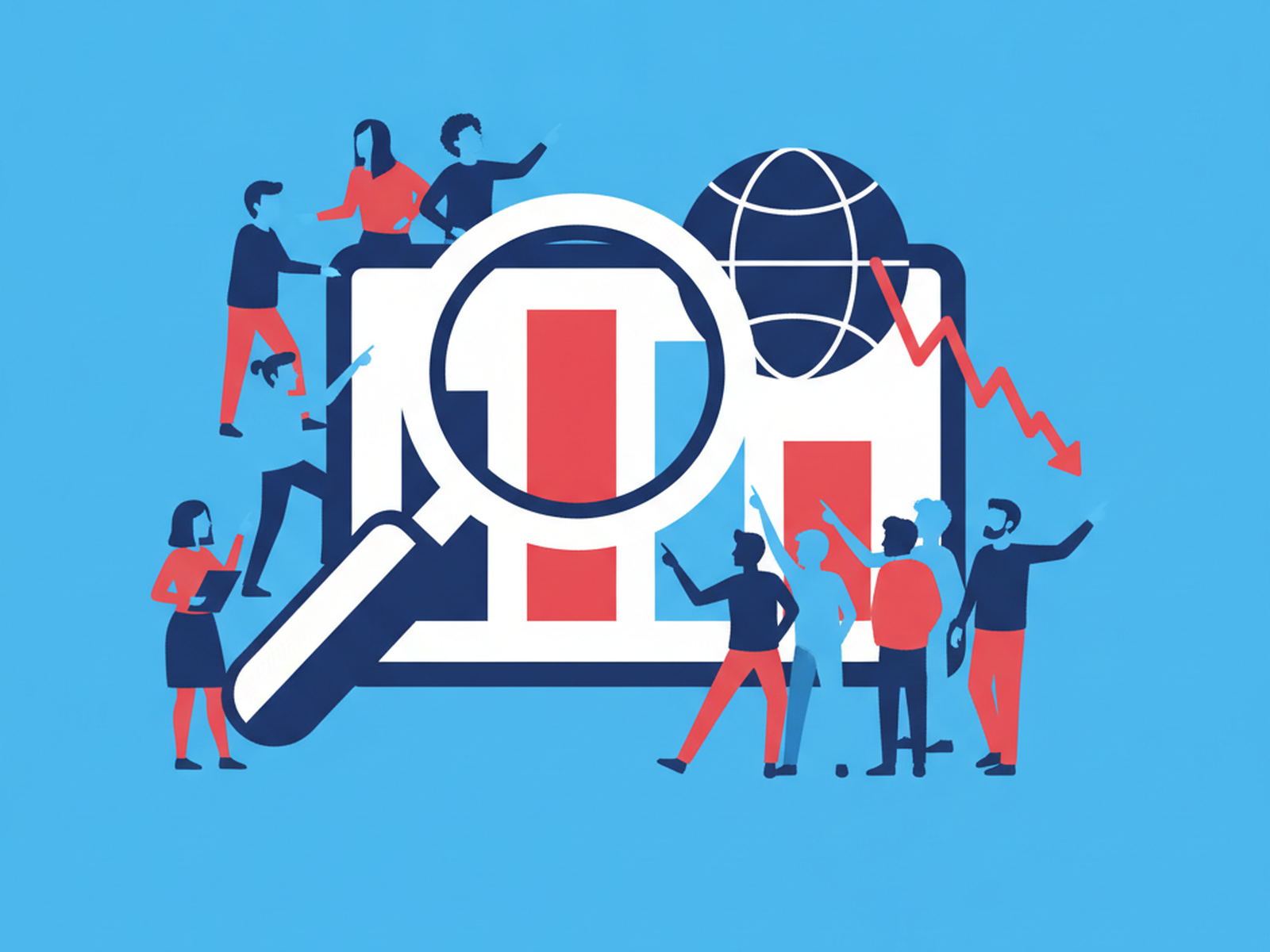
Recent data links curiosity to achievement and engagement, and it also shows curiosity slipping. The OECD's PISA 2025 report treats curiosity as a motivation measure alongside perseverance. It found that on average 57% of students do not find learning new things boring, and that proportion declined in 60 systems since 2022, according to the OECD's PISA 2025 Volume I summary. The report also says engagement dimensions, curiosity included, correlate positively with science results.
A Korean Educational Development Institute analysis used PISA 2022 data on roughly 5,600 15-year-olds in South Korea. It found curiosity had the strongest link to academic success among the traits studied, ahead of grit and self-control, as reported by The Korea Herald. Researcher Lee Ju-yeon said, "These competencies are essential not only for academic achievement but also for a successful and fulfilling life."
In the U.S., Gallup's Voices of Gen Z survey (3,793 people aged 13 to 28, fielded May 2025) found 66% of students learned something interesting in the past week, up from 62% in 2024. Students with five or more engaging experiences were more likely to be thriving (65% versus 38%), per Gallup's report.
Where Curiosity Fits in a Soft Skills Curriculum for High School
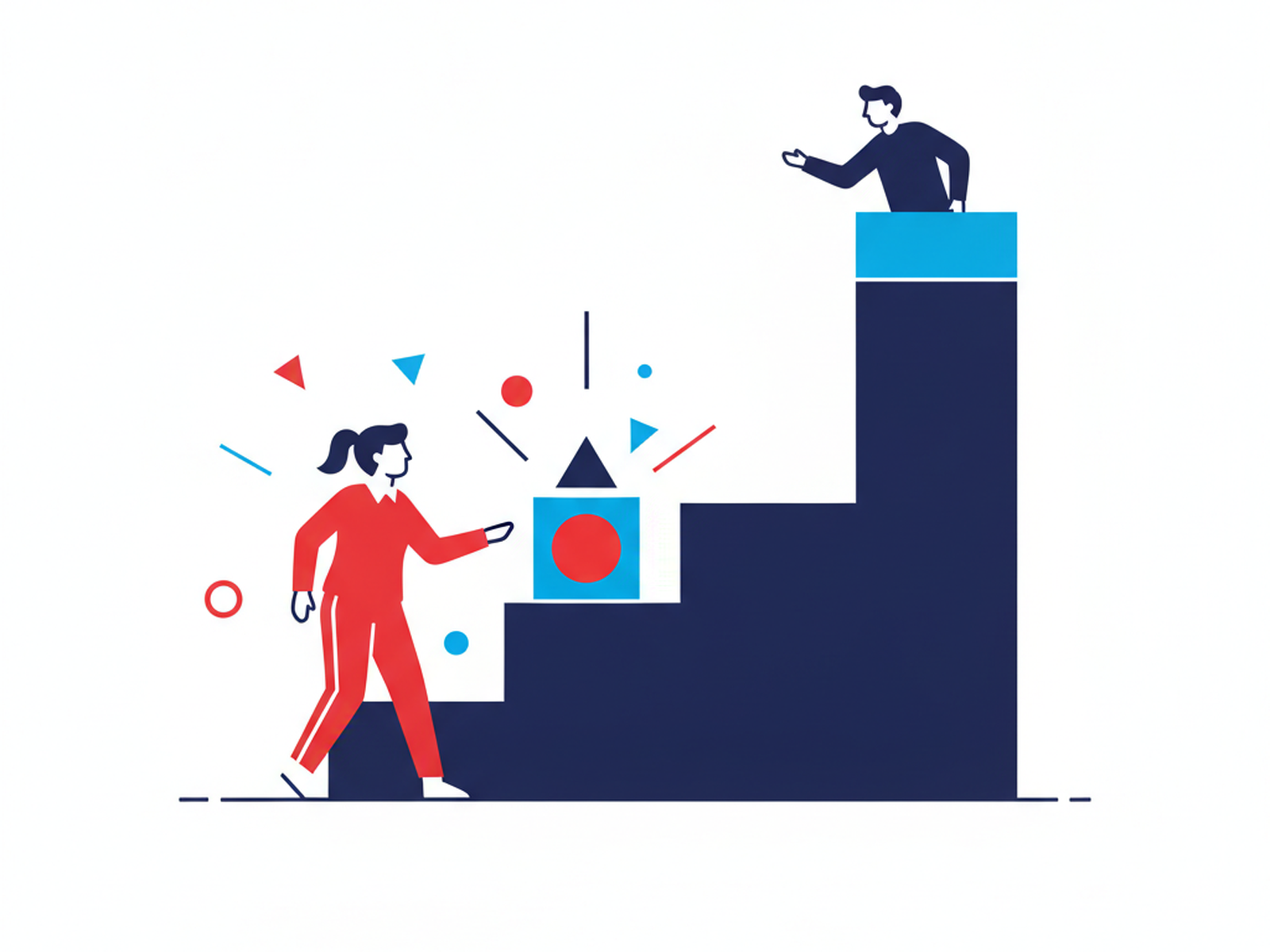
A soft skills curriculum for high school should treat curiosity as a Level 1 behavior that supports the bigger skills employers name. We use a simple picture: the basics come first, like basic math before algebra. Listening, asking questions, and greeting people are Level 1. Conflict resolution, leadership, and critical thinking are Level 2, and they depend on the foundation [Internal: Boost Brand Bible v2].
Think about what a critical thinker actually does. They ask what the evidence is, who disagrees, and what they might be missing. A student who never learned to ask a second question will struggle there. That is why we put curiosity-type behaviors early, as part of the three legs of the stool: People Skills, Character, and Healthy Mindset. The mindset leg adds the staying power, through skills like growth mindset and learning to struggle in order to grow [Internal: Boost Bible].
Employers see the payoff. In our interview program, students learn to research a company in advance and walk in ready with questions of their own. The adults who hire at those companies told us, "These students were better than most of the real interviews we do" [Internal: Boost Bible]. That is a small, self-reported signal, not a study. But a prepared question is curiosity made visible, and it is something students can learn.
If you are comparing programs, our guide on how to choose a soft skills curriculum for high school covers what to look for.

How Schools Can Teach and Reward Curiosity
Teach curiosity with practice, and reward it where students can see it. Lectures about being curious do not work for the same reason a concert does not make you a musician: inspiration without practice does not stick [Internal: Boost Bible]. We wrote about why in designing soft skills lessons where practice beats lecture.
Try these moves in any classroom:
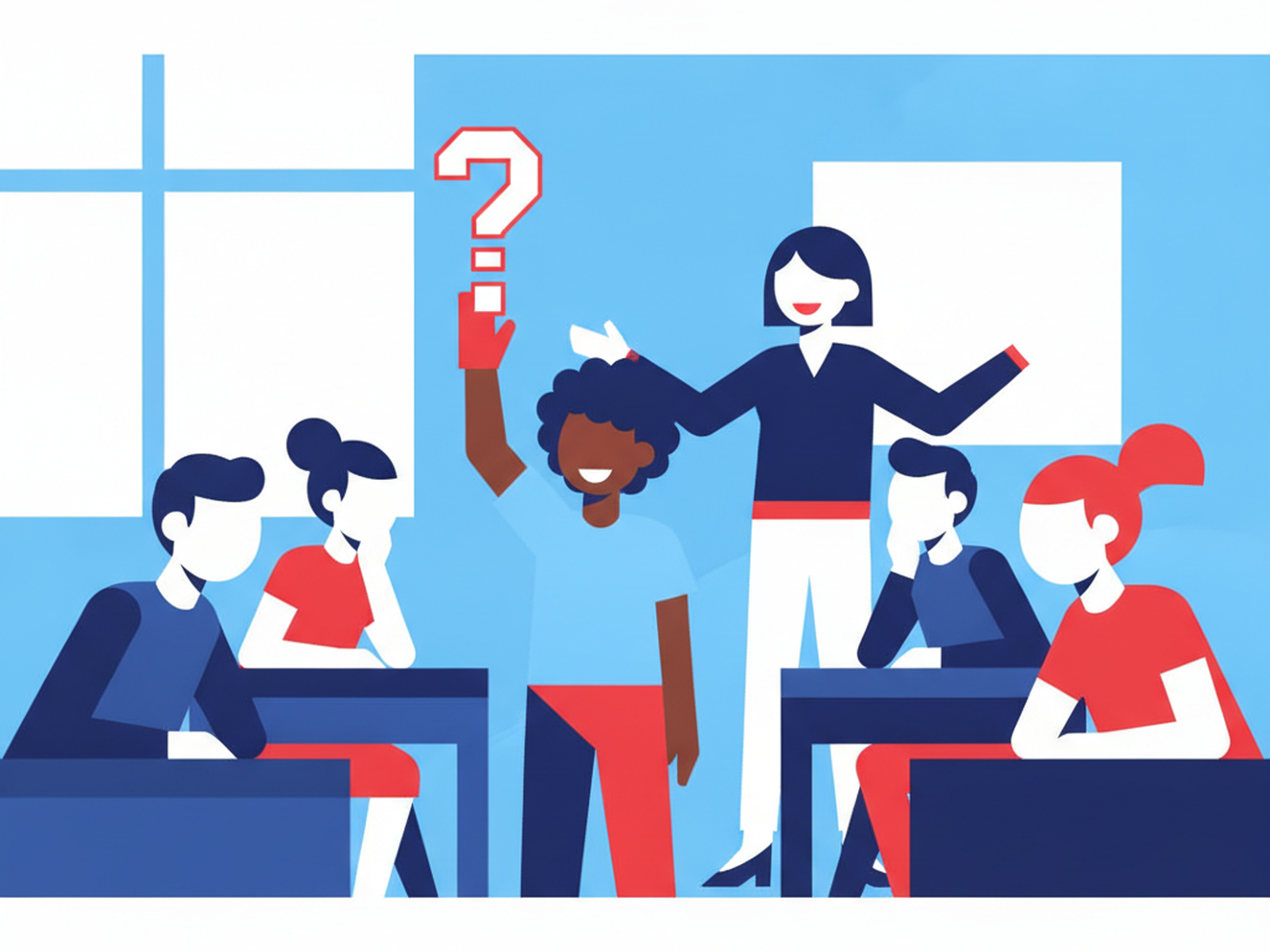
- Ask for the second question. After a student answers or presents, require one follow-up question from a classmate before the teacher responds.
- Run short interviews. Pairs ask each other open questions and listen. Our empathy lesson uses open-ended prompts that start with "Tell me about your...," then partners thank each other [Internal: Boost Empathy Lesson Plan].
- Make questions count. Give credit for a thoughtful question on a quiz, a lab, or a discussion rubric.
- Teach the why. Tell students what asking good questions does for their friendships, their jobs, and their goals. In our experience, students lean in when a skill connects to their own picture of the future [Internal: Boost Bible].
For rewards, keep it simple. Recognize a question of the week in the announcements. Add "asked a useful question" to your portrait of a graduate. Praise the process, not the grade. Our related piece on active listening as a skill explains why listening has to be taught alongside asking.

What This Evidence Does Not Say
None of these sources show that teaching curiosity causes better grades or better lives. The PISA figures are system-level correlations, and the OECD does not describe them as causal. Curiosity in PISA is self-reported, which means students rate themselves, and response styles differ across cultures. The Korean analysis covers one country and one age group, and the news report gives no effect size. The Gallup findings are also correlational and self-reported, with a margin of error of about 3.1 points for the student sample.
We also could not find strong recent trials that test a classroom curiosity intervention in U.S. high schools. So the case here is a pattern, not proof. Our own pilot is small: about 30 students, self-reported, with about 87% finishing our program saying they understood that a specific set of skills lets a person get what they want in life, up from 20% on day one [Internal: Boost Bible]. It measures understanding, not curiosity, and independent outcome data is still something our field needs.
What Administrators Can Do This Term
Pick one curiosity behavior, name it, practice it weekly, and reward it publicly. You do not need a new program to begin.
- Choose one behavior. "Ask a follow-up question" is specific enough to coach.
- Give every teacher the same prompt. A shared phrase students hear in every class builds the habit faster than one teacher's effort.
- Collect a baseline. Ask students and teachers to rate how often students ask follow-up questions, then ask again in eight weeks.
- Protect repetition. A skill needs practice, feedback, and a second try, not a one-time assembly.
If you want to see how a structured course handles this alongside the other 26 skills, you can schedule a discovery call and we will walk through it.
Frequently Asked Questions
Can Curiosity Be Taught?
Yes, at the behavior level. Asking open questions, listening, and following up are habits students can practice and improve with coaching. Whether that raises grades is not yet well tested.
Is Curiosity a Soft Skill?
It works like one. It shows up in listening, questioning, and learning from setbacks, which employers and schools both care about.
How Does Curiosity Relate to Academic Achievement?
PISA-based research links curiosity to higher performance, and a Korean analysis found it had the strongest link of the traits studied. These are correlations, not proof of cause.
How Can a School Reward Curiosity?
Give credit for good questions in grading, recognize a question of the week, and praise the process of inquiry. Keep the reward tied to a specific behavior.
Does Curiosity Belong in a Soft Skills Curriculum for High School?
We think so, as a foundation that supports bigger skills like critical thinking and leadership. It can be taught through practice inside the skills a curriculum already covers.
References
- OECD: PISA 2025 Results, Volume I (abridged, French)
- The Korea Herald: Curious Minds, Better Grades
- Gallup: Gen Z Students More Engaged in School, Ready for the Future
- How to Choose a Soft Skills Curriculum for High School
- Design Soft Skills Lessons Where Practice Beats Lecture
- Active Listening Is a Skill, Not a Personality Trait
Ready to bring Boost to your school?
Schedule a discovery call to see how the Boost curriculum fits your students.
Schedule a Discovery Call