
What Local Employers Wish Schools Would Ask Them About Readiness
- In NACE data, students rated their own professionalism proficiency at 79.7%, while employers rated new graduates at 50.3%. The two sides are not looking at the same picture.
- A Resume.org survey of 1,000 hiring managers found that more than half said recent graduates were unprepared for the workforce and difficult to manage.
- Every survey here covers college graduates, not high school graduates, which is the best reason to ask your own local employers directly.
- Seven questions, a simple way to turn answers into a skills target list, and a light advisory loop give you a way to start.
Picture a principal who convenes a readiness committee, reviews the standards, polishes the graduate profile, and never once puts a hiring manager from the neighborhood in the room. It happens more than most of us would like to admit. The conversation often runs one direction: schools decide what readiness means, then hope employers agree. This guide to employer expectations high school graduates readiness is an argument for flipping that order, and a practical way to do it.

Why Do Schools and Employers Rarely Compare Notes?
Mostly because nobody owns the conversation, so each side guesses what the other wants. In Education Next, Ramin Taheri wrote that American career and technical programs "are often designed without employers' input," leaving many "not aligned to industry needs" (Education Next). That piece is from 2019, but the pattern is familiar in many buildings.
The appetite is on the other side too. Advance CTE reports a survey of more than 300 professionals involved in hiring decisions that found "widespread interest in starting, expanding, and increasing funding for partnerships with CTE programs" (Advance CTE). Employers may be waiting for an invitation.

What Do Employers Say New Hires Lack Most?
Employers point to professionalism, communication, and work habits more than technical knowledge. NACE compared its 2024 student survey with Job Outlook 2025 and found students rated their own communication proficiency at 78.1% versus 53.5% from employers, and professionalism at 79.7% versus 50.3%. Teamwork was the exception, at 83.5% from students and 81.5% from employers (NACE).
Hiring managers describe the gap in plain behaviors. In a Resume.org survey reported by HR Dive, 78% said recent graduates spend too much time on their phones, 39% cited a lack of professionalism, and 38% cited poor time management (HR Dive). These are college-graduate surveys, and self-reported by hiring managers, so they point to what to ask, not what you will hear. Our earlier post on what employers actually mean when they say they can't find good workers goes deeper on the vocabulary.
What Seven Questions Should You Ask Local Employers?
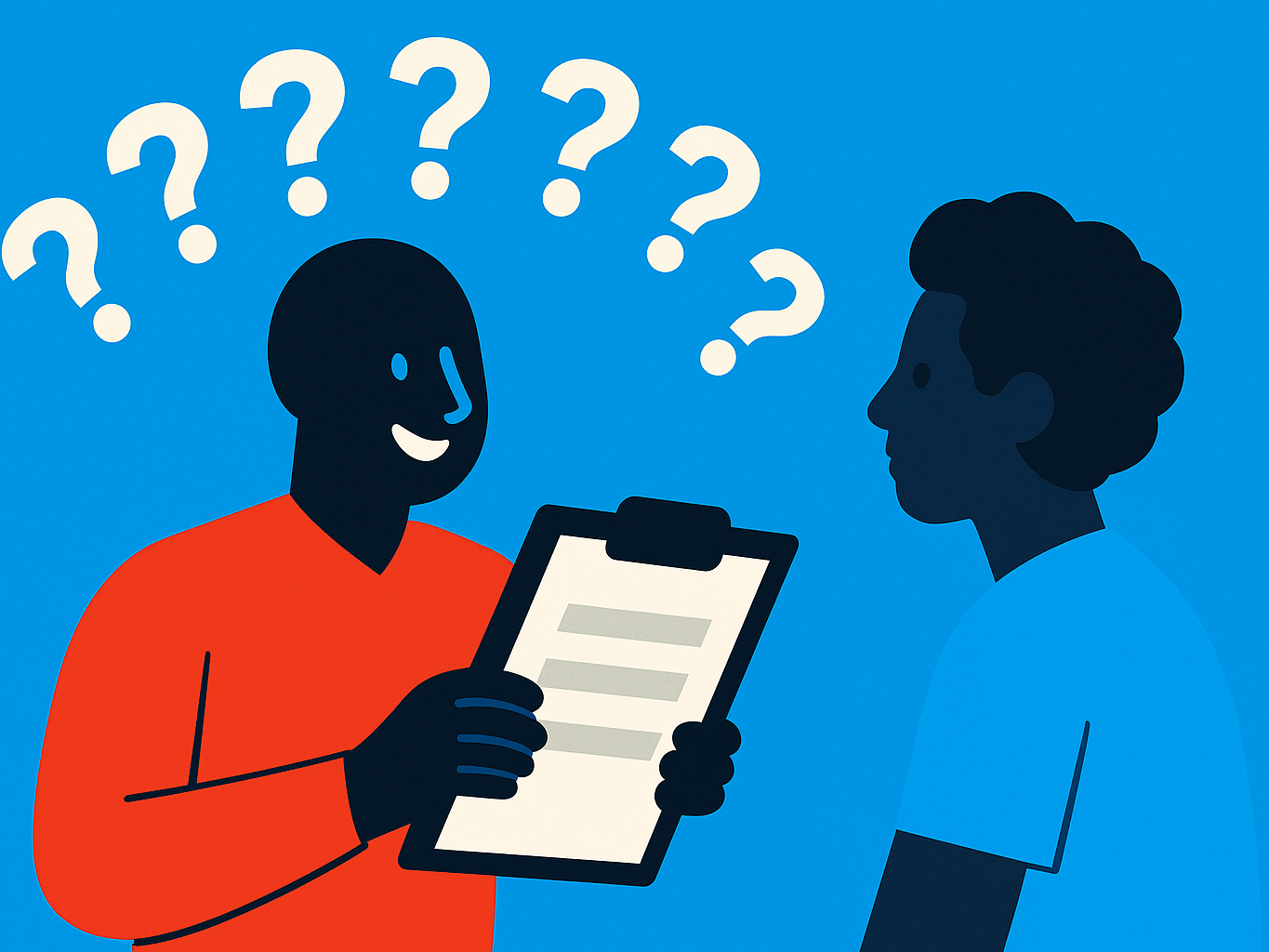
Ask questions that pull out specific behaviors, not opinions about "today's kids." Here are seven to start with:
- When a new hire does not work out, what usually went wrong?
- What do you wish every entry-level applicant could do on day one?
- What does a strong first impression look like in an interview, and what loses it?
- How do new hires handle feedback, mistakes, and being told no?
- How do phones and screens show up at work?
- Which of those skills could a school teach, and which do you want to teach yourselves?
- Would you give us feedback again in six months, and what is the easiest way to do it?
Take notes in the employer's exact words. Their language is more useful than your summary of it, and it tells you which vague words need translating.
How Do You Turn Employer Answers Into a Skills Target List?
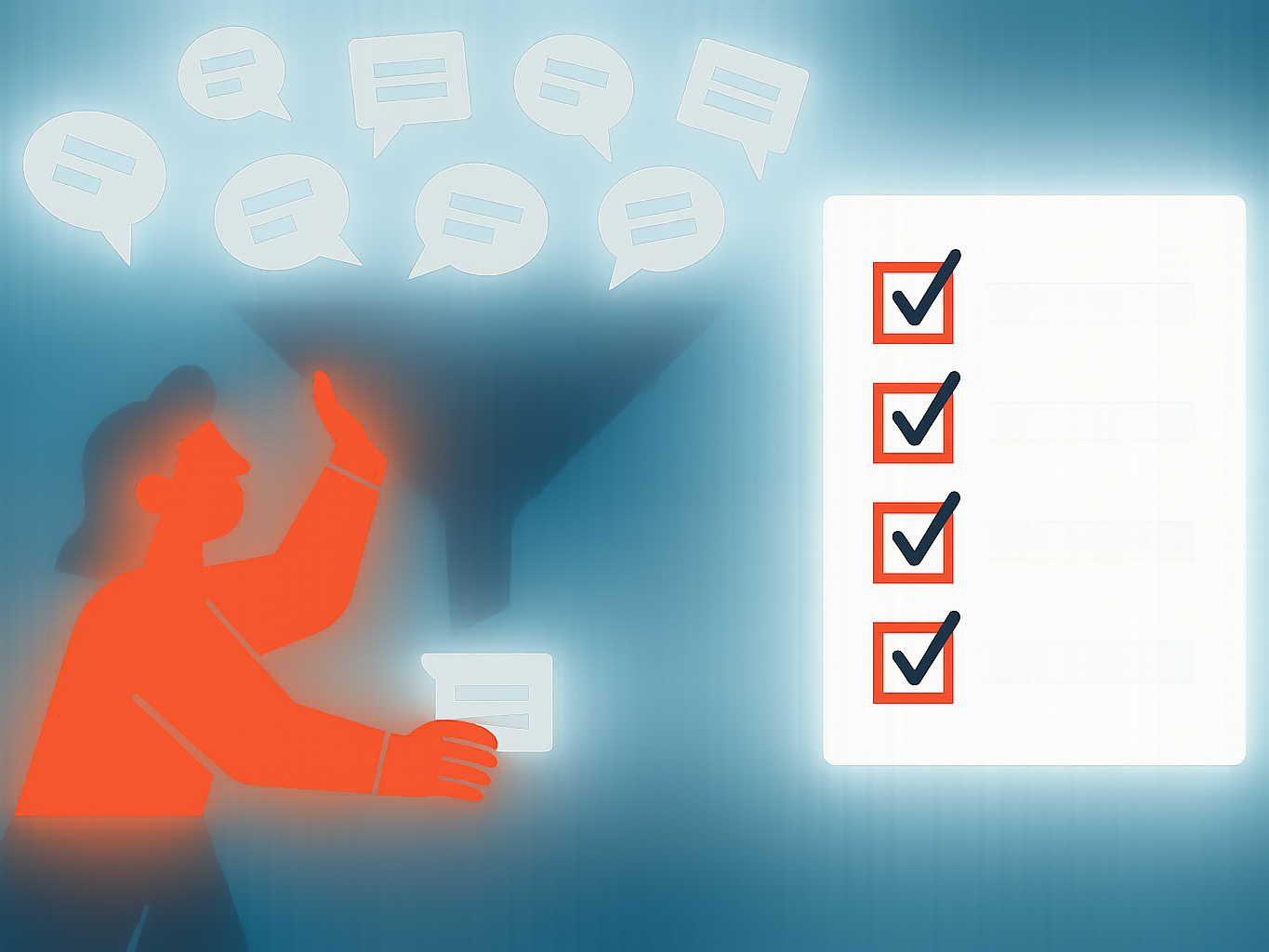
Group the answers, count how often each theme appears, and rewrite every vague word as something a student can do. "Professionalism" is a hope. "Arrives on time, greets people by name, makes eye contact, and puts the phone away" is a behavior you can teach and observe.
Then pick a short list, no more than five targets, and share it back with the employers who helped. At Boost we teach foundational skills first, such as greetings, eye contact, and listening, because the second-level skills employers name, like conflict resolution and leadership, depend on them, much as basic math comes before algebra [Internal: Boost Brand Bible v2]. Our look at why high school interns struggle with basic workplace skills shows how this plays out on the job.

How Can You Build a Lightweight Employer Advisory Loop?
Start small and make it easy to say yes: a short call or coffee with three to five local employers, then a repeat on a set schedule. These steps are our suggestions, not a prescribed model.
- Source the group. Ask your chamber of commerce, workforce development board, and internship partners for names.
- Keep it short. A 30-minute conversation twice a year is easier to sustain than a standing committee.
- Close the loop. Send a one-page summary of what you heard and what you changed. Employers who see action keep answering.
- Collect feedback after internships. Two or three questions from supervisors captures readiness data while it is fresh.
One caution: employer opinion is not the same as evidence of what works. Treat it as the target, and test whether your instruction moves students toward it.
Where Does Soft Skills Instruction Fit in Employer-Informed Readiness?
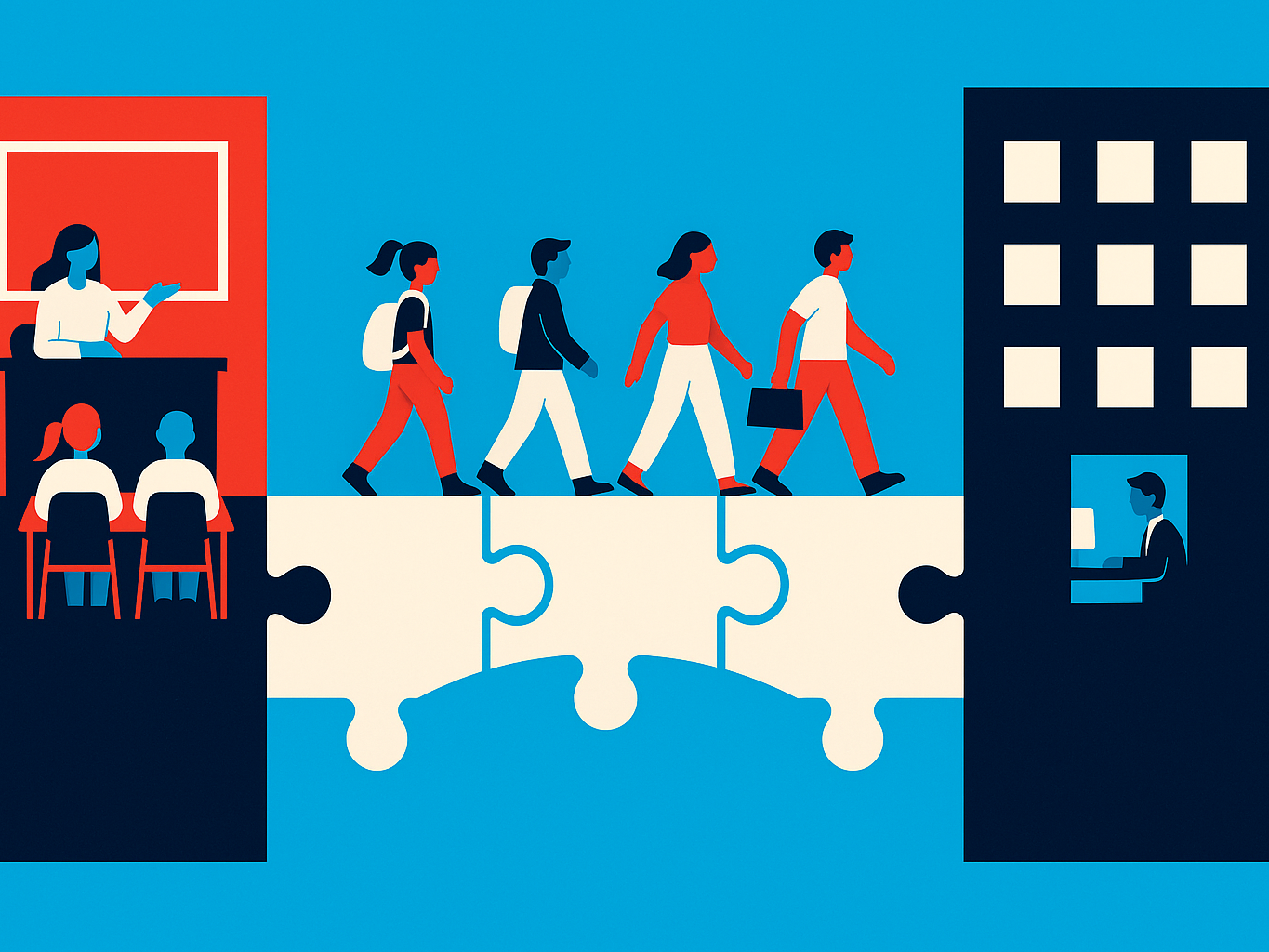
It fits as the teaching layer between what employers say and what students can do. Boost, for example, is an 8-week course that teaches 26 Boost Skills to high school and young adult students, delivered by certified Boost coaches or trained staff [Internal: Boost Bible].
Boost also runs an interview program in which students sit across from real adults who hire at their companies, and the hiring managers who took part said, "These students were better than most of the real interviews we do" [Internal: Boost Bible]. That is an anecdote, not a study, but it shows what employer-in-the-room feedback looks like. For a wider view of the curriculum side, see our post on the workforce readiness curriculum gap. If you would like to talk through how to connect employer input to instruction, you can schedule a discovery call.

Frequently Asked Questions
What Do Employers Want From High School Graduates?
Surveys of employers hiring recent graduates point to professionalism, communication, teamwork, and strong work habits. Those surveys cover college graduates, so ask your local employers what they want from yours.
How Can Schools Partner With Local Businesses?
Start with a short conversation with three to five employers, using specific questions. Then close the loop with a one-page summary and repeat on a set schedule.
What Skills Do Employers Say New Hires Lack?
NACE found employers rated new graduates well below students' own ratings on professionalism and communication. A Resume.org survey of hiring managers also cited phone use, professionalism, and time management.
How Often Should Schools Ask Employers for Feedback?
Twice a year is a workable starting rhythm, plus a few questions after each internship. That cadence is our suggestion, so adjust it to your capacity.
References
- NACE: The Gap in Perceptions of New Grads' Competency Proficiency (January 2025)
- HR Dive: Over Half of Hiring Managers Say Recent Grads Are Unprepared for the Workforce (May 2025)
- Education Next: For Career and Technical Education Success, Employer Involvement Is Key (2019)
- Advance CTE: Building and Sustaining Employer Engagement (March 2023)
- What Employers Actually Mean When They Say "We Can't Find Good Workers"
- Why So Many High School Interns Struggle With Basic Workplace Skills
- The Workforce Readiness Curriculum Gap
Ready to bring Boost to your school?
Schedule a discovery call to see how the Boost curriculum fits your students.
Schedule a Discovery Call