A Holiday Conversation Guide: Practicing Social Skills at the Family Table
- Reinforcing soft skills at home works best in small, repeatable moments, and a holiday table gives families a dozen of them in one afternoon.
- In a 2024 analysis of 179,991 students aged 10 to 17 in 43 countries, about 49% reported eating a family meal every day. Half of families already have a table to work with.
- In a Pew Research Center survey of 1,453 U.S. teen and parent pairs, 42% of teens said smartphones make learning good social skills harder, and 30% said easier.
- A 2025 study of 637 Spanish teens linked more shared meals with slightly fewer negative feelings. The effect was small and correlational, so we treat meals as a practice setting, not a cure.
- Five low-pressure conversation games, built on skills students practice in class, can be sent home before Thanksgiving break in a single page.
Reinforcing soft skills at home does not need a lesson plan, a family meeting, or a lecture. It needs a few real conversations and a little repetition. For schools, the days before Thanksgiving break are a chance to send families something useful instead of a reminder about the calendar. Soft skills are the everyday behaviors, such as listening, greeting people, and saying thank you, that decide how well a person connects with others. Students practice them in class, but a skill only sticks when it gets used again outside the room where it was taught. A holiday gathering is full of natural practice: new faces, older relatives, long waits, and plenty of small talk. Below we lay out what the evidence says about family tables, why holiday conversation is such a good training ground, and five games a school can hand to parents.

Why the Family Table Is a Good Place for Reinforcing Soft Skills at Home
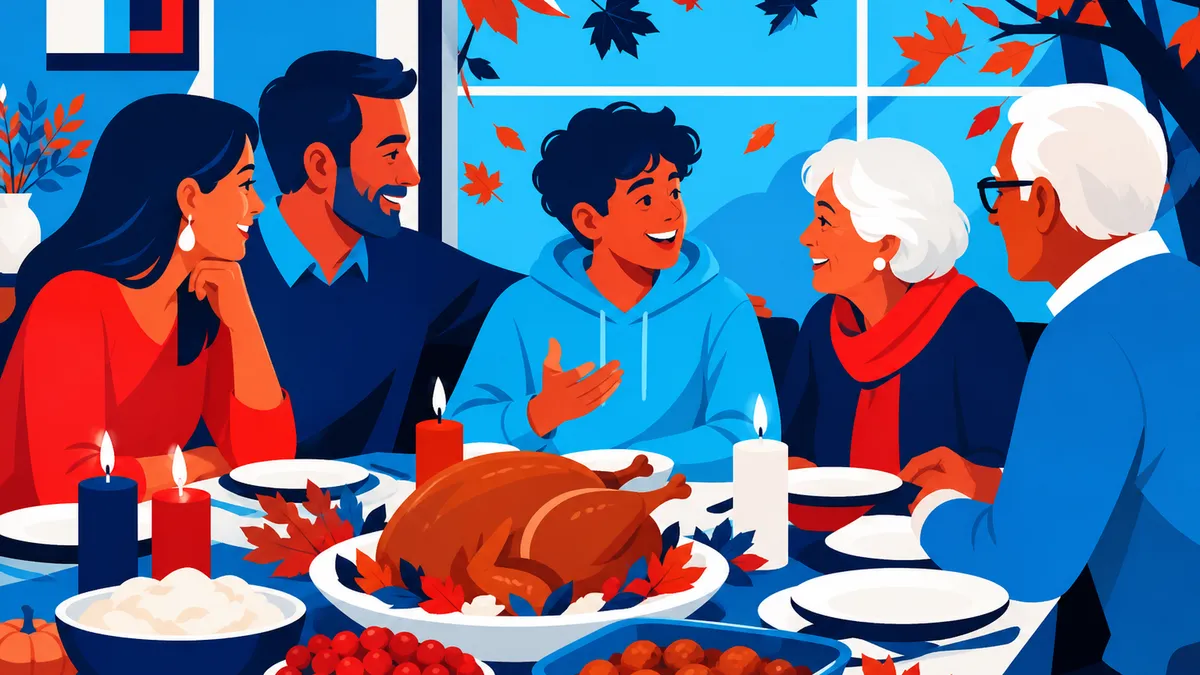
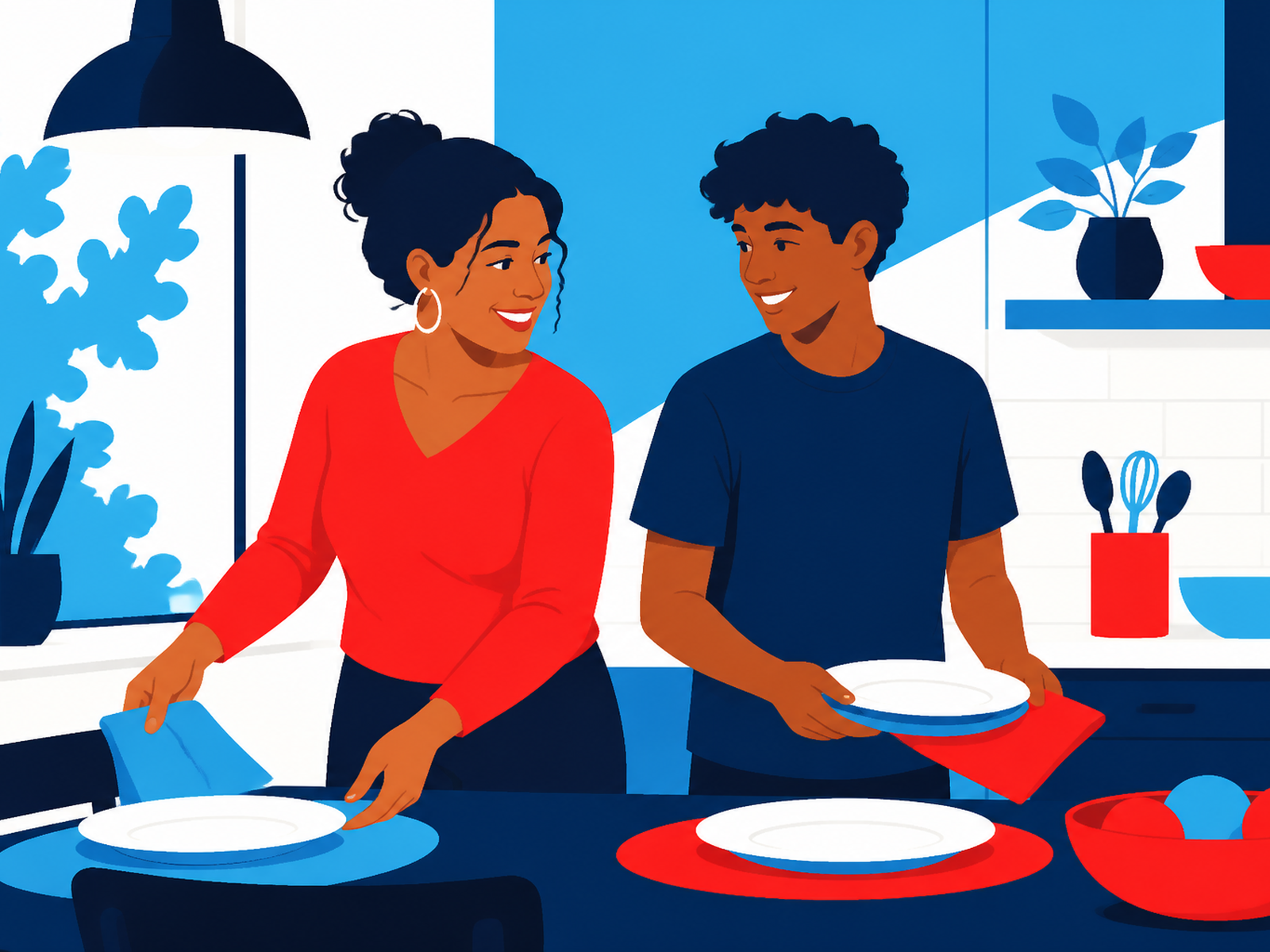
The family table works because it is regular, low stakes, and already part of the day. A skill taught at school on Tuesday has to be used somewhere on Wednesday, and a shared meal is one of the few places where parents and teens sit face to face without a task.
The evidence is encouraging but modest, and we want to be straight about that. A 2024 analysis in Maternal & Child Nutrition used Health Behaviour in School-aged Children data from 179,991 young people aged 10 to 17 across 43 countries. It found that about 49% reported daily family meals, so roughly half of students do not have one every day. That is a snapshot of habits, not a study of outcomes.
For outcomes, a 2025 study in Frontiers in Nutrition surveyed 637 adolescents aged 12 to 17 in one region of Spain. Teens who ate more meals with family reported slightly fewer negative feelings, but the effect was small, and the authors note the design cannot show cause and effect. Nothing in either study says a dinner makes a child more skilled. What it gives you is a stage.
What Teens Practice Less Without Realizing It
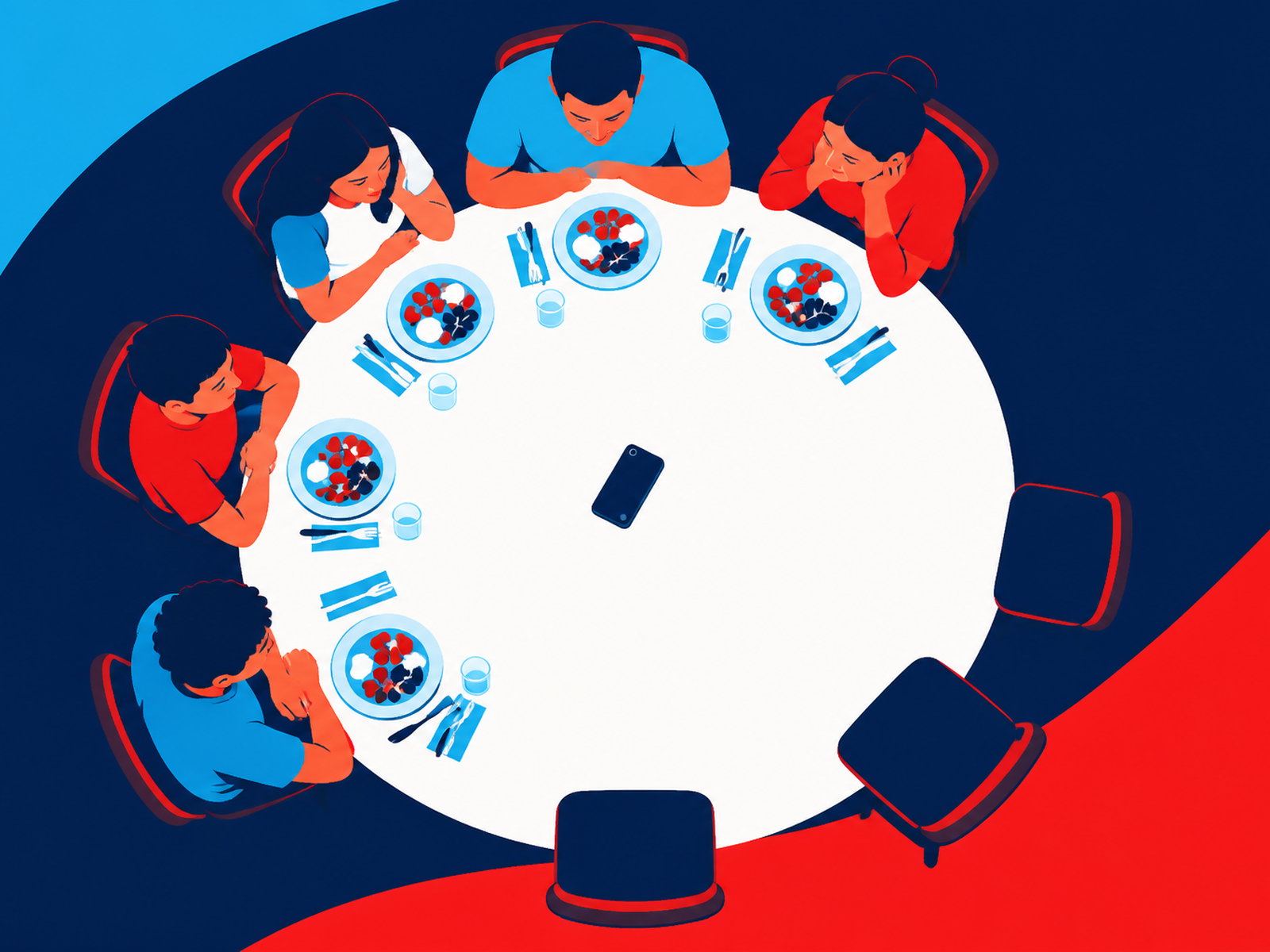
Many teens get fewer face-to-face practice reps than earlier generations did, and they know it. The Pew Research Center surveyed 1,453 U.S. teen and parent pairs from September to October 2023. 42% of teens said smartphones make learning good social skills harder, 30% said easier, as reported by the Associated Press. Those are teens describing their own experience, which is worth hearing.
Our view is that this is not a character flaw. It is an untaught skill. Life is skill-based, and the behaviors that make conversation work, like starting a chat with someone you do not know, can be learned like anything else [Internal: Boost Brand Bible v2]. We wrote more about this in the real reason students cannot hold a conversation anymore.
The practical lesson for families: do not ask your teen to "talk more." Give them a small, specific move to try.
Five Conversation Practice Games for the Holiday Table
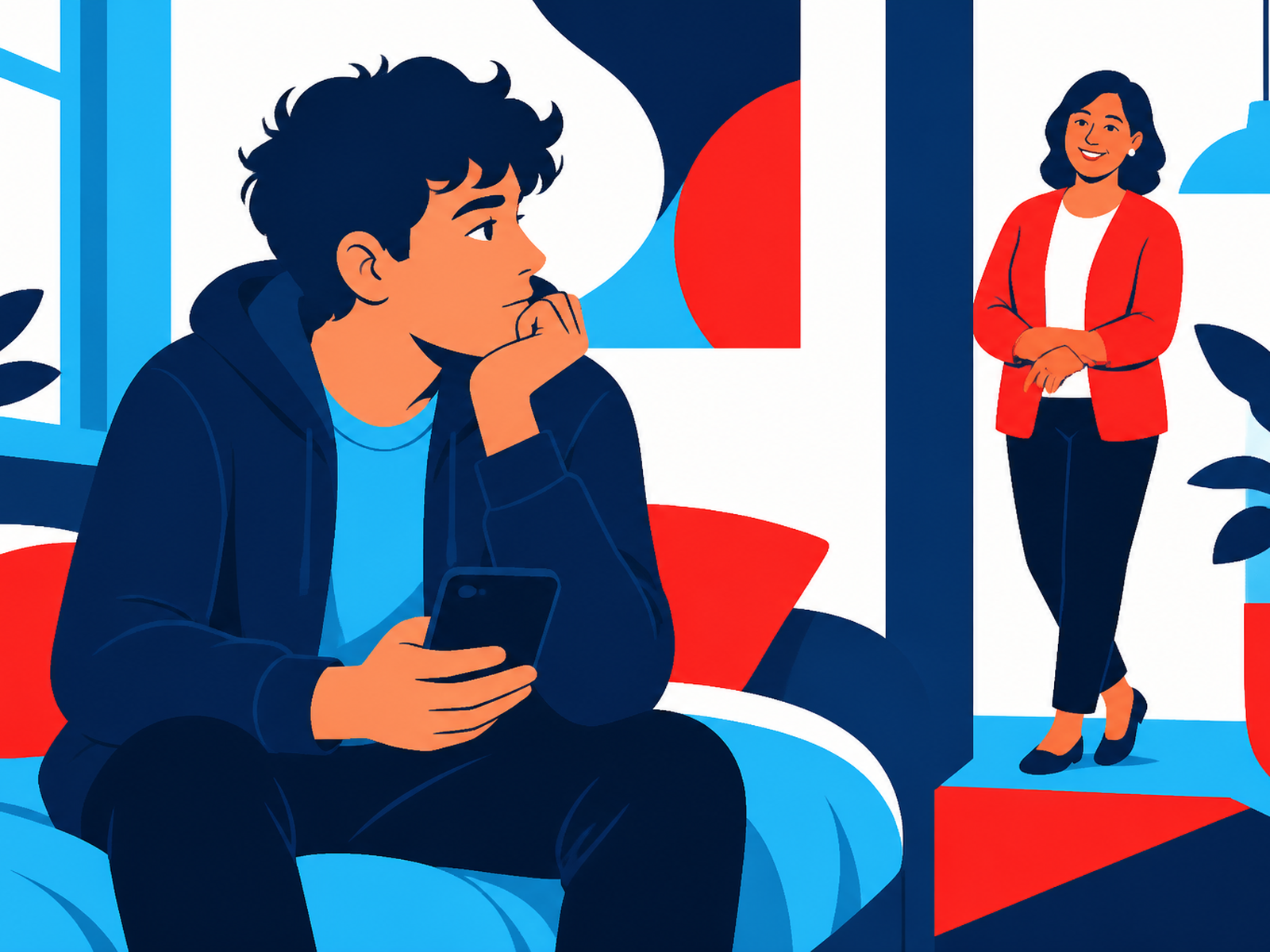
Each of these takes under five minutes and maps to a skill students already practice in a Boost classroom. Our curriculum names 26 skills, and the People Skills group, including eye contact, learning and using names, listening and asking questions, giving genuine compliments, and not one-upping people, is exactly what a holiday gathering exercises [Internal: Boost Bible].
- The Two Follow-Ups Game. When someone answers a question, the asker has to ask two follow-up questions before changing the subject. "How was your trip?" becomes "What was the best part?" and "Who did you go with?" This builds the listening and curiosity habit.
- Names Round. Before dinner, ask your teen to greet each guest by name, with eye contact, and to say one thing they know about that person. Thirty seconds, done.
- No One-Ups. For one story, the rule is simple: nobody tops it. The listener says "that sounds great" or asks a question instead of sharing a bigger story. Adults tend to fail this one first, which makes it fun.
- One Real Compliment. Everyone gives one specific compliment to someone across the table. "You were patient with your cousin" beats "nice job."
- The Thank-You Upgrade. Replace a mumbled thanks with a thank-you that names the thing: "Thanks for driving two hours, Grandpa, I know that was a long day."
Let your teen pick which game to try. Ownership matters more than perfection, and a teen who chose the game is more likely to play it.

How to Run These Games Without Making It Awkward
The way to keep this from feeling like a school assignment is to go first and keep score of nothing. Parents who model the move get far better results than parents who assign it.
A few ground rules help. Keep it light and short. Do not correct a teen in front of relatives. Skip the post-dinner review. If a game falls flat, shrug and try another one on Friday. Repetition is the whole point, and one awkward attempt is still a rep.
Give your teen an easy exit, too. Some students are more comfortable talking to a cousin than to a stranger, and that is fine. Start with the easiest conversation in the room, then build toward the harder ones. Skills improve when the first attempt is manageable. This is the same principle we use in class: start with Level 1 basics like greeting someone and making eye contact before expecting Level 2 skills like handling a disagreement, much as basic math comes before algebra [Internal: Boost Brand Bible v2].
For more on keeping this habit going past the holiday, see the 10-minute dinner table habit that reinforces every soft skill schools teach and our winter break guide for parents that schools can send home.
What This Evidence Does Not Say
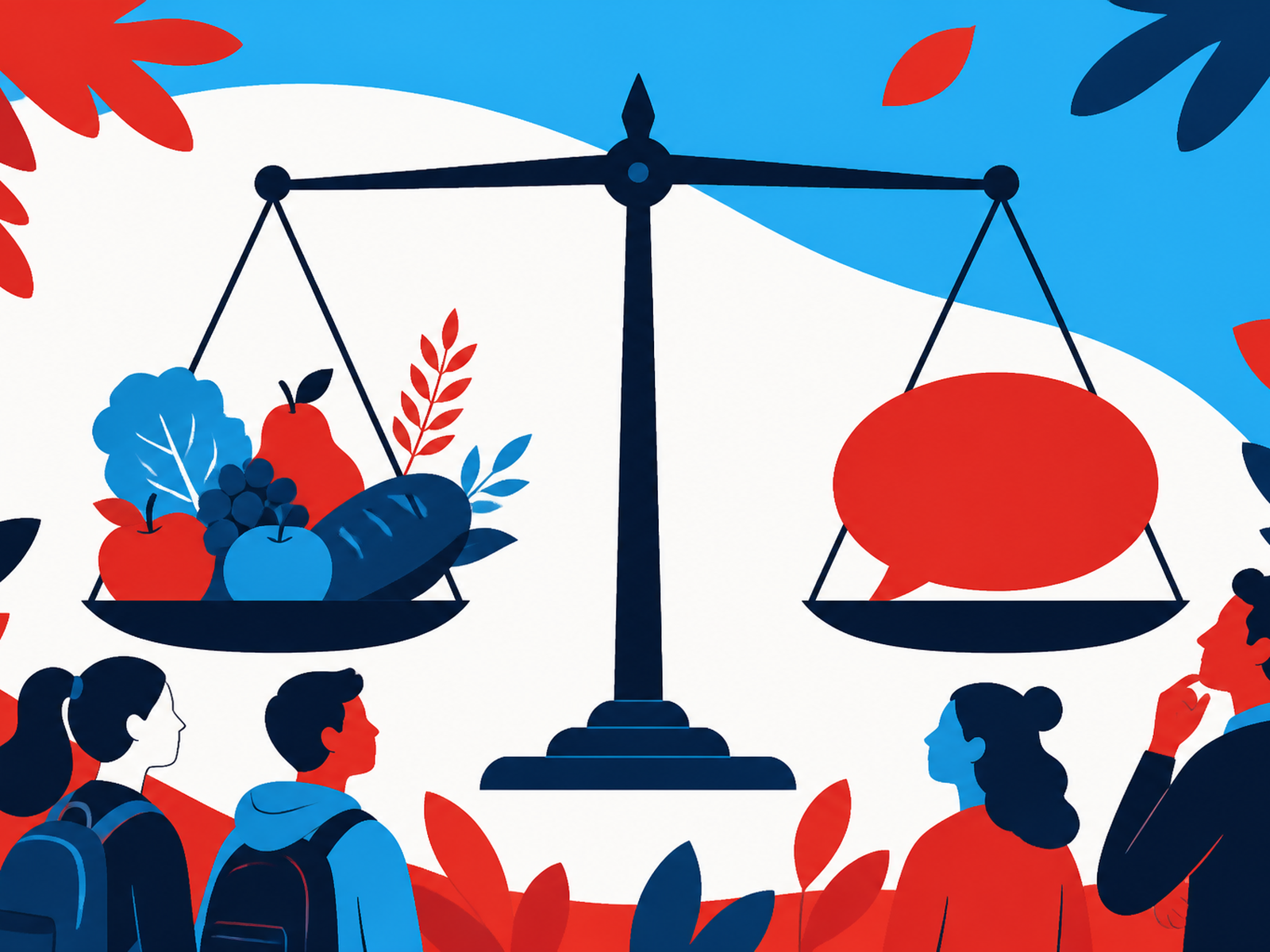
The studies above do not show that family dinners build soft skills, and they do not show that phones are the cause of weaker conversation. The Spanish study is cross-sectional with a small effect, and it covers one region. The 43-country study measures how often families eat together, not what happens at the table. The Pew finding records teen opinion, not measured skill. Our own pilot involved about 30 students, and about 87% finished saying they understood that life is skill-based, up from 20% on day one [Internal: Boost Bible]. It is self-reported and small, so we offer it as a signal, not proof.
What we can say is narrower. Conversation skills improve with practice, a holiday table offers free practice, and a short game costs a family nothing. That is enough reason to try.
What Schools Can Send Home Before Thanksgiving Break
The easiest version is a half-page note: one idea, three of the games above, and a reminder to go easy. Schools do not need to explain a curriculum to parents. They need to give them something they can use by Thursday.
Here is a simple structure for the note:
- One sentence of why. Soft skills are learnable, and practice outside school helps.
- Three games. Pick from the five above. Fewer is better.
- One reminder. Do not grade your teen. Notice the attempt, and say so afterward.
- One question for Monday. Invite students to tell a teacher or advisor which game they tried.
That last step closes the loop. Teachers see which moves students attempted, and students see that what happens at home connects to school. If you want help building a take-home page for your families, or you are weighing how a dedicated soft skills course could carry this idea through the whole year, you can schedule a discovery call and we will walk through it with you.

Frequently Asked Questions
What Does Reinforcing Soft Skills at Home Mean?
It means giving students small, repeated chances to use behaviors like listening, greeting people, and saying thank you outside the classroom. A family meal is one easy setting for that.
How Do You Practice Conversation Skills With a Teenager?
Pick one specific move, such as asking two follow-up questions, and try it for five minutes at the table. Model it yourself first, and do not correct your teen in front of others.
Do Family Dinners Improve Teen Well-Being?
Some studies link more shared meals with slightly better emotional outcomes, but the evidence is correlational and the effects are small. We treat meals as a setting for practice, not a guaranteed fix.
What If My Teen Resists These Games?
Let them choose the game, keep it under five minutes, and drop it if it falls flat. A small, voluntary attempt does more than a forced one.
Can Schools Send This Home Before Thanksgiving?
Yes. A half-page note with three games and a reminder not to grade the attempt is enough, and it takes parents less than a minute to read.
References
- Prevalence of Daily Family Meals Among Children and Adolescents From 43 Countries (Maternal & Child Nutrition, 2024)
- Associations Between Social Eating Contexts and Affective States in Adolescents (Frontiers in Nutrition, 2025)
- Pew Survey on Teens and Smartphones, as Reported by the Associated Press (2024)
- The Real Reason Students Can't Hold a Conversation Anymore
- The 10-Minute Dinner Table Habit That Reinforces Every Soft Skill Schools Teach
- A Winter Break Guide for Parents That Schools Can Send Home
Ready to bring Boost to your school?
Schedule a discovery call to see how the Boost curriculum fits your students.
Schedule a Discovery Call