A Winter Break Guide for Parents That Schools Can Send Home
- Four in ten teens say they are online almost constantly, so a break with no plan often turns into a break spent on a screen.
- Winter break is a stretch of unstructured days, which makes it a low-pressure time to practice soft skills like conversation, responsibility, and gratitude.
- Family mealtimes are linked with better outcomes for teens across 41 systematic reviews, though the research shows an association, not proof of cause.
- This guide gives you five practice ideas, conversation starters, a phone agreement, and a checklist your school can send home as written.
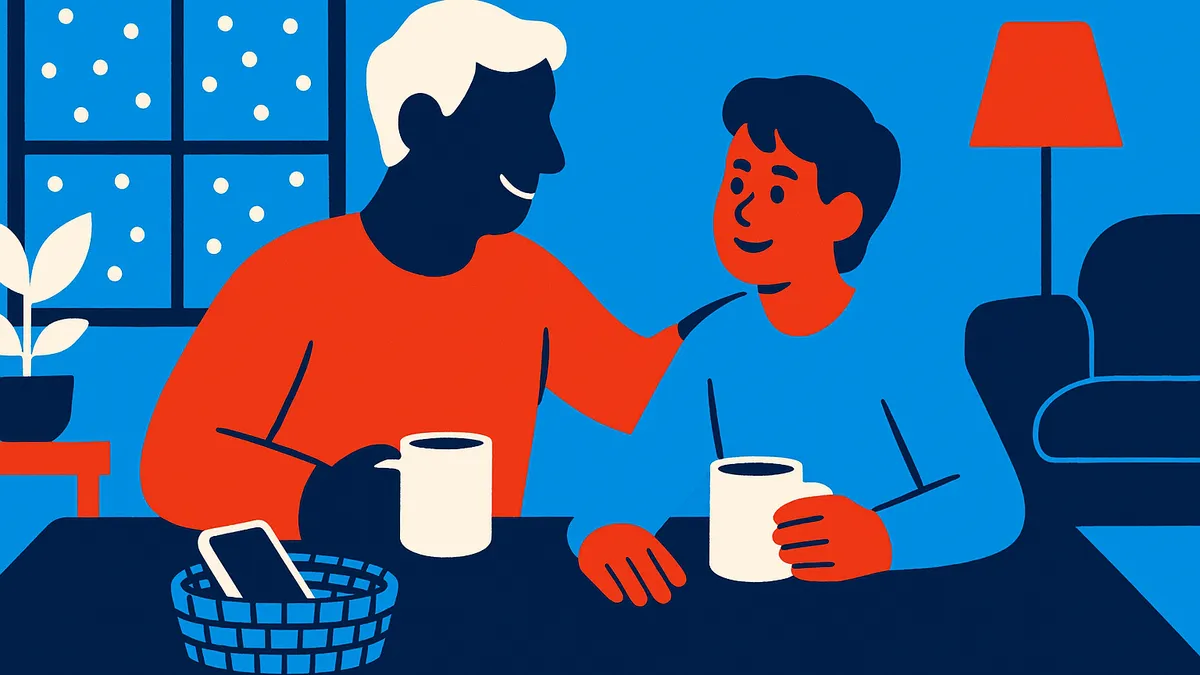
Picture the first morning of winter break. The alarm is off, the house is quiet, and a sixteen-year-old is on the couch with a phone and no plans. Nothing is wrong with that student. Nobody has told him what the break is for. This is a practical guide to winter break soft skills parents can practice at home, with no special training and no extra shopping. By soft skills we mean everyday behaviors such as greeting people, listening, taking responsibility, and following through. Schools can paste it into a newsletter or email it to families as is.
Why Winter Break Resets Soft Skills Habits
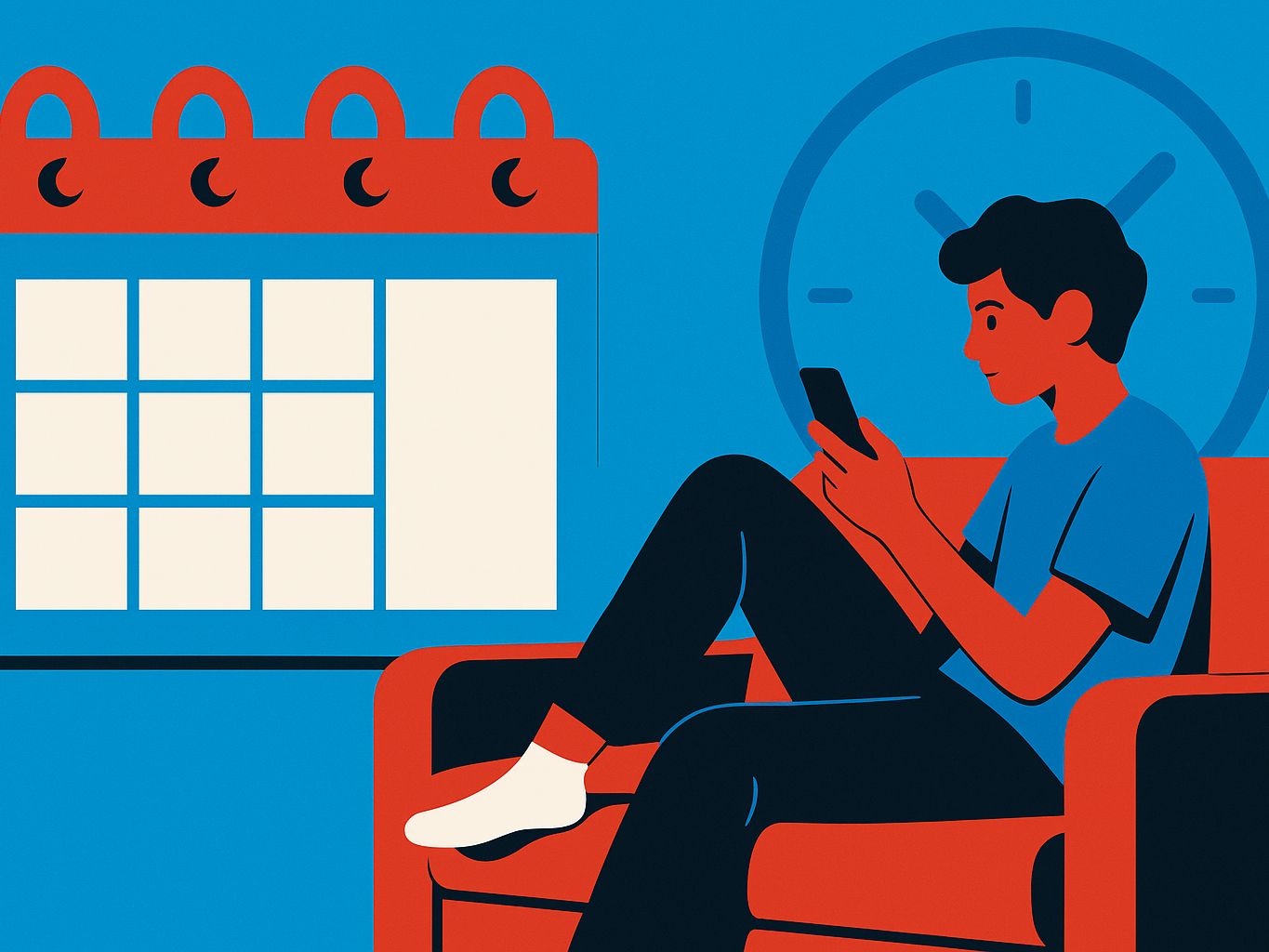
Breaks reset habits because the daily structure that supports them, such as a school schedule and steady face-to-face contact, goes away for a while. Soft skills are behaviors, and behaviors grow with repetition. A break is simply a stretch with fewer reps.
The reps that remain tend to happen on a screen. Pew Research Center reports that four in ten teens say they are almost constantly online, up from 24% a decade ago. Teens notice it too: 45% say they spend too much time on social media, up from 27% in 2023, and 44% say they have cut back.
That second number is the hopeful one. Many students want a different habit and have never been taught how to build it. At Boost we treat life as skill-based: every skill can be taught, practiced, and mastered, the way you would learn a sport or an instrument [Internal: Boost Bible]. A break works the same way. Pick a few skills, practice them in ordinary moments, and the habits are still there in January. If you want more ideas for the rest of the year, we have written about what parents can do at home to reinforce the soft skills schools are teaching.

Five Holiday Practice Ideas for Soft Skills at Home
The best practice ideas fit into things your family is already doing, so nothing new has to be scheduled. Here are five that work with the skills we teach [Internal: Boost Bible].
- Greet like you mean it. When guests arrive, your teen opens the door, makes eye contact, uses each person's name, and offers an enthusiastic hello.
- Own one household job. Pick one recurring task, such as a weeknight dinner or the dishes, and let your teen run it start to finish without reminders.
- Write one real thank-you. Choose someone who helped your teen this year and have them say, in writing, one specific thing that person did.
- Ask, then listen. At a gathering, your teen asks a relative three questions and listens without topping the answer with their own story.
- Be a good guest. Before a visit, your teen decides one way to help the host and does it without being asked.
Notice what is missing: lectures. Each idea is a rep, not a talk. If the household job is the sticking point, our piece on teaching teenagers responsibility without micromanaging them shows how to hand over a task and let it be theirs.
Conversation Starters for Family Gatherings
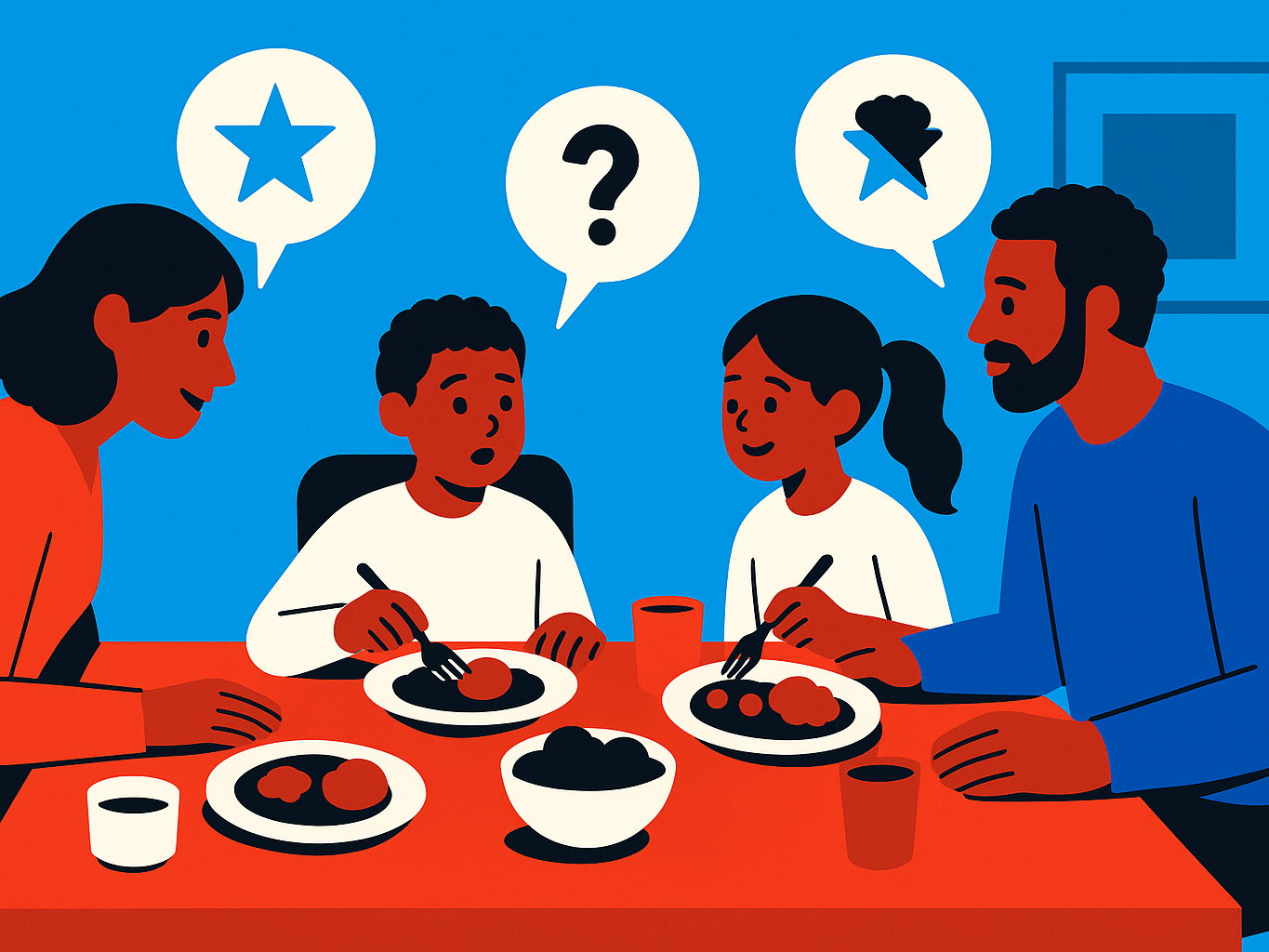
Good conversation starters ask for a story, not a yes or no answer. A teen who is asked "How was school?" says "Fine." A teen who is asked "What was the best part of your week, and why?" has to build a sentence.
Try a few of these at the table or in the car:
- What is something you learned this year that surprised you?
- Who do you admire, and what do they do that you would like to copy?
- What is one skill you would like to get better at by spring?
- What is a good thing someone did for you recently?
Then add one rule for the adults: listen first. We teach students to "turn the lights out about you," which means switching off the urge to talk about yourself and putting full attention on the other person [Internal: Boost Brand Bible v2]. Parents can model it in the same moment.
Mealtimes are a natural home for this. An umbrella review of 41 systematic reviews found that greater family meal frequency was associated with better diet, fewer risk behaviours, better wellbeing, and better academic outcomes. Treat that with care. The reviews were largely cross-sectional, so the direction of the relationship could not be determined, and interventions to promote family meals gave mixed results. A shared meal is a good place to practice, not a guaranteed fix. For a simple routine, see our 10-minute dinner table habit.

Phone Agreements for the Break
A phone agreement is a short list of rules that you and your teen agree on before break starts, not rules handed down on day three. People follow plans they helped write, and the conversation itself is a soft skills lesson in negotiation and keeping a commitment.
Keep it to a few items:
- Phone-free meals and gatherings. Phones go in a basket or another room.
- A charging spot outside the bedroom. Nighttime scrolling is where many breaks quietly go sideways.
- One daily outing. A walk, an errand, or a visit that happens without a screen.
- A check-in. On day four, talk about what is working and adjust.
Notice that nothing here is a ban. In our small pilot of about 30 students, phone use was the skill they most wanted to keep working on, with about 21 students choosing it [Internal: Boost Brand Bible v2]. That is self-reported and small, so it is a signal, not proof. It does suggest that many teens already know phones pull at them and want help with it. Our article on having the phone conversation with students that changes behavior offers language that keeps it from becoming a fight.
A Short Checklist and an Easier January
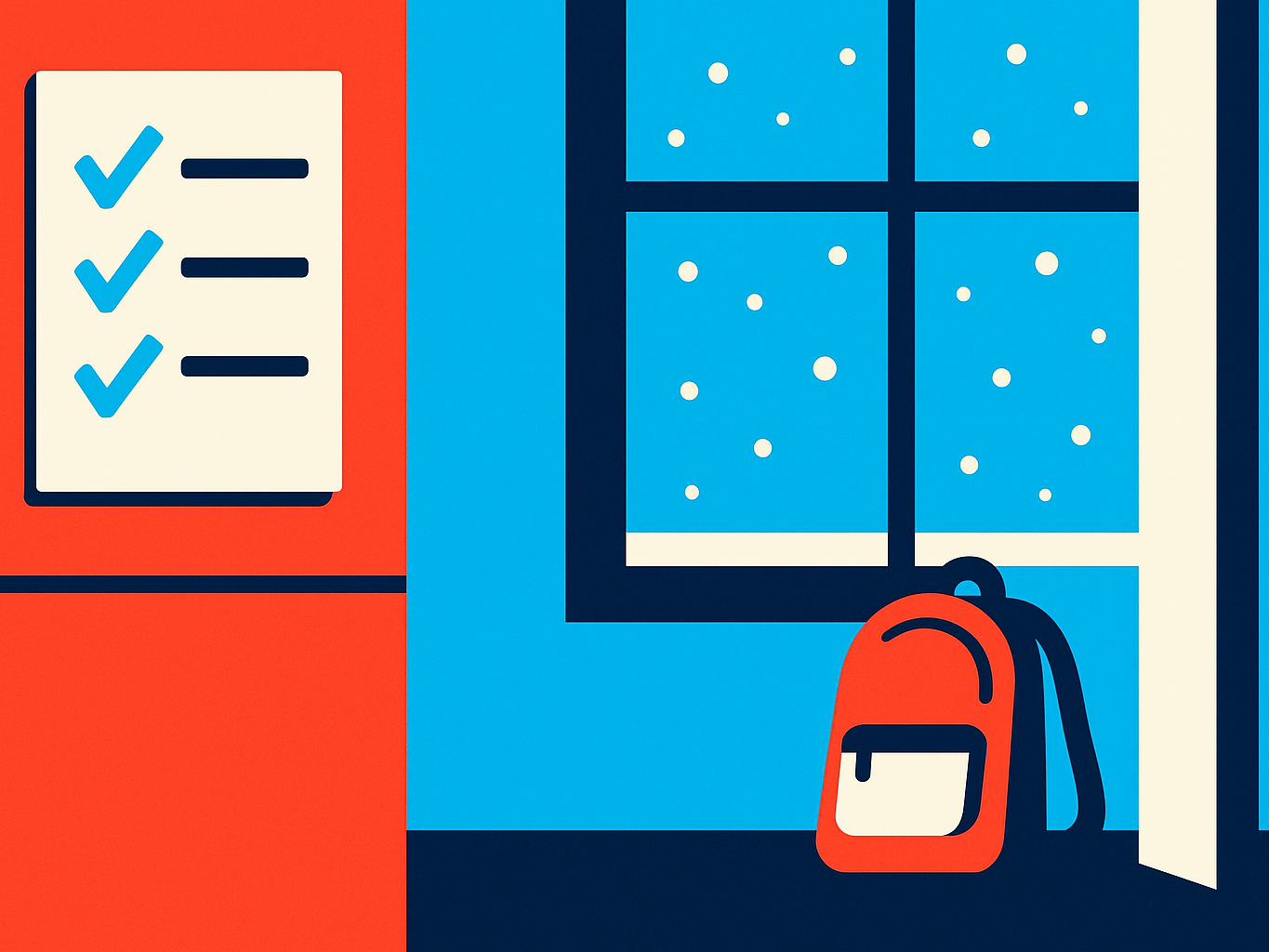
Easing back in is easier when students have kept a few habits going, because January then starts from practiced behavior instead of a two-week gap. Here is a checklist your school can send home as written.
- Pick two skills to practice this break and write them on the fridge.
- Give your teen one household job they own.
- Agree on a phone plan before the first day off.
- Ask one story question at a meal each day.
- Have your teen write one thank-you note.
- On the last weekend, ask: "Which skill got easier?"
For re-entry, schools can ask students in the first week back to name one skill they practiced and one moment it showed up. It takes five minutes and tells students that the school and the home are working on the same thing, which is the heart of a school-home partnership.
If you are an administrator thinking about how to do this all year, our 8-week curriculum teaches 26 Boost Skills across three pillars (People Skills, Character, and Healthy Mindset) to high school and young adult students, delivered by certified Boost coaches or trained staff. We would be glad to talk it through on a discovery call.
Frequently Asked Questions
What Soft Skills Can Parents Practice Over Winter Break?
Greeting people, listening, taking responsibility for a household job, saying a specific thank you, and keeping a phone agreement are all easy to practice at home. Each one fits into things most families already do over the holidays.
How Do You Set Phone Rules for a Teen During the Holidays?
Write the rules together before break starts and keep them short. Phone-free meals, a charging spot outside the bedroom, and a mid-break check-in cover most of what families need.
Do Family Meals Really Help Teenagers?
Research links frequent family meals with better outcomes, including diet, wellbeing, and academic results. The studies show an association rather than proof that meals cause the benefits, so think of meals as a good place to practice.
How Can Schools Share a Winter Break Guide With Families?
Paste the five practice ideas and the checklist into a newsletter or email before the last day before break. Keep the message short and invite students to share one practiced skill when they return.
References
- Pew Research Center, Teens, Social Media and AI Chatbots 2025
- Pew Research Center, 10 Facts About Teens and Social Media
- Family Mealtimes: A Systematic Umbrella Review (Nutrients, 2023)
- What Parents Can Do at Home to Reinforce the Soft Skills Schools Are Teaching
- How to Teach Teenagers Responsibility Without Micromanaging Them
- The 10-Minute Dinner Table Habit
- How to Have the Phone Conversation With Students That Actually Changes Behavior
Ready to bring Boost to your school?
Schedule a discovery call to see how the Boost curriculum fits your students.
Schedule a Discovery Call