
How to Teach Teenagers Responsibility Without Micromanaging Them
- Most responsibility-teaching at home fails because parents skip straight from doing everything for a teen to expecting full independence, with no gradual handoff in between.
- Scaffolded independence means handing over control in stages, matched to demonstrated competence, not age alone.
- Natural consequences, not lectures, are what actually build a teen's internal sense of accountability.
- Parents often function as the biggest barrier to their own teen's independence, according to research on adolescent development.
- The goal isn't a perfectly responsible sixteen-year-old. It's a working system that gets better every semester.
We hear a version of the same story from parents at almost every school we work with. The chore chart goes up on the fridge in September, full of color-coded columns and good intentions. By November it's a grocery list holder. Nobody's mad about it exactly, but nobody's surprised either. The teenager didn't become more responsible. The parents didn't become less exhausted. And the chart just sort of quietly died, the way these things do.
Here's the pattern we see over and over: parents swing between two extremes, and both of them backfire. One extreme is doing everything, packing the lunch, tracking the assignments, reminding about the permission slip three separate times, because it's faster and the stakes feel too high to risk a mess-up. The other extreme is the opposite overcorrection: suddenly announcing that a teen is "old enough now" and should just handle it, with zero instruction on what "handling it" actually looks like. Neither one teaches responsibility. The first one prevents a teen from ever practicing it. The second one sets them up to fail without the skills to recover.
Why Most Responsibility-Teaching Backfires
The direct answer is that responsibility gets treated as a trait a teenager either has or doesn't, instead of a skill built through repeated, supported practice. 87% of students who complete The Boost Program's 8-week course report feeling confident applying skills like this, compared to just 20% who said the same on day one, according to [Internal: Boost Bible (Master Reference)]. That's not because the students changed overnight. It's because the skill got built in stages, with practice and feedback along the way, not delivered as a single instruction.
Parents tend to default to one of two failure modes we mentioned above, and there's a research explanation for the more common one. Studies on adolescent development have found that parents frequently function as the actual barrier to teen independence, according to ScienceDaily, continuing to manage tasks their teens are developmentally ready to handle. It's not usually a control issue in the punitive sense. It's more that stepping back feels risky, and stepping in feels like love. But every time a parent intervenes before a natural consequence lands, the teen loses a data point about their own capability.
The other half of the problem is what happens when parents do let go, but do it without any scaffolding. A teen who has never once been responsible for waking themselves up, for tracking a deadline, or for managing $20 of spending money doesn't suddenly acquire those skills because a parent decided they should. Responsibility, like any of the 26 Boost Skills we teach in schools, has to be practiced at a level slightly above where the student currently sits, with enough support that failure doesn't turn into disaster.
The Scaffolded Independence Model
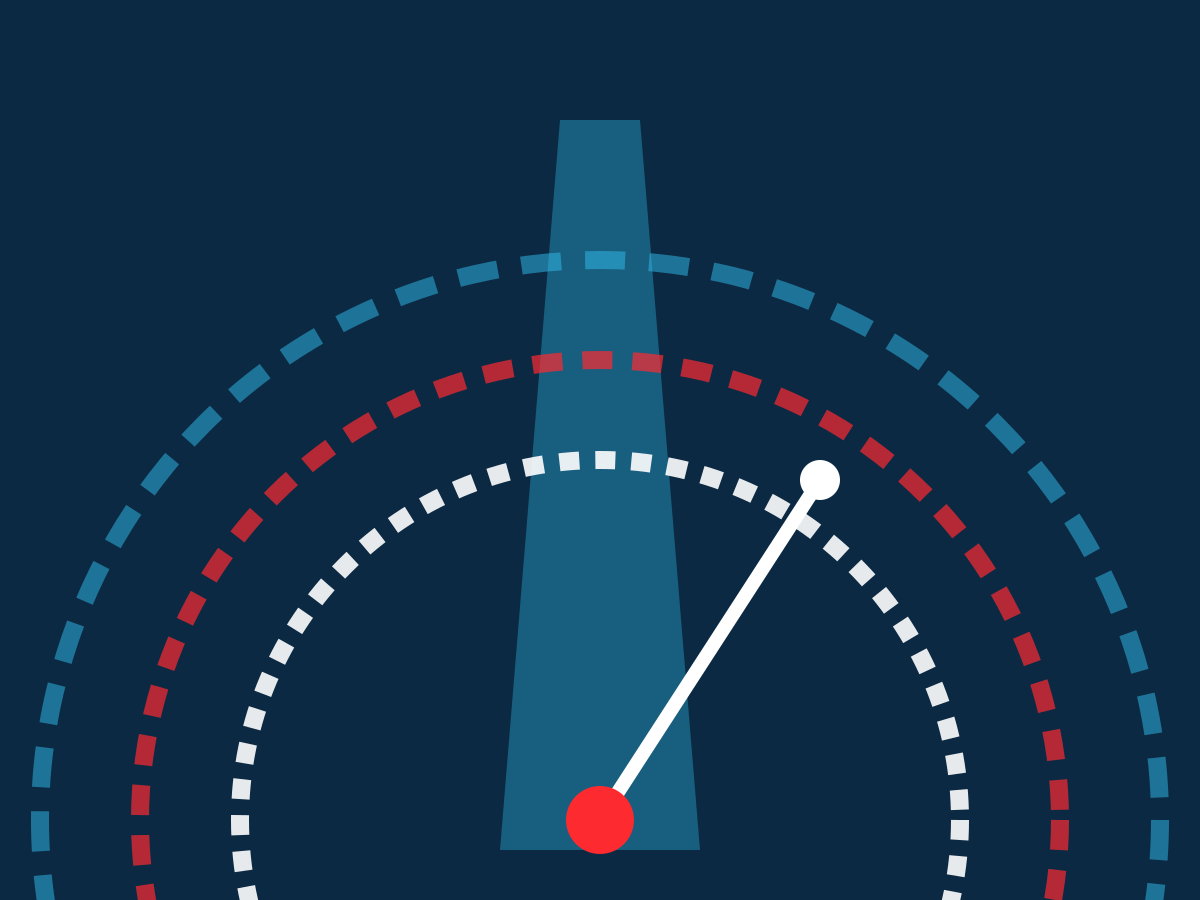
Scaffolded independence means handing over control in stages, calibrated to what a teen has already demonstrated they can do, rather than handing it all over at once because a birthday happened. Think of it less like flipping a switch and more like adjusting a dial, a little more slack given every time the teen shows they can hold the current amount.
In practice this looks like three moving pieces working together:
Clear, specific expectations. Not "be more responsible," which means nothing to a fifteen-year-old, but something concrete: "Your laundry gets done by Sunday night, and how you get there is up to you." Vague expectations produce vague results. Specific ones give a teen something to actually aim at.
Real stakes, sized appropriately. This is where natural consequences come in, and they're different from punishment. A punishment is something a parent imposes. A natural consequence is what happens on its own: the teen who doesn't do laundry wears a wrinkled shirt to school. Nobody yelled. Nobody grounded anyone. The world just responded the way it responds. Parenting researchers writing for Focus on the Family describe this as letting freedoms and consequences track together, so a teen learns cause and effect directly instead of through a parent's mood.
A gradual widening of the lane. Once a teen shows they can hold a level of responsibility consistently, usually over a few weeks, the scope expands. Managing their own laundry becomes managing their own laundry and their own morning alarm. Tracking one assignment deadline becomes tracking their own calendar. The widening only happens after competence is demonstrated, not on a fixed timeline, which is the part most families skip.
Autonomy-supportive parenting, where parents offer real choices and explain their reasoning instead of issuing commands, consistently predicts better adjustment in teens than either the permissive or the controlling extreme, based on longitudinal research published in the Journal of Youth and Adolescence. That tracks with what we hear from the school administrators and coaches we work with directly: teens don't resent structure. They resent structure that never explains itself and never budges.
What This Looks Like Week to Week
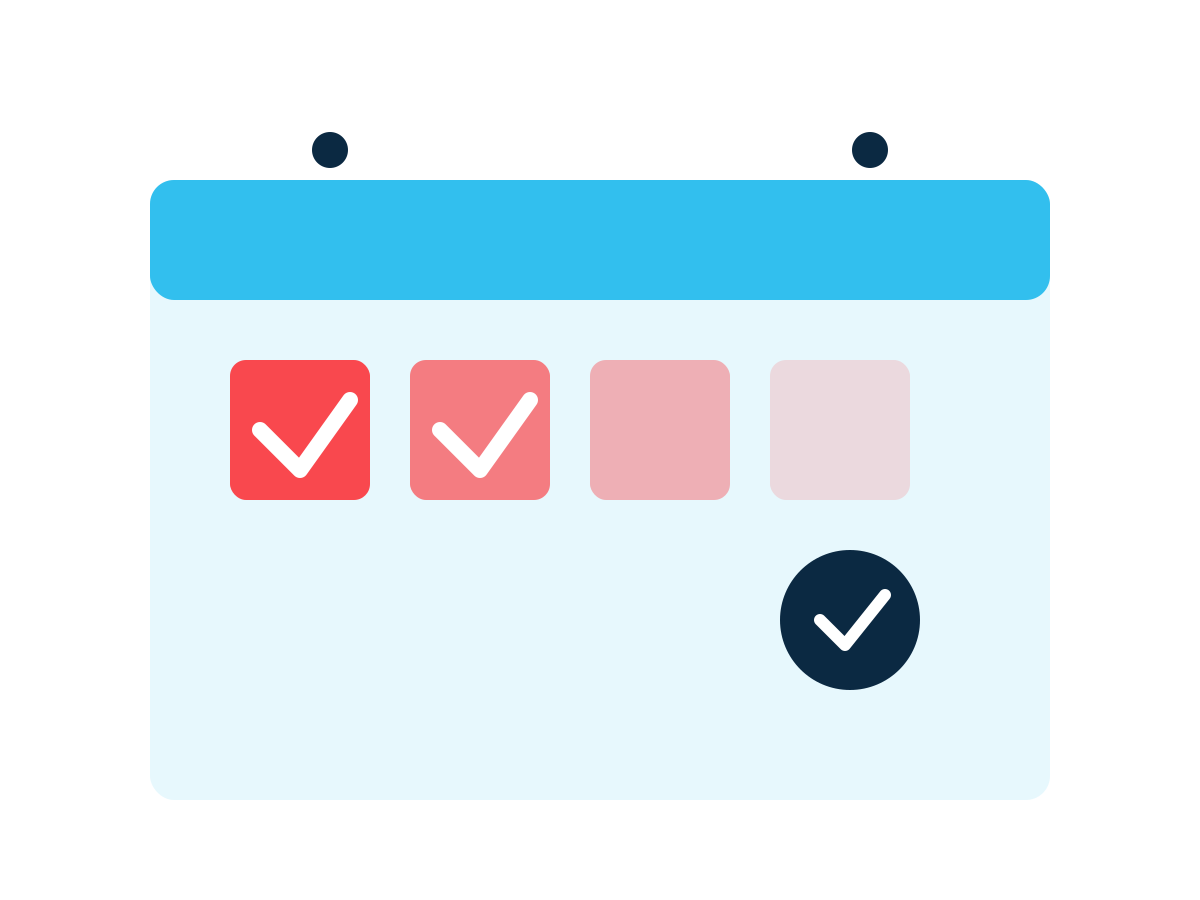
The direct answer here is that scaffolded independence isn't a one-time conversation, it's a weekly rhythm of a little more responsibility, a check-in, and an adjustment. Most families overthink the system and underthink the cadence.
A workable version looks something like this. Pick one or two domains to start, not five. Money, a chore, a sleep schedule, a school deadline. Set the expectation together, out loud, so it isn't a surprise later. Then step back and let the natural consequence do its job when it doesn't go perfectly, resisting the urge to swoop in and fix it. At the end of the week, a short, low-drama check-in: what worked, what didn't, does the scope expand or stay the same. That's it. No chart, no gold stars, no elaborate incentive system that collapses under its own weight by November.
This is also where the household connects to what's happening at school, if a teen is in a program built around this same idea. We've written before about what parents can do at home to reinforce the soft skills schools are teaching, and the short version is that consistency between the two environments matters more than either one being perfect on its own. A teen who's building the Healthy Mindset and Character skills in a classroom setting, then coming home to a household with zero corresponding structure, is getting a mixed signal. The 26 Boost Skills framework we use in the classroom was built around the same three-legged stool: People Skills, Character, and a Healthy Mindset, and responsibility touches all three.
It's also worth being honest that this doesn't produce a perfectly responsible teenager by spring break. It produces a slightly-more-capable one, most weeks, with some backsliding built in. That's the realistic version of this, and it's a better goal than the fantasy of a chore chart that runs itself.

Frequently Asked Questions
How Do You Teach a Teenager Responsibility?
Pair clear, specific expectations with real natural consequences, and increase independence gradually as competence is demonstrated, rather than either managing every task yourself or demanding full independence with no support.
What Are Natural Consequences for Teens?
Outcomes that happen on their own as a result of a teen's choices, without a parent stepping in to punish or rescue: missing the bus after oversleeping, running out of spending money after overspending, wearing a wrinkled shirt because laundry didn't happen.
How Much Independence Should A 16 Year Old Have?
Enough to manage daily decisions like schedule, homework approach, and spending money, with parents staying involved on safety and major decisions while stepping back on the day-to-day process.
Why Won't My Teenager Take Responsibility?
Often because they've never actually been allowed to experience the consequence of irresponsibility. Someone, usually a well-meaning parent, has always intervened before the natural outcome landed.
What Is Scaffolded Independence?
An approach that hands over control in stages, with support gradually withdrawn as a teen demonstrates competence, similar to training wheels coming off gradually instead of all at once.
References
- ScienceDaily - Failure to launch: Parents are barriers to teen independence
- Journal of Youth and Adolescence - Autonomy-related Parenting Profiles
- Focus on the Family - Guiding Teens Through Freedoms and Consequences
- What Parents Can Do at Home to Reinforce the Soft Skills Schools Are Teaching
- How to Choose the Right Soft Skills Curriculum for High School
- Character Education vs. SEL: What's the Difference, and What Should Parents Ask For?