
What Parents Should Ask a School About Its New Soft Skills Program
- 58% of school parents in EdChoice's 2025 survey said prioritizing social and emotional learning support would help student outcomes, so many families are open to this work.
- Parent questions usually fall into four groups: what is taught, who teaches it, what results to expect, and what happens to their child's information.
- Administrators build the most trust by answering in plain language and by saying what they do not know yet.
- Boost is an 8-week course (about 1.5 hours per week) taught by certified coaches or trained staff, and it is not therapy.
Picture a parent night in the cafeteria. A slide says "new soft skills program" and a hand goes up in the third row. "What exactly are you teaching my daughter?" The principal has about thirty seconds to answer, and the answer shapes whether that family becomes a supporter or a skeptic. The parent questions about school soft skills program launches are rarely hostile. They are practical, and they deserve practical answers. This FAQ lists the questions parents should ask, offers sample answers administrators can adapt, and flags where you will need to fill in details from your own school.

Why Parent Questions Are a Good Sign for a New Program
Parents who ask questions are paying attention, and that is exactly what a new program needs. Support is already there to build on. In EdChoice's 2025 survey, 58% of school parents said prioritizing social and emotional learning support would help student outcomes, alongside 56% for mental health services and 51% for career and vocational guidance (EdChoice).
Skepticism is also fair, and it is not limited to parents. A district administrator in Oregon told EdWeek, "I have yet to see real evidence that it improves student academic success" (EdWeek). If educators ask that, parents will too. Treat each question as a request for clarity and you will earn more trust than any slide deck can.
Questions Parents Should Ask About Content and Approach
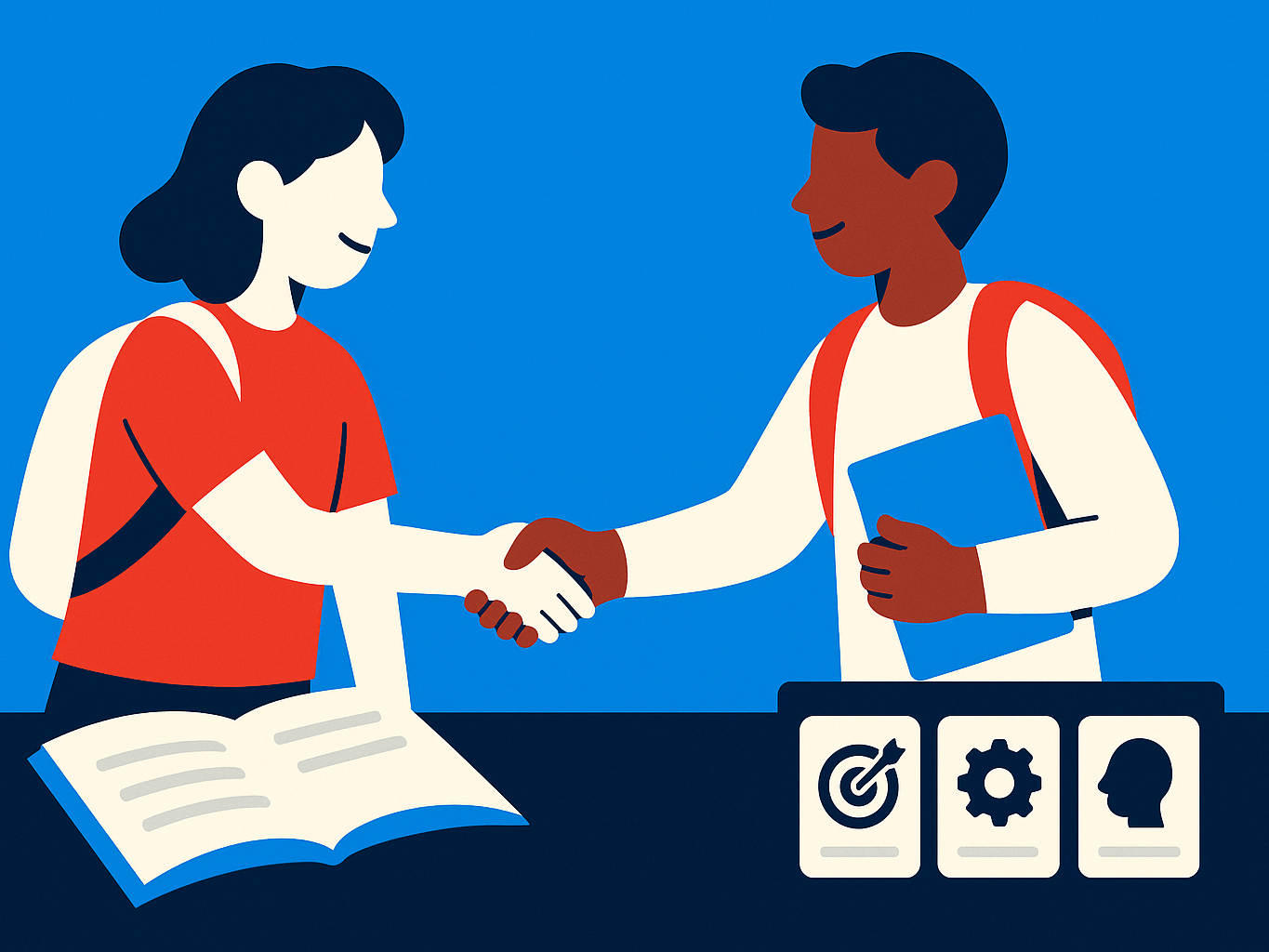
The first question is simply "What will my child be taught?" A good answer names specific behaviors, not vague values. Boost, for example, teaches 26 named Boost Skills across three pillars (People Skills, Character, and Healthy Mindset), such as eye contact, listening and asking questions, honesty, humility, goal setting, and phone control [Internal: Boost Bible].
Parents should also ask how the program teaches, and whether it relies on lectures. The answer to look for is practice. Each Boost session combines a lesson, practice, and discussion, and role play is central, because a skill like starting a conversation is learned by doing it. A fair follow-up is "Is this therapy or counseling?" At Boost the answer is no. Boost coaches are not therapists or mental health professionals, and they teach practical skills in people skills, character, and mindset [Internal: Boost Messaging and Copy Bank]. If you want the broader context for these questions, our post on what parents should ask for in character education versus SEL covers the difference.

Questions Parents Should Ask About Who Teaches the Program
Parents should ask who will be in the room with their child, and what training that person has. With Boost, sessions are led by a certified Boost coach or by a trained, certified staff member from your own school. Either way, the person leading has been prepared to teach the specific curriculum.
Parents should also ask how much class time the program takes and how long it lasts. Boost runs for 8 weeks at about 1.5 hours per week. That is a bounded commitment, and it is worth saying out loud, because uncertainty about time is a common source of worry. Teachers need to feel prepared too. In a 2022 teacher survey reported by K-12 Dive, more than half of teachers said they were not prepared to serve students effectively in this area (K-12 Dive). Training matters, and parents are right to ask about it.
Questions Parents Should Ask About Results and Privacy
The honest answer on results is that research on SEL programs in general is encouraging, while research on any single program should be read carefully. A meta-analysis of 213 school-based programs covering more than 270,000 students found an 11 percentile-point gain in achievement among participants, though effects tended to fade over time (Kappan summary of the research). That is evidence about the category, not a promise about one program.
For Boost specifically, say what exists. Our own pilot involved about 30 students, and the share who said "Absolutely" to a question about whether a specific set of skills lets them get what they want in life rose from 20% on day one to 87% on the last day. It is small and self-reported, not proof, and we have no independent outcome data yet [Internal: Boost Bible]. On privacy, parents should ask what is collected and who sees it. Boost uses a before-and-after self-assessment called Striving to 100, in which the student and an adult sponsor each rate the student's skills, and students color their 26 skills green, yellow, or red on the last day [Internal: Boost Program Research Paper]. Where those ratings are stored and whether anything reaches a transcript are your school's decisions, so decide them before the parent night, not during it.

Sample Answers Administrators Can Use
Short, specific answers work best, and each should fit in a few sentences. Adapt these to your school and fill in the brackets with your own details.
- What is my child learning? "A set of 26 named skills, like making eye contact, listening, and handling setbacks, taught through lessons, practice, and discussion."
- Who teaches it? "[A certified Boost coach / a staff member we certified], and it runs for 8 weeks at about 1.5 hours per week."
- Is this therapy? "No. It teaches practical skills. Coaches are not therapists."
- How will you know it works? "Students and an adult sponsor complete a self-assessment at the start and end. That shows perceived growth, and we will share what we learn."
- Is it required or optional? What happens to my child's information? "[Fill in your school's policy.]"
The last item is deliberate. We do not know your enrollment rules or data policies, and a made-up answer costs more trust than an honest gap. Our guide to getting administrator and board buy-in can help you settle those answers internally first.
Staying in Touch With Parents After Launch
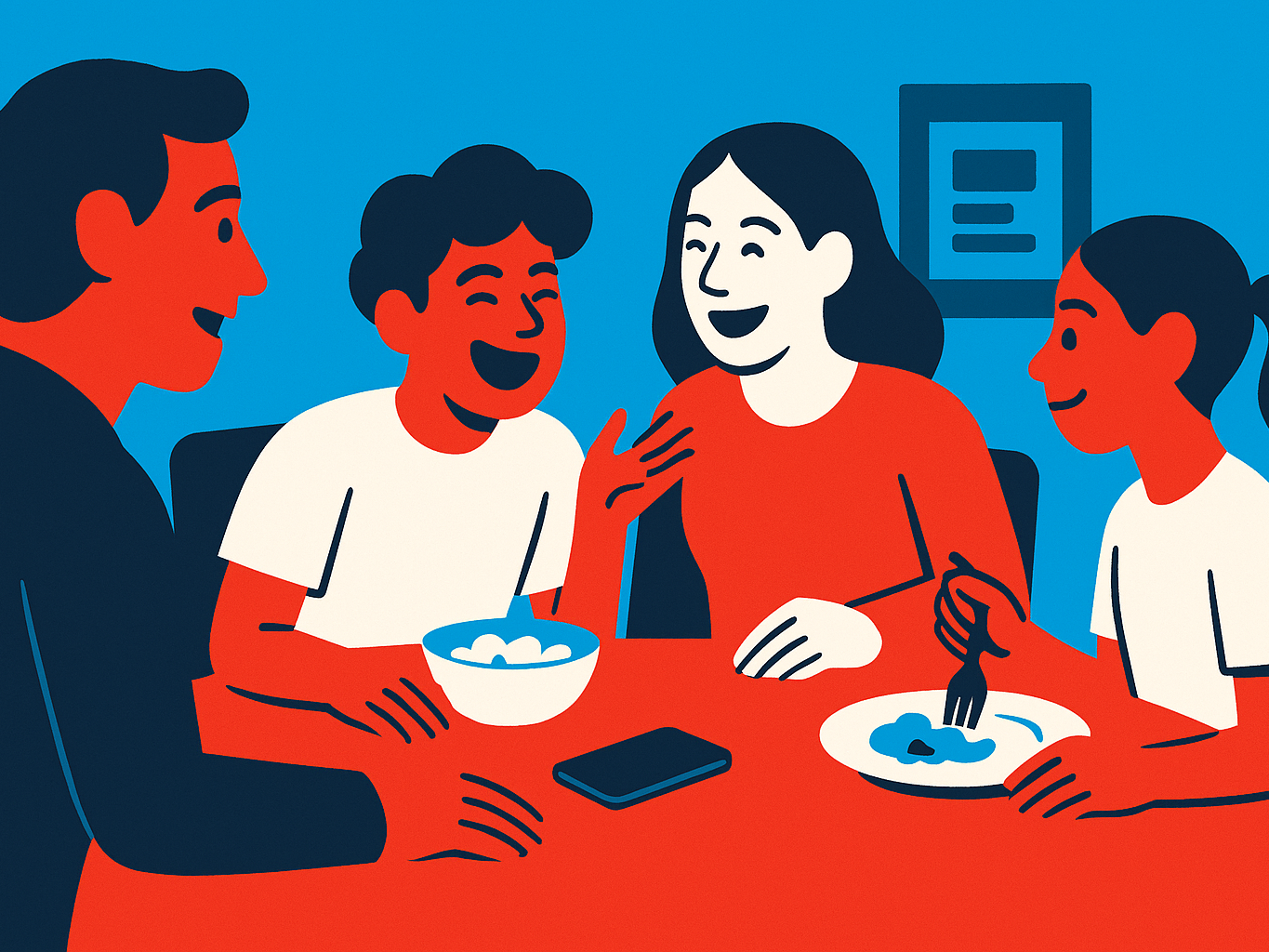
Keep parents informed at the start, the middle, and the end, and give them something to do at home. A short note before week one, a mid-program check-in, and a closing summary of what students practiced are enough to keep families in the loop. Give them one habit to try, such as asking about a skill at dinner. Our posts on what parents can do at home to reinforce soft skills and a 10-minute dinner table habit are written to share with families.
Parents who see the program as something done with them, not to their children, stay supportive. If you are planning a launch and want help preparing for parent night, you can schedule a discovery call and bring your questions.

Frequently Asked Questions
What Should Parents Ask Before a Soft Skills Program Starts?
Ask what is taught, who teaches it, how long it runs, how results will be judged, and what information is collected. Specific answers are a good sign.
Is a Soft Skills Program the Same as Therapy?
No. Boost teaches practical skills, and its coaches are not therapists or mental health professionals.
How Long Does the Boost Program Last?
Boost runs 8 weeks, with about 1.5 hours per week. Each session includes a lesson, practice, and discussion.
How Can Parents Support Soft Skills at Home?
Ask your teen about one skill they practiced this week and what happened. Short, regular conversations reinforce the practice better than a long talk once.
References
- EdChoice: Establishing a Baseline, How Do School Parents Feel in 2025?
- EdWeek: Does Social-Emotional Learning Really Work? Educators Had a Lot to Say
- K-12 Dive: Parents, Teachers Say SEL Is Valued and Needed in Schools
- Kappan: An Update on Social and Emotional Learning Outcome Research
- Character Education vs. SEL: What's the Difference, and What Should Parents Ask For?
- How to Get Administrator and Board Buy-In for a Life Skills Program
- What Parents Can Do at Home to Reinforce the Soft Skills Schools Are Teaching
- The 10-Minute Dinner Table Habit That Reinforces Every Soft Skill Schools Teach
Ready to bring Boost to your school?
Schedule a discovery call to see how the Boost curriculum fits your students.
Schedule a Discovery Call