Social-Emotional Learning in High School: What It Is, Where It Falls Short, and What Comes Next
- Social-emotional learning in high school reaches more than 8 in 10 U.S. schools, but the evidence behind that number comes mostly from elementary classrooms, not high schools.
- Shorter periods, subject-specific teachers, and adolescent skepticism toward anything that reads as a lecture make secondary SEL structurally harder to deliver than elementary SEL.
- 4 in 5 hiring managers say recent high school graduates aren't workforce ready, and the gap they describe is almost entirely soft-skills, not academic.
- A next-generation approach keeps SEL's underlying competencies but delivers them as a dedicated, why-first course built for how teenagers actually engage, not a scaled-down version of a third-grade lesson.
- Boost's 8-week model, built around People Skills, Character, and Healthy Mindset, is one working example of that structural fix.
Ask a school administrator whether their district "does SEL" and most will say yes without hesitating. Ask them whether it's working with their juniors and seniors the way it worked in fifth grade, and the pause gets longer. That pause is the entire subject of this article.
Where SEL Works, and Where It Stalls Out
Social-emotional learning has become close to universal in American schools. More than 8 in 10 U.S. schools now report implementing some form of SEL programming, according to CASEL, and nearly every state has adopted policy language supporting it. On paper, that looks like a settled question.
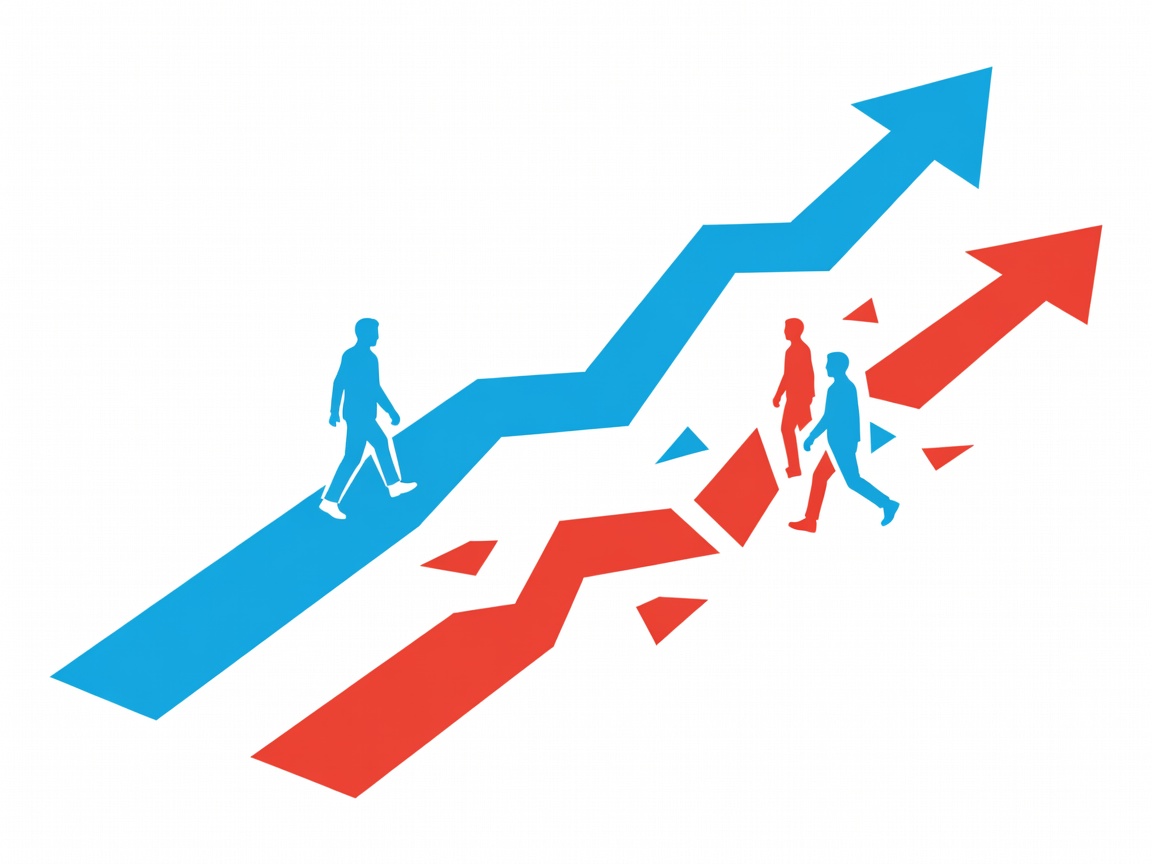
It isn't. The strongest evidence for SEL's academic and behavioral impact comes from elementary interventions, and effect sizes shrink as students move into secondary school, according to the Learning Policy Institute. A curriculum that raises kindergarten cooperation and third-grade emotional regulation is not automatically the same curriculum that reaches a disengaged sixteen-year-old. In a 2025 Education Week survey asking educators whether SEL "really works," responses split sharply by grade band. Elementary teachers reported the clearest gains. High school teachers were the most likely to say they weren't sure it was doing anything at all.
That split matters because high schools are where the stakes of soft-skill development are highest. Students are one to four years from a job interview, a college application, or their first apartment lease. If a program isn't landing with them, the cost isn't abstract.
What Social-Emotional Learning Actually Is
Social-emotional learning is a framework, most commonly defined by CASEL, for teaching five core competencies: self-awareness, self-management, social awareness, relationship skills, and responsible decision-making. It was built to give schools a common language for skills that used to be assumed, learned informally at home, on sports teams, or through part-time jobs kids don't have as much anymore.
Schools call this SEL. Employers tend to call the same underlying skills "soft skills." Families often call them "life skills." At The Boost Program, we've started calling them the bridge term on purpose: soft skills, because "life skills" gets confused with financial literacy and "SEL" carries baggage in some districts that has nothing to do with the actual content.
The confusion over labels isn't just semantic. It's part of why implementation gets shaky. When three different stakeholder groups (educators, employers, parents) use three different words for the same competencies, nobody is fully sure they're building toward the same outcome. We've written before about why the term matters more than people assume, and it comes up again here because label confusion is one of several structural reasons SEL struggles specifically at the secondary level.
Why High School Implementation Breaks Down
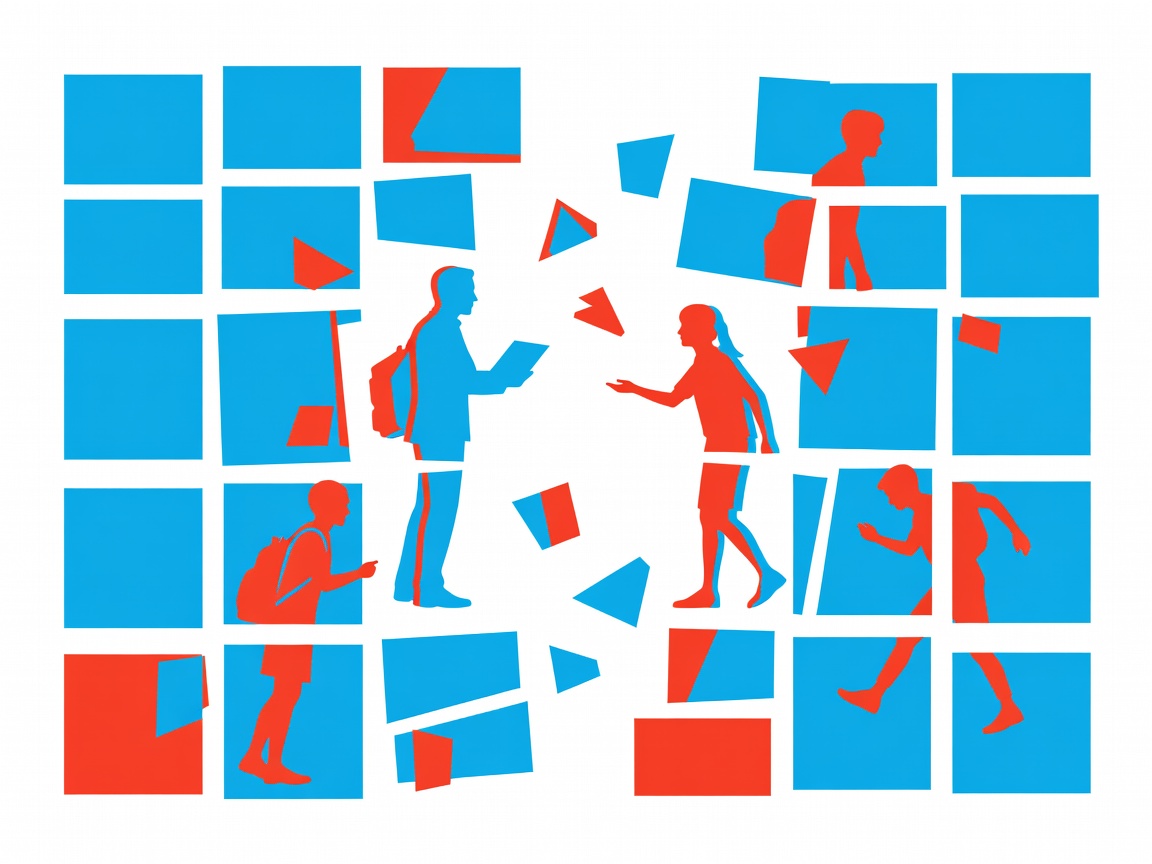
Four structural factors separate high school SEL from elementary SEL, and none of them are about the underlying competencies being wrong.
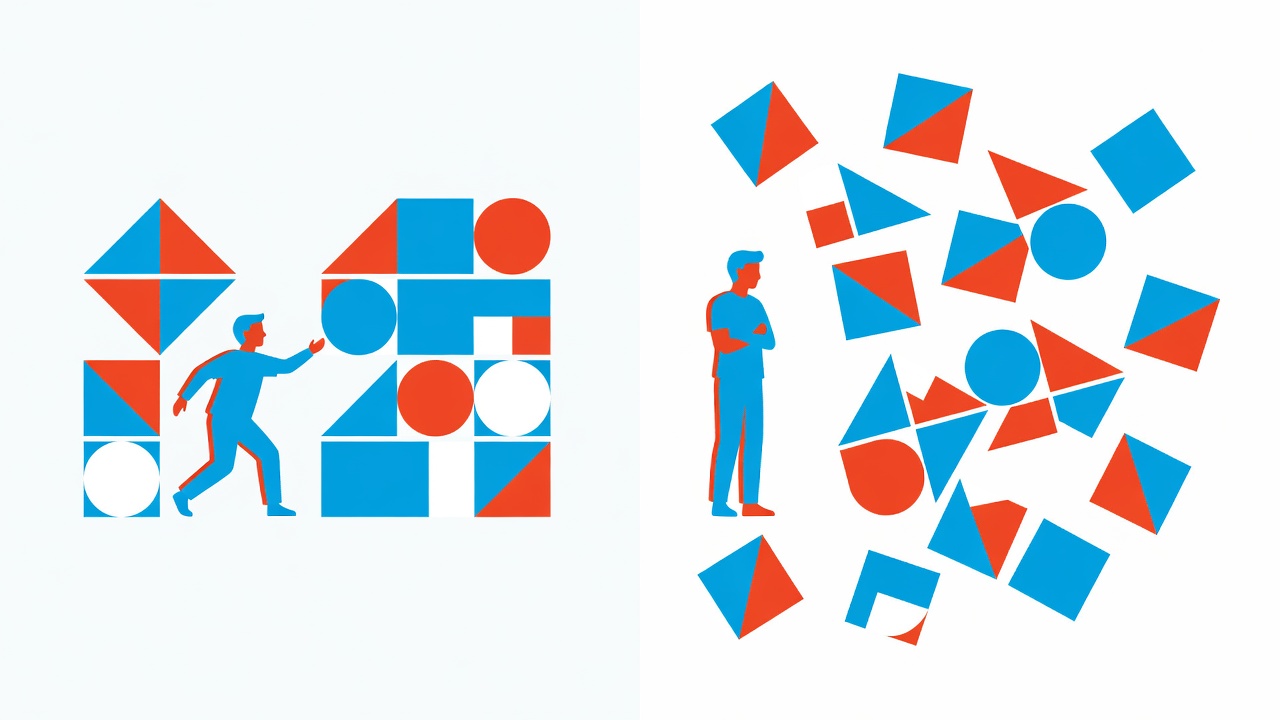
The schedule doesn't fit. Elementary students have one teacher for most of the day, which makes a 15-minute morning meeting or embedded SEL moment easy to slot in. High schools run on 45 to 55-minute subject periods with different teachers each hour. There's rarely a natural home for SEL unless a school carves one out deliberately, and many don't.
Teachers aren't trained for it. An elementary teacher is a generalist by design. A high school chemistry teacher was trained to teach chemistry, not to facilitate a discussion about self-management. Asking a subject-area teacher to also deliver SEL, with a few hours of training, produces exactly the "lame" delivery Education Week has documented: a worksheet read aloud in a monotone, checked off for compliance, forgotten by lunch.
Teenagers read differently than younger kids. A first grader will happily practice "feelings words" with a puppet. A high school junior can smell condescension from across the building. Content built for a seven-year-old's classroom, only simplified in vocabulary rather than rebuilt in approach, reads as babyish to a seventeen-year-old, and disengagement follows immediately. We've covered this pattern in more detail in our earlier look at why SEL isn't working in most schools.
Add-on programming gets cut first. When SEL is bolted onto an existing schedule rather than built as its own course, it's the first thing sacrificed when testing season, a scheduling conflict, or budget pressure hits. A program students experience for six sporadic sessions a year isn't a curriculum. It's an interruption.
None of this means the underlying goal is wrong. Teenagers are developmentally primed for this kind of learning. Research on the 14–24 brain window shows this is one of the most important windows for building durable habits and identity, arguably a better window than early elementary for skills tied to independence, relationships, and self-management. The problem isn't timing. It's delivery.
What a Next-Generation Approach Needs to Include
If the four failure points above are structural, the fix has to be structural too, not a better worksheet.
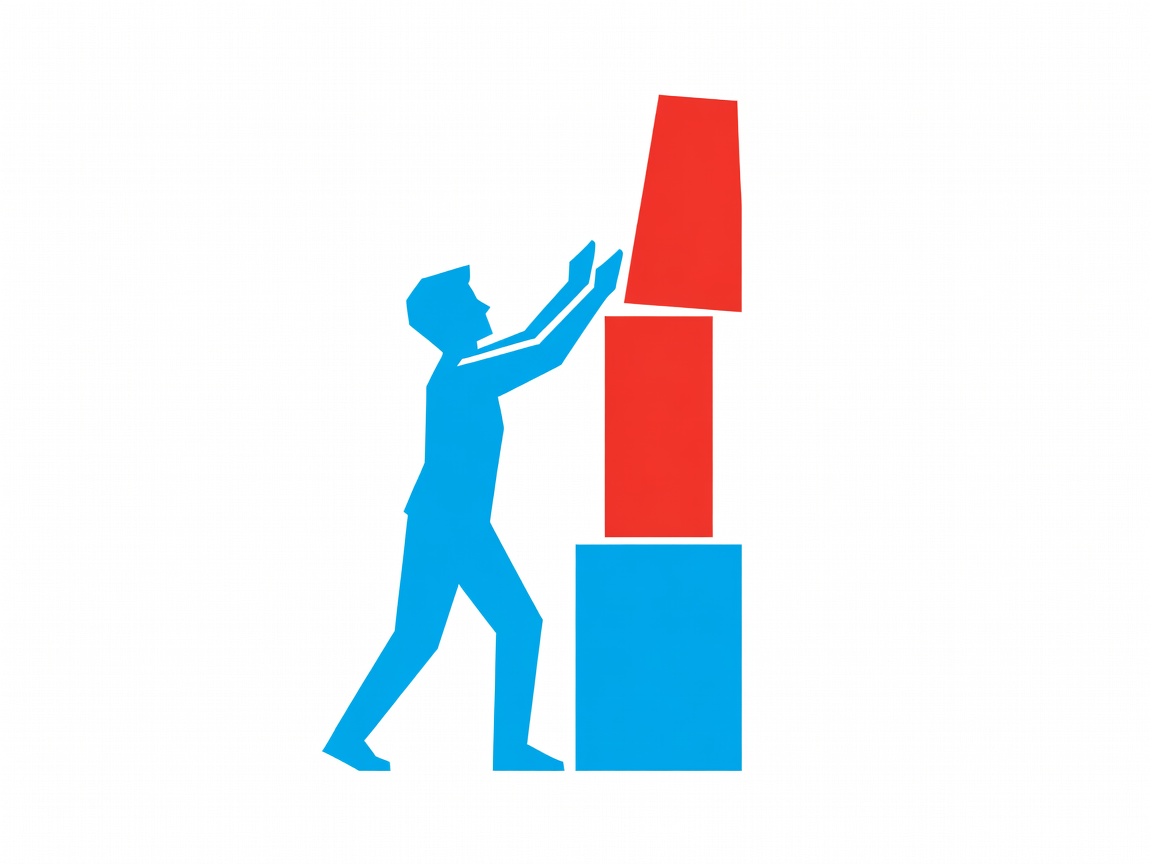
A next-generation approach needs to be a dedicated course, not an add-on distributed across other subjects. It needs its own scheduled time, its own instructor or trained facilitator, and enough consecutive weeks for skills to move from "discussed" to "practiced" to "habitual." A single assembly or a scattered handful of advisory-period lessons doesn't clear that bar.
It needs a why-first structure. Teenagers disengage from anything that reads as an adult telling them what to do. They engage with material that connects directly to something they already want: friendships, respect, a job, independence. Every Boost lesson opens by connecting the skill to that future payoff before teaching the behavior itself, which is a large part of why 95% of students who complete Boost say they now clearly understand which skills are crucial for success, per Boost's own program data.
It needs specific, teachable behaviors, not abstract competency labels. "Improve relationship skills" is a category. "Make eye contact, use someone's name, ask a follow-up question, and actually listen to the answer" is something a student can practice this week and get better at by next month. Boost breaks all 26 skills across three pillars, People Skills, Character, and Healthy Mindset, into behaviors this concrete on purpose.
And it needs a real evidence loop. Boost's own pilot, run with roughly 30 students over eight weeks, found that the share of students who understood that "life is skill-based" rose from 20% at the start of the program to 87% by the end. That's not a controlled academic study, and we say that plainly. But it's the kind of before-and-after signal any program serious about high school implementation should be collecting and publishing, not avoiding. Schools evaluating any option in this space, Boost included, should ask directly what a decision framework for choosing a soft skills curriculum looks like before committing a semester to it.
None of this requires abandoning SEL's underlying goals. It requires being honest that a framework validated mostly in elementary settings needs a genuinely different delivery model once students hit ninth grade, not a scaled-down copy of what worked for fourth graders.
Frequently Asked Questions
What Is SEL in High School?
Social-emotional learning in high school is instruction aimed at building self-awareness, self-management, social awareness, relationship skills, and responsible decision-making, the five competencies in the CASEL framework, delivered through classroom lessons, advisory periods, or a dedicated course.
Why Doesn't SEL Work in High School?
Most SEL curricula and the research behind them were built for elementary classrooms. At the high school level, shorter subject-specific periods, thinner staff training, and teenagers' skepticism toward anything that feels like a lecture all weaken delivery and measured impact.
What Is the CASEL Framework?
CASEL, the Collaborative for Academic, Social, and Emotional Learning, is the field's leading SEL framework. It defines five core competencies (self-awareness, self-management, social awareness, relationship skills, and responsible decision-making) taught across classroom, school, family, and community settings.
Is SEL the Same as Soft Skills or Life Skills?
Largely, yes. Schools tend to say SEL, workplaces say soft skills, and families often say life skills. All three describe the same underlying competencies in communication, character, and self-management, just framed for different audiences.
What Comes After SEL for Teenagers?
A next-generation approach keeps SEL's underlying competencies but delivers them as a dedicated, why-first course with real practice and repetition, not scattered add-ons, built specifically for how older teens engage rather than a scaled-down elementary model.
References
- CASEL, "More than 8 out of 10 U.S. Schools Implement SEL"
- U.S. Chamber of Commerce, New Hire Readiness Report
- Learning Policy Institute, "Evidence for Social and Emotional Learning in Schools"
- Education Week, "Why High School SEL Programs Feel 'Lame,' and How to Fix Them"
- Education Week, "Does Social-Emotional Learning Really Work? Educators Had a Lot to Say"
- CASEL, "What Is the CASEL Framework?"