
Building a Soft Skills Scope and Sequence for Grades 9 to 12
- This is a framework Boost suggests, not a research-backed outcome: a four-year progression built on the 26 Boost skills, the three legs of the stool, and Level 1 before Level 2.
- Grade 9 starts with why skills matter and the Level 1 foundations. Grade 10 repeats and deepens them. Grades 11 and 12 apply them in real settings and add Level 2 skills.
- A 2024 meta-analysis of 59 studies and 83,233 participants found that programs with low dosage were less effective than those nearing the recommended dose. That is the best outside argument for sequencing over a one-off.
- Evidence on how best to order soft skills across high school is thin. Treat any sequence, ours included, as a draft to test and adjust.
A soft skills scope and sequence is a plan that says which skills students learn, in what order, and in which grade. Most high schools do not have one. They have an advisory slot, a poster, and an assembly. If you are a school administrator looking for soft skills resources you can adapt, a grade-by-grade map is the missing piece. Soft skills here means the behaviors, such as listening, honesty, and handling setbacks, that decide how a person applies what they know. Below is a progression we suggest for grades 9 to 12, why we ordered it this way, and where the evidence stops. We built it from our own framework, so treat it as a proposal.
Why a Soft Skills Scope and Sequence Starts With Level 1
Order matters because some skills depend on others. We describe the 26 Boost skills as Level 1, the foundation, and the skills employers name most often, such as conflict resolution, leadership, communication, and teamwork, as Level 2 [Internal: Boost Brand Bible v2]. The analogy we use is basic math before algebra. A student who cannot look someone in the eye, listen without interrupting, or apologize sincerely will struggle to resolve a conflict well, however many role plays you run.
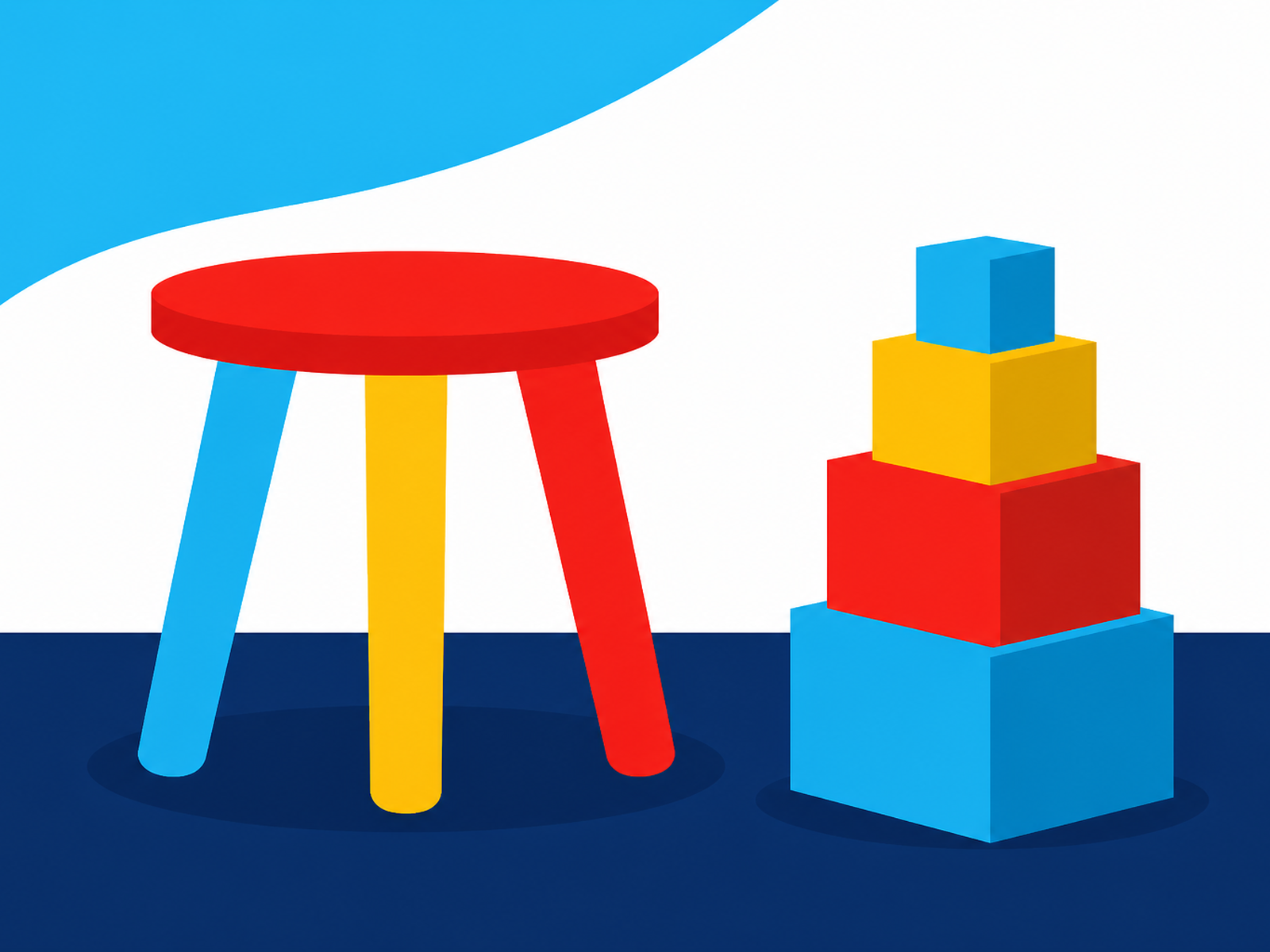
Underneath the sequence sits one idea: life is skill-based [Internal: Boost Brand Bible v2]. A student has to grasp that first, or each lesson feels like random advice. Then the three legs of the stool organize which skills: people skills, character, and healthy mindset. A weak leg makes the whole stool wobble, so a good sequence touches all three early and keeps returning to them. We explain the thinking in our 101/201 framework.
One caution on the list itself. Our internal documents describe the 26 skills in slightly different groupings, so confirm exact skill names against the current master list on a discovery call before you print anything for a parent handbook.

The Boost Suggested Soft Skills Progression for Grades 9 to 12
Here is the whole sequence at a glance. It is a framework Boost suggests, and no study has tested this exact order.
- Grade 9, Foundations: Why skills matter, people skills, character basics. This is the 8-week core program.
- Grade 10, Practice and Mindset: Repeat the weak areas, add growth and phone-control skills, set goals.
- Grade 11, Level 2 Application: Use Level 1 skills inside conflict, teamwork, and communication tasks.
- Grade 12, Readiness: Interviews, leadership, and a personal plan for life after graduation.
The core program already gives you a spine for grade 9. Its eight weeks run from Creating the Life You Want through How to Become Likeable, Skills That Earn Respect, Skills That Power Growth, You vs. Your Phone, Control Your Mind, Creating Calm, and My Boost Blueprint [Internal: Boost Brand Bible v2]. What happens after that is the part schools ask us about, and it is where our guidance is a proposal rather than a finished product.

Grades 9 and 10: Teach the Why, Then Repeat the Foundations
Ninth grade should teach the why first, then the Level 1 skills. Before a single skill, students picture the life they want, then see that every version of that picture needs the same skills [Internal: Boost Bible]. That is the hook. Without it, grade 9 becomes a lecture series.
At the end of the program, students rate all 26 skills green, yellow, or red on a worksheet, and the game plan is simple: lean into green, pick two yellows to work on for 30 days, and pick one red to commit to with a small daily practice [Internal: Boost Bible]. We suggest carrying that worksheet into grade 10. Sophomores re-rate, compare, and choose the next focus. That makes sophomore year a practice year, not a repeat of the lessons.
Why repeat? Dose. In a 2024 meta-analysis in the Journal of Youth and Adolescence, Jieping Shi and Alan Cheung reviewed 59 studies with 83,233 participants and found programs with low dosage were less effective than those nearing the recommended dosage (Journal of Youth and Adolescence, 2024). It covered youth broadly and not Boost, but it supports a plan that revisits skills. Practice is also the heart of how we teach, which we cover in our post on practice beating lecture.

Grades 11 and 12: Move to Level 2 and Real Settings
Juniors and seniors should use Level 1 skills inside harder situations. That is where Level 2 begins: conflict resolution, teamwork, communication under pressure, and leadership. These are the skills employers describe when they list what new hires lack. Our materials treat them as depending on the foundation, which is why they come later in this proposal.
CASEL's page on keeping SEL developmental notes that high schoolers face different tasks than younger children. Susanne Denham of George Mason University writes that they must "understand unique emotional perspectives" (CASEL). Her point is that peer conflicts get more complex, so the methods have to change with age.
In grade 12, we suggest tying skills to the next step. Boost's interview series runs in three parts: a full-grade assembly, peer practice interviews, and mock interviews with real adults who hire [Internal: Boost Bible]. Hiring managers who ran mock interviews said, "These students were better than most of the real interviews we do" [Internal: Boost Bible]. That is a small signal, not a study. Seniors can close with the personal plan from week 8.
One honest limit. We have a clear Level 1 curriculum. How much Level 2 content Boost supplies, and how much your school builds, is a question for a discovery call.

What This Evidence Does Not Say
Nobody has shown that this four-year order produces better outcomes than another order. The sequence comes from our framework and our teaching experience, not from a controlled comparison. Our own pilot involved about 30 students, and about 87% finished saying they understood that life is skill-based, up from 20% on day one. It is small and self-reported, and it covers the 8-week program only, not a multi-year sequence [Internal: Boost Brand Bible v2].
The wider research has gaps too. A Yale-led meta-analysis of 424 studies across 53 countries found significant gains for students in school-based SEL programs, including in middle and high school (ASCD, summarizing Cipriano et al., 2023). It did not test a grade-by-grade order of skills. And a 2019 white paper from Engaging Schools cites CASEL's 2015 guide, which found four of five effective high school programs relied on shifts in teaching practice rather than stand-alone lessons, and says high school SEL has less research than elementary (Engaging Schools, 2019). We believe in a dedicated course, but that is a real counterpoint.
The need for a plan is visible in older teacher data. In a RAND survey from spring 2019, only 24% of secondary teachers agreed their school had clear SEL practices or a roadmap (RAND, 2020). That is dated, but it fits what administrators tell us.

How School Administrators Can Adapt This Sequence
Start with one grade, not four. Pick the grade where your students are most likely to benefit first, run it well, and use what you learn to shape the next year. Four steps help.
- Map what you already teach. List every soft skills touchpoint in advisory, electives, and homerooms, and mark which of the three legs each one serves.
- Start with Level 1. Do not add leadership workshops until students have practiced the basics.
- Plan the repetition. Schedule re-rating and practice points in later grades so skills are revisited, not abandoned.
- Choose your own measures. Decide what you will track, such as pre and post self-assessments or teacher observation, before you launch.
For more on scheduling, see what a full school year of Boost looks like week by week. If you want to adapt this proposal to your own master schedule, you can schedule a discovery call and we will work through it with you.

Frequently Asked Questions
What Is a Soft Skills Scope and Sequence?
It is a plan that names which soft skills students learn, in what order, and in which grade. It turns scattered activities into a progression.
Why Teach Level 1 Skills Before Level 2?
Level 2 skills such as conflict resolution and leadership depend on foundations like listening, honesty, and sincere apologies. We compare it to basic math before algebra.
Is This Sequence Backed by Research?
No. It is a framework Boost suggests. Outside research supports repetition and sufficient dosage, but no study has tested this exact grade order.
Do We Need to Start in Grade 9?
Not necessarily. The Level 1 foundations make sense for whichever grade starts first, then you can add later grades over time.
Can We Use Our Own Materials Instead?
Yes, the structure can guide any program. If you use Boost, ask us on a discovery call how Boost supports grades beyond the 8-week core.
References
- Shi and Cheung: Effective Components of Social Emotional Learning Programs, Journal of Youth and Adolescence (2024)
- ASCD: Study Doubles Down on SEL's Effectiveness
- CASEL: Keeping SEL Developmental
- Engaging Schools: Embedding Social and Emotional Learning in High School Classrooms (2019)
- RAND: Supports for Social and Emotional Learning in Schools (2020)
- The 101/201 Framework: Why Boost Teaches the Why Before the How
- Practice Beats Lecture: Designing Soft Skills Lessons Students Do, Not Just Hear
- What a Full School Year of Boost Actually Looks Like, Week by Week
Ready to bring Boost to your school?
Schedule a discovery call to see how the Boost curriculum fits your students.
Schedule a Discovery Call