
The 101/201 Framework: Why Boost Teaches the "Why" Before the "How"
- Researchers Yeager, Dahl, and Dweck argue that traditional interventions "fail when they do not align with adolescents' enhanced desire to feel respected and be accorded status."
- In one experiment with 338 ninth graders, a brief purpose exercise raised STEM grades by about 0.2 grade points for lower performers.
- A meta-analysis of 213 school-based programs found that programs using four practices (sequenced, active, focused, explicit) produced significant effects on all six outcomes, while others did on only three.
- Boost applies a why-first soft skills teaching framework: students learn the why in 101, then practice the skill in 201.
Most skills lessons begin with a rule. Be on time. Make eye contact. Say thank you. Teenagers hear these as adult orders, nod politely, and forget them by lunch. We built Boost around the opposite order. Our why-first soft skills teaching framework, which we call 101 and 201, asks students to understand why a skill matters to the life they want before anyone asks them to practice it. This article explains what each stage covers, what the research says about the order, and what we can and cannot claim about results.
Why Do Skills Lessons That Skip the Why Fall Flat?
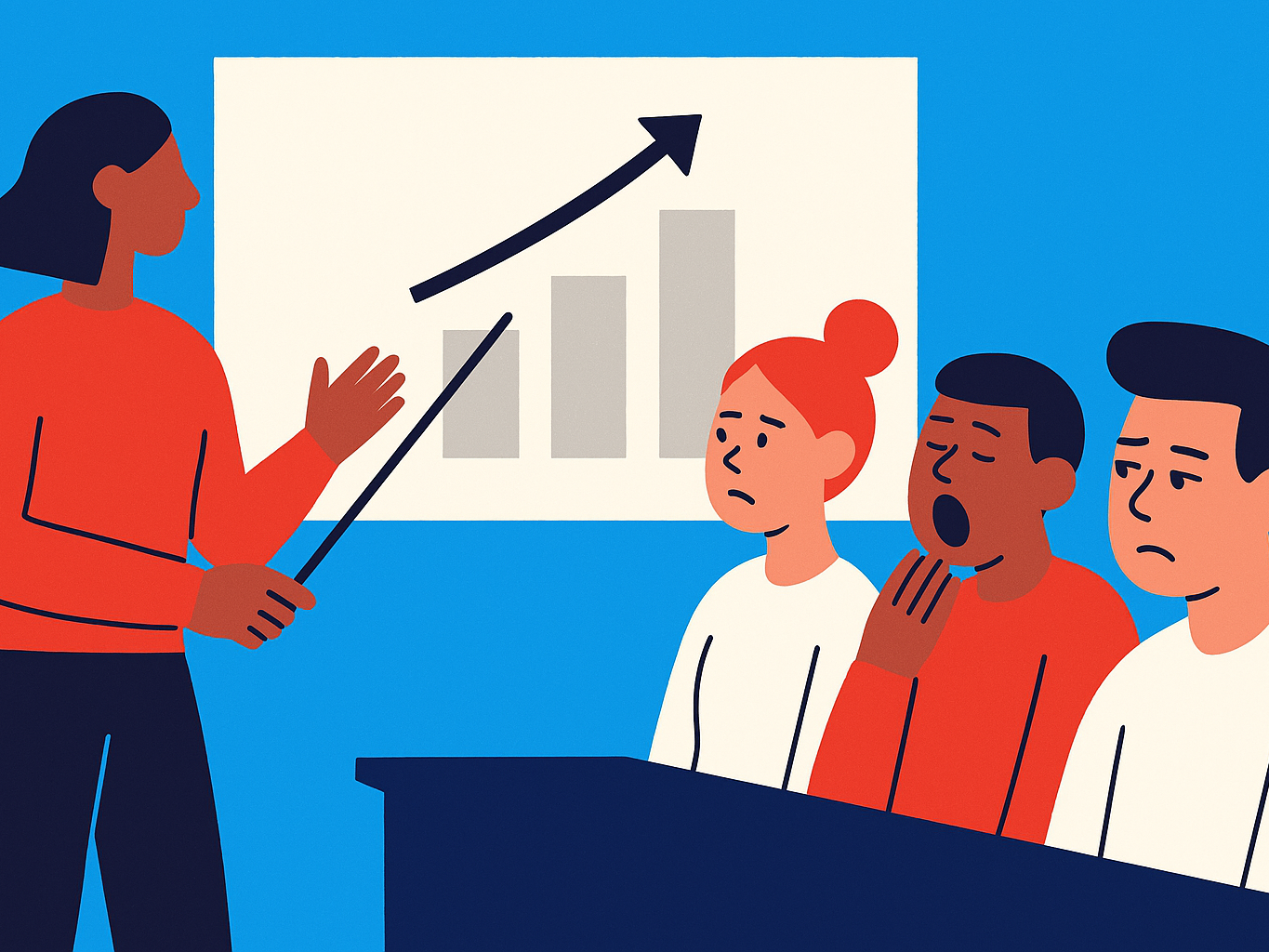
Skills lessons that skip the why fall flat because teenagers respond to respect and purpose more than to instruction alone. Yeager, Dahl, and Dweck examined why school-based interventions "work reasonably well for children but less so for middle adolescents," and proposed that they fail when they ignore teens' stronger desire to feel respected and be given status. The interventions that work, they argue, either harness that desire, treat adolescents more respectfully, or reduce threats to status (Yeager, Dahl, and Dweck, 2018). That is a hypothesis and not a settled law, but it fits what many teachers see.
Purpose also changes behavior in controlled studies. In a second study within a four-part paper, a brief exercise on a prosocial purpose for learning raised STEM grades by about 0.2 grade points among lower-performing ninth graders (N=338), and in a separate experiment, college students given a purpose completed 36% more boring math problems in the second block (Yeager et al., 2014). Those studies tested academic self-regulation, not Boost, so we cite them as support for the logic, not as proof of our results.
What Does Boost 101 Cover?
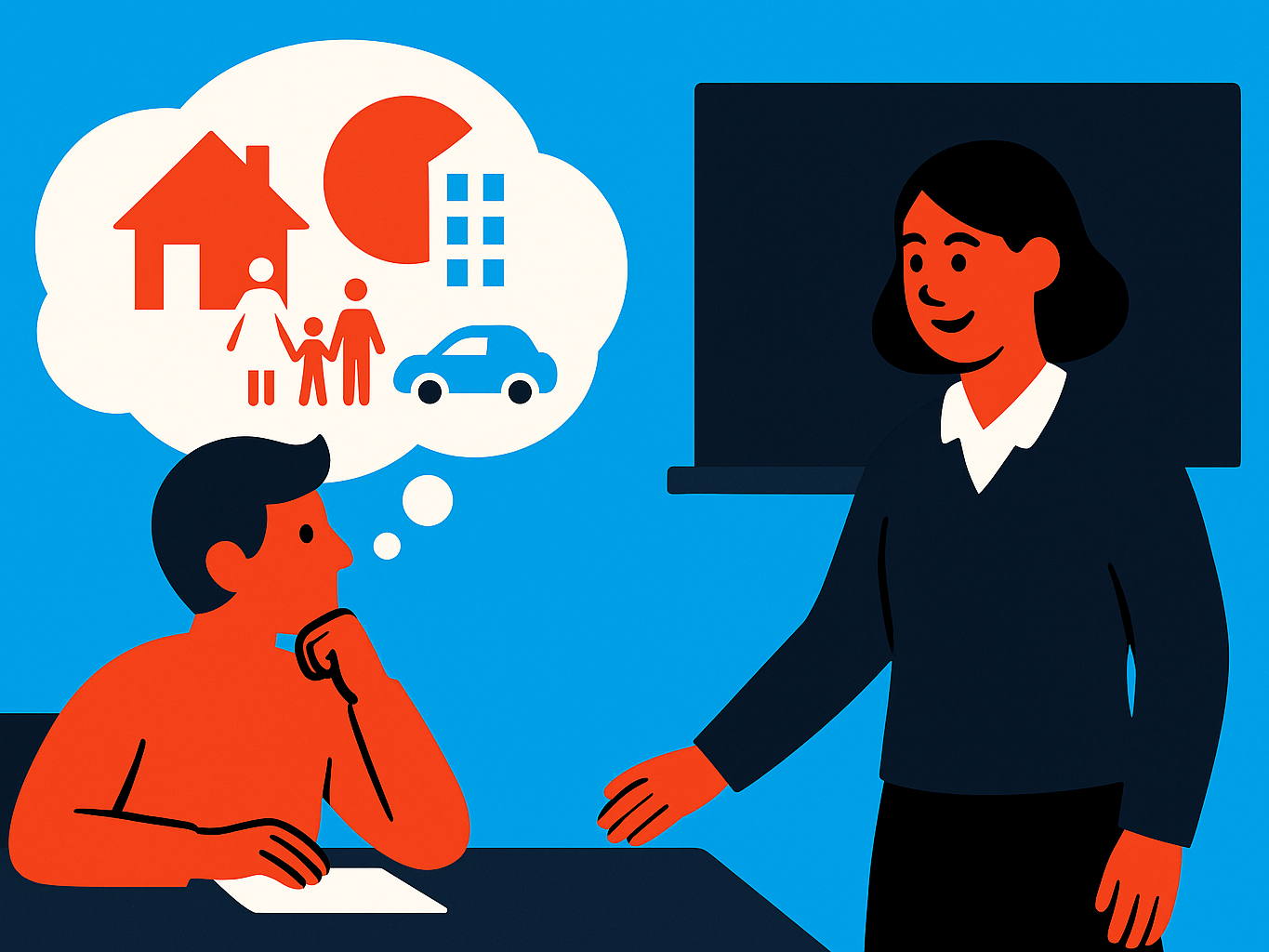
Boost 101 covers the why: the idea that life is skill-based, and that the skills behind relationships, respect, and a career are learnable. Before teaching a single skill, we ask every student to picture the life they want, then show that every version of that picture needs the same skills [Internal: Boost Bible]. That is the hook, and it is also the argument. If life is skill-based, then effort becomes a choice instead of a verdict. We unpack the idea in what "life is skill-based" actually means.
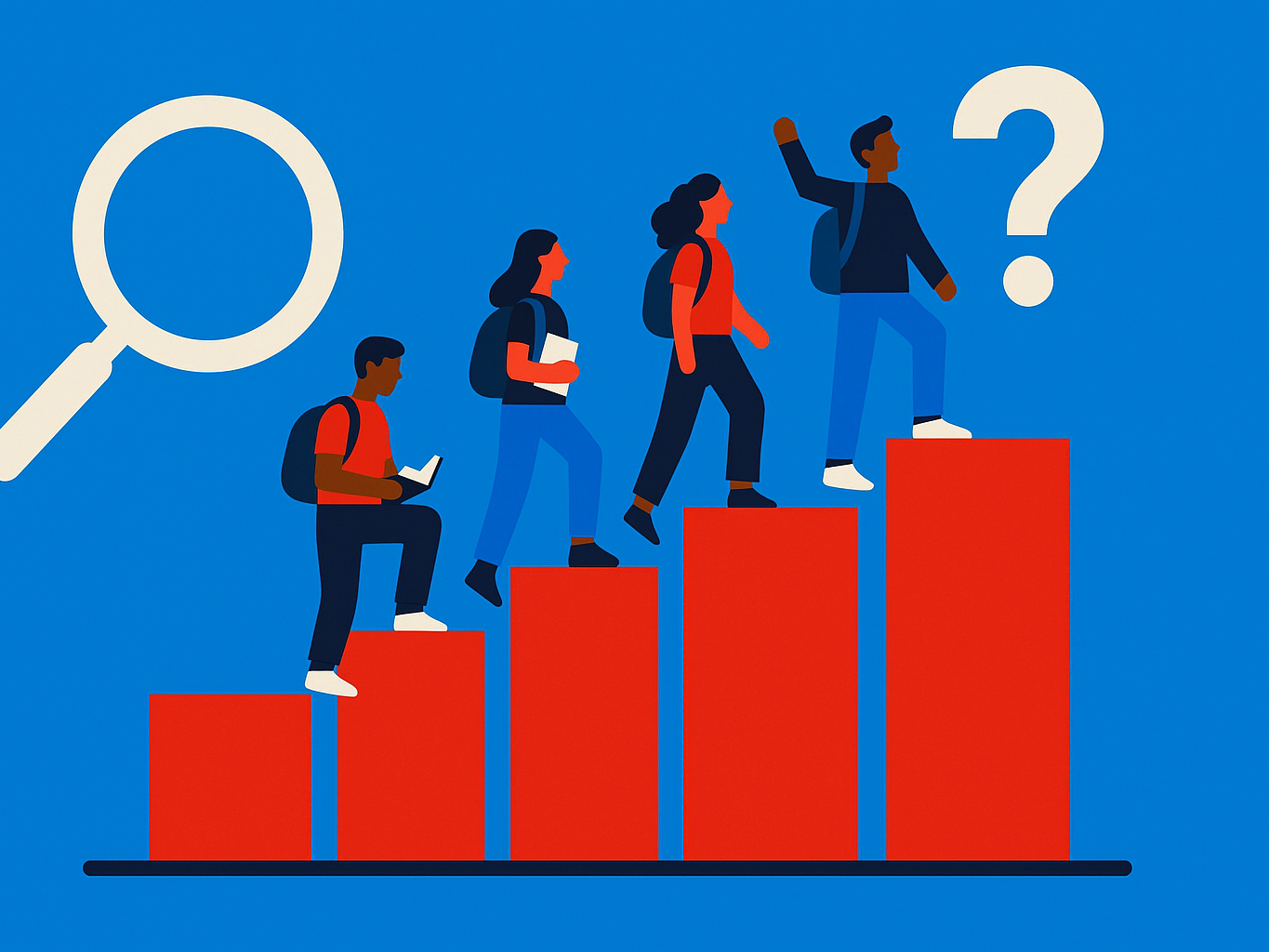
The why also organizes the skills. They sit in three groups, People Skills, Character, and Healthy Mindset, like three legs of a stool, so students see how the 26 Boost Skills fit together and why a weak leg makes the whole stool unstable [Internal: Boost Program Research Paper]. Students learn the foundational skills first, like greeting someone, eye contact, and listening, in the same way basic math comes before algebra.
What Does Boost 201 Cover?
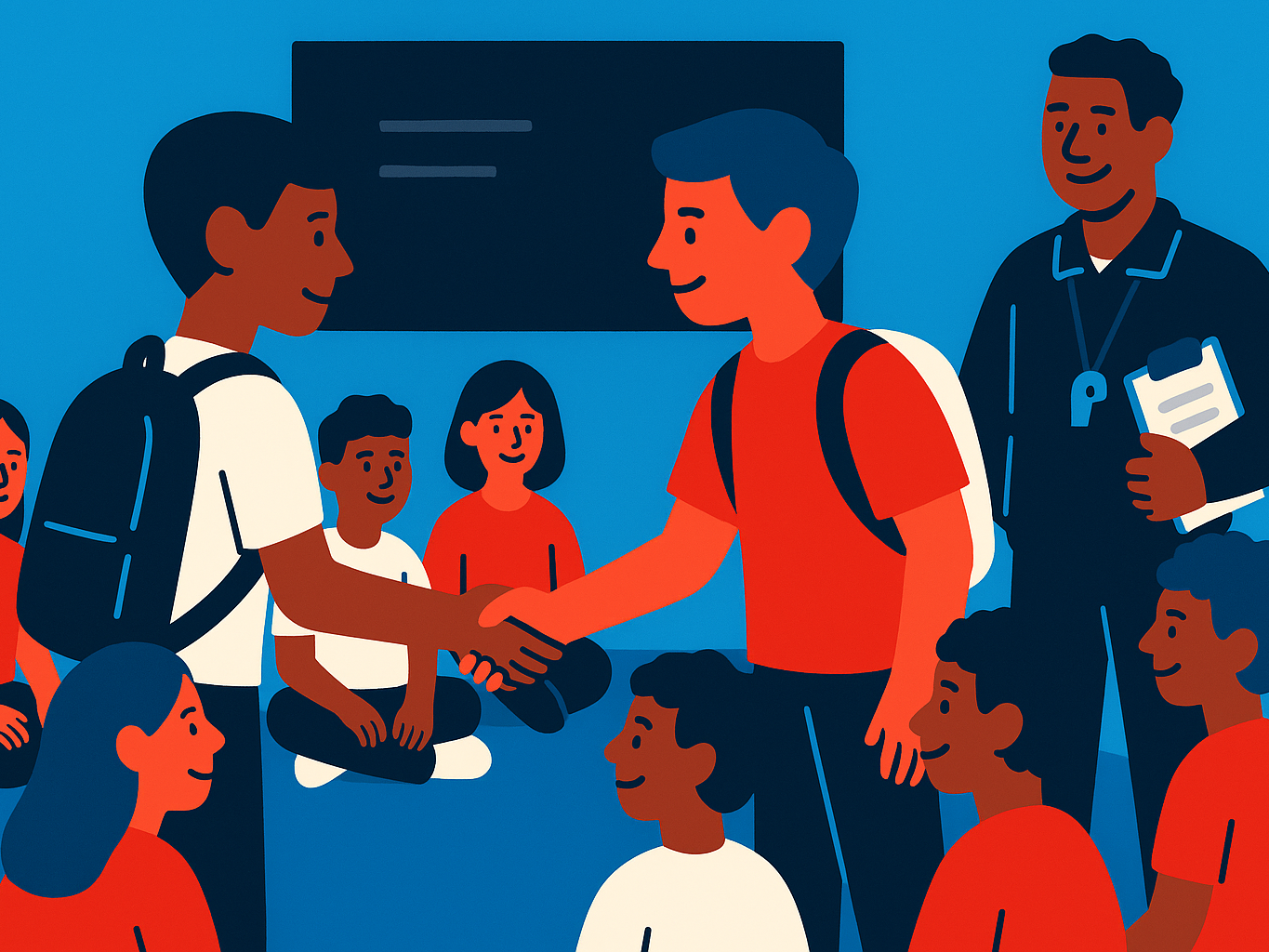
Boost 201 covers the practice: turning a skill students believe in into a behavior they can do. Our materials describe a mix of video, discussion, worksheets, role-play, and reflection, and role-play is especially important for people skills such as greeting someone, asking questions, and listening [Internal: Boost Program Research Paper]. Students also take the "Striving to 100" self-assessment at the start and end, so growth has a baseline.
The research on teaching social and emotional skills points the same way. A meta-analysis of 213 school-based programs and 270,034 students found that programs using four practices, sequenced, active, focused, and explicit, produced significant effects on all six outcomes, whereas programs not coded that way achieved significant effects in only three (Durlak et al., Child Development). In plain terms, practice that is organized and hands-on matters. Our own students ask for more of it: the one consistent suggestion in their feedback is more role plays and more time [Internal: Boost Bible].

What Does a Sample Lesson Look Like?
A sample lesson moves from why to practice inside one topic. Take our "You vs. Your Phone" week [Internal: Boost Brand Bible v2].
The why. Students learn how notifications, infinite scrolling, and autoplay are designed to hold attention, and how phones affect sleep, focus, and conversation [Internal: Master Spreadsheet of Content]. The lesson ties back to the goal-setting and distraction ideas from earlier weeks, so sleep and focus read as tools for the life students want, not as adult complaints.
The practice. Students track their own screen time on a worksheet, then build a personal phone-control plan. The plan might include charging the phone outside the bedroom or putting it away during focus time and keeping a short log of whether the goal was met and how it felt [Internal: Master Spreadsheet of Content]. Returning to the log each day gives the plan built-in repetition. We describe the related approach in inside the Boost formula.
What Do Schools Notice in Student Behavior?
What we can say with confidence is limited, and we would rather tell you that than overstate it. In a pilot of about 30 students, the self-reported answer to one question moved from 20% choosing "Absolutely" on day one to 87% on the last day: "After the Boost sessions I now feel more than ever that there is a set of specific skills that allows me to obtain all I want in life" [Internal: Boost Bible]. That is the program's primary intended outcome, understanding that life is skill-based, measured by self-report in a small group. It is not proof of behavior change.
Adult observers have said encouraging things. Hiring managers in our mock interview program told us, "These students were better than most of the real interviews we do" [Internal: Boost Bible]. It is a quote, not a study. Boost has not yet been evaluated by independent researchers, and the broader SEL literature suggests effects can fade over time; one summary notes they "tended to fade to some extent over time" while remaining meaningful, particularly for academic performance (Kappan). Measure your own results.
How Can You Adopt the Why-First Approach in Your Building?
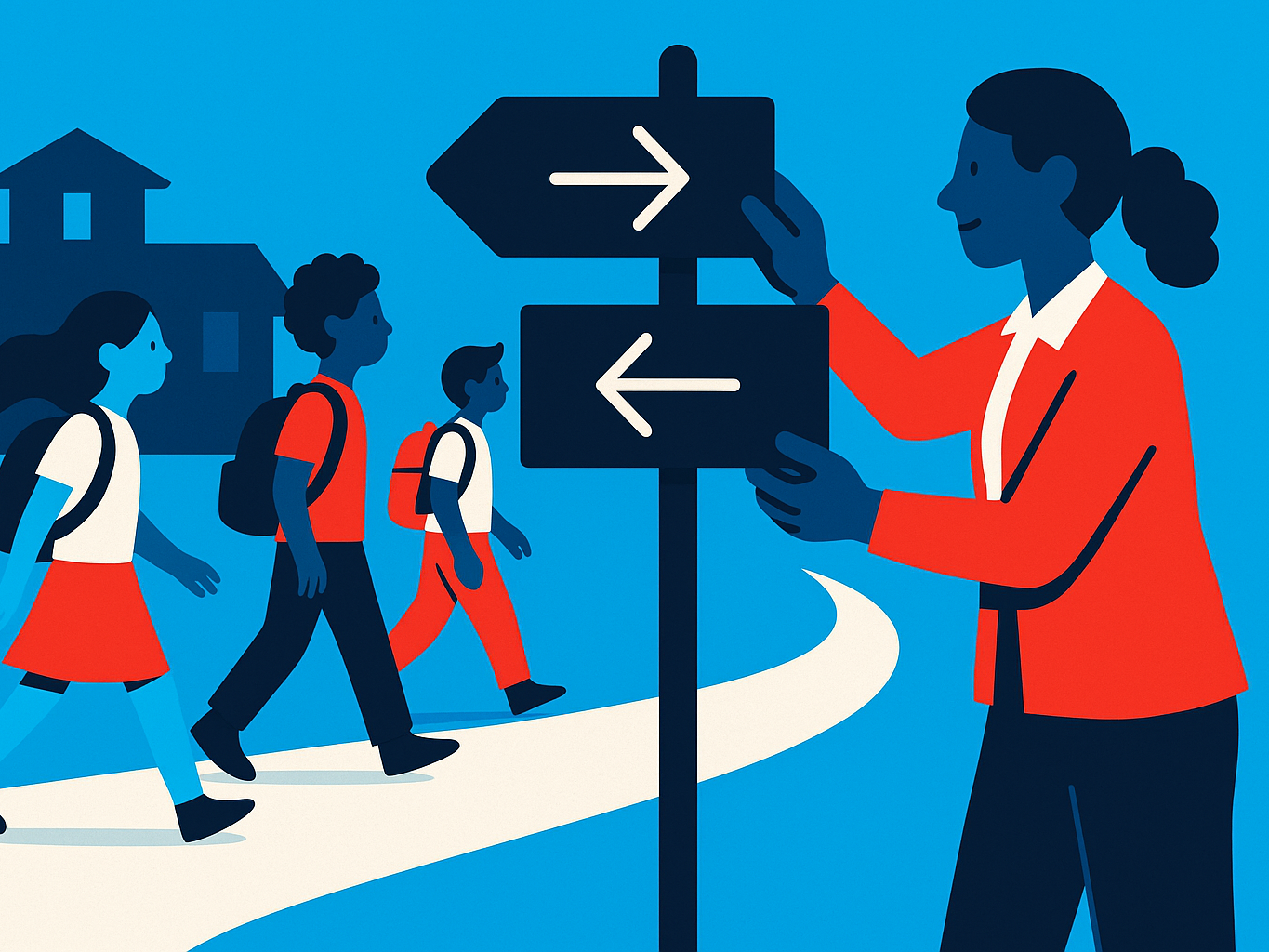
You can adopt a why-first approach with any skills program by changing the order of what you teach. Start each unit by asking students what they want, and show how the skill connects to it. Then give them structured practice with feedback, in short repetitions. Our guide to improving soft skills in high school students describes the same shift, from lecture to framework.
If you would like to see how 101 and 201 fit into an 8-week curriculum that teaches 26 Boost Skills, led by certified Boost coaches or trained staff, you can schedule a discovery call and bring your questions.

Frequently Asked Questions
What Are 101 and 201 in Boost?
101 is the why: students learn that life is skill-based and connect each skill to the life they want. 201 is the practice: discussion, worksheets, role-play, and repetition.
Why Does the Order Matter for Teenagers?
Researchers argue that adolescents respond best to approaches that respect their desire for status and purpose. A brief purpose exercise raised grades for lower-performing ninth graders in one experiment, though that study tested academic tasks and not Boost.
What Results Does This Structure Support?
In a small pilot of about 30 students, 87% chose "Absolutely" on the last day versus 20% on day one for understanding that life is skill-based. It is self-reported and not independent evidence.
How Do You Motivate Teens to Learn Soft Skills?
Start with their own goals, show how the skill serves them, and then practice. Respect and a clear purpose do more work than a rule.
References
- Yeager, Dahl, and Dweck, Why Interventions to Influence Adolescent Behavior Often Fail but Could Succeed
- Yeager et al., Boring but Important: A Self-Transcendent Purpose for Learning Fosters Academic Self-Regulation
- Durlak et al., The Impact of Enhancing Students' Social and Emotional Learning
- Kappan, An update on social and emotional learning outcome research
- What "Life Is Skill-Based" Actually Means
- Inside the Boost Formula
- How to Improve Soft Skills in High School Students
Ready to bring Boost to your school?
Schedule a discovery call to see how the Boost curriculum fits your students.
Schedule a Discovery Call