Does the Label Matter? Choosing Language for Soft Skills Instruction Your Whole Community Will Back
- In a 2021 Fordham Institute survey of 2,000 K-12 parents, the strongest support went to a program called "Life Skills," while "Social-Emotional Learning" ranked second to last of 12 names, even though support for the underlying skills was broad.
- An EdWeek Research Center survey (2025) found 16% of educators say their school or district has tried a different name for SEL, and 46% still use the original name all the time.
- Experts quoted by EdWeek disagree on whether renaming works, and one warns that different words can leave a community "not communicating."
- The safest move for administrators is to describe the behaviors, test the wording with your own community, and use one bridge word consistently.
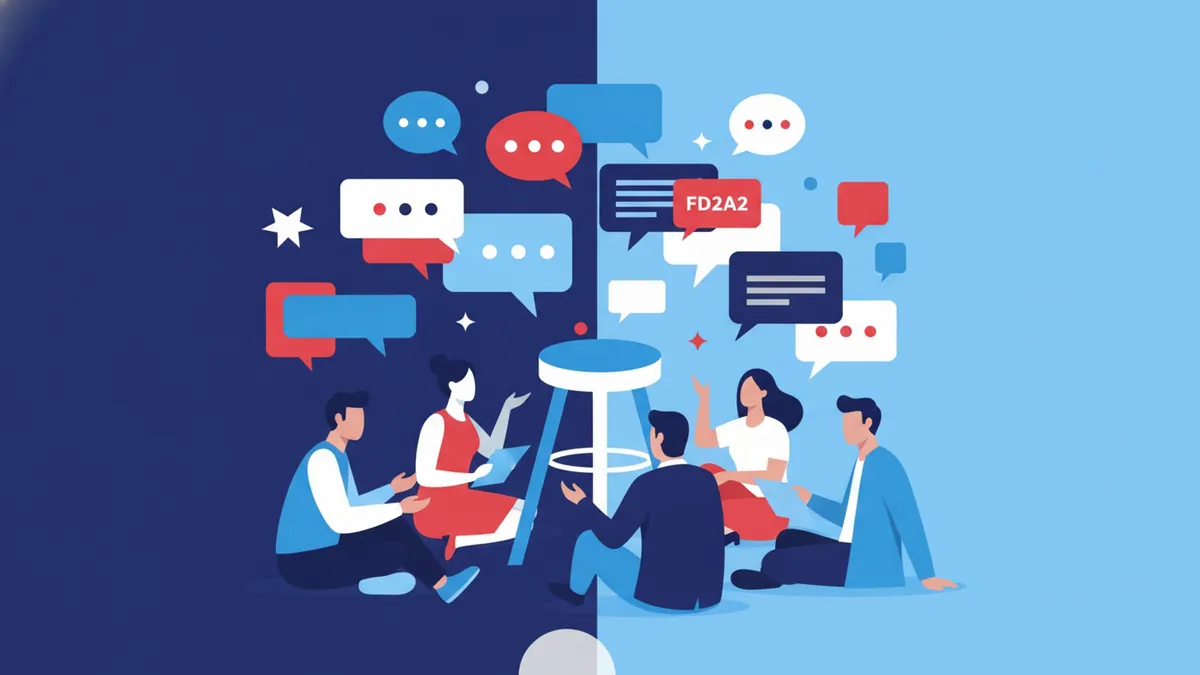
A board member hears "social-emotional" and pictures one thing. A parent hears "soft skills" and pictures something else. A local employer hears "workforce readiness" and nods. All three may want the same classroom outcomes and still end up in an argument about a label. This piece offers a practical, neutral approach to soft skills terminology your school community supports. We take no side in any debate about terms. Our aim is to help you describe what students will actually do, in words your own families and employers recognize, so the conversation stays on the skills.
Why Does the Label Change How a Program Is Received?
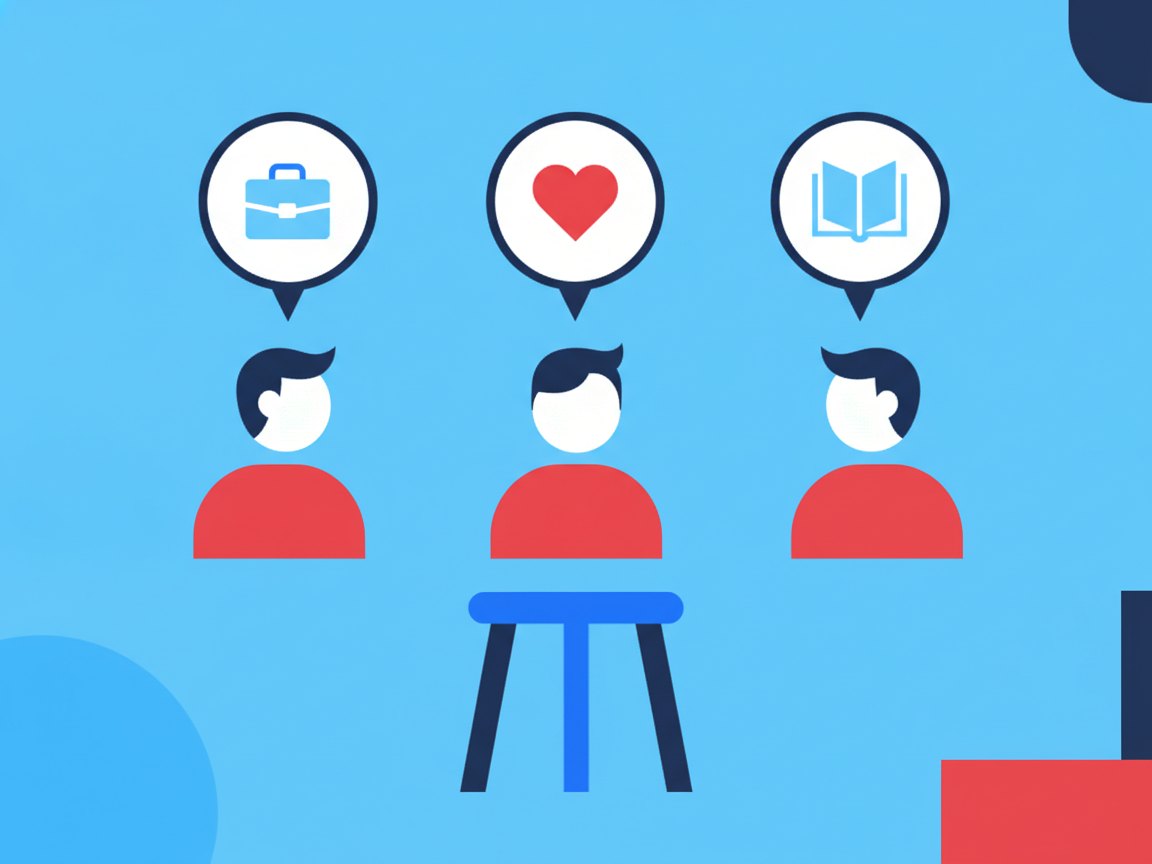
The label changes the reception because people attach their own meanings to a term before they learn what the program teaches. Fordham's survey of parents found "broad support among parents for teaching SEL-related skills in schools, although the term 'social and emotional learning' is relatively unpopular" (Fordham Institute). All nine skills the survey asked about drew support from more than three-fourths of parents. The name did worse than the content.
Learning Policy Institute authors Sheldon Berman and Linda Darling-Hammond reached a similar view: "when SEL-related programs are described without jargon, support soars on both sides of the aisle" (Learning Policy Institute). The pattern is consistent across both sources. People support the skills and react to the word. One caution: the Fordham survey is from 2021 and asked about parents of K-12 students, so check the findings against your own community before assuming they hold.
What Does Each Term Tend to Signal?
Each term tends to signal a different frame, and which frame lands depends on who is listening. These descriptions are our read, not survey results, so test them locally.
- Social-emotional learning (SEL): signals a school-wide approach to student development. Familiar to educators, but not always to families.
- Character education: signals values and conduct. Some families find this the most natural phrase.
- Life skills: signals practical, everyday competence. It was the top-ranked name in the Fordham survey.
- Soft skills: signals the workplace and what employers ask for. In the same Fordham survey it ranked lowest among parents, per EdWeek's reading of the results (EdWeek).
- Workforce readiness: signals jobs and careers. It resonates with employers and may feel narrow to some parents.
Schools are already using several of these names. In EdWeek's 2025 survey, 27% of respondents said their schools use alternative terms for SEL, most commonly "character education," then "life skills" and "communication skills," and 16% said their school or district had tried a different name to limit controversy (EdWeek). Our comparison of character education versus SEL covers how the terms differ in practice.
How Can You Describe Soft Skills by Behavior Instead of Label?
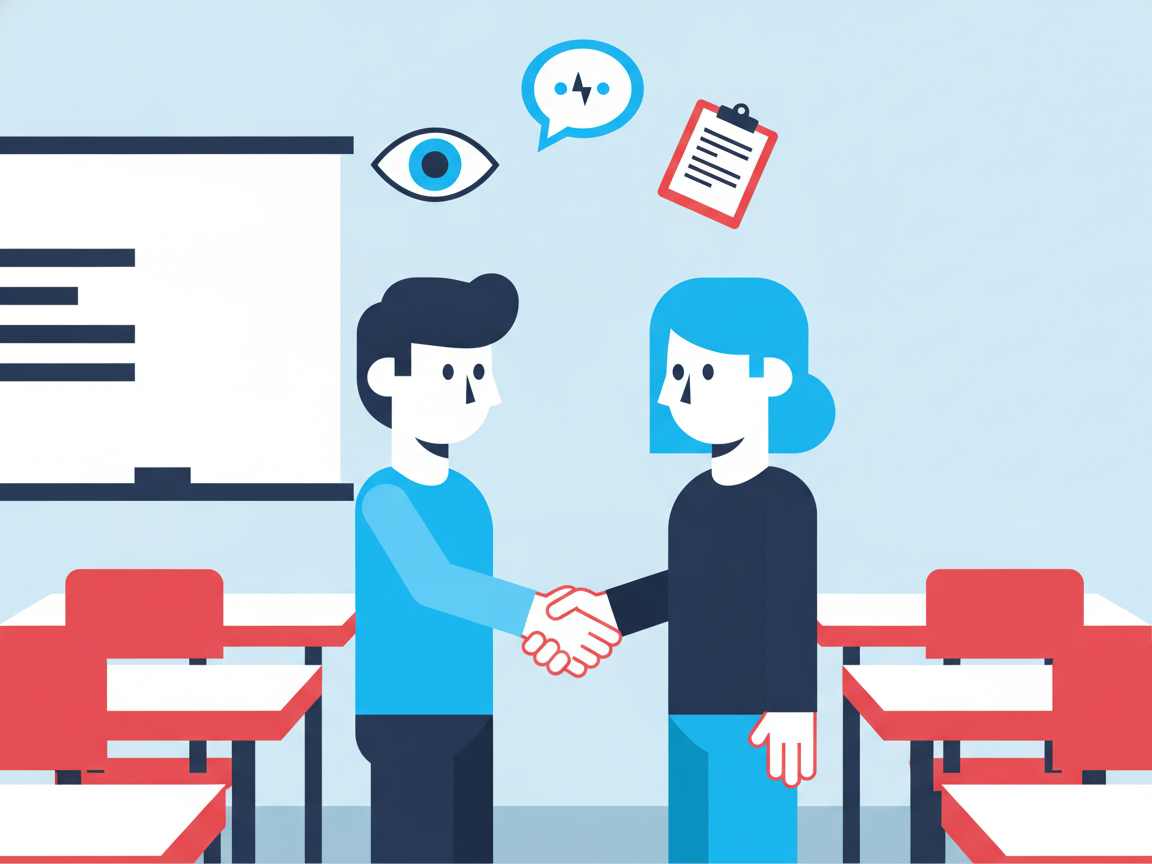
Describe the observable behavior a student will practice, and the label matters much less. The Fordham foreword advises to "discuss it concretely," and its policy section recommends using plain language and focusing on specifics over the abstract. Compare two descriptions. "We teach social-emotional competencies" asks the listener to decode a phrase. "Students practice starting a conversation, making eye contact, listening without interrupting, apologizing quickly, and setting goals with action steps" lets anyone picture a classroom.
That is how we write about our own program. The Boost curriculum teaches 26 named skills, and each is a behavior: Eye Contact, Learn and Use Names, Listening and Asking Questions, Honesty and Integrity, Apologize Quickly and Sincerely, Goal Setting, and so on [Internal: Boost Brand Bible]. A named list answers the question "what will my child actually do?" better than any umbrella term can. It also keeps the program grounded in principles many groups already value, such as responsibility, respect, and resilience, and not in a camp.
How Do You Test Language With Your Community?
Test language by showing real people your description and asking what they expect to see in the classroom. Try this in four short steps:
- Write your program in one plain sentence built from behaviors.
- Share it with five to ten people across your community: a parent, a teacher, a board member, a local employer, and a student.
- Ask each person to describe, in their own words, what a student would be doing during class.
- Keep wording that produces matching answers, and fix wording that does not.
Experts caution that renaming alone is not a fix. Rebecca Jacobsen of Michigan State University called renaming "a really good short-term strategy" in heated disputes, though effectiveness depends on whether scrutiny continues, and she warned that it "doesn't get to the heart of what do schools need to be doing to shore up trust." Former superintendent Genevra Walters used "soft skills" and "work skills" with business and community leaders, and acknowledged the downside: "Because of the feelings around different words, we're not communicating" (EdWeek). The lesson is to be transparent about content while using words your audience understands. Our guide to getting administrator and board buy-in offers more on meeting preparation.
What Talking Points Work at Board Meetings, and Why Do We Say Soft Skills?
Lead with the behaviors, name the shared goal, and keep one word steady. Three talking points travel well. First, "Students will practice specific behaviors, such as starting a conversation and handling a setback." Second, "These are skills families, teachers, and employers all say they want." Third, "Here is exactly what a session looks like," followed by a sample lesson. Invite questions and show the materials.
We use "soft skills" as a bridge word, and we want to be open about why. Employers and administrators already search for it, and it gets a conversation started. Our own line is that some call them soft skills, others call them life skills, schools call them social-emotional skills, and we call them Boost Skills. Whatever you call them, they are the skills worth teaching high schoolers [Internal: Boost Messaging and Copy Bank]. We are not claiming "soft skills" is the best label for every audience, since parents ranked it low in the Fordham data. We use it as an on-ramp, then move quickly to the named skills. Boost is an 8-week course delivered by certified Boost coaches or trained staff, and it is not therapy. If you want help choosing language for your own board, you can schedule a discovery call. Our piece on soft skills versus hard skills is a useful companion.
Frequently Asked Questions
Why Does the Label Change How a Program Is Received?
People bring their own associations to a term before they see the content. Fordham found broad support for the skills themselves but low enthusiasm for the name "social and emotional learning."
How Can We Describe Skills in Behavior Terms?
Name what students will do: start a conversation, listen without interrupting, apologize sincerely, set a goal with action steps. Fordham's advice is to discuss it concretely and use plain language.
What Language Builds Broad Support?
Plain, specific descriptions tend to travel best. The Learning Policy Institute notes that support rises on both sides when programs are described without jargon, and "life skills" was the top-ranked name among parents in Fordham's 2021 survey.
Should We Rename Our Program?
It depends on your community. Experts cited by EdWeek call renaming a possible short-term step but not a substitute for building trust, so pair any new name with clear, open descriptions of what students will do.
References
- Fordham Institute, How to Sell SEL: Parents and the Politics of Social-Emotional Learning
- Learning Policy Institute, Communicating the Learning in Social-Emotional Learning
- EdWeek, Parents Like Social-Emotional Learning, But Not the Name
- EdWeek, SEL by Another Name? Political Pushback Prompts Rebranding
- Character Education vs. SEL: What's the Difference, and What Should Parents Ask For?
- How to Get Administrator and Board Buy-In for a Life Skills Program
- Soft Skills vs. Hard Skills: The Distinction That's Holding Schools Back
Ready to bring Boost to your school?
Schedule a discovery call to see how the Boost curriculum fits your students.
Schedule a Discovery Call