Why Schools Struggle to Teach Integrity, and What Works Instead
- A 2018 survey of 16,054 students at 15 high-performing high schools found that 79% had cheated in some way in the past month, according to Challenge Success.
- A large replication of a famous "moral reminder" experiment, with 4,674 participants across 19 labs, found no significant effect on cheating.
- A meta-analysis of character education found a small but significant average effect (g = 0.33) with large differences between programs, so what you do matters more than whether you do something.
- Integrity becomes teachable when it is described as observable behavior, practiced in scenarios, and modeled by adults.
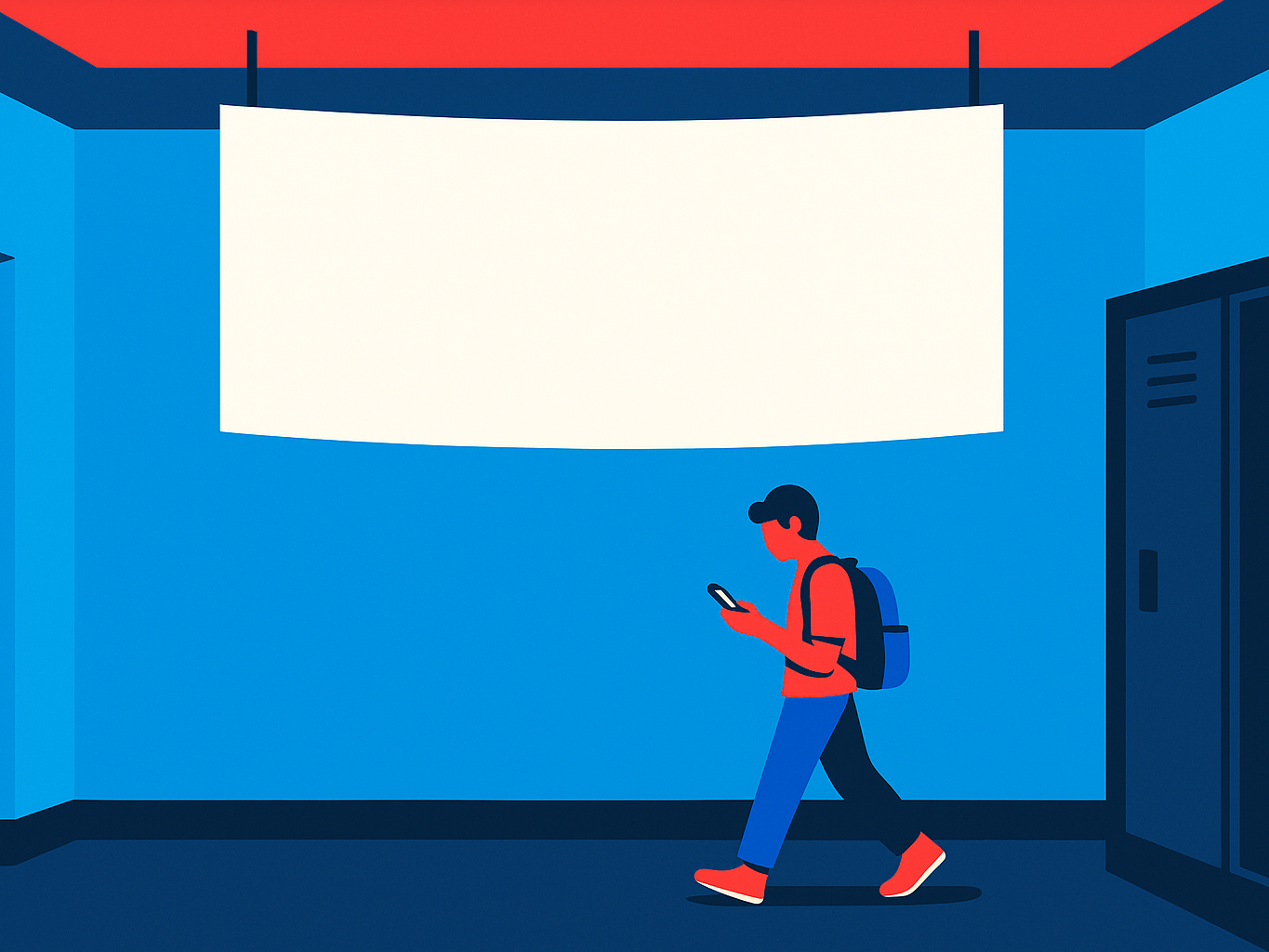
Picture a hallway with a banner that says INTEGRITY in block letters. Downstairs, a sophomore is deciding whether to text a friend a photo of last night's homework. The banner has been up for three years and he has walked past it more than a thousand times. If you have ever wondered why teaching integrity and honesty in schools often feels like talking to a wall, the evidence has an uncomfortable answer: slogans are cheap, and behavior takes practice. Here is what the research says, and what works instead.
Why Character Slogans Rarely Change Behavior
Slogans rarely change behavior because knowing the right answer was never the hard part. Students already know cheating is wrong. In Stanford researcher Denise Pope's words, "they know cheating is wrong, but they don't want to let their family down by bringing home a low grade" (Stanford Graduate School of Education). The gap is between what a student believes and what he does under pressure.
Researchers have tested the simplest form of a slogan, the moral reminder. A 2008 experiment reported that people reminded of the Ten Commandments cheated less. When 19 labs tried to reproduce it with 4,674 participants, they found no significant effect. Reminded participants "reported solving about 0.11 more problems than their peers who listed books," and one lead researcher said we "need to consider the possibility that the effect does not exist" (Association for Psychological Science). That is one tactic in one lab setting, but it is a useful warning against betting a whole program on a poster.
The pressure is real. In Challenge Success's 2018 survey of 16,054 students at 15 high-performing high schools, 79% said they had cheated in some way in the past month, and 80% felt "quite a bit" or "a lot" of pressure to do well in school (Challenge Success). Stanford researchers report that 60 to 70 percent of students engage in at least one cheating behavior in a given month, a rate that has stayed stable since ChatGPT arrived (Stanford Graduate School of Education). These are different samples, so do not compare them directly.

What Integrity Looks Like as Observable Behavior
Integrity becomes teachable when you describe it as something a student can be seen doing. "Be honest" is a hope. "Tell the truth when it costs you something" is closer, but a student still cannot rehearse it. We use the phrase the Character Gap for the space between who students say they want to be and what they actually do [Internal: Boost Brand Bible v2], and the work of a school is to shrink it with specific behaviors.
Here are examples a staff team could agree on. Admitting a mistake before someone else finds it. Saying "no" to a friend who asks to copy your work, and doing it kindly. Returning something that is not yours. Owning up when you are late instead of inventing a reason. Each is concrete, each is observable, and each is something a student can practice.
We do not frame students who fail at these as broken. They are untaught. Most have never been shown how to turn down a friend without losing the friendship, and "just do the right thing" does not tell them how. Our post on why character cannot be taught through punishment goes deeper on that point.
Practice Scenarios Students Can Run in Class
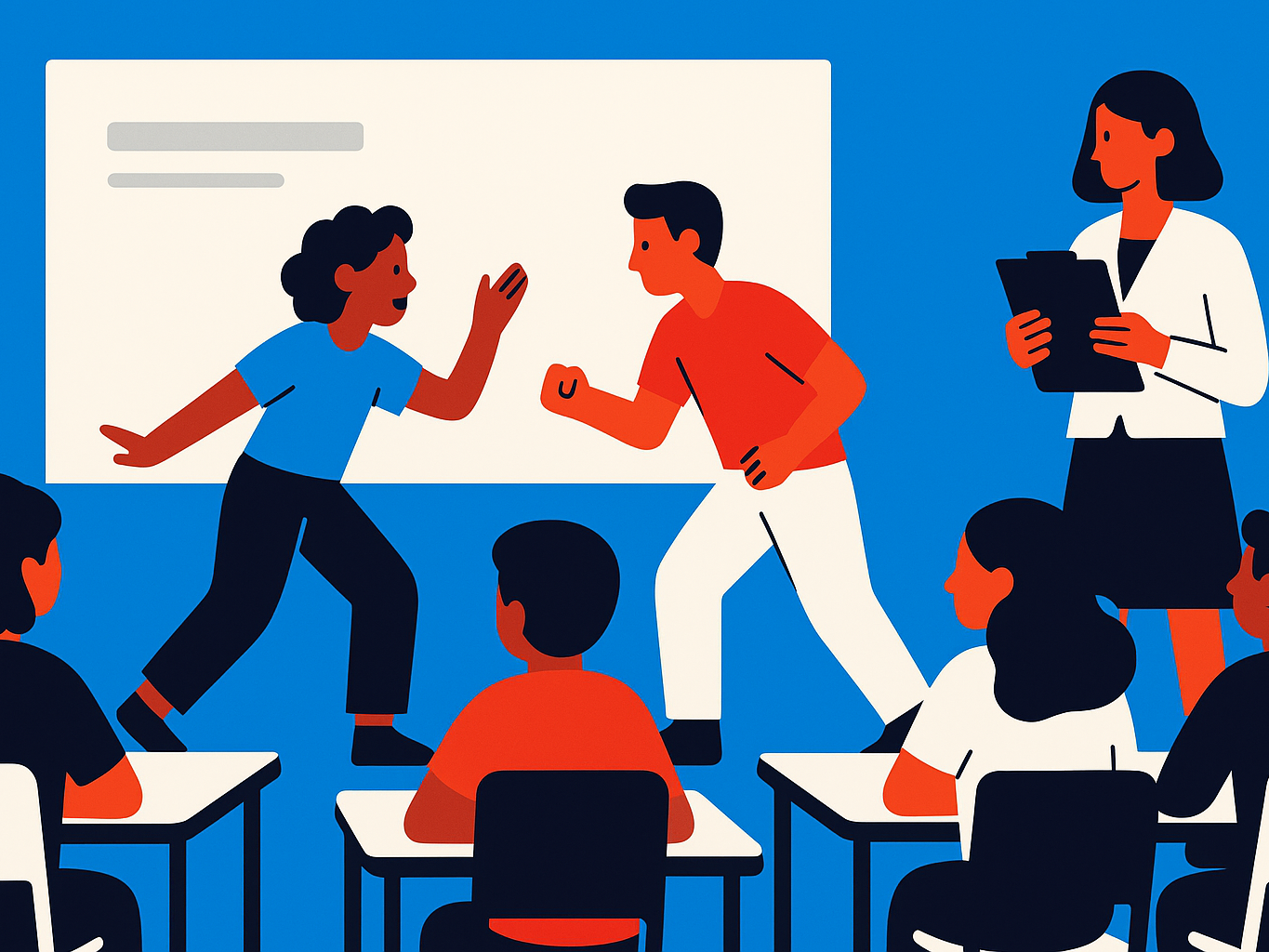
Students build integrity by rehearsing hard moments in a safe setting, before the real one arrives. The Boost approach relies on discussion, role-play, and reflection instead of lectures [Internal: Boost Program Research Paper], and the same format works for any teacher.
Try a four-step routine. Set up a short scenario, such as a classmate who asks to see your answers before a quiz. Have two students act it out while the rest watch. Pause and ask what each person wanted, what it would cost to tell the truth, and what a good response sounds like. Then run it again with the better response, and let a different pair try it.
Keep the scenarios close to students' lives: group projects, group chats, sports, a part-time job. The goal is not a perfect script. The goal is the first sentence, because the first sentence is usually where students freeze. A student who has said "I am not comfortable doing that, but I can help you study" out loud once is far more likely to say it when it matters.
To see how Boost turns skills into repeated practice, read how we turn 26 skills into behavior change.
How Adults Model Integrity and Handle Lapses Without Shaming
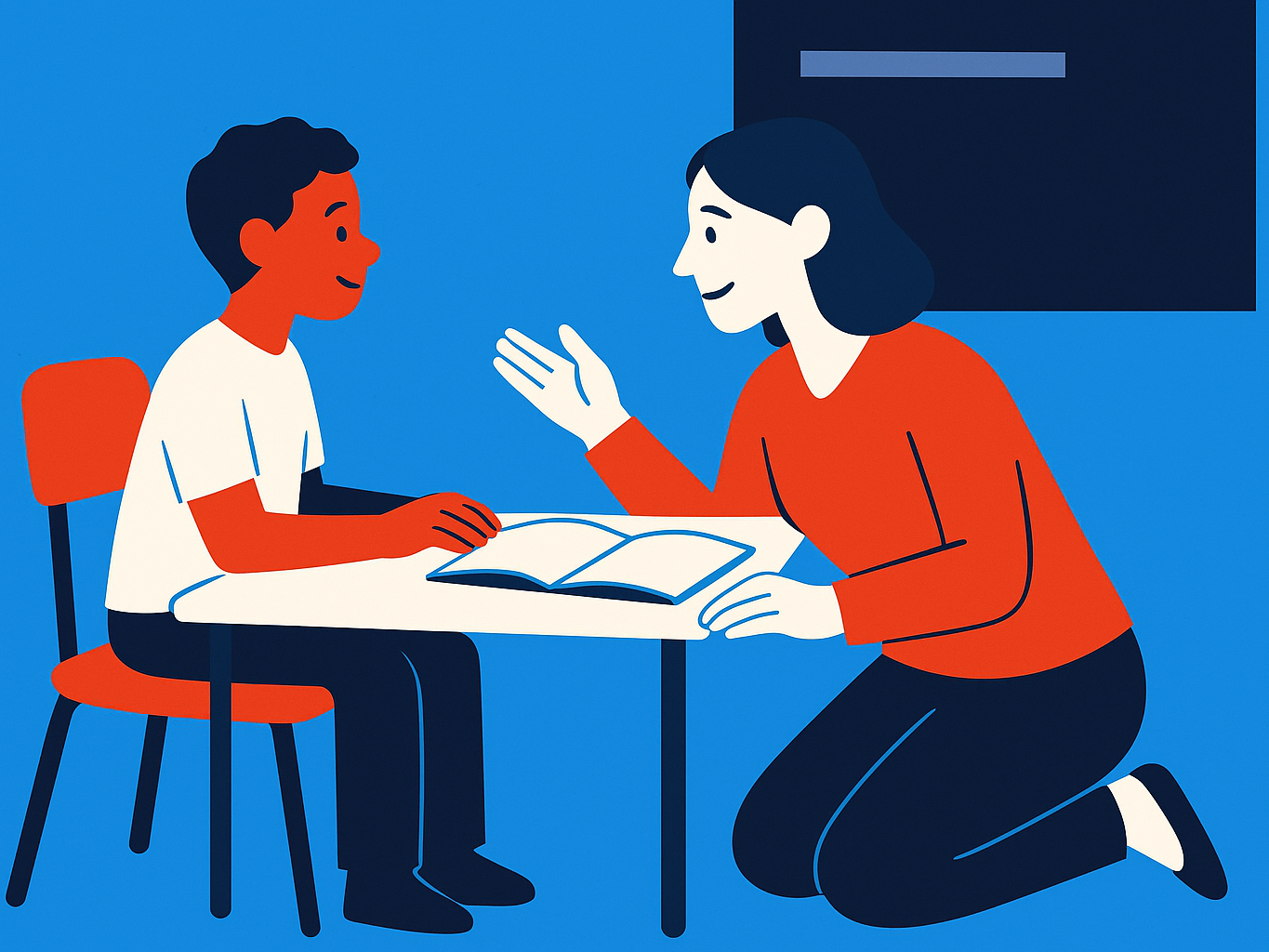
Adults model integrity every day, and students notice when the adults do not. Pope puts it directly: "When students feel respected and valued, they're more likely to engage in learning and act with integrity" (Stanford Graduate School of Education). Challenge Success recommends that schools "Establish a climate of care" where it is evident the teacher cares about student progress and understanding (Challenge Success).
Practically, that means staff say "I was wrong" in front of students, grade the way they said they would, and keep promises about deadlines. A school that preaches honesty while giving inconsistent consequences teaches students that the rules are negotiable.
When a student lapses, separate the act from the person. Name what happened, apply the consequence you already told everyone about, and then ask what he would do differently. In our curriculum, character includes the skill of apologizing quickly and sincerely [Internal: Boost Brand Bible v2], and an apology is far easier to give when the adult in front of him is not performing disappointment. Shame teaches students to hide, and hiding is the opposite of honesty.
One more caution, from the character education literature. A 2022 meta-analysis of 64 studies and 96,930 participants found a small but statistically significant average effect (g = 0.33) and "substantial heterogeneity of effects across studies" (Johnson et al., Journal of Character Education). Character programs help on average, and some help much more than others.
How Boost Frames Integrity as a Skill
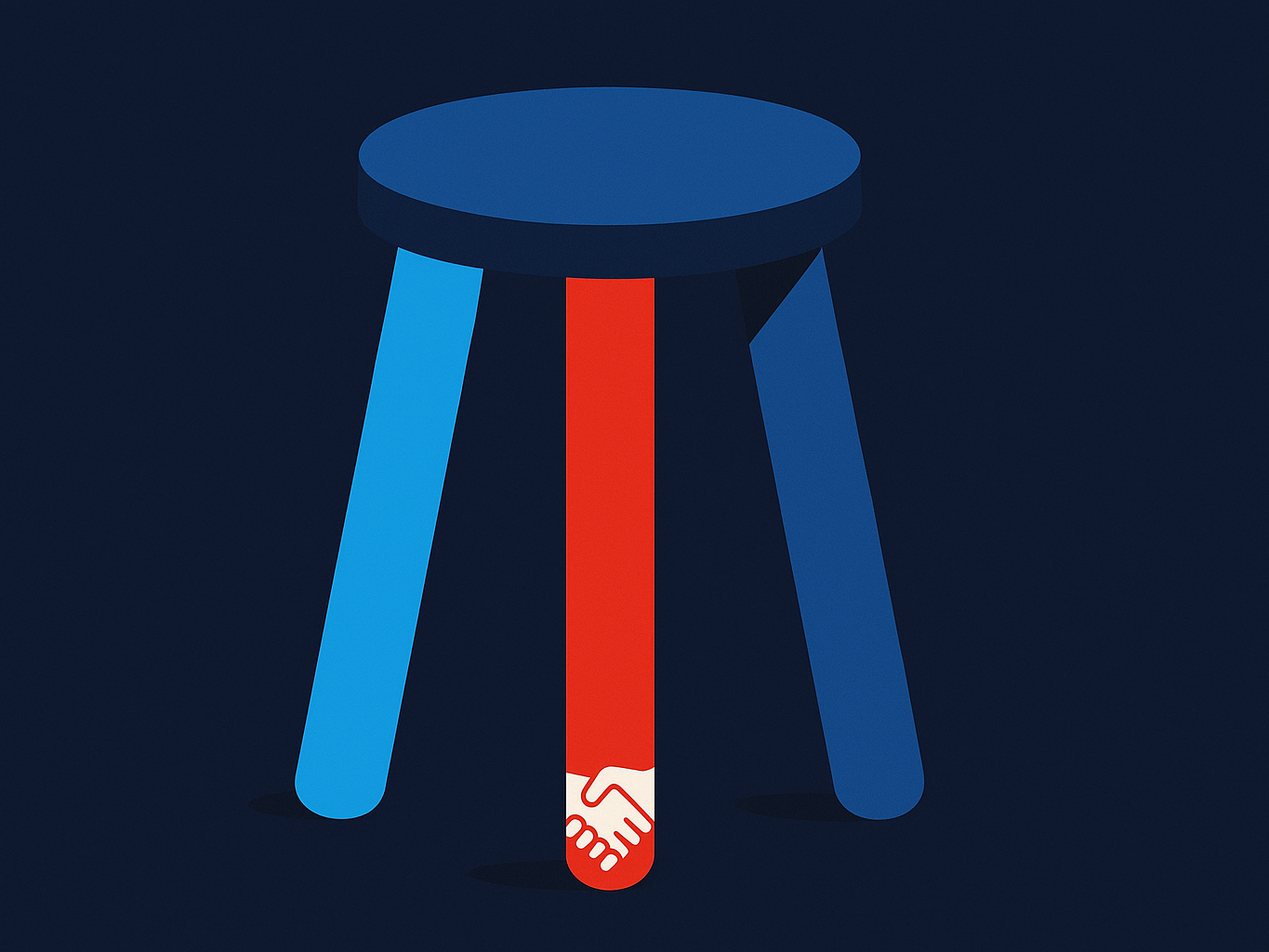
We teach Honesty and Integrity as one of the eight skills in the Character pillar of the Boost curriculum, alongside empathy, humility, kindness, and sincere apologies [Internal: Boost Brand Bible v2]. Character is the second of three pillars, next to People Skills and Healthy Mindset, and week 3 of the 8-week course, "Skills That Earn Respect," is where students work on it [Internal: Boost Brand Bible v2].
The framing matters. Boost starts from the idea that life is skill-based: the things that decide whether you thrive are learnable skills, not fixed traits [Internal: Boost Brand Bible v2]. Integrity is not a personality type students either have or lack. It is something they can get better at with practice and coaching.
Boost has not been independently evaluated, and we will not pretend a slogan-to-skill shift is a guarantee. What we can say is that it replaces a poster with practice. If you want to see how that might look in your building, you can schedule a discovery call and talk it through with us.
Frequently Asked Questions
Why Do Character Slogans Rarely Change Behavior?
Students already know the right answer, and the pressure to do otherwise is high. A large replication of a well-known moral reminder study found no significant effect on cheating, so slogans alone are a weak bet.
How Can Integrity Be Practiced in a Classroom?
Use short role-play scenarios drawn from students' lives, such as a friend asking to copy homework. Let students act out the hard moment, discuss the cost of honesty, and try again with a better first sentence.
What Role Do Adults Play in Teaching Integrity?
A large one. Stanford's Denise Pope notes that students who feel respected and valued are more likely to act with integrity, so consistent, caring adult behavior matters.
How Should Schools Respond When a Student Cheats?
Separate the act from the person, apply the consequence you promised, and ask what the student will do differently. Shaming pushes students toward hiding the truth.
References
- Stanford Graduate School of Education: What Do AI Chatbots Really Mean for Students and Cheating?
- Association for Psychological Science: Replication Project Investigates Effect of Moral Reminders on Cheating Behavior
- Challenge Success: Insights Into How and Why Students Cheat at High-Performing Schools
- Johnson et al.: A Meta-Analysis of the What Works in Character Education Research
- Character Can't Be Taught Through Punishment: Here's What Actually Works
- Inside the Boost Formula: How We Turn 26 Skills Into Behavior Change
Ready to bring Boost to your school?
Schedule a discovery call to see how the Boost curriculum fits your students.
Schedule a Discovery Call