Character Can't Be Taught Through Punishment — Here's What Actually Works
- Punishment addresses the behavior in the moment. It does not build the skill that changes the behavior pattern. Schools that rely on punishment to shape character are confusing consequence with instruction.
- Character is learnable. Honesty, empathy, humility, kindness, and the ability to apologize sincerely are not fixed traits students either have or don't have. They are skills with specific, observable behaviors that can be taught and practiced.
- The students who show the least character in school are almost always the students who have had the least modeling and instruction. They are not broken. They are untaught.
- Effective character development requires the same things as any other skill curriculum: named skills, explicit instruction, structured practice, and enough repetition that new behaviors become defaults.
- The shift from "this student has a character problem" to "this student has a skill gap" changes what the school does next. One leads to more punishment. The other leads to more teaching.
Why Punishment Doesn't Build Character
Here's a common scenario. A student is caught lying to a teacher about a missing assignment. The consequence is a detention, a parent call, and a mark in their disciplinary record. The message delivered: dishonesty has costs.
What the student didn't receive: any instruction on what honesty looks like when it's hard, why it matters beyond avoiding punishment, or how to practice it under pressure.
The student now knows not to get caught. They don't know how to be honest. Those are different outcomes.
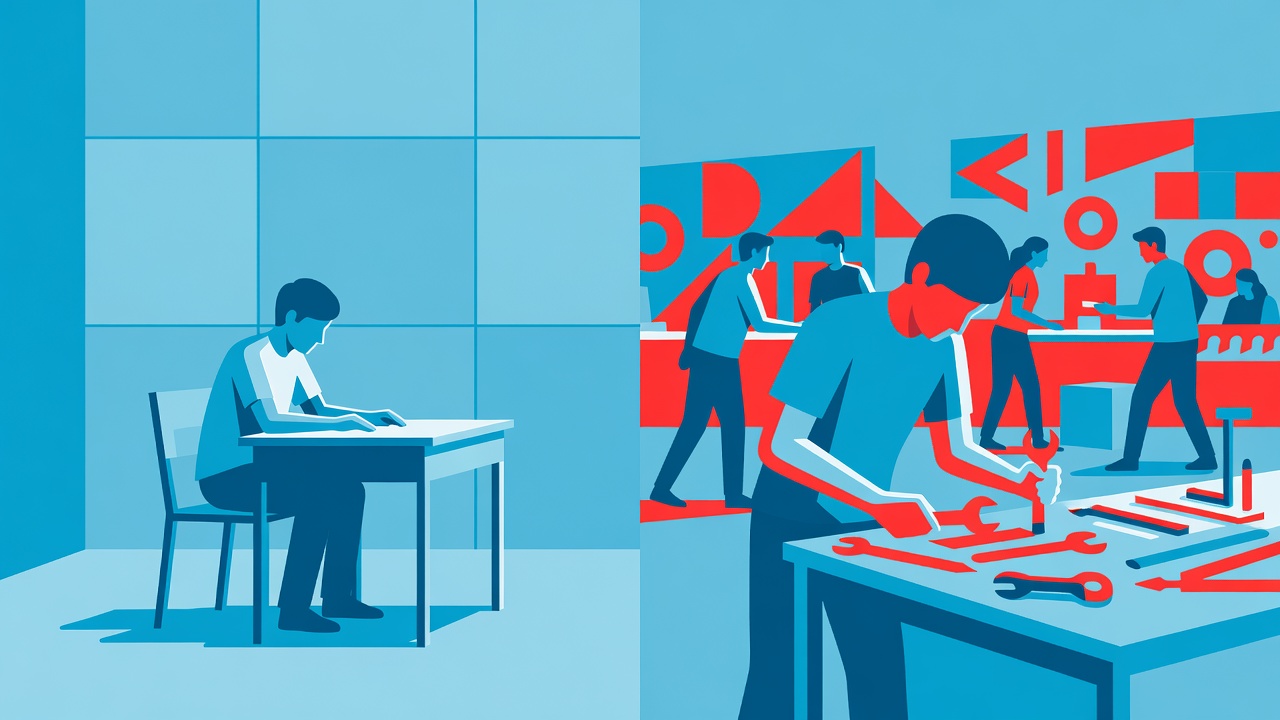
Punishment teaches students to avoid consequences. Instruction teaches students skills. Schools that conflate the two end up with students who are strategically compliant in supervised environments and unchanged everywhere else.
This is the central problem with most character education. It relies on rules and consequences to shape behavior without ever teaching the underlying capabilities those behaviors require.
What Character Skills Actually Look Like
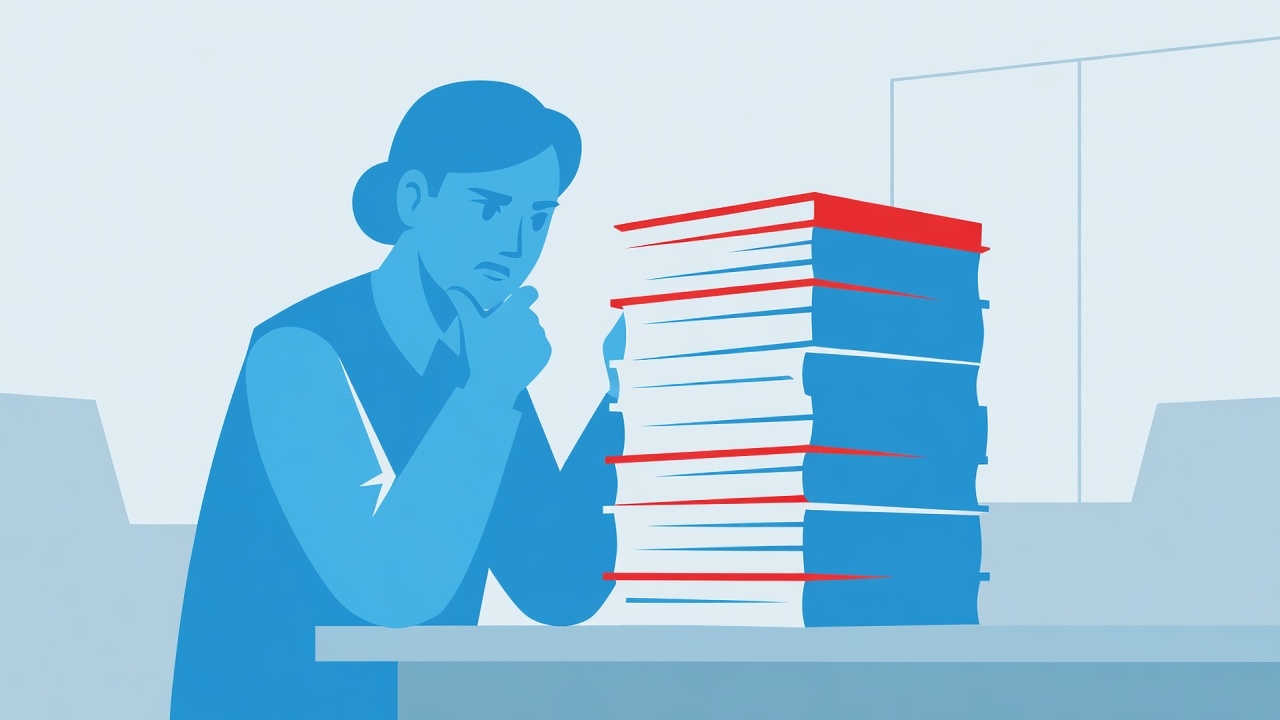
The Boost program includes five character skills. Each one is specific enough to teach and practice.
Honesty and Integrity. This isn't "don't lie." It's the ability to tell the truth when telling it is uncomfortable, when lying would be easier, and when the person you're telling it to might not want to hear it. Students practice the distinction between diplomatic honesty and dishonest diplomacy. One is a skill. The other is a character avoidance strategy.
Empathy. Empathy is not the same as sympathy. Sympathy feels what someone else feels from the outside. Empathy is the ability to genuinely understand someone else's experience from the inside, from their frame of reference rather than your own. Students practice perspective-taking: not agreeing with someone, but genuinely trying to understand what they're seeing. This skill has a practice. It can be improved with feedback.
Humble. Humility is often misunderstood as self-deprecation or low self-esteem. Real humility is the ability to acknowledge what you don't know, to be corrected without defensiveness, and to attribute success accurately (including crediting others). Students who are genuinely humble are more coachable, build stronger relationships, and handle failure more productively than students who aren't. This too is learnable.
Kindness. Kindness as a skill means taking deliberate action to make someone's day better, not as a performance but as a practice. Students identify specific opportunities for kindness in their environment and act on them intentionally. Over time, this intentional practice changes the baseline: kindness becomes habitual.
Apologize Quickly and Sincerely. Most students who have been punished a lot have also learned to deflect and blame-shift as a survival mechanism. Teaching them to apologize quickly and sincerely, without over-explaining, without deflecting, and without a "but" that takes back the apology, is one of the highest-return character skills in the curriculum. A genuine apology repairs relationships. A fake one, or a delayed one, or one that comes with a disclaimer, often makes things worse.

The Student Who Gets Called a "Bad Kid"
Every school has a student who has been labeled. The one who's always in trouble, who seems defiant, whose name appears in disciplinary records more than anyone else's. The assumption the system makes about this student is usually "character problem." The intervention is more consequence.
These students are almost always students who never had consistent modeling of the character skills that schools are trying to enforce. They grew up in environments where honesty was punished, where kindness looked like weakness, where apologizing meant losing. The behaviors that got them in trouble are adaptations to an environment that rewarded different things.
Treating this student as if they have a character deficit is accurate in the narrow sense: they do lack certain character skills. But "deficit" suggests a missing trait. "Untaught skill" suggests a gap that instruction can close. The difference in framing determines what the school does next.
A student who is "a bad kid" gets managed. A student with a skill gap gets taught. The outcomes are different.
Building Character as Curriculum
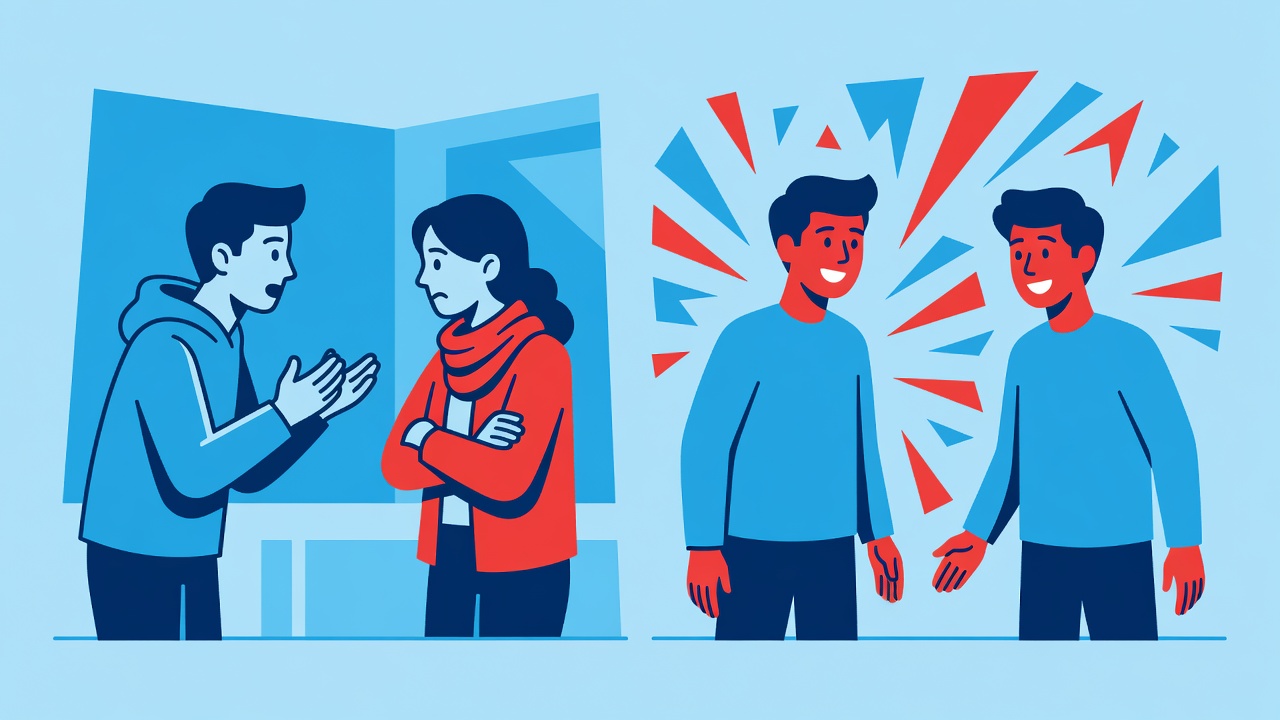
The schools that are actually developing character are the ones that have made it curriculum. Not a poster on the wall. Not an annual character day. Not a set of rules that define character by what it isn't. A structured course with named skills, explicit instruction, real practice, and enough sessions that the skills start to change behavior.
Boost runs character skills alongside interpersonal and mindset skills because they're all part of the same foundation. A student who is honest but can't empathize is incomplete. A student who is kind but can't apologize when they're wrong is limited. The skills work together. They support each other. Teaching them as a coherent set produces students who can actually use them in combination, which is what the real world requires.
The question for every school is whether character development is on the list of things they deliberately teach or on the list of things they hope will happen. Punishment keeps it on the hope list. Curriculum moves it to the teach list.
Frequently Asked Questions
Can schools really teach character, or is it shaped entirely by family and environment?
Family and environment have enormous influence on character development. Schools don't replace that. But schools have meaningful leverage during the 14-24 brain window, when the adolescent brain is actively forming behavioral patterns. A student who enters high school with character skill gaps can develop those skills through explicit instruction and consistent practice. Schools that treat character as curriculum rather than character as rule enforcement produce measurably different outcomes.
What's the difference between character education and SEL?
SEL (social-emotional learning) typically focuses on emotional identification, emotional regulation, and interpersonal dynamics. Character education focuses on ethical behavior and values: honesty, empathy, humility, kindness. Boost addresses both, treating character skills and emotional/interpersonal skills as part of the same foundation rather than separate programs. The key difference from most SEL implementations is that Boost treats these as skills to be taught explicitly, not dispositions to be modeled and hoped for.
How do you assess character skill development?
The most practical method is structured self-assessment. Students rate themselves on specific character skills at the start and end of a program. The movement on that rating is the measurement. This is subjective in the sense that it relies on student self-report, but it is consistent and directional: students who rate themselves higher on honesty at the end of a program and can describe specific instances where they practiced it have developed the skill in a meaningful sense.
What do you do with a student who has been labeled a "bad kid"?
Start with the assumption that they are untaught, not broken. Identify the specific skills they're missing, not the rules they're breaking. Build instruction around the gaps rather than consequence around the behaviors. This requires administrators and teachers who can hold both realities: the behavior is real and unacceptable, and it is also a symptom of a skill gap that instruction can address. Both are true at the same time.
How does Boost teach empathy as a skill?
Through structured perspective-taking exercises. Students are given a scenario and asked to describe it from the other person's point of view, not their reaction to the other person, but the other person's experience from the inside. Pairs give feedback on whether the perspective-taking felt genuine. The skill is practiced until perspective-taking becomes a reflex, rather than something students do only when prompted. The empathy lesson plan in the Boost materials gives detailed facilitation guidance for this exact exercise.