Respect Isn't Obedience: Teaching Students What Respect Actually Looks Like
- In a randomized study of 1,682 middle school students, a brief teacher intervention on empathic discipline cut suspension rates from 9.8% to 4.6%.
- Students describe respect as "a basic recognition of your humanity," which is different from compliance.
- Across 319 high schools, strict but fair discipline paired with supportive teacher relationships went with lower bullying, fighting, and risk behavior (a correlation, not proof of cause).
- Respect can be broken into observable behaviors, which means it can be taught and practiced like any other skill.
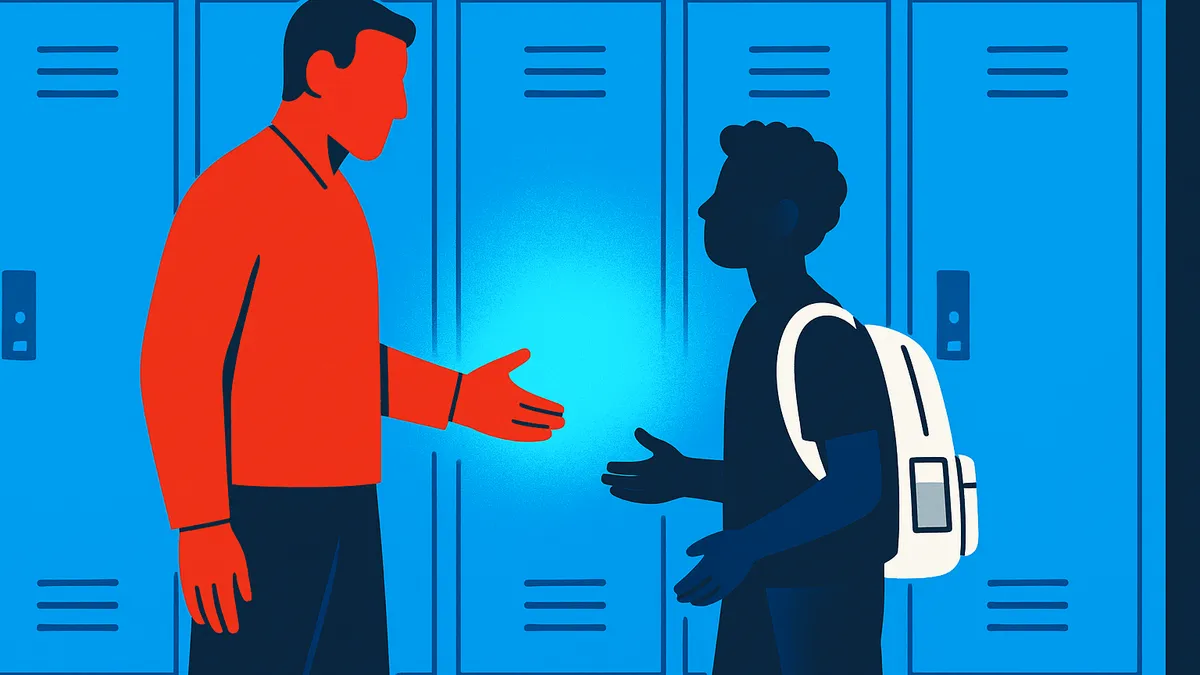
Picture a hallway moment. A teacher says, "Put that away." The student sighs, slides the phone into a pocket, and mutters something under their breath. Was that respect? Most of us would call it compliance with a bad attitude, and many schools treat it as a discipline problem. The harder question is what we want instead. When schools set out on teaching students respect, they often ask for it without defining it, then write up the students who do not show it. By respect we mean specific, visible behaviors, such as listening, tone, and a sincere apology. This deep dive separates respect from obedience and shows how to teach the behaviors.
Obedience Versus Respect: What Is the Difference?
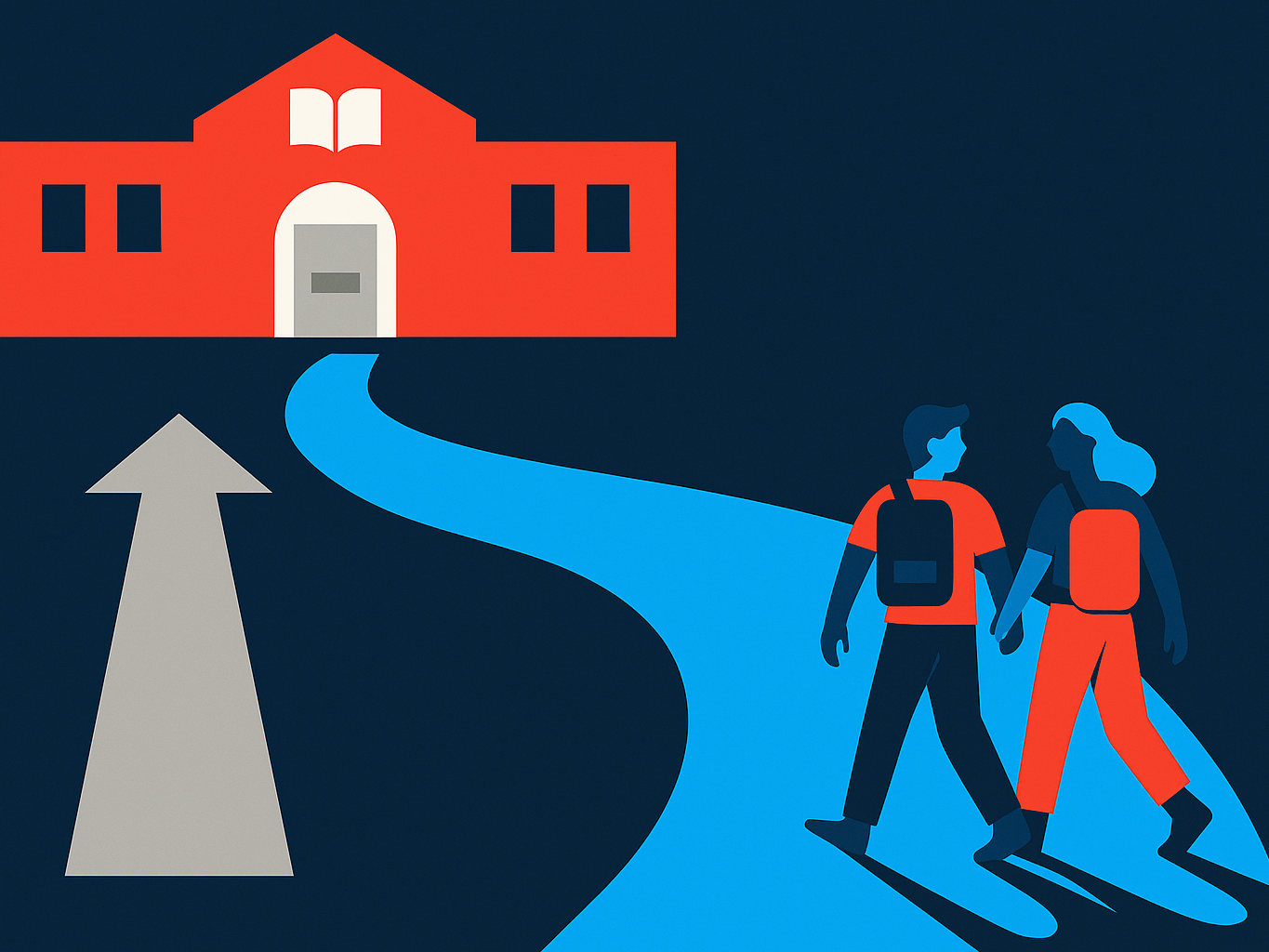
Obedience is doing what you are told, while respect is treating another person as someone who matters, and the two can look identical in the moment. A student can obey without respect, and a student can disagree respectfully. That is why a compliance-only approach leaves a gap.
Students notice the difference. A PBS NewsHour report on how feeling respected changes a student's relationship to school describes how students define respect as "a basic recognition of your humanity," which includes remembering names, pronouncing them correctly, avoiding condescension, and valuing their perspectives (PBS NewsHour). Notice that the list is made of behaviors, not attitudes.
None of this means structure is the enemy. The Cyberbullying Research Center describes an authoritative school climate as one with high disciplinary structure ("students perceiving school rules as strict, but equitably applied") and high student support ("students perceiving that their teachers want them to succeed, and will always treat them with respect") (Cyberbullying Research Center). Rules and respect are meant to travel together.
Breaking Respect Into Behaviors You Can Teach
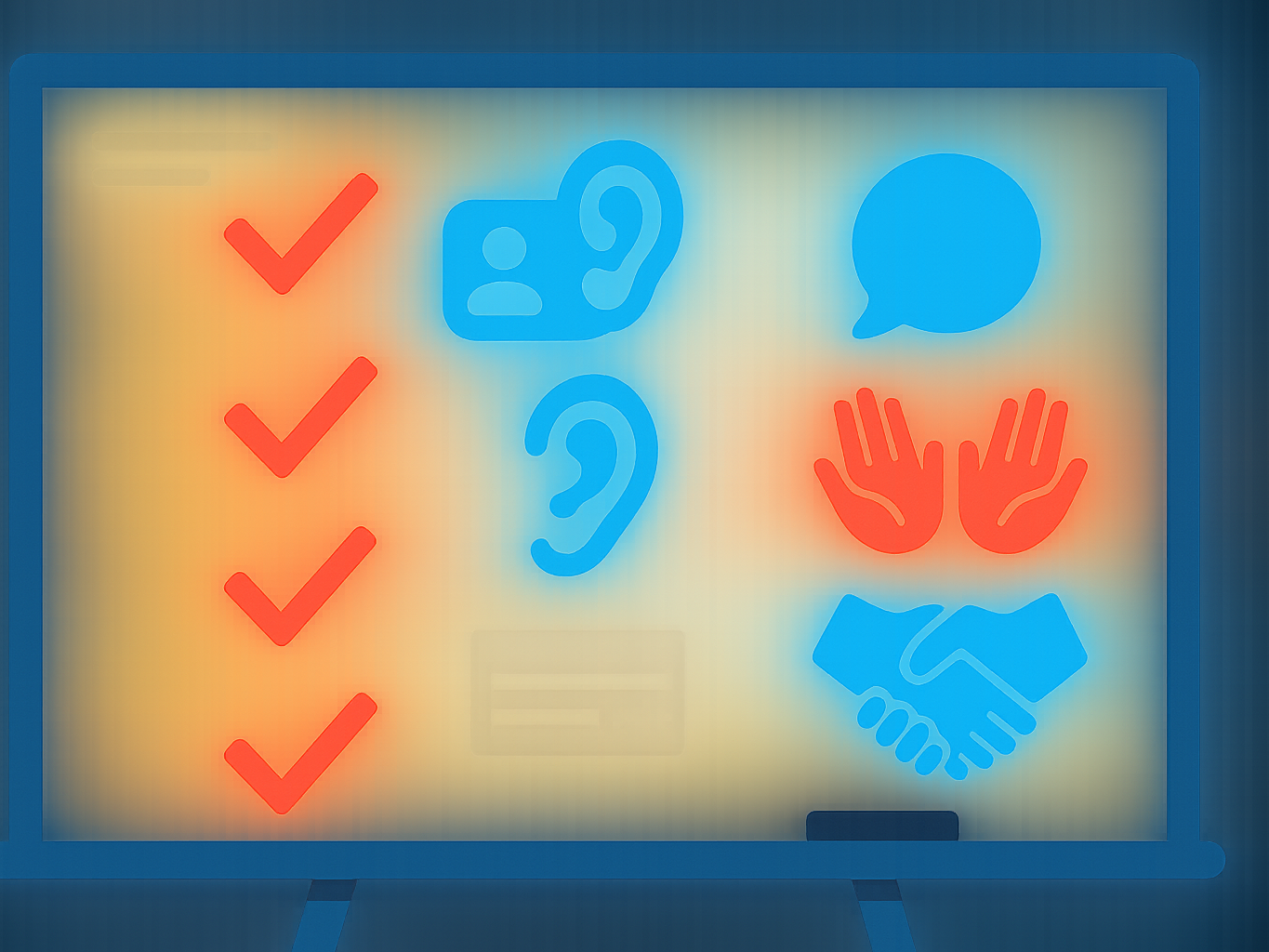
Respect becomes teachable when you name what it looks like, so write the behaviors down. Our curriculum treats respect as a set of skills, not a trait. Boost's third lesson, "Skills That Earn Respect," covers honesty and integrity, empathy, humility, kindness, quick and sincere apologies, enthusiastic thank-yous, not gossiping, and being friendly with a wide circle of people [Internal: Boost Brand Bible]. The people skills lessons add the visible basics: eye contact, using someone's name, asking questions and listening, and reading nonverbal signals.
Here is a starter list of observable respect behaviors, adapted from those skills. Pick three to teach first.
- Say and pronounce names correctly.
- Listen without interrupting, then ask a question about what you heard.
- Match tone and body language to the message, since a calm voice and open posture say as much as words.
- Disagree with the idea, not the person.
- Apologize quickly and sincerely, without a "but."
The framing matters. Students who do not show these behaviors are not broken. They are untaught. Our post on why character cannot be taught through punishment goes deeper on that distinction.
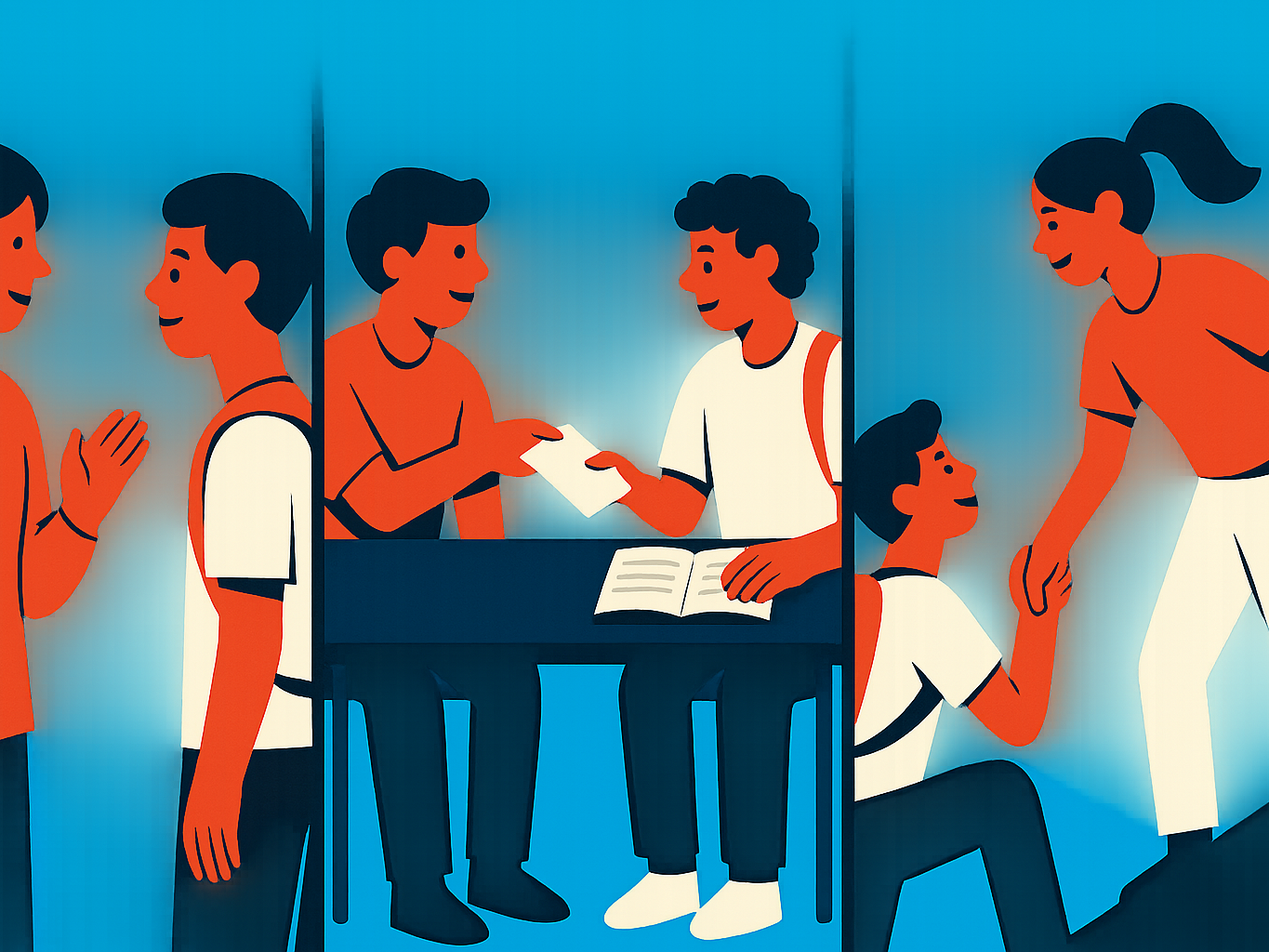
Practice Scenarios for Teaching Students Respect
Students learn these behaviors by rehearsing them in realistic moments, with a coach or teacher giving quick feedback. Telling a student to be respectful is like telling someone to play guitar without ever handing them one. Boost's sessions combine a lesson, practice, and discussion, and role play is central [Internal: Boost Bible]. Try these three scenes as a starting point. They are hypothetical, and you should adapt them to your school.
The correction. A teacher redirects a student in front of peers. Students practice responding without sarcasm: a calm "Okay," then a private question afterward, such as "Can I explain what happened?"
The disagreement. Two students disagree about a group project. One practices saying, "I see it differently, can I tell you why?" while the other practices listening and restating what they heard.
The apology. A student made a cutting comment in the hallway. They practice a short, sincere apology with no excuse attached. For a deeper look at the skill underneath, see our piece on why empathy is the hardest Boost skill to teach.
Debrief each scene with the same two questions: what did that look like, and what did it feel like to be on the receiving end?
When Adults Get It Wrong
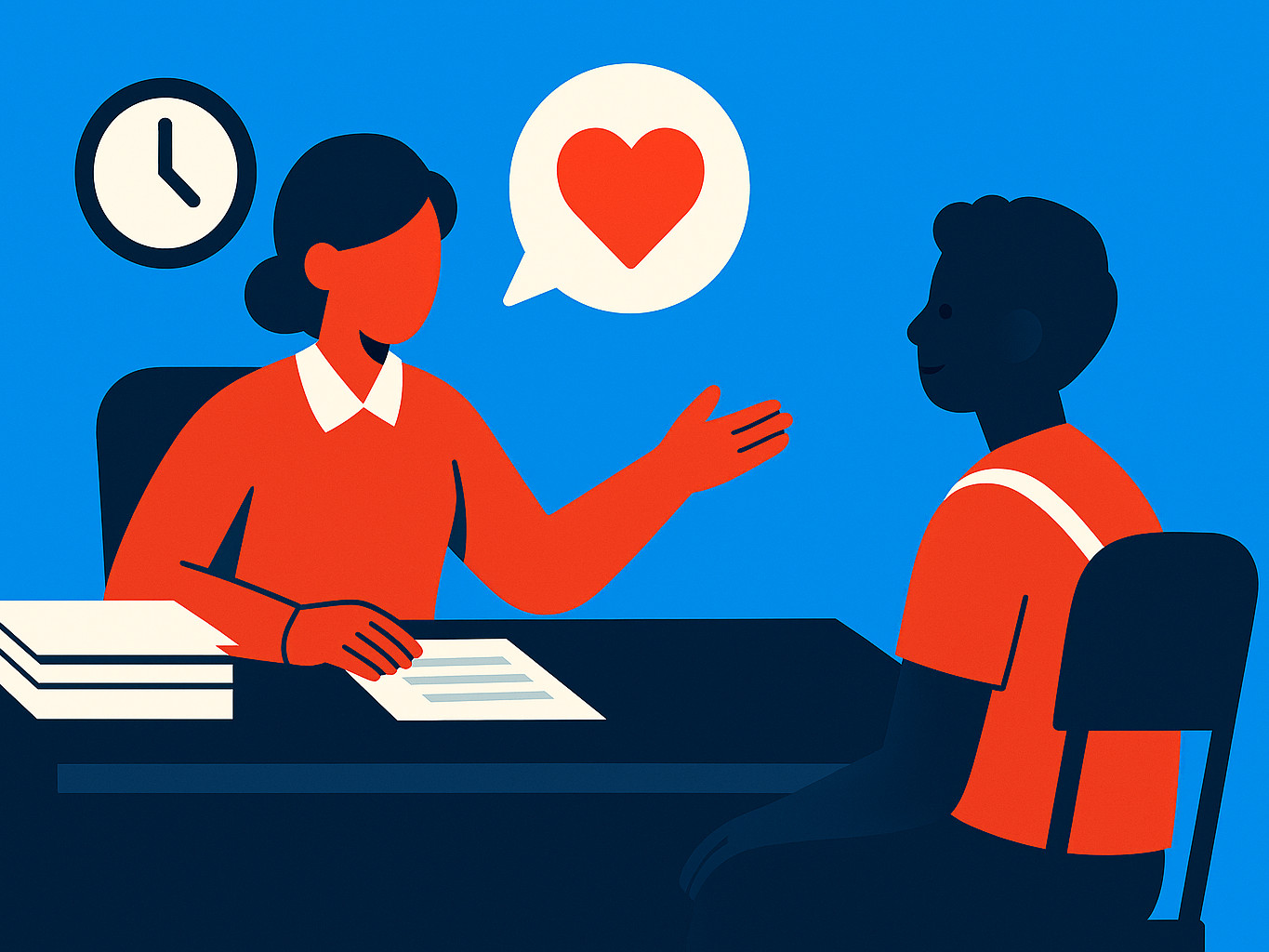
Adults model respect or its absence every day, and students read it quickly. This is not about blame. Stanford psychologist Jason Okonofua put the pressure plainly: "Teachers are stressed out, depleted, and they can tend to lose sight of the relationships they want to build with their students" (PBS NewsHour).
The evidence that adult mindset matters is strong. In a randomized field experiment across five middle schools in three districts, involving 31 teachers and 1,682 students, a brief intervention to encourage empathic discipline cut suspension rates from 9.8% to 4.6% (Okonofua, Paunesku, and Walton, PNAS). Okonofua has put it this way: "Changing the mindset of one teacher can change the social experience of that child's entire world." This was middle school, and the study was about discipline, not a full respect curriculum, so read it as a signal and not a formula. Still, it suggests that adults who practice the same behaviors they ask students to practice change the conditions in which respect grows.
Linking Respect to School Climate
Respect is easiest to sustain when the whole school climate supports it, with clear expectations and warm relationships together. In a study of 47,888 students in 319 high schools, schools with authoritative climates, meaning strict but fair discipline and supportive teacher-student relationships, showed significantly lower rates of alcohol and marijuana use, bullying, fighting, weapon carrying at school, and suicidal ideation and behavior (Cornell and colleagues, Journal of Youth and Adolescence).
The data are cross-sectional, so they show a pattern and not cause and effect. They are a strong reason to build structure and support at the same time. If you are working on conflict specifically, our practical guide to teaching conflict resolution in high school offers a next step.

Measuring Change in Respect Over Time
Measure respect by tracking behaviors you can see, at the start and again later. Start with a baseline. Boost uses a self-assessment called Striving to 100, in which the student and an adult sponsor each rate the student on a 1 to 5 scale on items such as greeting others, listening, humility, kindness, and apologizing, then repeat it at the end [Internal: Boost Program Research Paper]. It measures perceived growth, and Boost does not yet have independent outcome data.
Add your school's own indicators. Consider the types of discipline referrals, not only their number, plus short student and staff climate surveys and simple observation of the three behaviors you chose to teach. Use the results to improve instruction, and avoid high-stakes uses such as grading or evaluating individual teachers. If you want help building a respect lesson sequence for your students, you can schedule a discovery call.
Frequently Asked Questions
How Is Respect Different From Obedience?
Obedience is doing what you are told. Respect is treating a person as someone who matters, and it can include disagreeing politely.
What Does Respect Look Like in School?
It looks like names pronounced correctly, listening without interrupting, a calm tone, and a quick, sincere apology. Students in a PBS report described respect as a basic recognition of their humanity.
How Do You Teach Respect to Teenagers?
Name specific behaviors, rehearse them in realistic scenes, and give quick feedback. Adults need to model the same behaviors.
Why Do Students Show Disrespect to Teachers?
Often they have not been taught what respectful disagreement looks like, and stress affects adults and students alike. A Stanford study found that changing teacher mindset about discipline cut suspensions in half in the study schools.
References
- PBS NewsHour: How Feeling Respected Transforms a Student's Relationship to School
- Cyberbullying Research Center: Authoritative School Climate
- Okonofua, Paunesku, and Walton: Brief Intervention to Encourage Empathic Discipline Cuts Suspension Rates in Half Among Adolescents
- Cornell and Colleagues: Authoritative School Climate and High School Student Risk Behavior
- Character Can't Be Taught Through Punishment: Here's What Actually Works
- Why Empathy Is the Hardest Boost Skill to Teach (And the Most Important)
- A Practical Guide to Teaching Conflict Resolution in High School
Ready to bring Boost to your school?
Schedule a discovery call to see how the Boost curriculum fits your students.
Schedule a Discovery Call