Ten Soft Skills Employers Screen For in Interviews (and How Schools Can Prep for Them)
- In a December 2024 survey of 1,000 U.S. managers who hire entry-level staff, 24% called recent graduates unprepared for interviews. Among managers who interviewed them, 49% reported trouble with eye contact.
- In a February 2025 survey of 765 U.S. managers, 56% had met unprepared Gen Z applicants and 51% cited poor communication. 16% saw candidates use their phones mid-interview.
- Most of what interviewers probe is teachable: ten soft skills, from greeting and listening to preparation and owning a mistake.
- The evidence is employer perception, not hiring outcomes, so treat the numbers as a pattern, not a prediction.
An interview is a short test of behavior, and that makes it a useful target for workforce readiness in high school. Within a few minutes, an interviewer decides whether a young person listens, answers honestly, and can be trusted around customers. By soft skills we mean the behaviors, such as communication, listening, and professionalism, that determine how a person applies what they know. Below are ten that interviewers screen for, what recent surveys say about where candidates stumble, and how a school can build these skills before a student sits in the chair.
Why Workforce Readiness in High School Includes the Interview
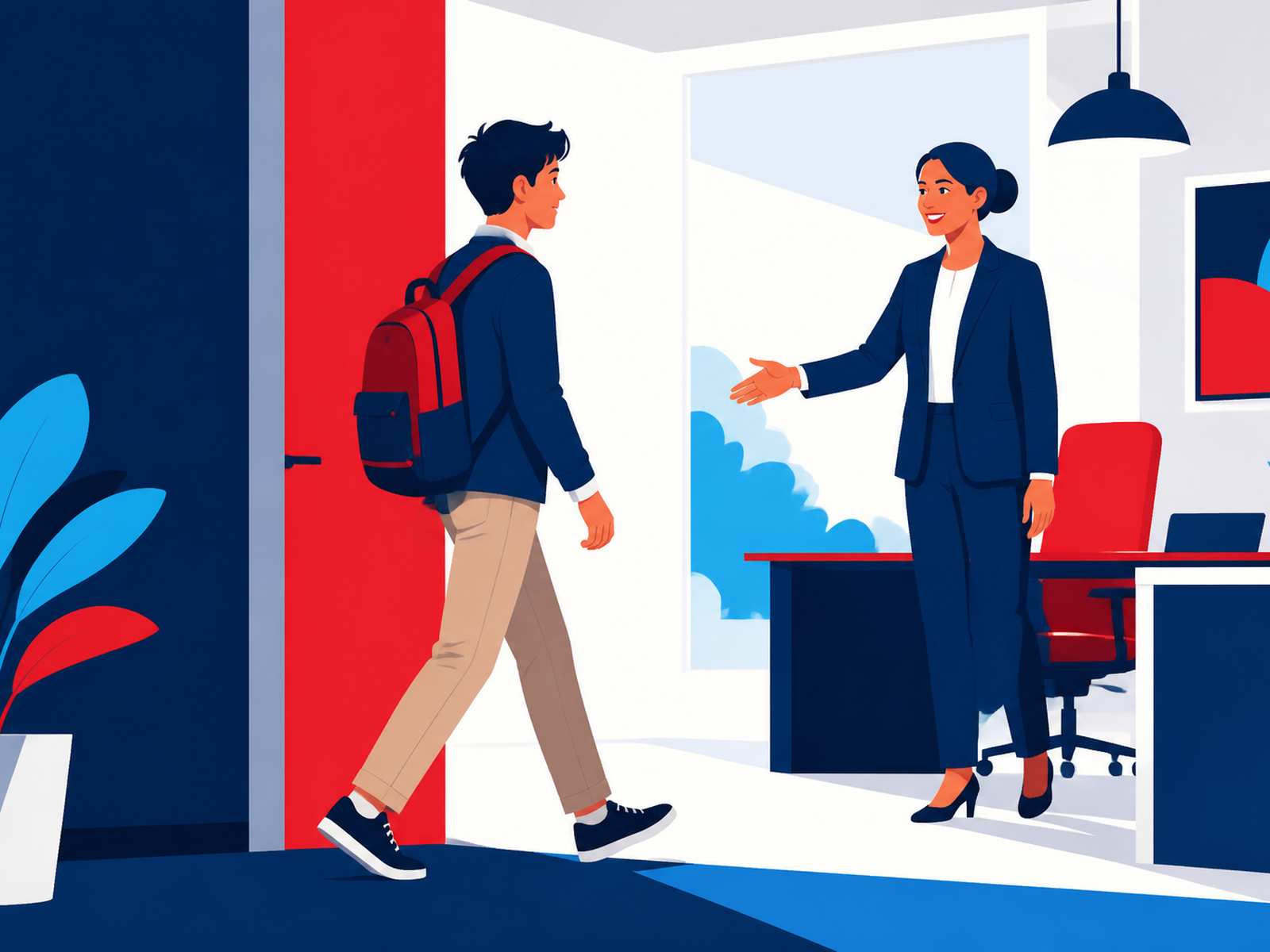
The interview is the first place an employer sees your graduates' soft skills, so it is where a gap shows up first. A transcript does not get a student through that door. What happens in the first five to ten seconds often does. We heard this directly when employers came into a school and ran real, formal interviews: life is skill-based, and impressions form in those opening seconds [Internal: Boost Messaging and Copy Bank].
That is good news for schools, because skill-based means teachable. Our starting point is that students are not broken, they are untaught. Most have never been shown how to walk into a room, look someone in the eye, and ask a question. We have covered the people skills every student needs before a first job interview before. This piece goes one step further and maps what interviewers probe to skills you can practice.
What Interviewers Report Going Wrong
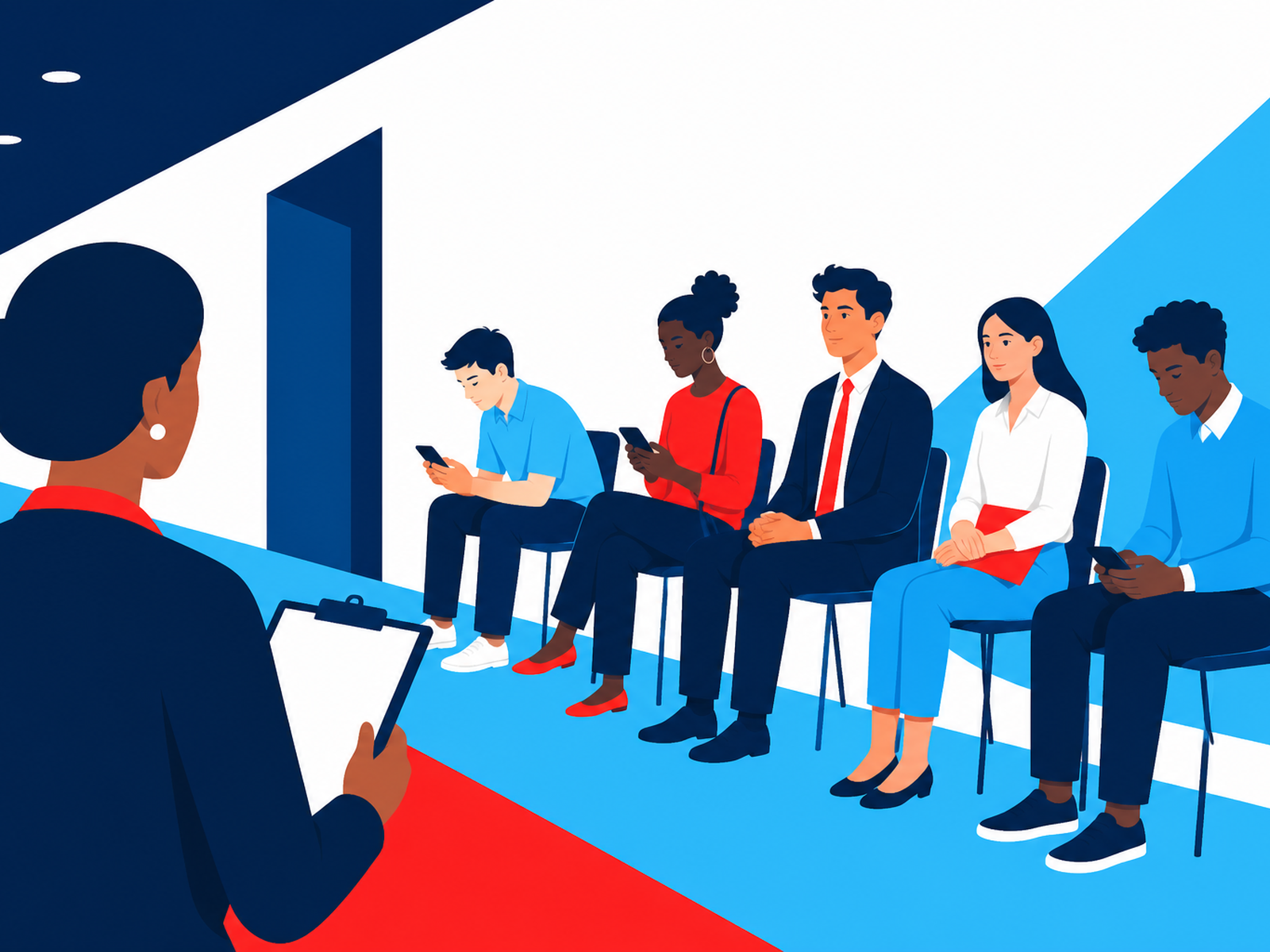
Hiring managers most often name preparation, eye contact, and communication. An Intelligent.com survey, run through Pollfish on December 30, 2024, asked 1,000 U.S. managers involved in hiring entry-level employees about recent graduates. According to Intelligent.com, 24% said recent grads are unprepared for interviews. Of those who interviewed them, 49% said eye contact was a struggle, 42% said dressing appropriately, and 8% had a candidate bring a parent.
A second survey looked at Gen Z candidates specifically. ResumeTemplates.com surveyed 765 U.S. managers in February 2025, all of whom had interviewed at least three Gen Z candidates in the past year. As reported by ResumeTemplates.com, 56% met unprepared applicants, 51% cited poor communication, 41% a lack of professionalism, and 38% lateness. Career coach Irina Pichura said, "some come off as too casual, and a more professional demeanor is expected."
A Resume Builder survey, covered by Western Mass News in May 2026, reported that 57% of hiring managers said Gen Z candidates struggle with eye contact and dressing appropriately. The article does not give the sample size, so we treat it as supporting, not lead, evidence.
Five Connection Skills Interviewers Notice First
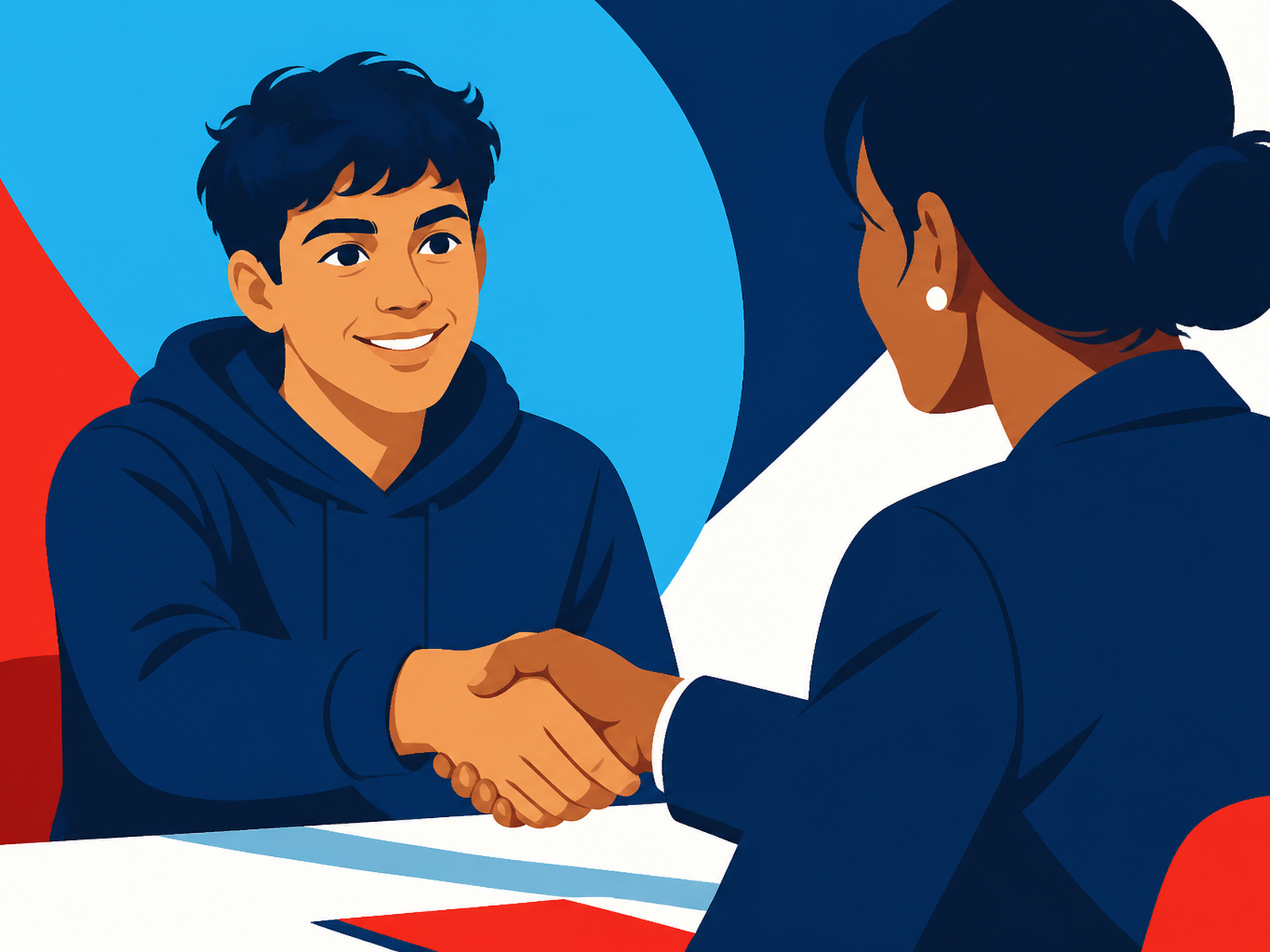
These five are the ones an interviewer sees before the candidate answers a single question. They are also the first group in our interview program, which teaches seven skills [Internal: Boost Bible].
- Enthusiastic greeting. The handshake or hello sets the tone. Students practice saying it with energy, not a mumble.
- Eye contact. Reported as a problem in two of the surveys above. It is a learnable habit, not a personality trait.
- A real smile. Interviewers read warmth in seconds. We teach students the difference between a forced smile and a genuine one.
- Using the interviewer's name. "Nice to meet you, Ms. Alvarez" signals attention and respect.
- Listening before answering. A student who answers the question that was asked stands out. We have written about why active listening is a skill, not a personality trait.
Five Preparation and Character Skills Behind the Answers
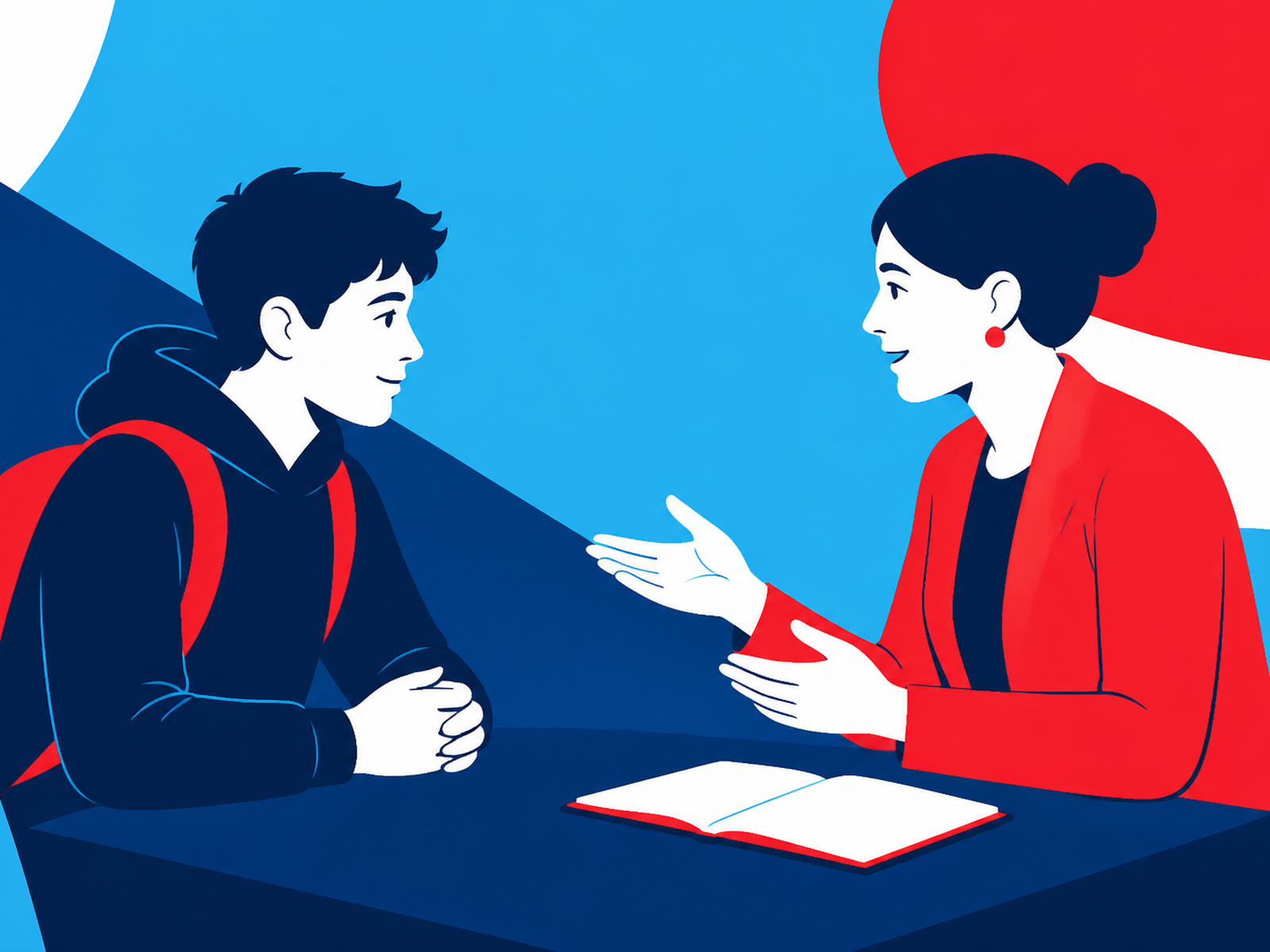
These five show up in what a candidate says and how ready they are. Three come from our interview program: asking great questions, reading body language, and giving a genuine compliment [Internal: Boost Bible]. The other two come from the surveys and from our character skills.
- Asking great questions. Students learn to flip the script: research the company and walk in ready to interview the employer, too. In our mock interviews, students research the company and the interviewer beforehand [Internal: Boost Brand Bible v2].
- Reading body language. Noticing whether the interviewer is engaged, rushed, or confused, and adjusting.
- A genuine compliment. Specific and sincere, such as noticing something about the company's work. Not flattery.
- Professional presence. Showing up on time, dressed appropriately, phone away. This lines up with the lateness, attire, and phone findings above.
- Honesty and owning a mistake. When asked about a failure or weakness, the best answer is a true one. Our character skills include honesty, humility, and apologizing quickly and sincerely [Internal: Boost Program Research Paper].
What This Evidence Does Not Say
These surveys measure what hiring managers say they notice, not whether a candidate's interview behavior predicts job performance. Their samples are U.S. managers who chose to respond, and two of the three focus on Gen Z or recent graduates broadly, not high school students. The Intelligent.com and ResumeTemplates.com surveys were run or commissioned by resume and career sites, not independent researchers. Percentages also vary a lot between surveys because the questions differ, so we have not averaged them.
Nor do we claim a school program guarantees interview offers. Our own signals are small. In a pilot of about 30 students, 87% said on the last day that they understood a specific set of skills lets a person get what they want in life, up from 20% on day one [Internal: Boost Bible]. It is self-reported. Hiring managers who ran our mock interviews told us, "These students were better than most of the real interviews we do" [Internal: Boost Bible], which is encouraging but anecdotal. Independent outcome data on interview training is something the field still needs.
How to Build Workforce Readiness in High School Through Practice
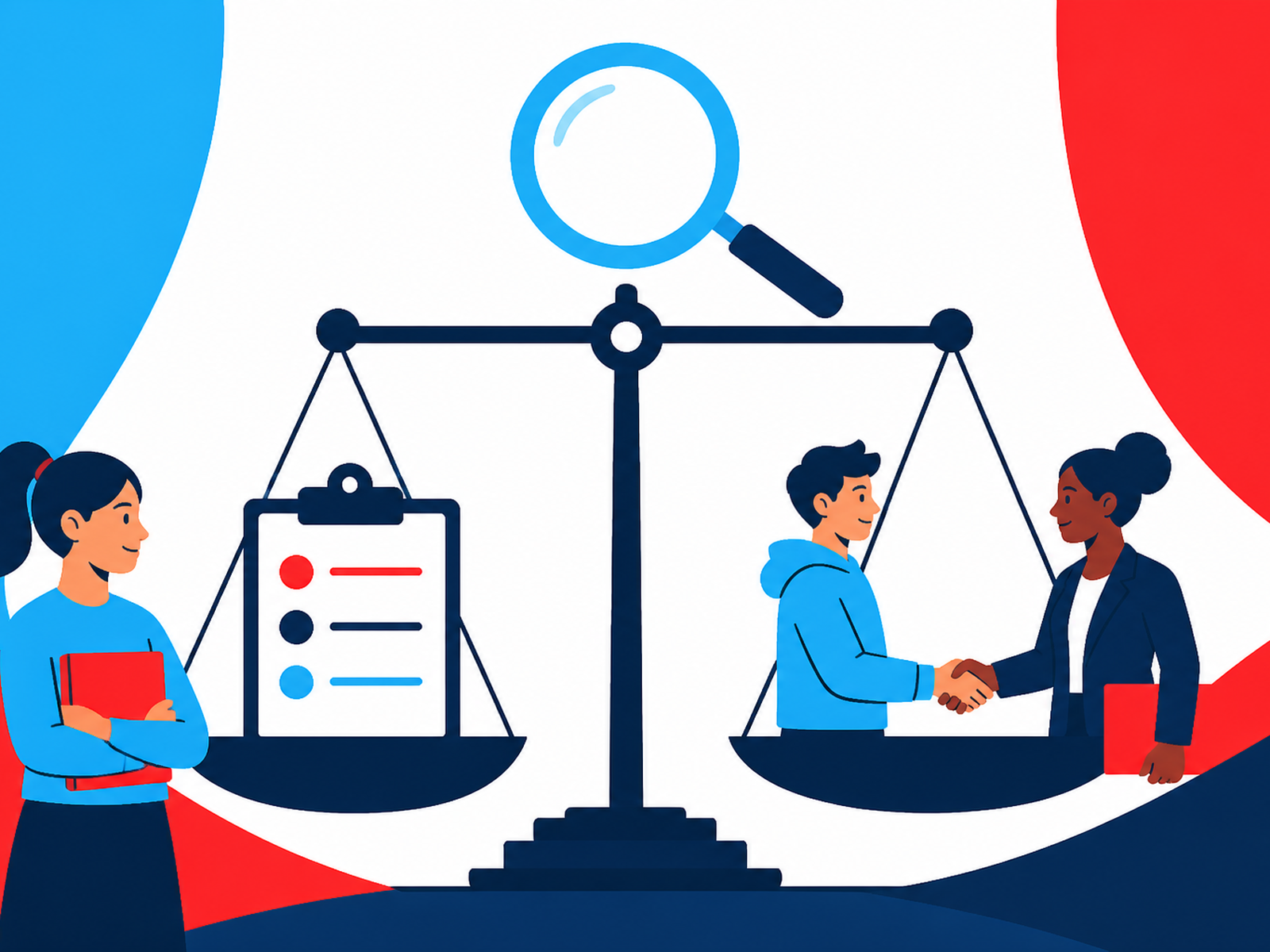
Students get better at interviews by doing interviews, watching themselves, and trying again. Lectures do not do it. Here is a sequence we use.
- Teach the seven basics with energy. One full-grade session can introduce the skills and explain why they matter to each student's own goals.
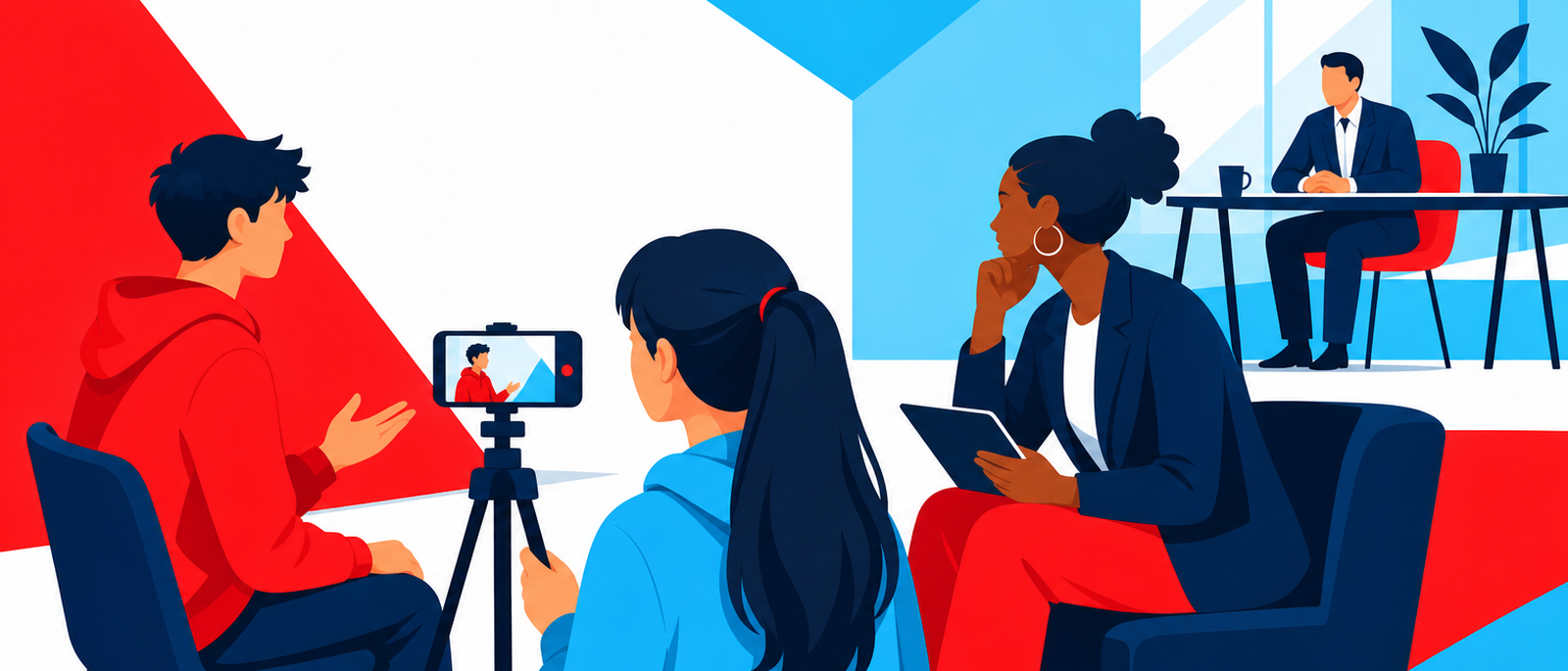
- Pair students and record them. In peer practice, students video each other in practice interviews and watch themselves back. We find students fix in minutes what a coach could not fix by telling them [Internal: Boost Bible].
- Bring in real hiring managers. A mock interview with an adult who actually hires is different from practicing with a classmate. Our guide to running a mock interview day without a big budget shows how.
- Debrief on the behavior. Feedback should name an action ("you looked down when you answered") and give a second try.
One student wrote after the program that learning these skills showed how impressive it could be to an interviewer, and that interviews felt less nerve-racking [Internal: Boost Program Website Knowledge]. If you want to build this into your schedule, you can schedule a discovery call and we will talk through options.
Frequently Asked Questions
What Soft Skills Do Employers Screen For in Interviews?
Surveys most often point to preparation, communication, eye contact, professionalism, and punctuality. We group these into ten teachable skills, from greeting and listening to honesty.
Can Schools Teach Interview Skills?
Yes, with practice rather than a one-time talk. Peer video practice and mock interviews with real hiring managers give students feedback they can act on.
How Common Are Interview Problems Among Young Candidates?
In one December 2024 survey of 1,000 managers, 24% said recent graduates were unprepared for interviews. Percentages vary by survey, so treat them as a pattern, not a precise rate.
Are These Skills Only Useful in Interviews?
No. Listening, eye contact, and honesty carry into internships, jobs, and college. The interview is simply a compressed place to see them.
Does Interview Training Guarantee a Job Offer?
No, and no study we reviewed shows that. It gives students better odds of showing what they can already do.
References
- Intelligent.com: 1 in 4 Hiring Managers Say Recent Grads Are Unprepared for the Workforce
- ResumeTemplates.com: 1 in 6 Hiring Managers Report Gen Z Candidates Using Their Phones Mid-Interview
- Western Mass News: Gen Z Job Seekers Lack Interview Basics, Survey Finds
- The 8 People Skills Every Student Needs Before Their First Job Interview
- Active Listening Is a Skill, Not a Personality Trait
- Mock Interview Day for High School Students Without a Big Budget
Ready to bring Boost to your school?
Schedule a discovery call to see how the Boost curriculum fits your students.
Schedule a Discovery Call