Why New Grads Lose First Jobs for Reasons Their Transcripts Never Showed
- Employers rate new graduates' professionalism at 50.3% proficient, while students rate themselves at 79.7%, according to NACE's 2025 analysis.
- 56% of business leaders surveyed by General Assembly named a lack of soft skills as the main reason entry-level workers are ill-prepared.
- In Leadership IQ's study of new hires, 89% of hiring failures traced to attitude rather than technical skill, though that research dates to 2011 and covers all new hires, not only graduates.
- Reliability, handling feedback, and workplace communication can be practiced before graduation, and schools have to supply the practice because employers say these skills are mostly learned through experience.
Search for why new graduates lose first jobs soft skills and you will find plenty of opinion and very little data. Picture a new hire who earned strong grades, arrives eight minutes late three Mondays in a row, goes silent when a supervisor corrects her spreadsheet, and never asks a question in week two. Nothing on her transcript predicted any of it. No study we found tracks exactly why graduates lose their first jobs, so this article builds the case from the best adjacent evidence: what employers rate, what managers report, and what schools could practice earlier. We are careful below to say where the evidence is strong and where it is thin.
The Gap Between Grades and First Jobs: What Employers See
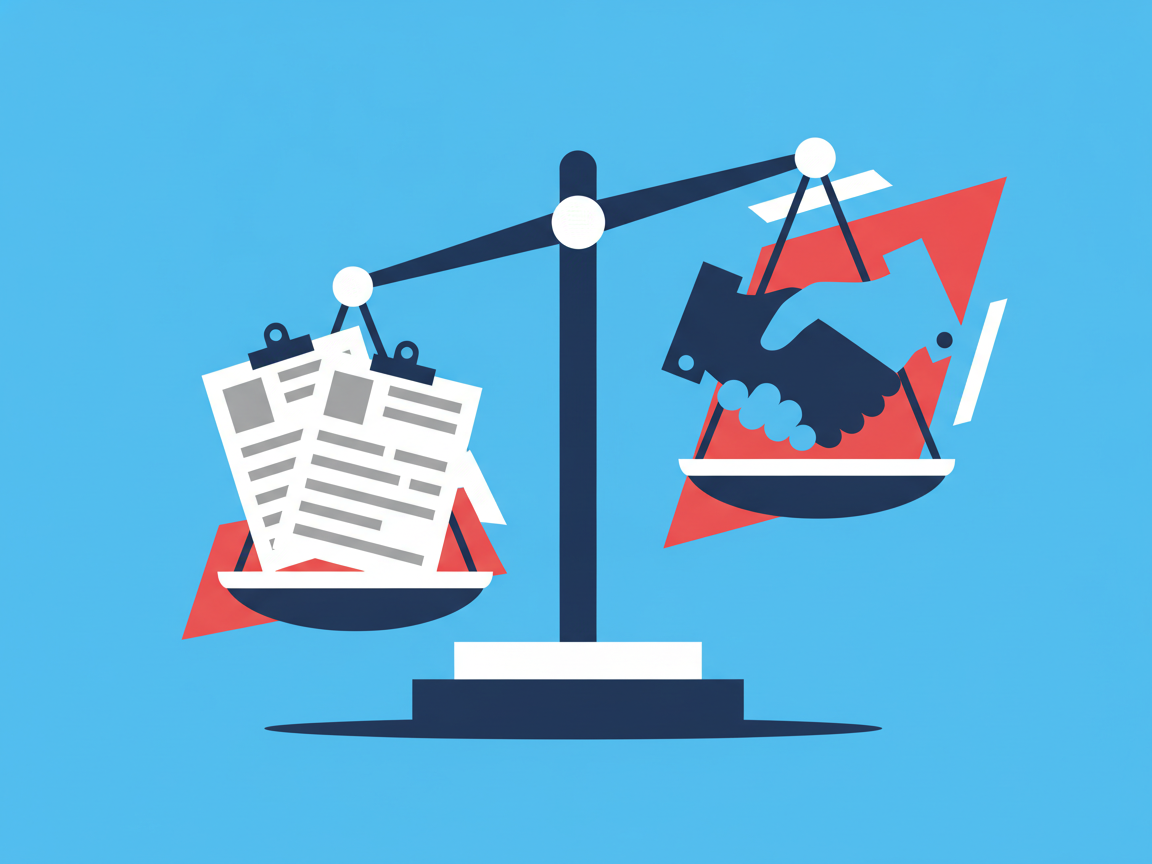
Employers and new graduates disagree sharply about how work-ready graduates are. In its analysis published in January 2025, NACE compared how students rate their own proficiency with how employers rate it. Students put themselves at 78.1% in communication, and employers rated graduates at 53.5%. In professionalism the numbers were 79.7% and 50.3%. NACE summed it up this way: "for leadership and professionalism the gap exceeds or approaches 30%, while for critical thinking and communication, it is approximately 25%" (NACE).
Notice what did not diverge. On teamwork, students rated themselves at 83.5% and employers at 81.5%. The gap is not everywhere, which is why we resist the lazy story that a whole generation is unprepared. Two cautions apply. This is a perception gap, not a measure of job loss, and it describes college graduates, not high school students. It does show that grades and self-confidence are poor predictors of how a new hire looks to the person supervising them.

What Patterns Do Managers Report When New Hires Fail?
Managers who study failed hires point to attitude and behavior far more often than to technical skill. Leadership IQ tracked more than 20,000 new hires and found that "46% of newly-hired employees will fail within 18 months, while only 19% will achieve unequivocal success." Its headline finding was that "89% of hiring failures are the result of attitude, not a lack of technical skills." The top five reasons were coachability (26%), emotional intelligence (23%), motivation (17%), temperament (15%), and technical competence (11%).
Treat that study with care. It was published in 2011, it covers new hires of every age, and "fail" is the study's term, not a count of firings. More recent survey data points the same direction. General Assembly's 2025 survey of 651 business leaders found that 31% believe entry-level workers are hardly or completely unprepared for work, and 56% named a lack of soft skills as the main reason (People Management). Our own take on this is in what employers actually mean when they say they can't find good workers.
The employer side of the story matters too. BambooHR found that one in three new accounting and finance hires leave within a year, and its CFO said that "onboarding approach and plan needs to be even more solid than it has been in the past" (Yahoo Finance). Weak onboarding and weak preparation compound each other.
Which Soft Skills Sit Behind Those Patterns?
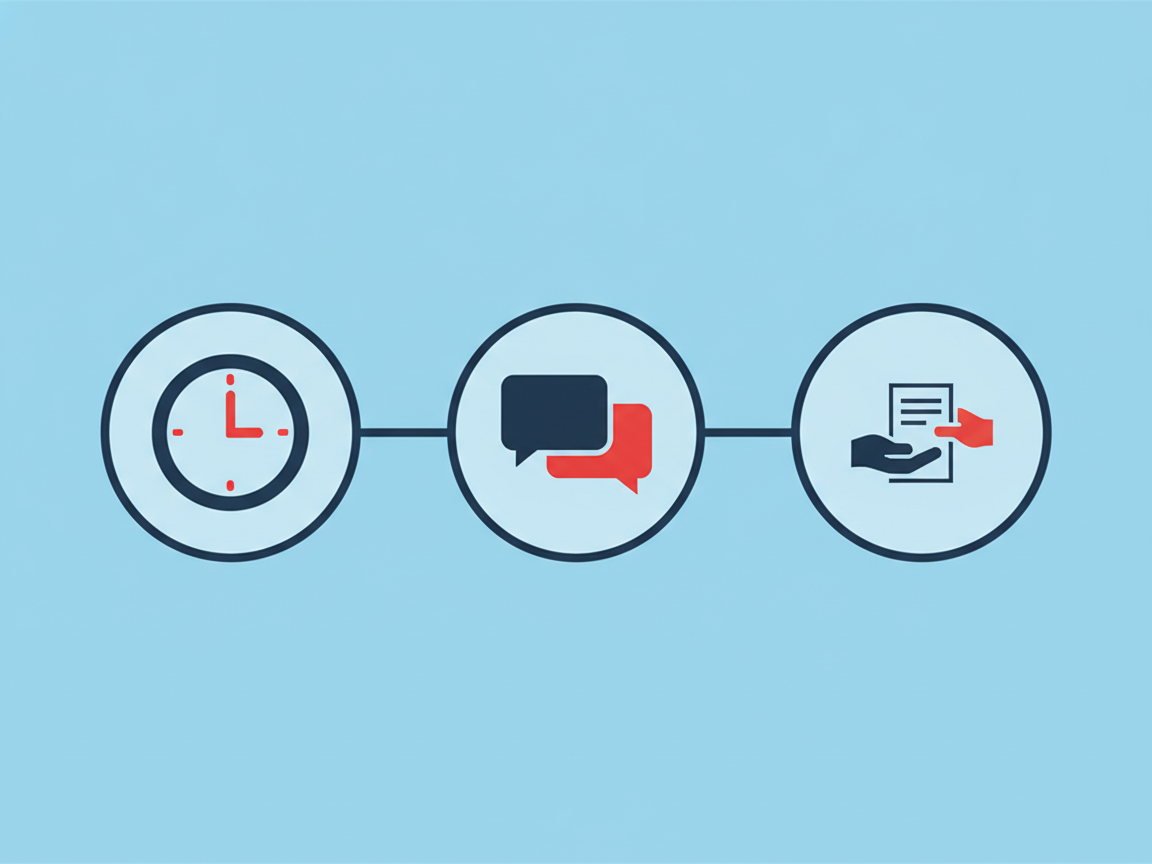
Three clusters of behavior show up again and again: reliability, handling feedback, and workplace communication. This mapping is our reading of the evidence, not a finding from any single study. Coachability is feedback handling. Emotional intelligence and temperament show up as communication under pressure. Motivation shows up as initiative. The Aspen Institute's 2025 employer research adds a fourth signal: skills tied to being ready to execute on day one were "the most highly valued by the majority of employers," a group it calls the "Execution and Reliability" core (Aspen Institute).
Each cluster is a set of observable behaviors. Reliability is arriving on time and sending the message before you are late. Handling feedback is listening to the correction, repeating it back, and changing what you do. Communication is greeting people, asking a question instead of guessing, and owning a mistake quickly. In Boost terms these sit in the People Skills and Character pillars, in skills such as Listening and Asking Questions, Apologize Quickly and Sincerely, and Responsibility and Ownership [Internal: Boost Brand Bible]. We think of these as Level 1 skills, like basic math before algebra: the harder skills employers name, such as leadership and conflict resolution, depend on them.

What Schools Can Practice Before Graduation
Schools can rehearse specific work behaviors in short, repeated drills, and they should, because employers do not expect classrooms to do this alone. In the Aspen survey, 85% of employers said durable skills are developed "through life and work experience, not formal instruction." That is a fair challenge to any school claiming a lecture will fix this. The answer is to make school practice feel like experience.
Three drills work without a new schedule. Rehearse the first day: walk in, greet someone, introduce yourself, and ask a question. Rehearse correction: a teacher gives blunt feedback, the student repeats it back, asks one clarifying question, and then applies it. Rehearse the late message: students write and send a clear note when they will be late or absent. Our look at why high school interns struggle with basic workplace skills shows what happens when none of this is practiced, and the 8 people skills every student needs before a first interview covers the interview side.
Then ask local employers three questions. What are the top reasons you have let new hires go? What does a strong first week look like? What did your best first-year hire do that others did not? Their answers will tell you which behaviors to rehearse.
How Boost Builds Work-Ready Habits
Boost builds work-ready habits by teaching specific behaviors in an 8-week course and making students practice them. The curriculum teaches 26 Boost Skills across three pillars (People Skills, Character, and Healthy Mindset) and is delivered by certified Boost coaches or trained staff. Lessons combine video, discussion, worksheets, and role-play, and students and a sponsor rate the student on a 1 to 5 scale in a "Striving to 100" self-assessment at the start and end [Internal: Boost Program Research Paper]. For schools that want a work-specific add-on, the Boost Interview Program runs three weeks: an assembly, peer practice, and mock interviews with real professionals [Internal: Boost Brand Bible].
We want to be plain about the evidence. We do not have independent data showing Boost reduces early job loss. Our pilot was small (about 30 students) and self-reported: 87% answered "Absolutely" on the last day to a question about whether a set of specific skills lets them get what they want in life, compared with 20% on day one [Internal: Boost Bible]. That is a signal worth following, not proof. If you want to talk through how this could fit your school, you can schedule a discovery call.
Frequently Asked Questions
Why Do New Graduates Lose Their First Jobs?
No study isolates one cause, but employer research points to behavior more than technical ability. Leadership IQ attributed 89% of hiring failures to attitude, and 56% of leaders in the General Assembly survey cited a lack of soft skills. Weak onboarding contributes as well.
Which Soft Skills Are Most Often Missing?
Employers rate new graduates lowest on professionalism (50.3%) and communication (53.5%) in NACE's analysis. Coachability, the willingness to take feedback and change, was the top failure reason in the Leadership IQ study at 26%.
Is This a Generational Problem?
The evidence we found does not support that framing. It measures a perception gap on specific competencies, and teamwork ratings were nearly aligned between students and employers. Employers also point to onboarding as part of the problem.
How Can Schools Address These Gaps Earlier?
Rehearse named behaviors with repetition: the first day, receiving correction, and the late message. Ask local employers which behaviors cost new hires their jobs, then build practice around those.
References
- NACE, The Gap in Perceptions of New Grads' Competency Proficiency
- People Management, Third of Business Leaders Say Entry-Level Talent Is Not Prepared for Work
- Leadership IQ, Why New Hires Fail
- Yahoo Finance, One-Third of Entry-Level Hires in This Job Quit Within Their First Year
- Aspen Institute, Durable Skills, Strong Starts
- What Employers Actually Mean When They Say We Can't Find Good Workers
- Why So Many High School Interns Struggle With Basic Workplace Skills
- The 8 People Skills Every Student Needs Before Their First Job Interview
Ready to bring Boost to your school?
Schedule a discovery call to see how the Boost curriculum fits your students.
Schedule a Discovery Call